Department of Biochemistry and Microbiology, University of Victoria, Victoria, British Columbia, Canada.
Division of Medical Sciences, University of Victoria, Victoria, British Columbia, Canada.
mSphere. 2020 Apr 1;5(2):e00195-20. doi: 10.1128/mSphere.00195-20.
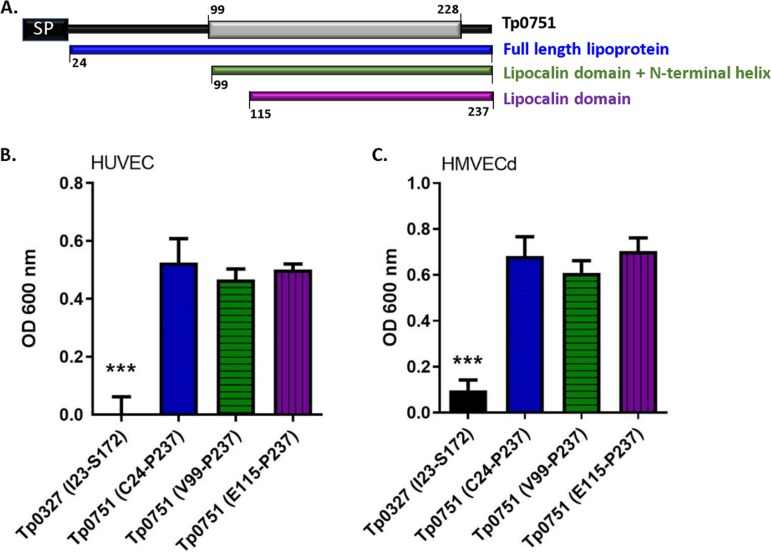
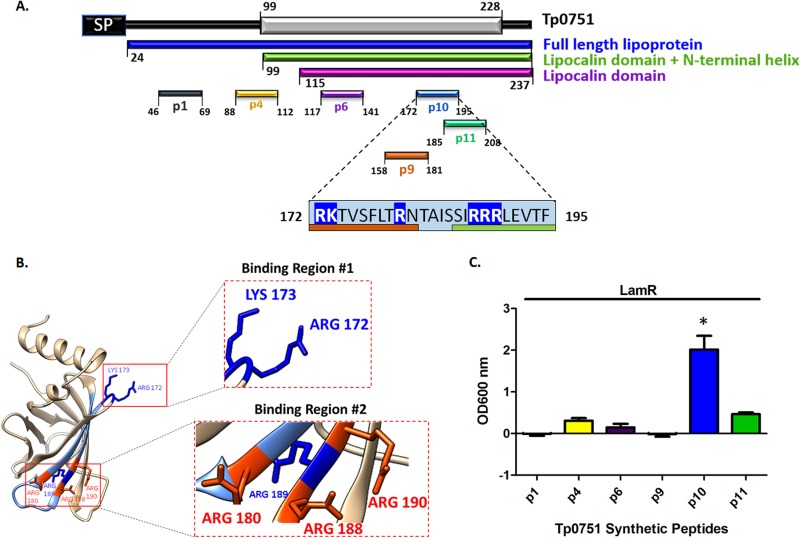
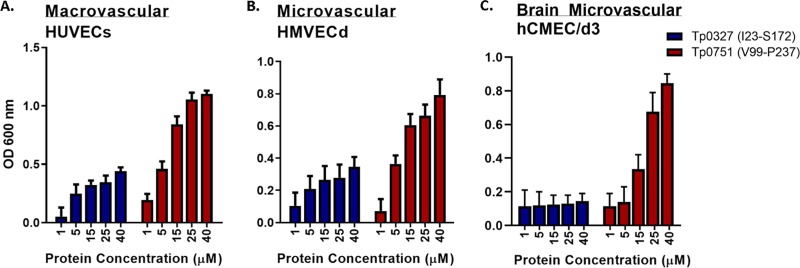
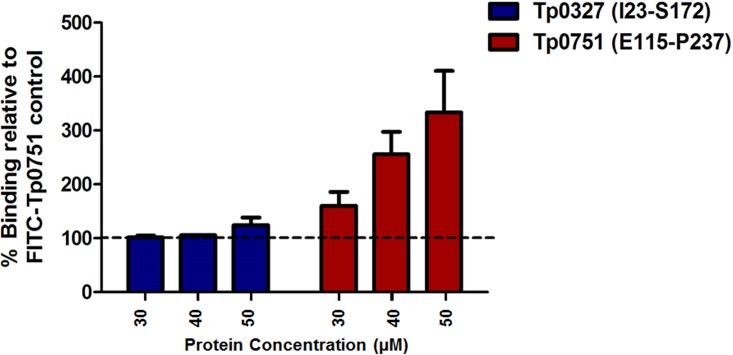
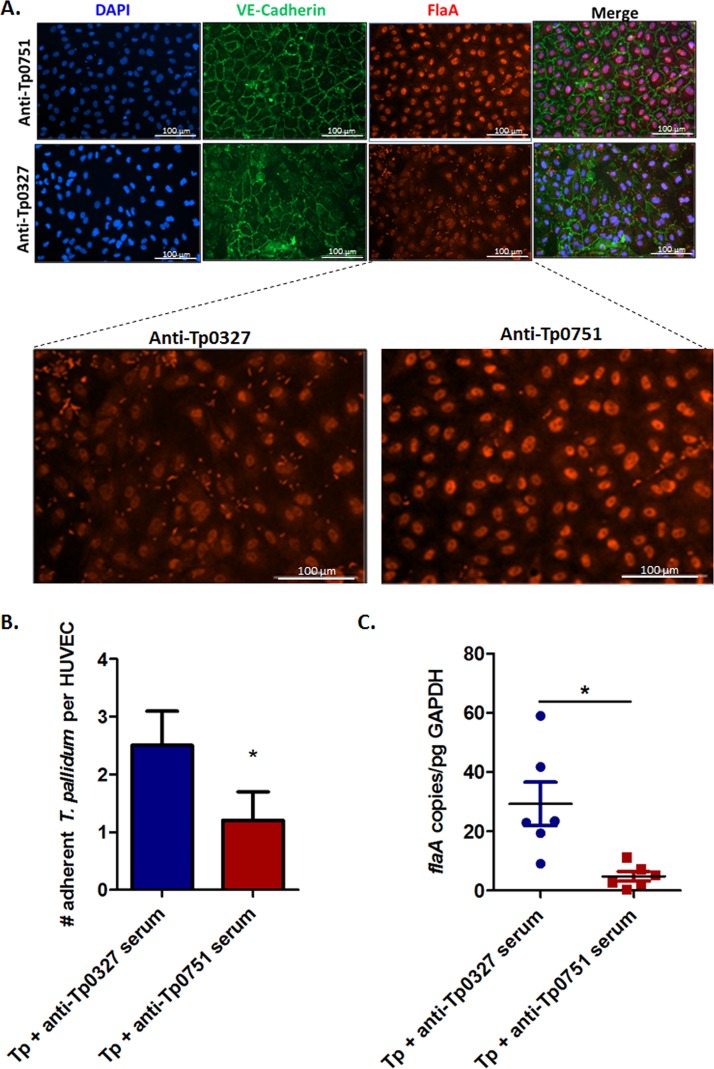
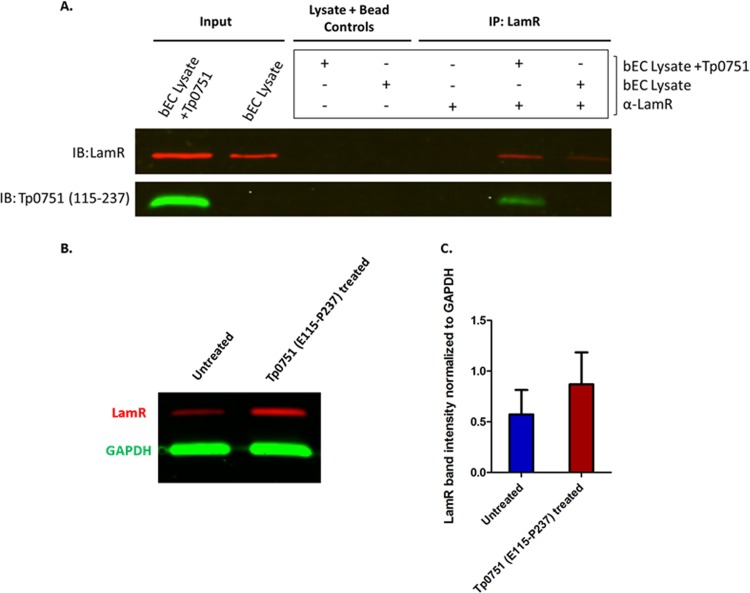
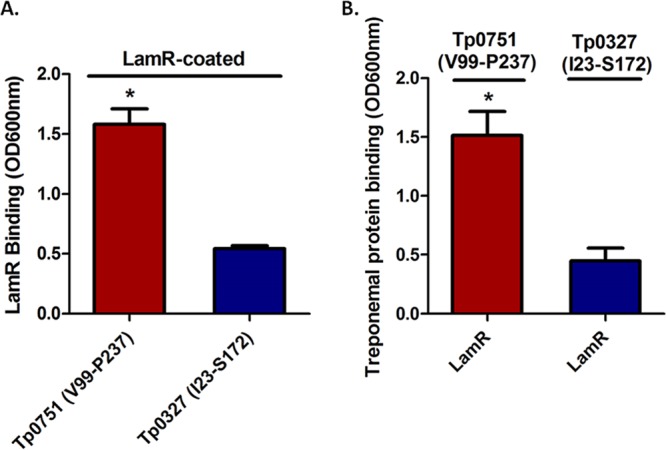
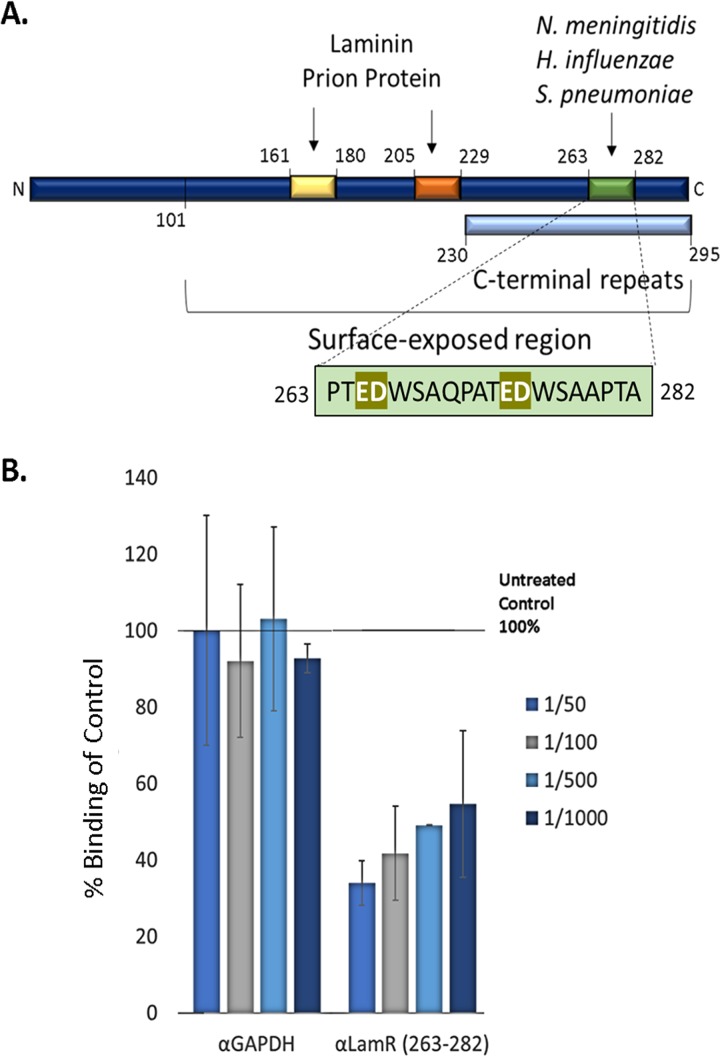
subsp. is the causative agent of syphilis, a human-specific sexually transmitted infection that causes a multistage disease with diverse clinical manifestations. undergoes rapid vascular dissemination to penetrate tissue, placental, and blood-brain barriers and gain access to distant tissue sites. The rapidity and extent of dissemination are well documented, but the molecular mechanisms have yet to be fully elucidated. One protein that has been shown to play a role in treponemal dissemination is Tp0751, a adhesin that interacts with host components found within the vasculature and mediates bacterial adherence to endothelial cells under shear flow conditions. In this study, we further explore the molecular interactions of Tp0751-mediated adhesion to the vascular endothelium. We demonstrate that recombinant Tp0751 adheres to human endothelial cells of macrovascular and microvascular origin, including a cerebral brain microvascular endothelial cell line. Adhesion assays using recombinant Tp0751 N-terminal truncations reveal that endothelial binding is localized to the lipocalin fold-containing domain of the protein. We also confirm this interaction using live and show that spirochete attachment to endothelial monolayers is disrupted by Tp0751-specific antiserum. Further, we identify the 67-kDa laminin receptor (LamR) as an endothelial receptor for Tp0751 using affinity chromatography, coimmunoprecipitation, and plate-based binding methodologies. Notably, LamR has been identified as a receptor for adhesion of other neurotropic invasive bacterial pathogens to brain endothelial cells, including , , and , suggesting the existence of a common mechanism for extravasation of invasive extracellular bacterial pathogens. Syphilis is a sexually transmitted infection caused by the spirochete bacterium subsp. The continued incidence of syphilis demonstrates that screening and treatment strategies are not sufficient to curb this infectious disease, and there is currently no vaccine available. Herein we demonstrate that the adhesin Tp0751 interacts with endothelial cells that line the lumen of human blood vessels through the 67-kDa laminin receptor (LamR). Importantly, LamR is also a receptor for meningitis-causing neuroinvasive bacterial pathogens such as , , and Our findings enhance understanding of the Tp0751 adhesin and present the intriguing possibility that the molecular events of Tp0751-mediated treponemal dissemination may mimic the endothelial interaction strategies of other invasive pathogens.
亚种是梅毒的病原体,梅毒是一种人类特有的性传播感染,可引起多阶段疾病,具有多种临床表现。亚种迅速通过血管扩散,穿透组织、胎盘和血脑屏障,并进入远处的组织部位。亚种的快速传播和程度得到了很好的证明,但分子机制尚未完全阐明。一种已被证明在梅毒螺旋体传播中起作用的蛋白质是 Tp0751,这是一种黏附素,与血管内发现的宿主成分相互作用,并介导细菌在剪切流条件下与内皮细胞的黏附。在这项研究中,我们进一步探索了 Tp0751 介导的与血管内皮黏附的分子相互作用。我们证明重组 Tp0751 黏附于大血管和微血管来源的人内皮细胞,包括脑微血管内皮细胞系。使用重组 Tp0751 N 端截断物进行的黏附测定表明,内皮结合定位于蛋白质的脂钙蛋白折叠结构域。我们还使用活细胞证实了这种相互作用,并表明 Tp0751 特异性抗血清可破坏螺旋体附着在内皮单层上。此外,我们使用亲和层析、共免疫沉淀和基于平板的结合方法鉴定出 67 kDa 层粘连蛋白受体(LamR)作为 Tp0751 的内皮受体。值得注意的是,LamR 已被鉴定为其他神经侵袭性细菌病原体附着于脑内皮细胞的受体,包括 、 、和 ,这表明外渗神经侵袭性胞外细菌病原体的共同机制的存在。梅毒是一种由螺旋体亚种引起的性传播感染。梅毒的持续发病率表明,筛查和治疗策略不足以遏制这种传染病,目前尚无可用的疫苗。在此,我们证明了 黏附素 Tp0751 通过 67 kDa 层粘连蛋白受体(LamR)与人类血管腔衬里的内皮细胞相互作用。重要的是,LamR 也是脑膜炎引起的神经侵袭性细菌病原体如 、 、和 的受体。我们的发现增强了对 Tp0751 黏附素的理解,并提出了一个有趣的可能性,即 Tp0751 介导的梅毒螺旋体传播的分子事件可能模仿其他侵袭性病原体的内皮相互作用策略。