Wu Sirui, Ye Fei, Wang Yuanfang, Li Dongdong
Department of Laboratory Medicine, West China Hospital of Sichuan University, Chengdu, China.
Front Neurol. 2024 Jan 11;14:1340321. doi: 10.3389/fneur.2023.1340321. eCollection 2023.
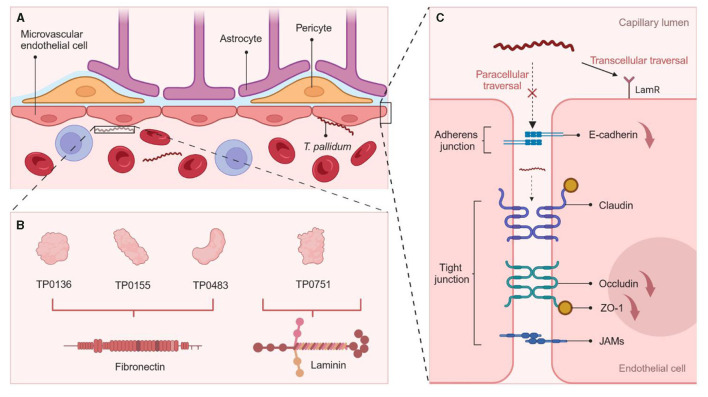
Invasion of the central nervous system by can occur at any stage of syphilis. In the event that is not cleared promptly, certain individuals may experience progression to neurosyphilis, which manifests as cognitive and behavioral abnormalities, limb paralysis, and potentially fatal outcomes. Early identification or prevention of neurosyphilis is therefore crucial. The aim of this paper is to conduct a critical and narrative review of the latest information focusing exclusively to the pathogenesis and clinical management of neurosyphilis.
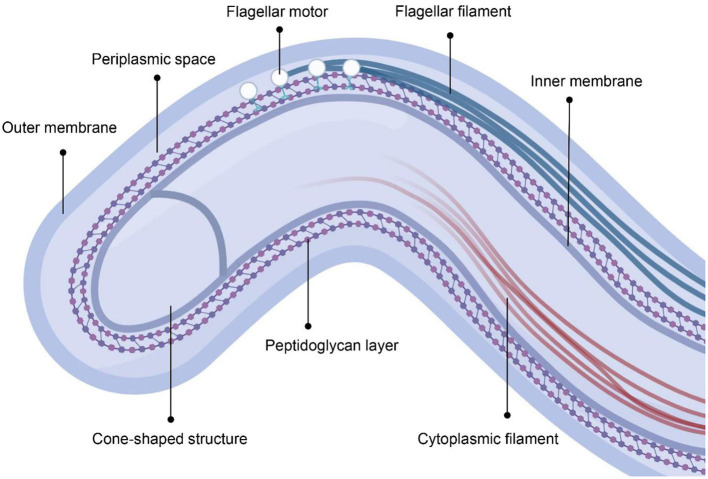
To compile this review, we have conducted electronic literature searches from the PubMed database relating to neurosyphilis. Priority was given to studies published from the past 10 years (from 2013 to 2023) and other studies if they were of significant importance (from 1985 to 2012), including whole genome sequencing results, cell structure of , history of genotyping, and other related topics. These studies are classic or reflect a developmental process.
Neurosyphilis has garnered global attention, yet susceptibility to and the pathogenesis of this condition remain under investigation. Cerebrospinal fluid examination plays an important role in the diagnosis of neurosyphilis, but lacks the gold standard. Intravenous aqueous crystalline penicillin G continues to be the recommended therapeutic approach for neurosyphilis. Considering its sustained prominence, it is imperative to develop novel public health tactics in order to manage the resurgence of neurosyphilis.
This review gives an updated narrative description of neurosyphilis with special emphasis on its pathogenesis, susceptibility, diagnosis, treatment, and prevention.
梅毒螺旋体可在梅毒的任何阶段侵犯中枢神经系统。若未及时清除,部分个体可能进展为神经梅毒,表现为认知和行为异常、肢体瘫痪,甚至可能导致致命后果。因此,早期识别或预防神经梅毒至关重要。本文旨在对有关神经梅毒发病机制和临床管理的最新信息进行批判性叙述性综述。
为撰写本综述,我们在PubMed数据库中进行了与神经梅毒相关的电子文献检索。优先检索过去10年(2013年至2023年)发表的研究,若其他研究(1985年至2012年)具有重要意义也纳入检索范围,包括全基因组测序结果、梅毒螺旋体的细胞结构、基因分型历史及其他相关主题。这些研究具有经典性或反映了一个发展过程。
神经梅毒已引起全球关注,但其易感性和发病机制仍在研究中。脑脊液检查在神经梅毒诊断中起重要作用,但缺乏金标准。静脉注射水溶性结晶青霉素G仍然是神经梅毒的推荐治疗方法。鉴于其持续的突出性,必须制定新的公共卫生策略以应对神经梅毒的再次流行。
本综述对神经梅毒进行了最新的叙述性描述,特别强调了其发病机制、易感性、诊断、治疗及预防。