Schopf Roland, Schork Nicolas, Amling Estelle, Nirschl Hermann, Guthausen Gisela, Kulozik Ulrich
Chair of Food and Bioprocess Engineering, Technical University of Munich, Weihenstephaner Berg 1, 85354 Freising, Germany.
Institute of Mechanical Process Engineering and Mechanics, Karlsruhe Institute of Technology (KIT), 76131 Karlsruhe, Germany.
Membranes (Basel). 2020 Mar 31;10(4):59. doi: 10.3390/membranes10040059.
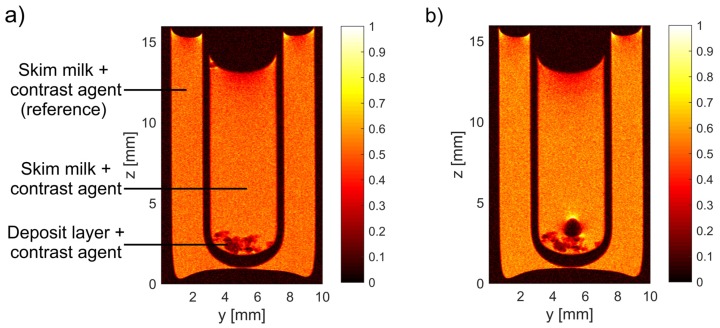
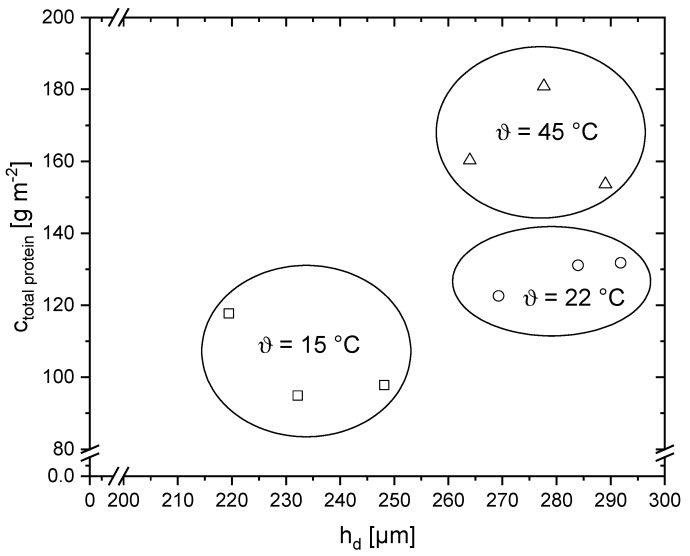
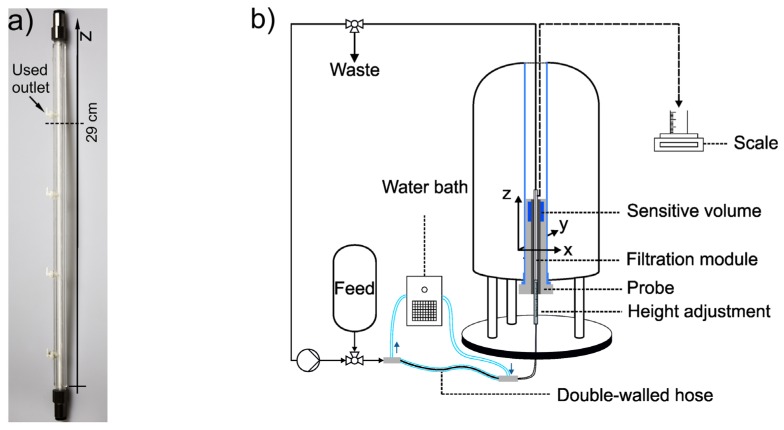
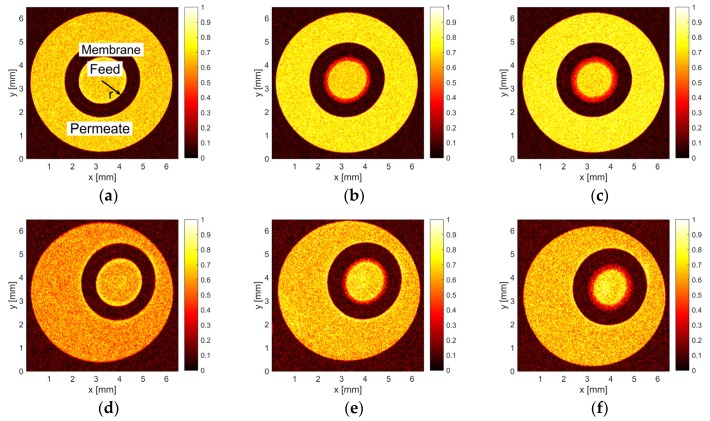
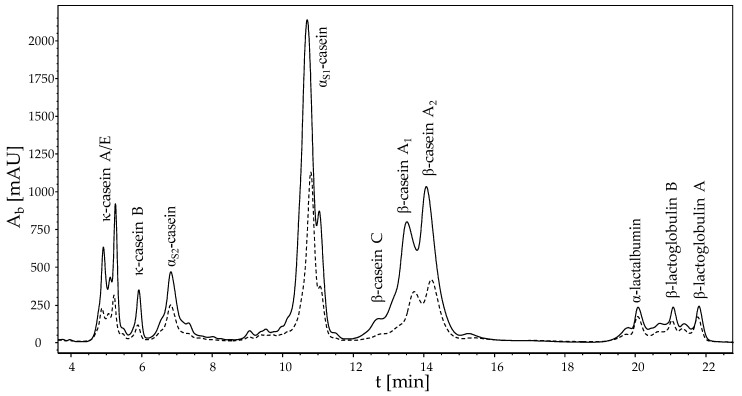
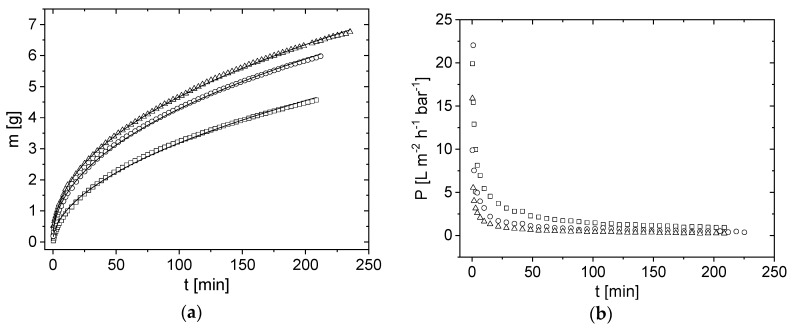
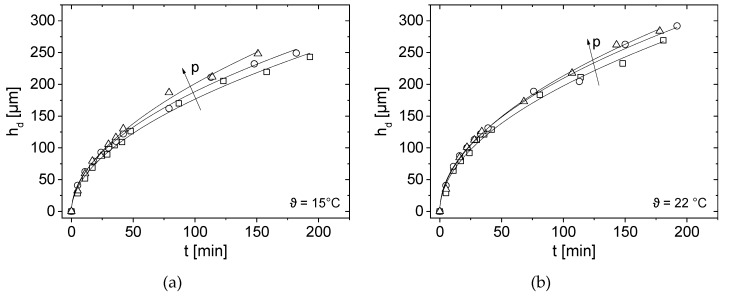
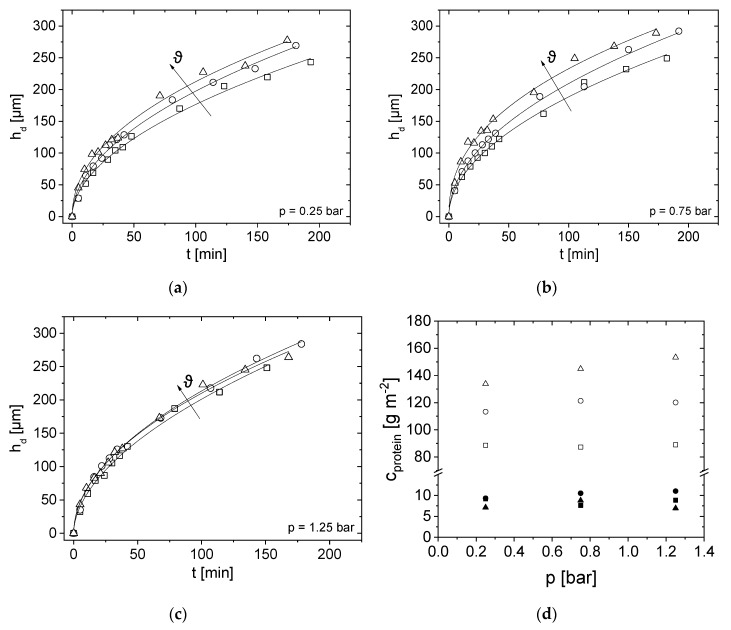
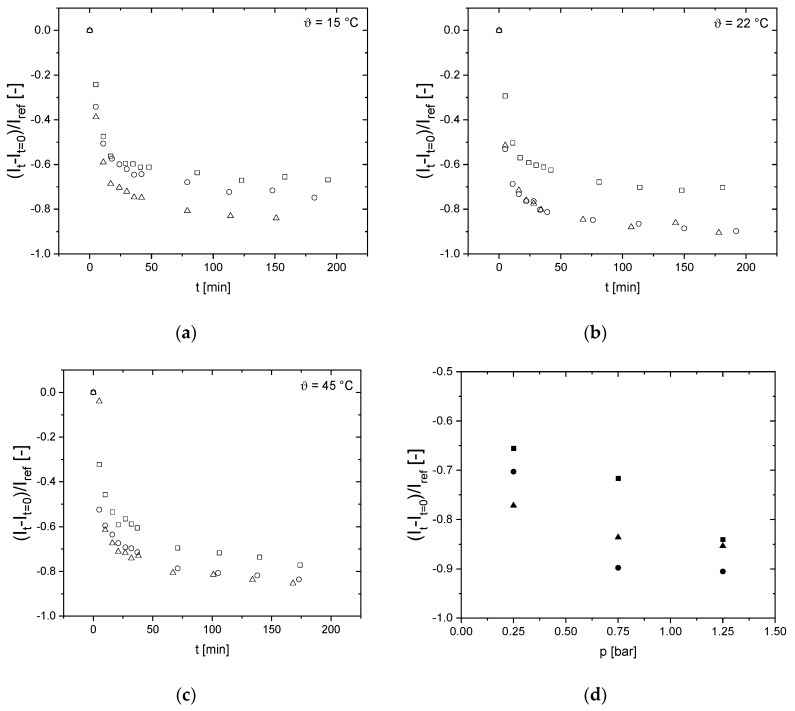
Milk protein fractionation by microfiltration membranes is an established but still growing field in dairy technology. Even under cross-flow conditions, this filtration process is impaired by the formation of a deposit by the retained protein fraction, mainly casein micelles. Due to deposition formation and consequently increased overall filtration resistance, the mass flow of the smaller whey protein fraction declines within the first few minutes of filtration. Currently, there are only a handful of analytical techniques available for the direct observation of deposit formation with opaque feed media and membranes. Here, we report on the ongoing development of a non-invasive and non-destructive method based on magnetic resonance imaging (MRI), and its application to characterise deposit layer formation during milk protein fractionation in ceramic hollow fibre membranes as a function of filtration pressure and temperature, temporally and spatially resolved. In addition, the chemical composition of the deposit was analysed by reversed phase high pressure liquid chromatography (RP-HPLC). We correlate the structural information gained by MRI with the protein amount and composition of the deposit layer obtained by RP-HPLC. We show that the combination of in-situ MRI and chemical analysis by RP-HPLC has the potential to allow for a better scientific understanding of the pressure and temperature dependence of deposit layer formation.
通过微滤膜进行乳蛋白分级分离是乳品技术中一个既定但仍在发展的领域。即使在错流条件下,这种过滤过程也会因被截留的蛋白质部分(主要是酪蛋白胶束)形成沉积物而受到影响。由于沉积物的形成以及随之而来的整体过滤阻力增加,较小的乳清蛋白部分的质量流量在过滤的最初几分钟内就会下降。目前,仅有少数几种分析技术可用于直接观察不透明进料介质和膜上沉积物的形成情况。在此,我们报告一种基于磁共振成像(MRI)的非侵入性和非破坏性方法的持续开发情况,及其在表征陶瓷中空纤维膜中乳蛋白分级分离过程中沉积物层形成方面的应用,该应用可实现对过滤压力和温度的时空分辨。此外,通过反相高压液相色谱(RP-HPLC)分析了沉积物的化学成分。我们将通过MRI获得的结构信息与通过RP-HPLC获得的沉积物层的蛋白量和组成相关联。我们表明,原位MRI与RP-HPLC化学分析相结合,有可能更好地从科学角度理解沉积物层形成对压力和温度的依赖性。