Institute of Medical Molecular Biotechnology, Faculty of Medicine, Universiti Teknologi MARA, Cawangan Selangor, 47000, Sungai Buloh, Selangor, Malaysia.
Centre of Preclinical Sciences Studies, Faculty of Dentistry, Universiti Teknologi MARA, Cawangan Selangor, 47000, Sungai Buloh, Selangor, Malaysia.
Sci Rep. 2020 Apr 3;10(1):5882. doi: 10.1038/s41598-020-62420-1.
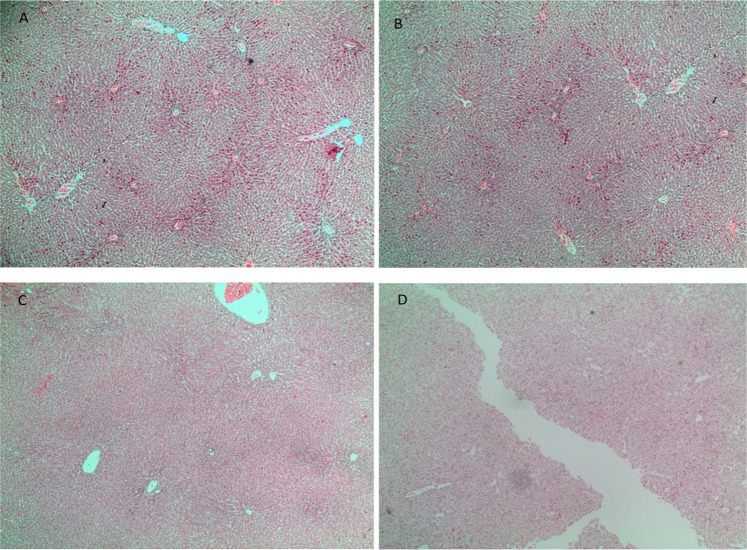
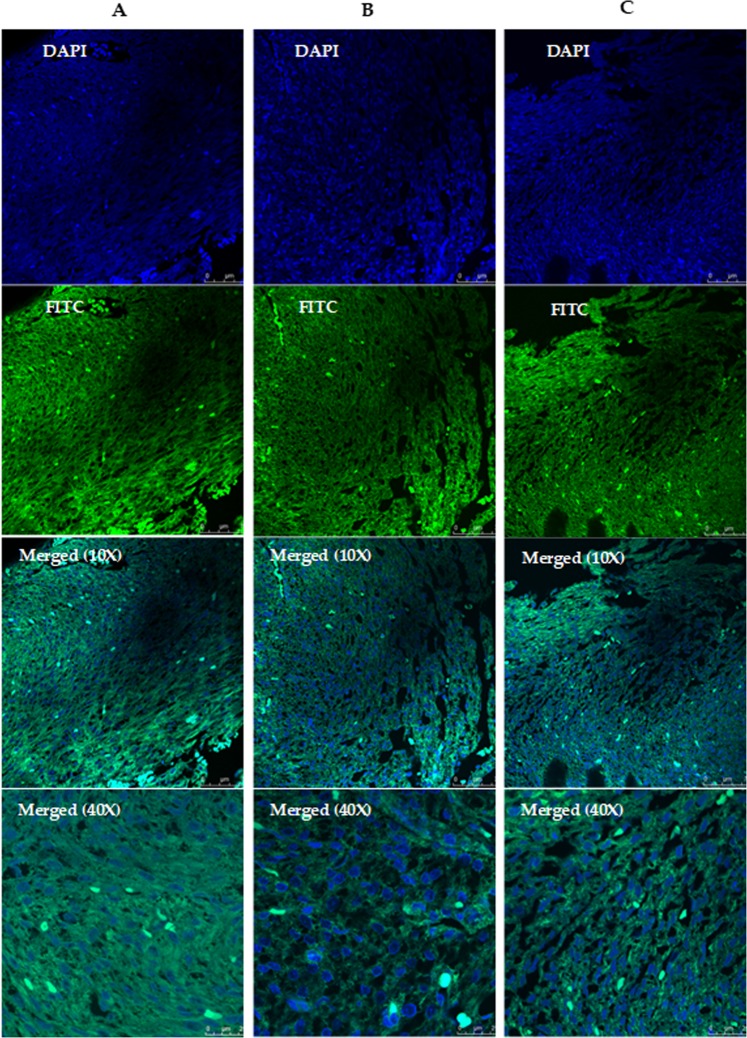
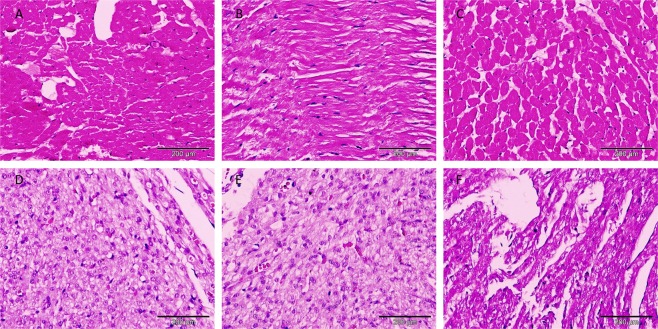
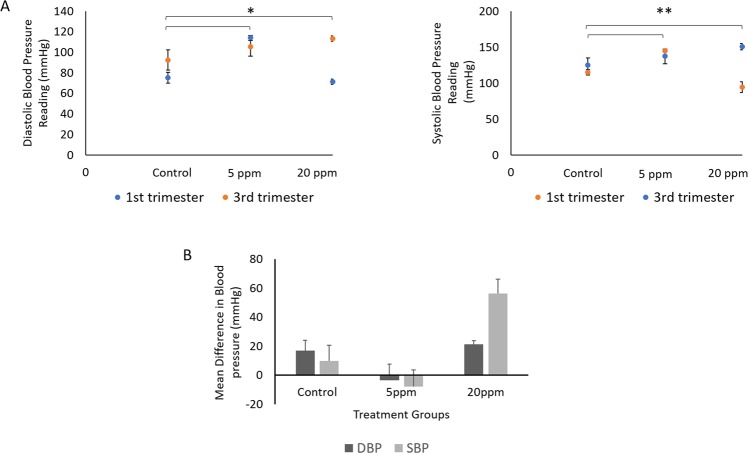
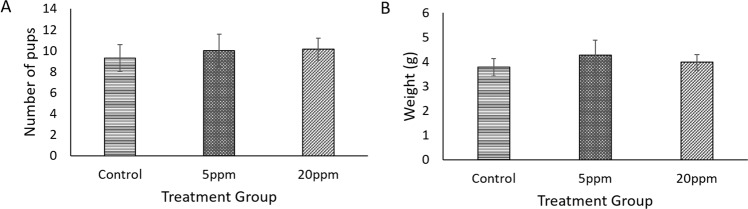
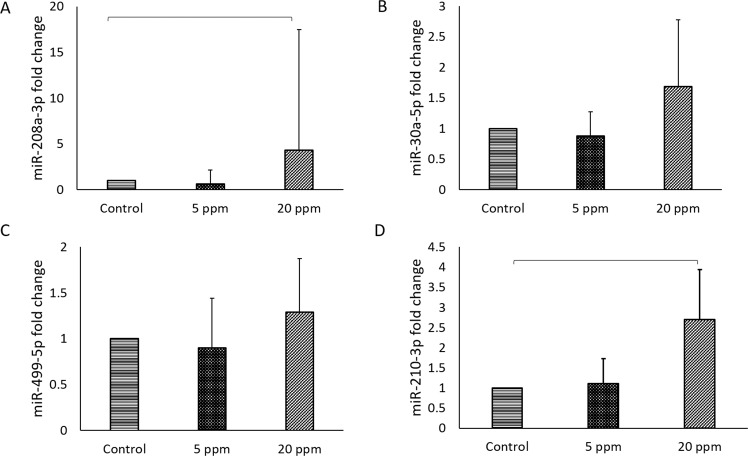
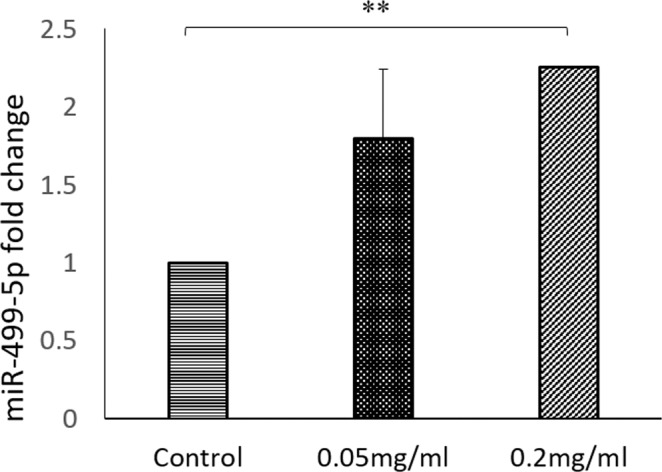
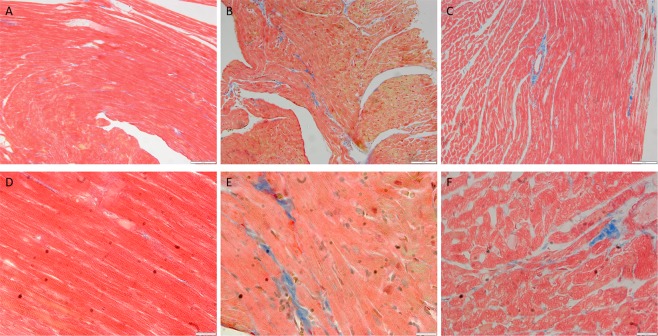
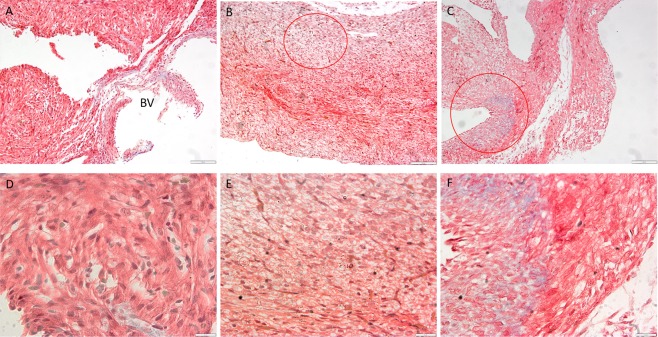
This study aimed to examine the impact of BPA exposure on pregnancy and foetuses on cardiac tissues and the expression of cardiac microRNAs (miRNAs) related to heart development and diseases. Pregnancy is known to be the "critical windows" in determining the offspring physical and cells development in their life after birth. The increment of the risk of cardiovascular disease (CVD) in a later stage of life has been reported by few studies demonstrated from prenatal exposure of BPA. BPA has been shown to alter miRNAs expression profiles for organ development, regeneration and metabolic functions. These alterations have been associated with the risk of CVDs. However, the associations between pregnancy outcomes and miRNAs expression in cardiac of mother- and foetuses-exposed to BPA are still not entirely explored. In BPA-exposed pregnant rat groups, a significant weight gained was observed in comparison to control (p < 0.05). Interestingly, significant changes in systolic and diastolic blood pressure between the first and third trimester of BPA-exposed pregnant rats were also observed (p < 0.05). In BPA-exposed pregnant rats, miR-499-5p was significantly altered in the heart (p < 0.01). Meanwhile, altered miR-17-5p, -208-3p, and -210-3p expressions were observed in all heart of the foetuses from BPA-exposed pregnant rats (p < 0.05). In H&E staining, BPA-exposed foetal hearts showed a sign of fibrosis while BPA-exposed pregnant rats showed muscle remnant. Masson trichrome staining further confirmed the presence of fibrosis observed in BPA-exposed foetal heart and reduced expression of cardiac troponin I (cTnI) was also observed in BPA-exposed foetal heart. In summary, altered cardiac miRNAs with histological changes were observed in both mother- and foetus-exposed BPA These findings put forward the importance of future work to further understand how prenatal BPA exposure affect foetuses in their later stage of life.
本研究旨在探讨 BPA 暴露对妊娠和胎儿心脏组织的影响,以及与心脏发育和疾病相关的心脏 microRNAs(miRNAs)的表达。众所周知,妊娠是决定后代出生后身体和细胞发育的“关键窗口期”。已有研究表明,BPA 产前暴露会增加生命后期心血管疾病(CVD)的风险。BPA 已被证明会改变 miRNA 对器官发育、再生和代谢功能的表达谱。这些改变与 CVD 风险有关。然而,BPA 暴露的母亲和胎儿心脏中 miRNA 表达与妊娠结局之间的关联尚未完全探索。在 BPA 暴露的孕鼠组中,与对照组相比,体重显著增加(p<0.05)。有趣的是,还观察到 BPA 暴露孕鼠在第一和第三孕期之间的收缩压和舒张压有显著变化(p<0.05)。在 BPA 暴露的孕鼠心脏中,miR-499-5p 显著改变(p<0.01)。同时,还观察到所有 BPA 暴露孕鼠胎儿心脏中的 miR-17-5p、-208-3p 和 -210-3p 表达改变(p<0.05)。在 H&E 染色中,BPA 暴露的胎儿心脏显示出纤维化的迹象,而 BPA 暴露的孕鼠显示出肌肉残余。Masson 三色染色进一步证实了在 BPA 暴露的胎儿心脏中观察到的纤维化的存在,并且还观察到 BPA 暴露的胎儿心脏中心脏肌钙蛋白 I(cTnI)的表达降低。总之,在 BPA 暴露的母亲和胎儿中观察到心脏 miRNA 改变与组织学变化。这些发现提出了未来工作的重要性,以进一步了解产前 BPA 暴露如何影响胎儿在生命后期的健康。