Bolton David A E, Mansour Mahmoud
Department of Kinesiology & Health Science, Utah State University;
Department of Electrical & Computer Engineering, Utah State University.
J Vis Exp. 2020 Mar 19(157). doi: 10.3791/60688.
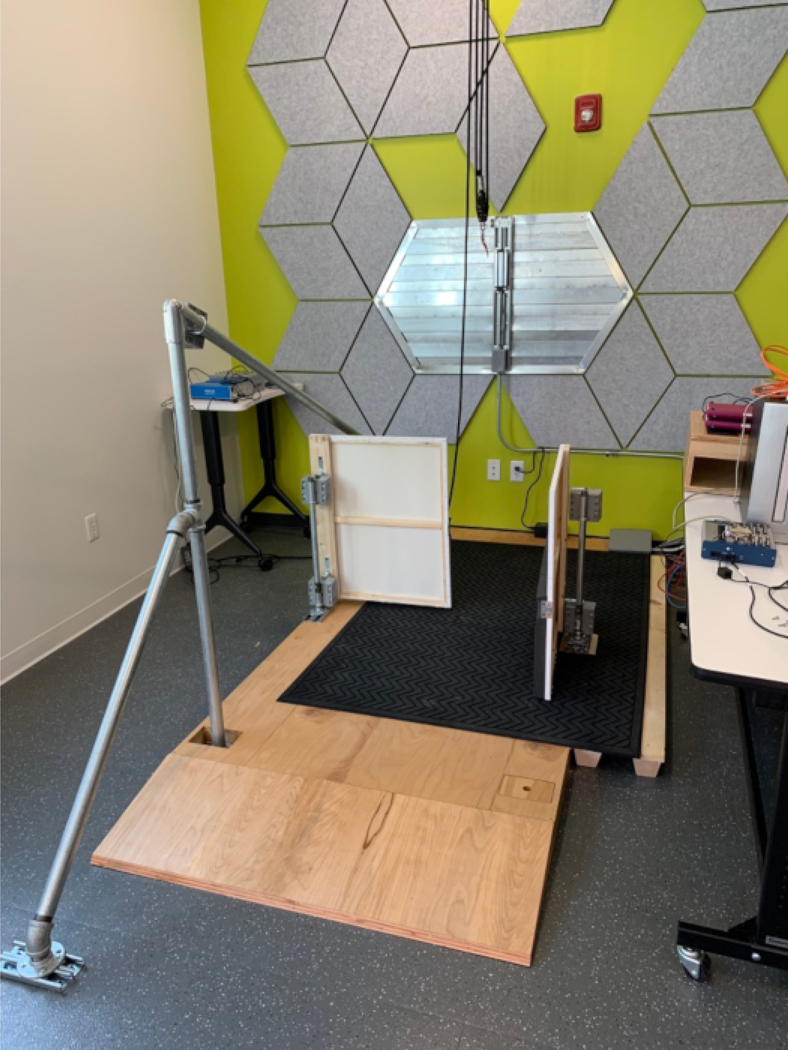
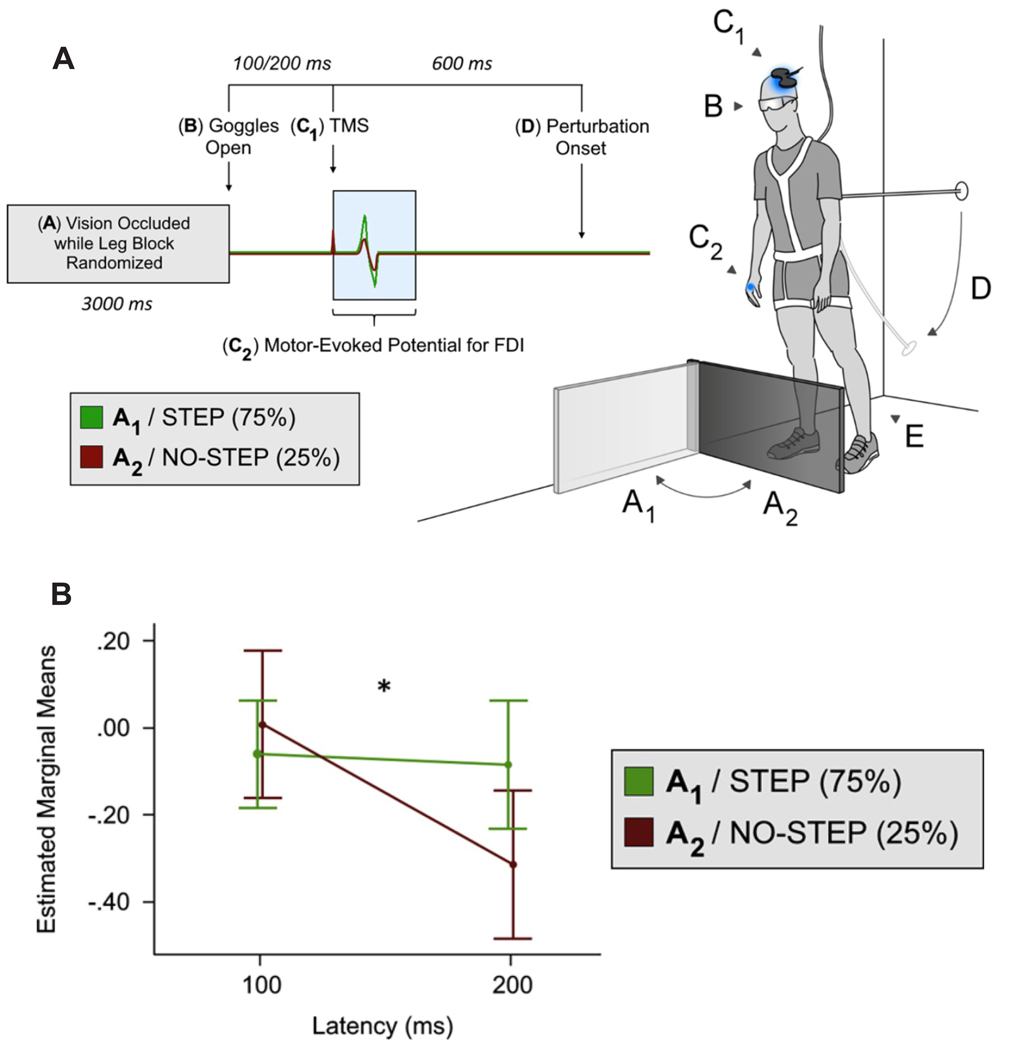
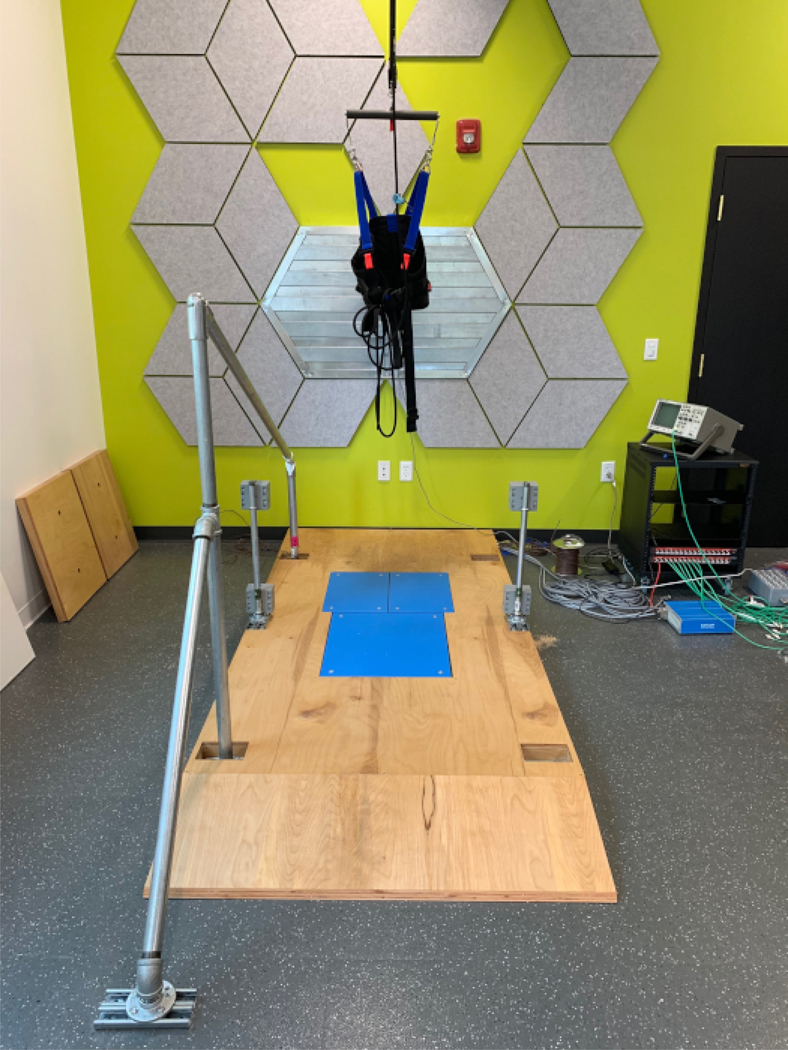
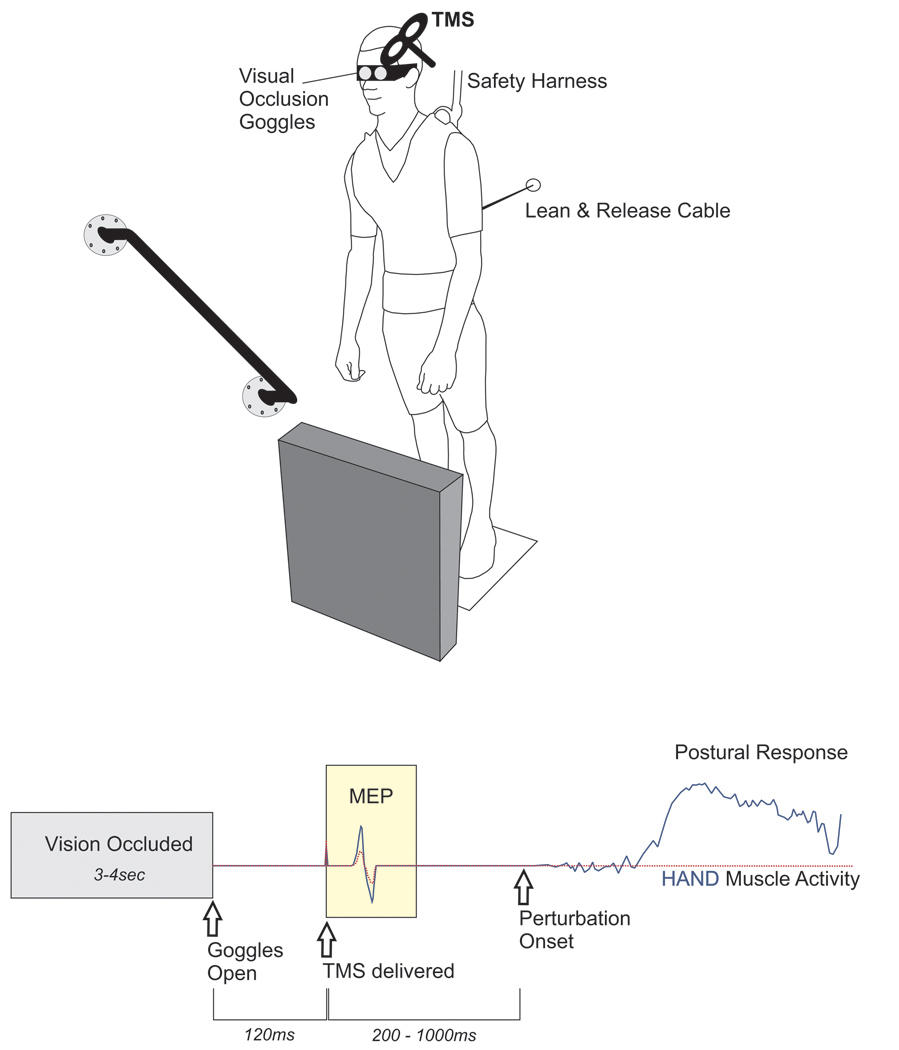
Assessment of reactive balance traditionally imposes some type of perturbation to upright stance or gait followed by measurement of the resultant corrective behavior. These measures include muscle responses, limb movements, ground reaction forces, and even direct neurophysiological measures such as electroencephalography. Using this approach, researchers and clinicians can infer some basic principles regarding how the nervous system controls balance to avoid a fall. One limitation with the way in which these assessments are currently used is that they heavily emphasize reflexive actions without any need to revise automatic postural reactions. Such an exclusive focus on these highly stereotypical reactions would fail to adequately address how we can modify these reactions should the need arise (e.g., avoiding an obstacle with a recovery step). This would appear to be a glaring omission when one considers the enormous complexity of the environments we face daily. Overall, the status quo when evaluating the neural control of balance fails to truly expose how higher brain resources contribute to preventing falls in complex settings. The present protocol offers a way to require suppression of automatic, but inappropriate corrective balance reactions, and force a selection among alternative action choices to successfully recover balance following postural perturbation.
传统上,反应性平衡评估会对直立姿势或步态施加某种类型的扰动,然后测量由此产生的纠正行为。这些测量包括肌肉反应、肢体运动、地面反作用力,甚至直接的神经生理学测量,如脑电图。通过这种方法,研究人员和临床医生可以推断出一些关于神经系统如何控制平衡以避免跌倒的基本原理。目前这些评估方法的一个局限性在于,它们严重强调反射性动作,而无需修正自动姿势反应。这种对这些高度刻板反应的排他性关注无法充分解决在需要时我们如何修改这些反应的问题(例如,通过恢复步避开障碍物)。当人们考虑到我们每天所面临的环境的巨大复杂性时,这似乎是一个明显的遗漏。总体而言,评估平衡的神经控制时的现状未能真正揭示高等脑资源如何在复杂环境中有助于预防跌倒。本方案提供了一种方法,要求抑制自动但不适当的纠正平衡反应,并迫使在替代动作选择中进行选择,以在姿势扰动后成功恢复平衡。