
中国 COVID-19 疫情的空间流行动态。
Spatial epidemic dynamics of the COVID-19 outbreak in China.
机构信息
Department of Applied Statistics, Hanyang University, Seoul, Republic of Korea.
Department of Social and Preventive Medicine, Sungkyunkwan University School of Medicine, Suwon, Republic of Korea.
出版信息
Int J Infect Dis. 2020 May;94:96-102. doi: 10.1016/j.ijid.2020.03.076. Epub 2020 Apr 3.
BACKGROUND
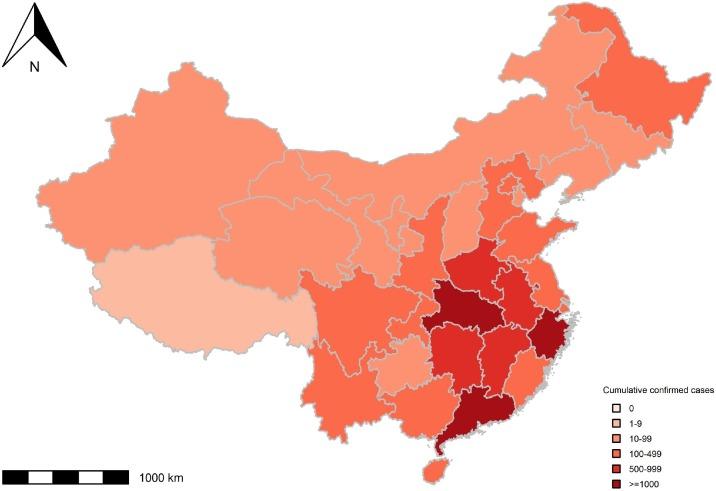
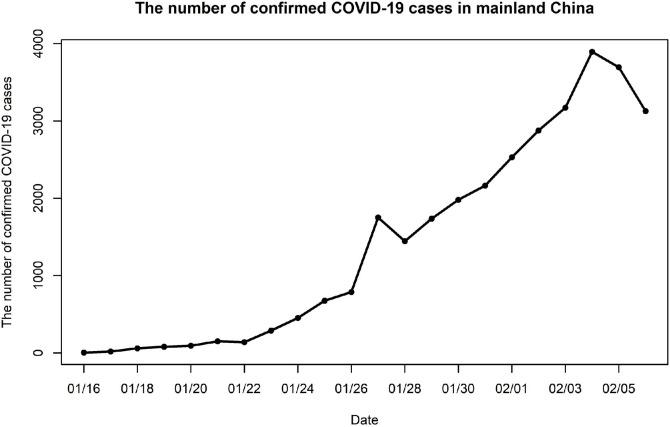
On 31 December 2019 an outbreak of COVID-19 in Wuhan, China, was reported. The outbreak spread rapidly to other Chinese cities and multiple countries. This study described the spatio-temporal pattern and measured the spatial association of the early stages of the COVID-19 epidemic in mainland China from 16 January-06 February 2020.
METHODS
This study explored the spatial epidemic dynamics of COVID-19 in mainland China. Moran's I spatial statistic with various definitions of neighbours was used to conduct a test to determine whether a spatial association of the COVID-19 infections existed.
RESULTS
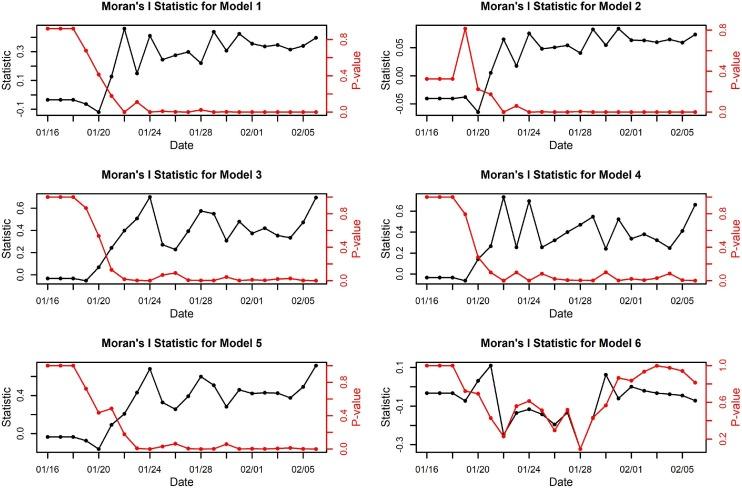
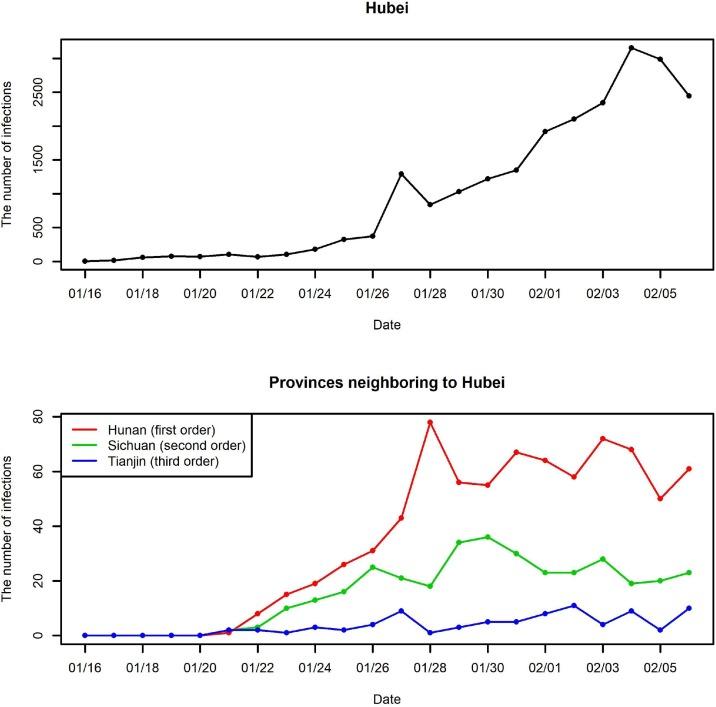
The spatial spread of the COVID-19 pandemic in China was observed. The results showed that most of the models, except medical-care-based connection models, indicated a significant spatial association of COVID-19 infections from around 22 January 2020.
CONCLUSIONS
Spatial analysis is of great help in understanding the spread of infectious diseases, and spatial association was the key to the spatial spread during the early stages of the COVID-19 pandemic in mainland China.
背景
2019 年 12 月 31 日,中国武汉报告了 COVID-19 疫情的爆发。疫情迅速蔓延到中国其他城市和多个国家。本研究描述了 COVID-19 在中国大陆从 2020 年 1 月 16 日至 2 月 6 日的早期阶段的时空模式,并测量了其空间关联性。
方法
本研究探讨了 COVID-19 在中国大陆的空间流行动态。使用各种邻域定义的 Moran's I 空间统计量进行检验,以确定 COVID-19 感染是否存在空间关联。
结果
观察到 COVID-19 大流行在中国的空间传播。结果表明,除基于医疗保健的连接模型外,大多数模型都表明,从 2020 年 1 月 22 日左右开始,COVID-19 感染存在显著的空间关联。
结论
空间分析对理解传染病的传播具有重要帮助,空间关联是 COVID-19 在中国大陆早期流行期间空间传播的关键。
 Zotero 插件