Wang Fujiang, Li Ruiyan, Tu Pengfei, Chen Jianping, Zeng Kewu, Jiang Yong
State Key Laboratory of Natural and Biomimetic Drugs, School of Pharmaceutical Sciences, Peking University, Beijing, China.
Department of Pharmacology, Changzhi Medical College, Shanxi, China.
Front Pharmacol. 2020 Mar 17;11:236. doi: 10.3389/fphar.2020.00236. eCollection 2020.
The traditional Chinese medicine has been reported to be valid for cardiovascular and cerebrovascular diseases. However, its active components for the protection of ischemic stroke are not clear. We aimed to explore the active components of against ischemic stroke as well as its potential mechanisms.
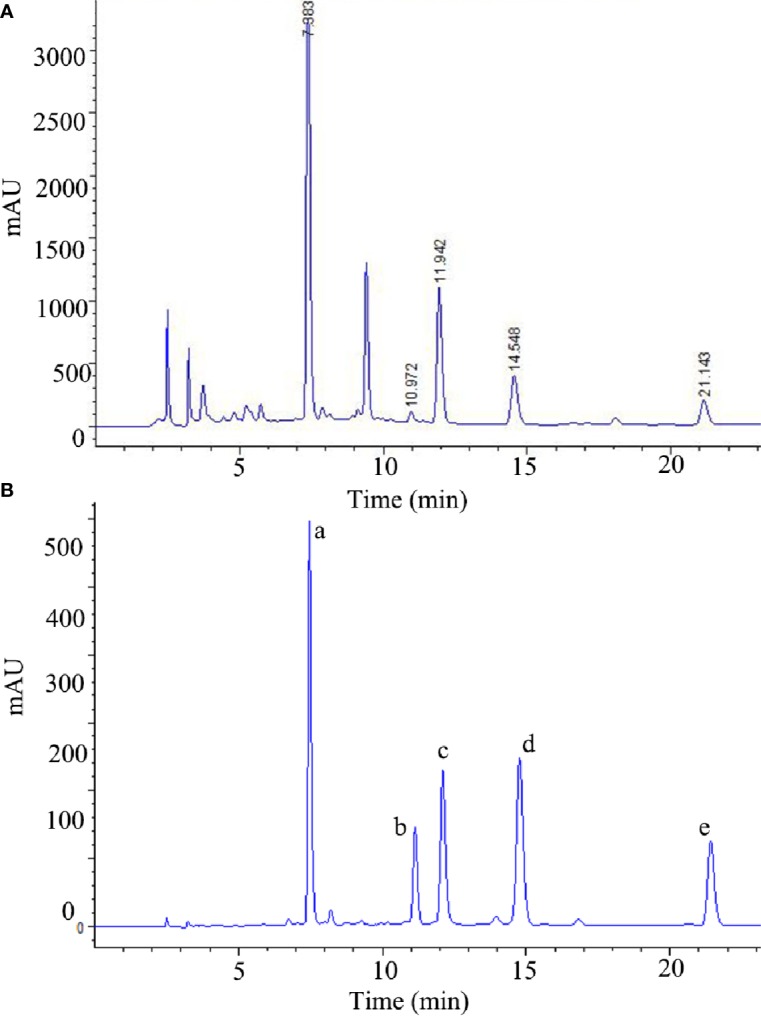
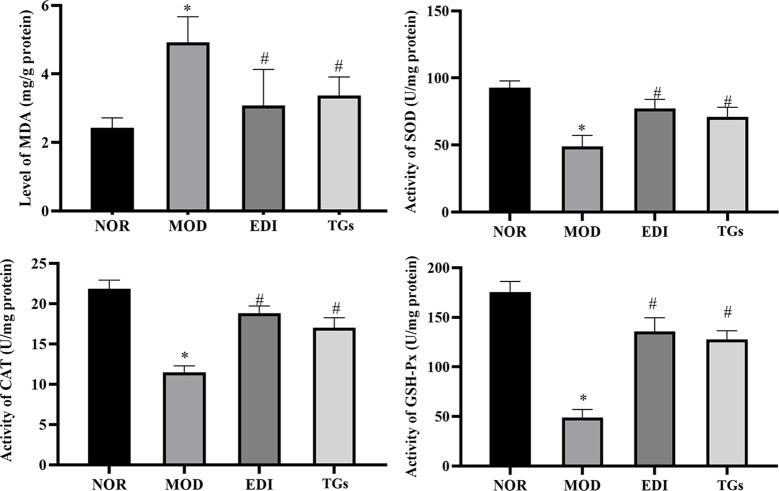
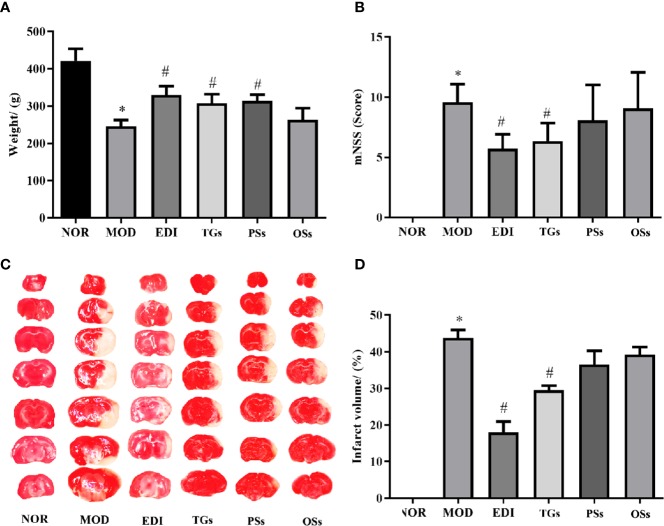
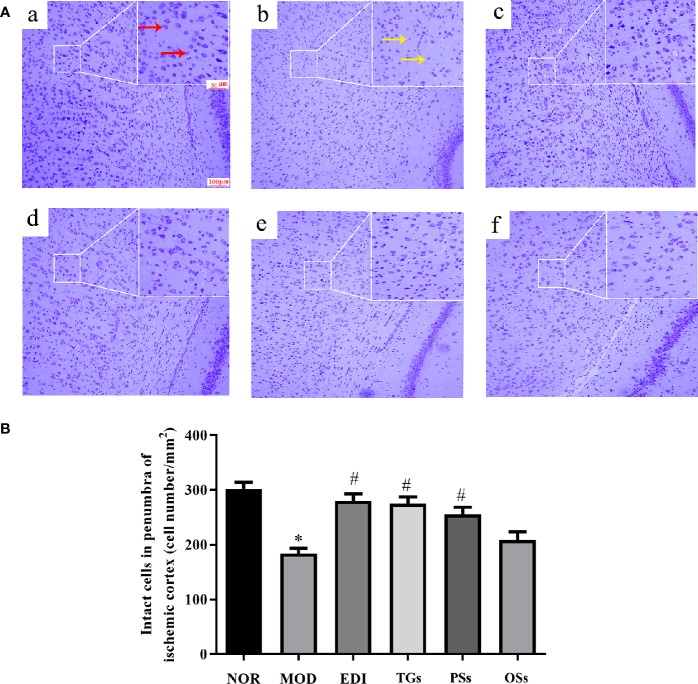
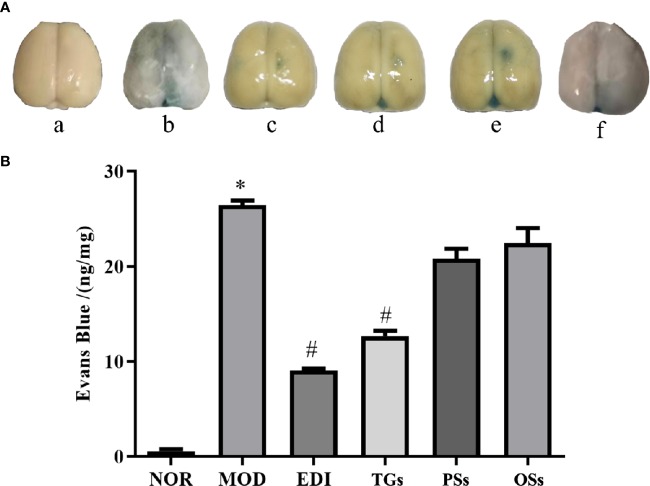
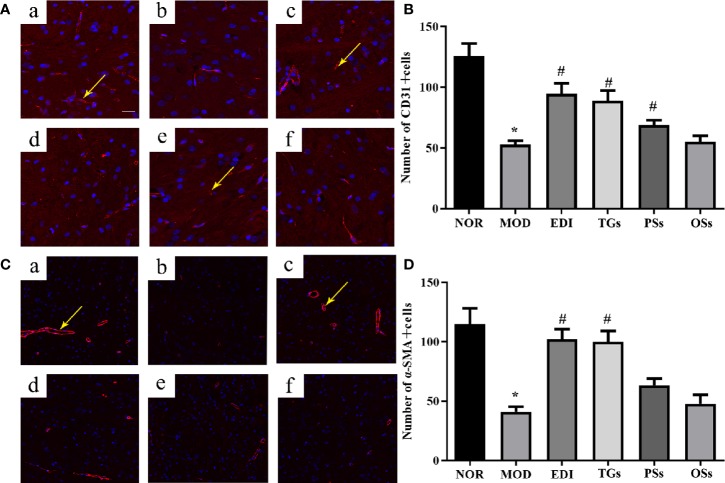
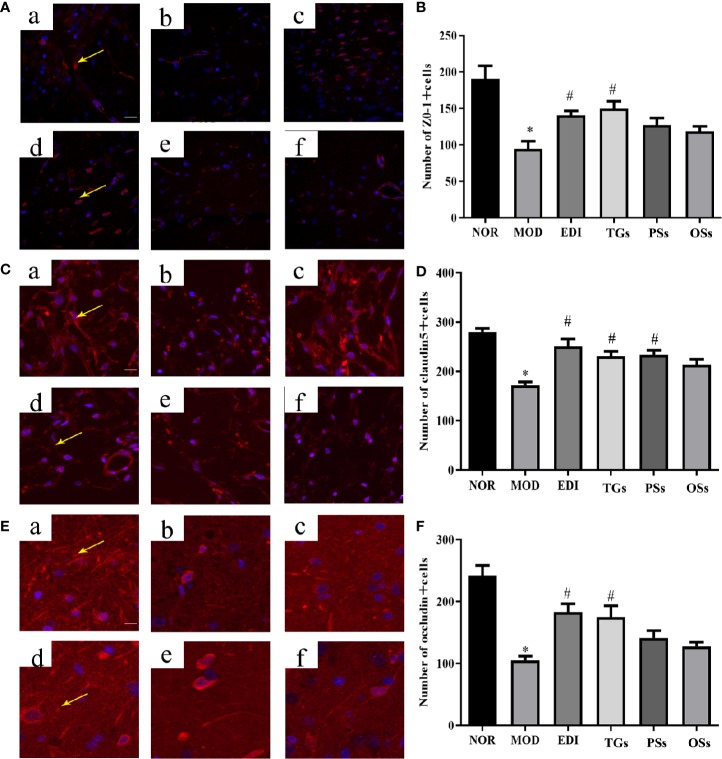
We investigated the brain protective effects of extracts from , total glycosides (TGs), polysaccharides (PSs), and oligosaccharides (OSs) in a rat model of middle cerebral artery occlusion-reperfusion (MCAO/R). 2, 3, 5-Triphenyltetrazolium chloride (TTC) staining was used to assess the cerebral infarction volume, and Evans blue assay was adopted to assess the blood-brain barrier (BBB) permeability. Then, the expressions CD31, α-SMA, PDGFRβ, SYN, PSD95, MAP-2, ZO-1, claudin-5, occludin, Keap-1, and Nrf-2 were analyzed using western blotting or immunofluorescence, and the activities MDA, SOD, CAT, and GSH-Px were analyzed using kits.
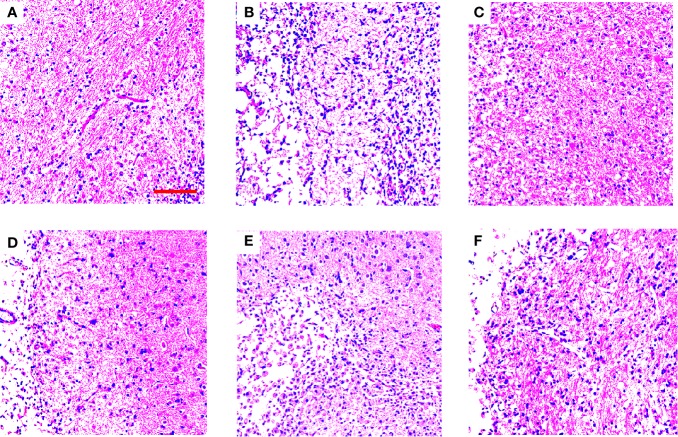
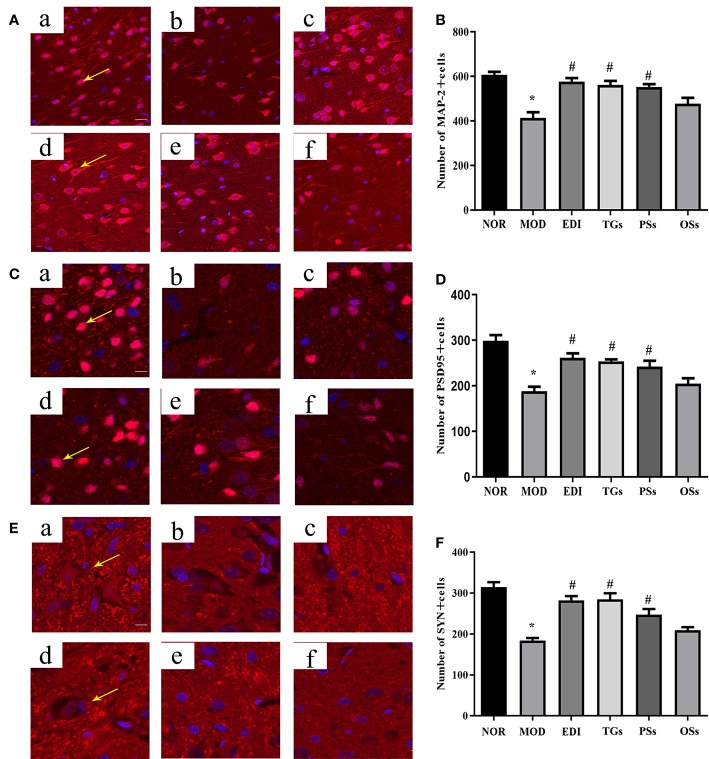
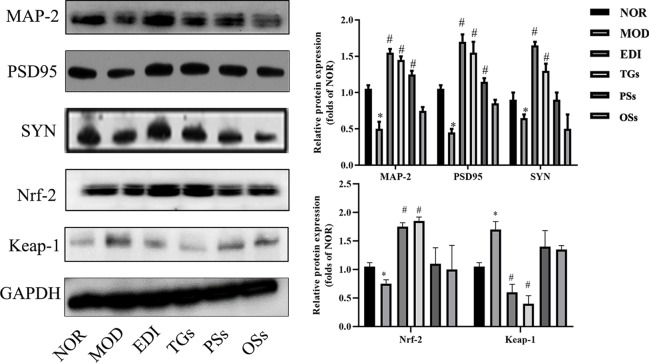
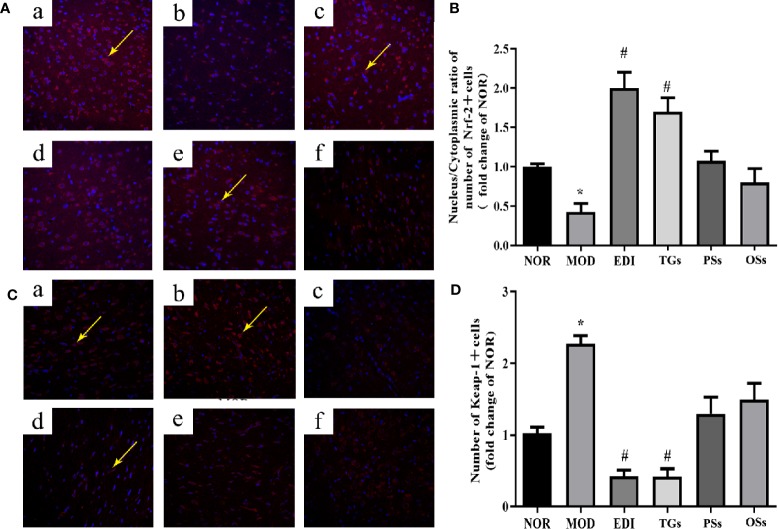
TGs treatment remarkably decreased neurological deficit scores and infarction volumes, promoted angiogenesis and neural remodeling, and effectively maintained blood-brain-barrier integrity compared with the model group. Furthermore, TGs significantly decreased MDA levels and increased antioxidant activities (SOD, CAT, and GSH-Px) in brains. Meanwhile, TGs remarkably downregulated Keap-1 expression and facilitated Nrf-2 nuclear translocation. On the contrary, no protective effects were observed for PSs and OSs groups.
TGs are the main active components of against MCAO/R-induced cerebral injury, and protection is mainly the Nrf-2/Keap-1 pathway.
据报道,中药对心脑血管疾病有效。然而,其保护缺血性中风的活性成分尚不清楚。我们旨在探索其抗缺血性中风的活性成分及其潜在机制。
我们在大鼠大脑中动脉闭塞-再灌注(MCAO/R)模型中研究了其提取物、总苷(TGs)、多糖(PSs)和寡糖(OSs)的脑保护作用。采用2,3,5-氯化三苯基四氮唑(TTC)染色评估脑梗死体积,采用伊文思蓝测定法评估血脑屏障(BBB)通透性。然后,使用蛋白质印迹法或免疫荧光法分析CD31、α-SMA、PDGFRβ、SYN、PSD95、MAP-2、ZO-1、claudin-5、occludin、Keap-1和Nrf-2的表达,并使用试剂盒分析MDA、SOD、CAT和GSH-Px的活性。
与模型组相比,TGs治疗显著降低神经功能缺损评分和梗死体积,促进血管生成和神经重塑,并有效维持血脑屏障完整性。此外,TGs显著降低大脑中MDA水平并提高抗氧化活性(SOD、CAT和GSH-Px)。同时,TGs显著下调Keap-1表达并促进Nrf-2核转位。相反,PSs和OSs组未观察到保护作用。
TGs是其抗MCAO/R诱导的脑损伤的主要活性成分,其保护作用主要通过Nrf-2/Keap-1途径实现。