Geng Xiaofang, Guo Jianlin, Zhang Lu, Sun Jiyao, Zang Xiayan, Qiao Zhigang, Xu Cunshuan
Henan Key Laboratory of Immunology and Targeted Therapy, School of Laboratory Medicine, Xinxiang Medical University, Xinxiang, China.
State Key Laboratory Cultivation Base for Cell Differentiation Regulation, College of Life Sciences, Henan Normal University, Xinxiang, China.
Front Physiol. 2020 Mar 18;11:208. doi: 10.3389/fphys.2020.00208. eCollection 2020.
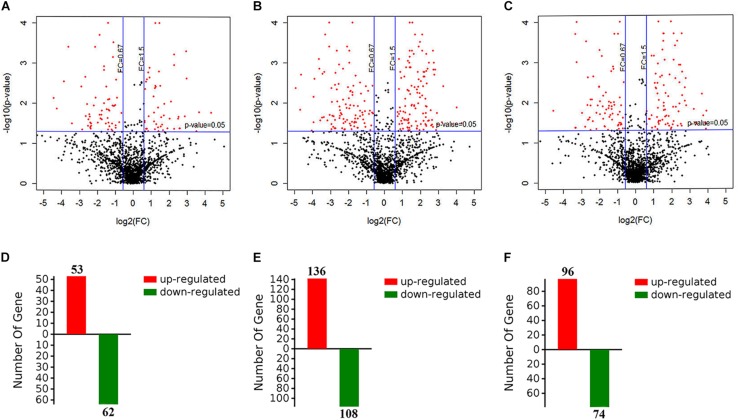
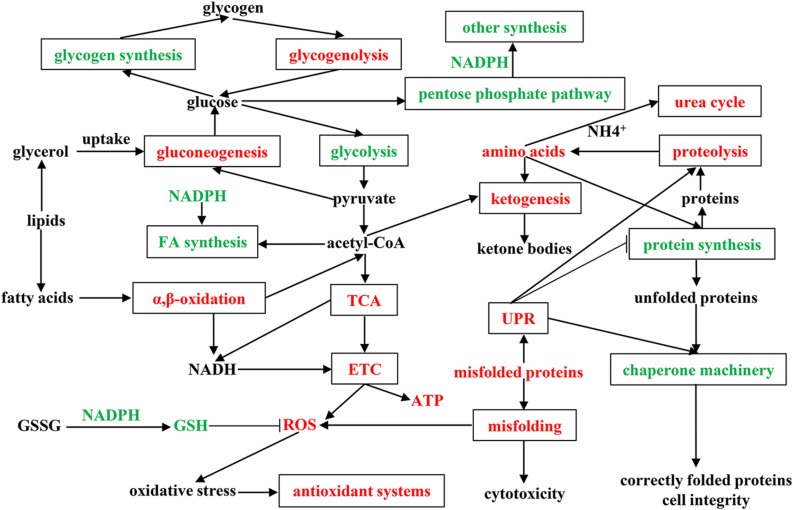
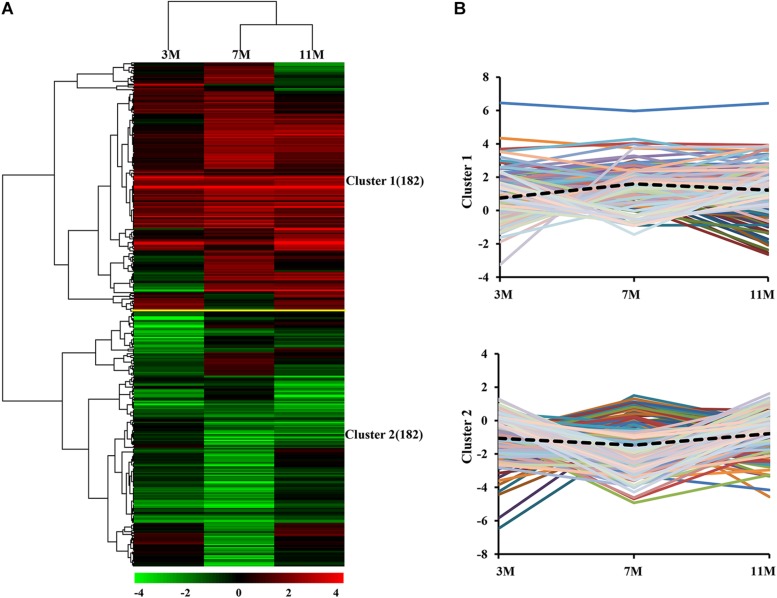
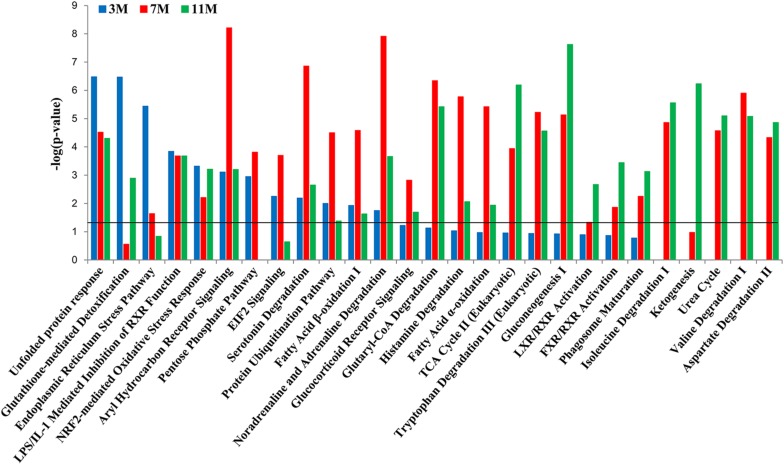
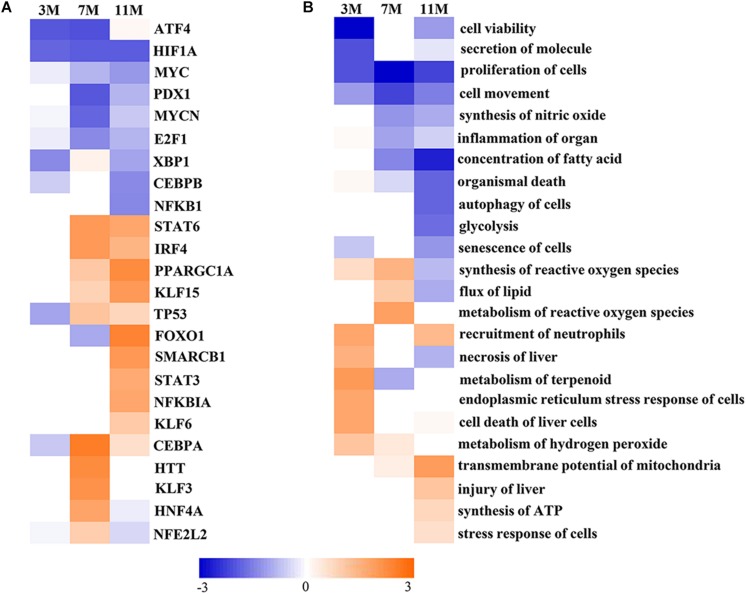
Chinese giant salamander has strong tolerance to starvation. Fasting triggers a complex array of adaptive metabolic responses, a process in which the liver plays a central role. Here, a high-throughput proteomic analysis was carried out on liver samples obtained from adult after 3, 7, and 11 months of fasting. As a result, the expression levels of 364 proteins were significantly changed in the fasted liver. Functional analysis demonstrated that the expression levels of key proteins involved in fatty acid oxidation, tricarboxylic acid cycle, gluconeogenesis, ketogenesis, amino acid oxidation, urea cycle, and antioxidant systems were increased in the fasted liver, especially at 7 and 11 months after fasting. In contrast, the expression levels of vital proteins involved in pentose phosphate pathway and protein synthesis were decreased after fasting. We also found that fasting not only activated fatty acid oxidation and ketogenesis-related transcription factors PPARA and PPARGC1A, but also activated gluconeogenesis-related transcription factors FOXO1, HNF4A, and KLF15. This study confirms the central role of lipid and acetyl-CoA metabolism in liver in response to fasting at the protein level and provides insights into the molecular mechanisms underlying the metabolic response of liver to fasting.
中国大鲵对饥饿具有很强的耐受性。禁食会引发一系列复杂的适应性代谢反应,在这个过程中肝脏起着核心作用。在此,对成年中国大鲵禁食3个月、7个月和11个月后获得的肝脏样本进行了高通量蛋白质组学分析。结果显示,禁食后肝脏中有364种蛋白质的表达水平发生了显著变化。功能分析表明,禁食后肝脏中参与脂肪酸氧化、三羧酸循环、糖异生、酮体生成、氨基酸氧化、尿素循环和抗氧化系统的关键蛋白质的表达水平有所增加,尤其是在禁食7个月和11个月时。相反,禁食后参与磷酸戊糖途径和蛋白质合成的重要蛋白质的表达水平下降。我们还发现,禁食不仅激活了脂肪酸氧化和酮体生成相关的转录因子PPARA和PPARGC1A,还激活了糖异生相关的转录因子FOXO1、HNF4A和KLF15。本研究在蛋白质水平上证实了肝脏中脂质和乙酰辅酶A代谢在应对禁食时的核心作用,并为肝脏对禁食的代谢反应的分子机制提供了见解。