The Early Life Research Unit, Division of Child Health, Obstetrics and Gynaecology, School of Medicine, University of Nottingham, Nottingham, United Kingdom.
School of Life Sciences, Queen's Medical Centre, University of Nottingham, Nottingham, United Kingdom.
Front Endocrinol (Lausanne). 2020 Mar 20;11:97. doi: 10.3389/fendo.2020.00097. eCollection 2020.
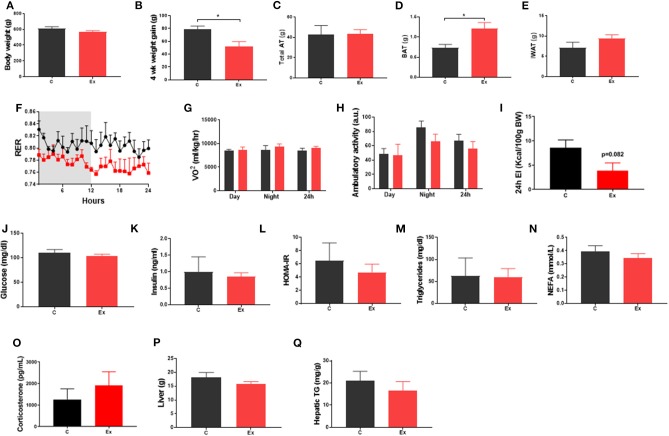
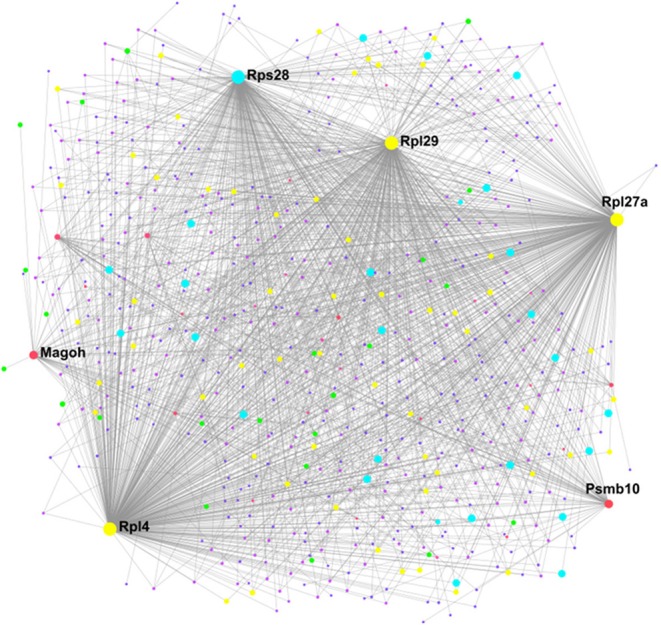
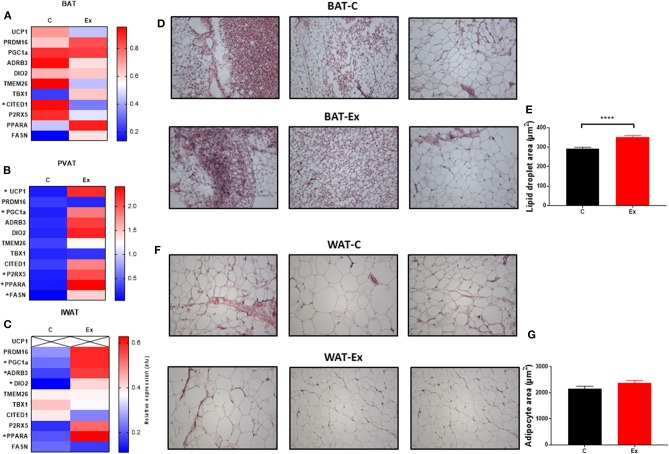
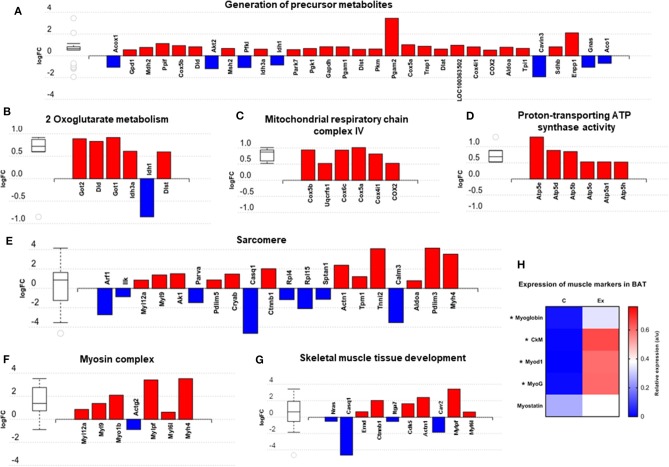
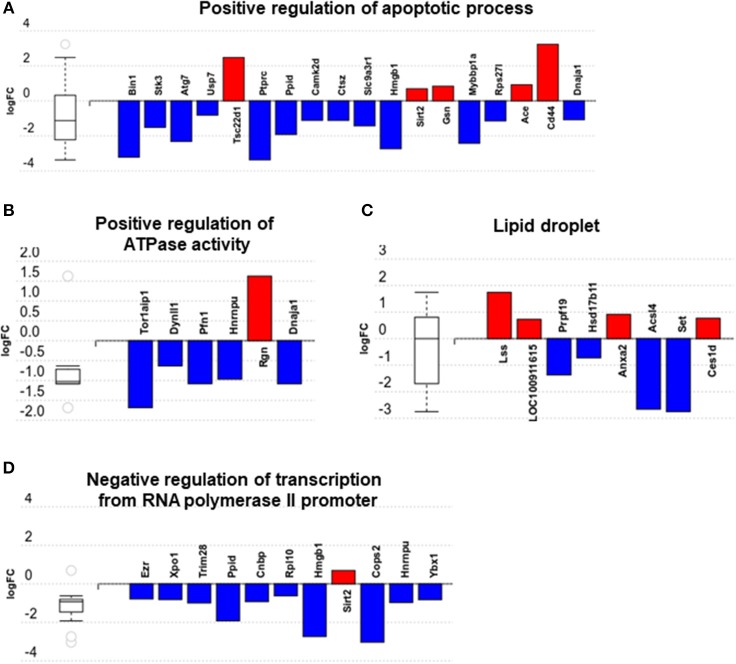
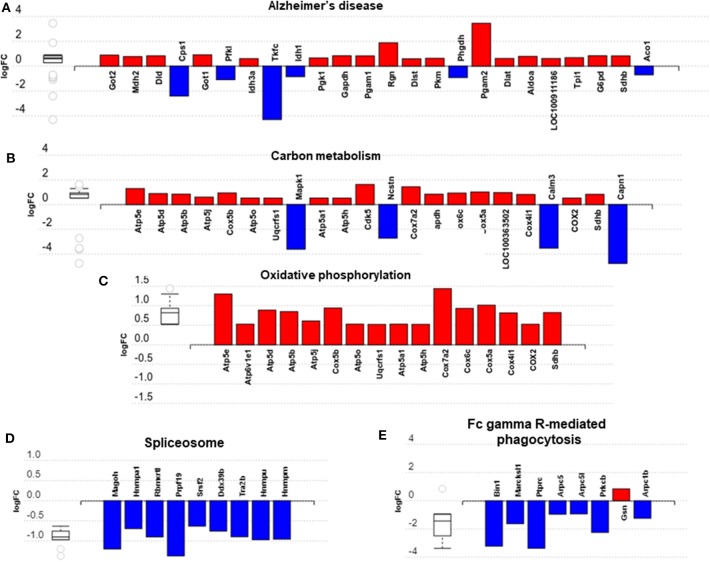
Exercise training elicits diverse effects on brown (BAT) and white adipose tissue (WAT) physiology in rodents housed below their thermoneutral zone (i.e., 28-32°C). In these conditions, BAT is chronically hyperactive and, unlike human residence, closer to thermoneutrality. Therefore, we set out to determine the effects of exercise training in obese animals at 28°C (i.e., thermoneutrality) on BAT and WAT in its basal (i.e., inactive) state. Sprague-Dawley rats ( = 12) were housed at thermoneutrality from 3 weeks of age and fed a high-fat diet. At 12 weeks of age half these animals were randomized to 4-weeks of swim-training (1 h/day, 5 days per week). Following a metabolic assessment interscapular and perivascular BAT and inguinal (I)WAT were taken for analysis of thermogenic genes and the proteome. Exercise attenuated weight gain but did not affect total fat mass or thermogenic gene expression. Proteomics revealed an impact of exercise training on 2-oxoglutarate metabolic process, mitochondrial respiratory chain complex IV, carbon metabolism, and oxidative phosphorylation. This was accompanied by an upregulation of multiple proteins involved in skeletal muscle physiology in BAT and an upregulation of muscle specific markers (i.e., Myod1, CkM, Mb, and MyoG). UCP1 mRNA was undetectable in IWAT with proteomics highlighting changes to DNA binding, the positive regulation of apoptosis, HIF-1 signaling and cytokine-cytokine receptor interaction. Exercise training reduced weight gain in obese animals at thermoneutrality and is accompanied by an oxidative signature in BAT which is accompanied by a muscle-like signature rather than induction of thermogenic genes. This may represent a new, UCP1-independent pathway through which BAT physiology is regulated by exercise training.
运动训练对处于热中性区(即 28-32°C)以下环境的啮齿动物棕色脂肪组织(BAT)和白色脂肪组织(WAT)的生理学产生多种影响。在这些条件下,BAT 持续过度活跃,与人类居住环境不同,更接近热中性。因此,我们着手确定在 28°C(即热中性)下对肥胖动物进行运动训练对其基础(即不活跃)状态下的 BAT 和 WAT 的影响。 Sprague-Dawley 大鼠(n=12)从 3 周龄起就被安置在热中性环境中,并喂食高脂肪饮食。在 12 周龄时,这些动物中的一半被随机分为 4 周的游泳训练(每天 1 小时,每周 5 天)。在代谢评估后,取肩胛间和血管周围 BAT 以及腹股沟(I)WAT 进行分析,以研究产热基因和蛋白质组。 运动训练减轻了体重增加,但对总脂肪量或产热基因表达没有影响。蛋白质组学揭示了运动训练对 2-氧戊二酸代谢过程、线粒体呼吸链复合物 IV、碳代谢和氧化磷酸化的影响。这伴随着 BAT 中参与骨骼肌生理学的多种蛋白质的上调以及肌肉特异性标志物(即 Myod1、CkM、Mb 和 MyoG)的上调。IWAT 中的 UCP1 mRNA 无法检测到,蛋白质组学强调了 DNA 结合、细胞凋亡的正调控、HIF-1 信号和细胞因子-细胞因子受体相互作用的变化。 运动训练减少了肥胖动物在热中性时的体重增加,并伴随着 BAT 中的氧化特征,同时伴随着肌肉样特征,而不是产热基因的诱导。这可能代表了一种新的、UCP1 独立的途径,通过该途径,运动训练调节 BAT 生理学。