Cardiovascular Pathology, Department of Cardiac, Thoracic, Vascular Sciences and Public Health, University of Padua, Padua, Italy.
Department of Radiological, Oncological and Pathological Sciences, Sapienza, University of Rome, Rome, Italy.
Virchows Arch. 2020 Jun;476(6):797-820. doi: 10.1007/s00428-020-02779-8. Epub 2020 Apr 7.
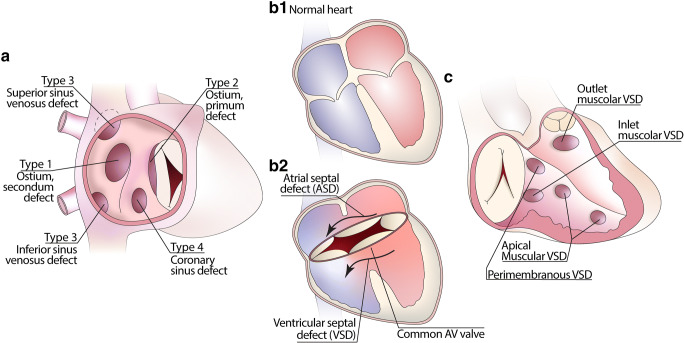
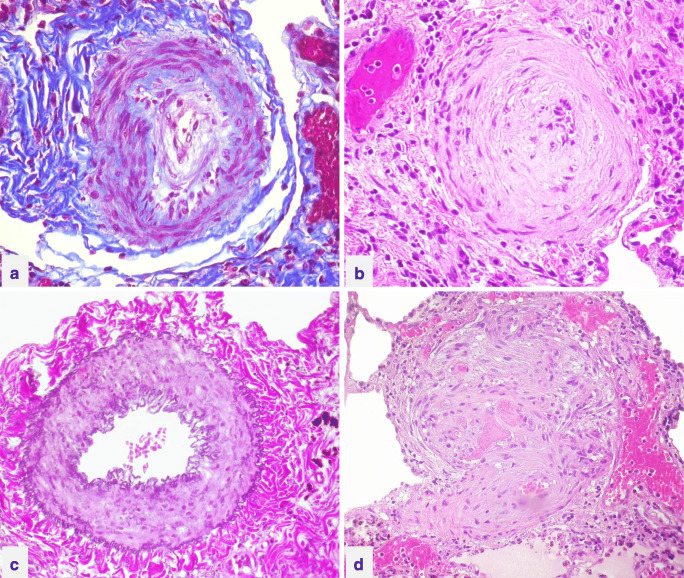
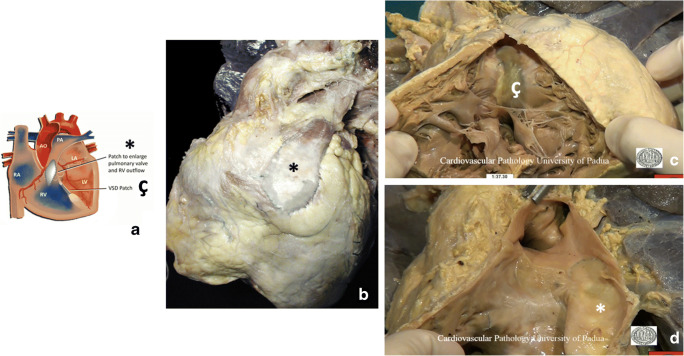
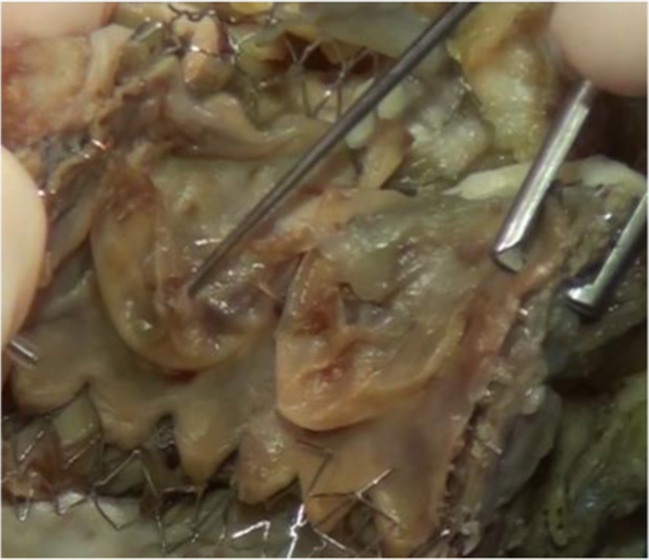
The adult congenital heart diseases (ACHD) population is exceeding the pediatric congenital heart diseases (CHD) population and is progressively expanding each year, representing more than 90% of patients with CHD. Of these, about 75% have undergone surgical and/or percutaneous intervention for palliation or correction. Autopsy can be a very challenging procedure in ACHD patients. The approach and protocol to be used may vary depending on whether the pathologists are facing native disease without surgical or percutaneous interventions, but with various degrees of cardiac remodeling, or previously palliated or corrected CHD. Moreover, interventions for the same condition have evolved over the last decades, as has perioperative myocardial preservations and postoperative care, with different long-term sequelae depending on the era in which patients were operated on. Careful clinicopathological correlation is, thus, required to assist the pathologist in performing the autopsy and reaching a diagnosis regarding the cause of death. Due to the heterogeneity of the structural abnormalities, and the wide variety of surgical and interventional procedures, there are no standard methods for dissecting the heart at autopsy. In this paper, we describe the most common types of CHDs that a pathologist could encounter at autopsy, including the various types of surgical and percutaneous procedures and major pathological manifestations. We also propose a practical systematic approach to the autopsy of ACHD patients.
成人先天性心脏病(ACHD)人群正在超过儿科先天性心脏病(CHD)人群,并且每年都在不断扩大,占 CHD 患者的 90%以上。其中,约 75%的患者已经接受了手术和/或经皮介入治疗以缓解或矫正病情。在 ACHD 患者中,尸检可能是一项极具挑战性的操作。所使用的方法和方案可能因病理学家所面临的情况而异,包括是否存在未经手术或经皮介入治疗但伴有不同程度的心脏重塑的原生疾病,或先前已得到缓解或矫正的 CHD。此外,针对同一病症的介入治疗在过去几十年中已经发生了演变,围手术期心肌保护和术后护理也发生了演变,不同的长期后果取决于患者接受手术的时代。因此,需要仔细的临床病理相关性来协助病理学家进行尸检并确定死因诊断。由于结构异常的异质性以及手术和介入治疗的广泛多样性,尸检时没有用于解剖心脏的标准方法。在本文中,我们描述了病理学家在尸检中可能遇到的最常见的 CHD 类型,包括各种类型的手术和经皮介入治疗以及主要的病理表现。我们还提出了一种实用的 ACHD 患者尸检系统方法。