Cutaneous Biology Research Center, Department of Dermatology, Massachusetts General Hospital, Harvard Medical School, Charlestown, Massachusetts.
Howard Hughes Medical Institute, Chevy Chase, Maryland.
Cancer Discov. 2020 Jul;10(7):980-997. doi: 10.1158/2159-8290.CD-19-0532. Epub 2020 Apr 8.
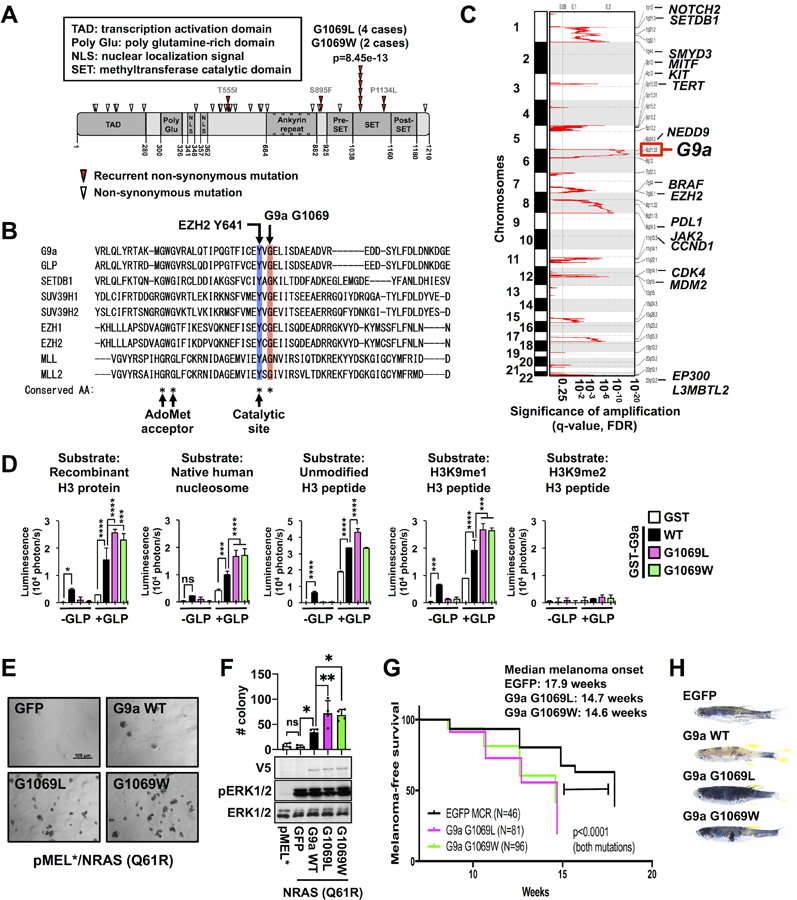
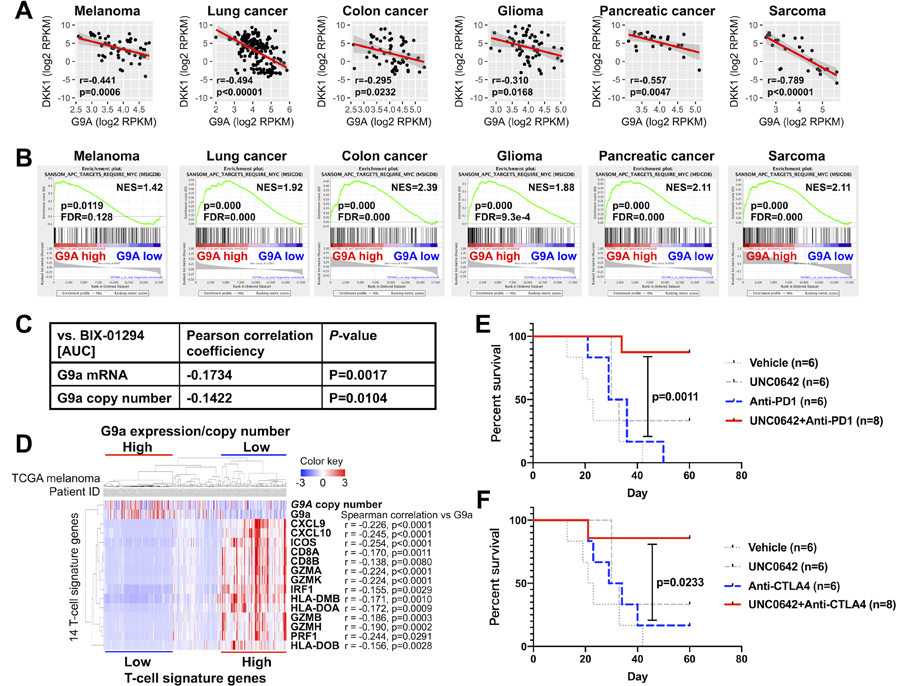
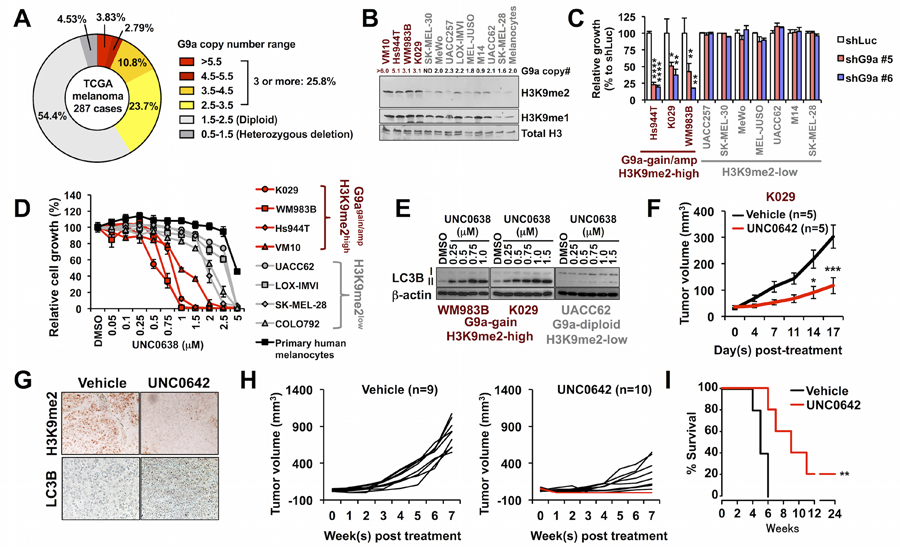
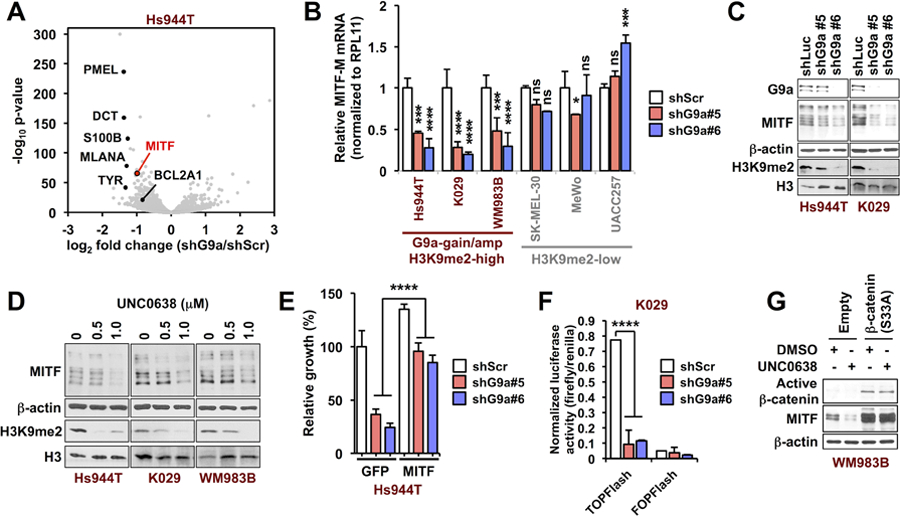
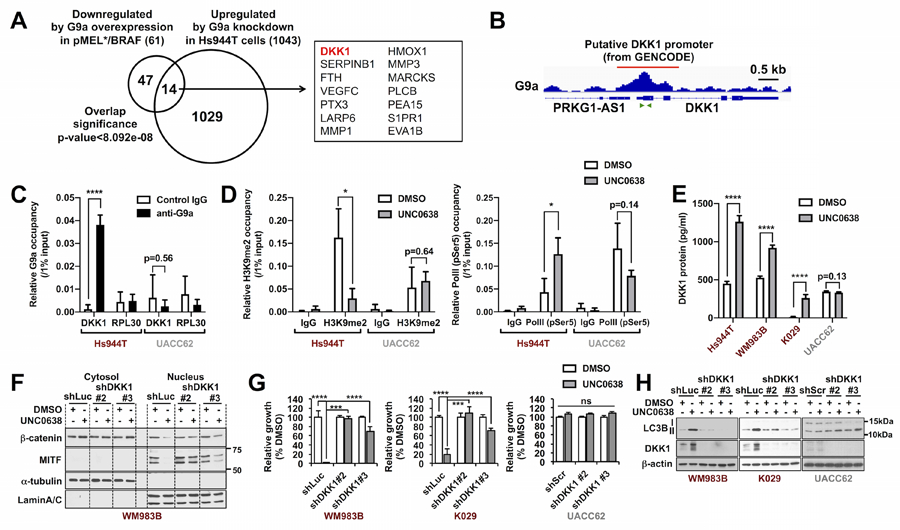
Epigenetic regulators, when genomically altered, may become driver oncogenes that mediate otherwise unexplained pro-oncogenic changes lacking a clear genetic stimulus, such as activation of the WNT/β-catenin pathway in melanoma. This study identifies previously unrecognized recurrent activating mutations in the G9a histone methyltransferase gene, as well as G9a genomic copy gains in approximately 26% of human melanomas, which collectively drive tumor growth and an immunologically sterile microenvironment beyond melanoma. Furthermore, the WNT pathway is identified as a key tumorigenic target of G9a gain-of-function, via suppression of the WNT antagonist DKK1. Importantly, genetic or pharmacologic suppression of mutated or amplified G9a using multiple and models demonstrates that G9a is a druggable target for therapeutic intervention in melanoma and other cancers harboring G9a genomic aberrations. SIGNIFICANCE: Oncogenic G9a abnormalities drive tumorigenesis and the "cold" immune microenvironment by activating WNT signaling through DKK1 repression. These results reveal a key druggable mechanism for tumor development and identify strategies to restore "hot" tumor immune microenvironments..
表观遗传调控因子发生基因组改变时,可能成为驱动癌基因,介导其他无法解释的促癌变化,而这些变化缺乏明确的遗传刺激,例如黑色素瘤中 WNT/β-连环蛋白途径的激活。本研究鉴定了 G9a 组蛋白甲基转移酶基因中以前未被识别的反复激活突变,以及大约 26%的人类黑色素瘤中存在 G9a 基因组拷贝增加,这些突变和拷贝增加共同驱动肿瘤生长和免疫原性枯竭的微环境,超出了黑色素瘤的范围。此外,通过抑制 WNT 拮抗剂 DKK1,鉴定出 WNT 通路是 G9a 功能获得性的关键致癌靶标。重要的是,使用多种 和 模型对突变或扩增的 G9a 进行遗传或药物抑制,证明 G9a 是具有 G9a 基因组异常的黑色素瘤和其他癌症治疗干预的可用药靶标。意义:致癌性 G9a 异常通过抑制 DKK1 来激活 WNT 信号,从而驱动肿瘤发生和“冷”免疫微环境。这些结果揭示了肿瘤发展的关键可用药机制,并确定了恢复“热”肿瘤免疫微环境的策略。