Department of Radiology, University of California, 400 Parnassus Ave, A-367, San Francisco, CA, 94143, USA.
Curr Rheumatol Rep. 2020 Apr 9;22(5):13. doi: 10.1007/s11926-020-00892-w.
Patients with inflammatory arthropathies have a high rate of fragility fractures. Diagnostic assessment and monitoring of bone density and quality are therefore critically important. Here, we review standard and advanced techniques to measure bone density and quality, specifically focusing on patients with inflammatory arthropathies.
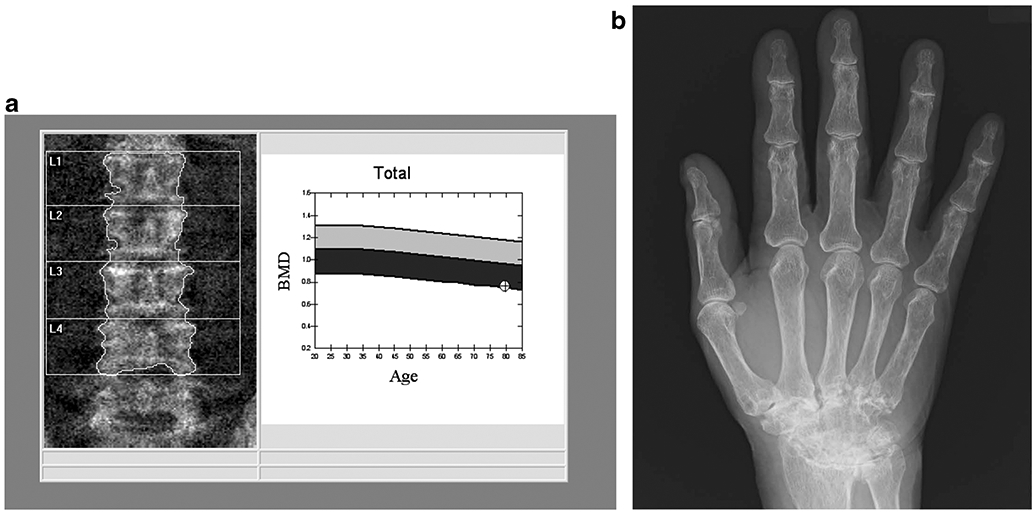
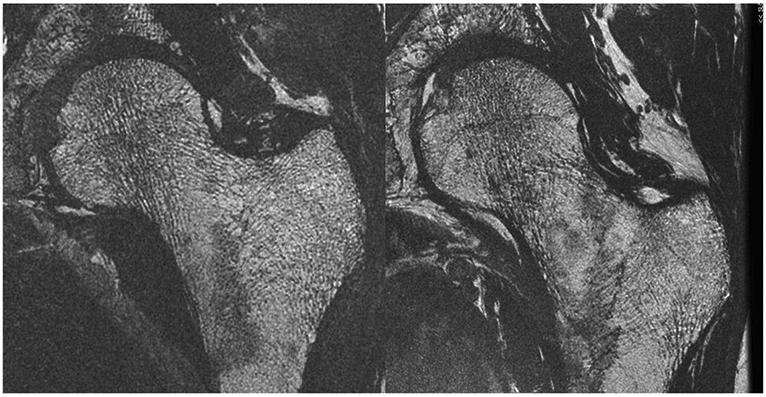
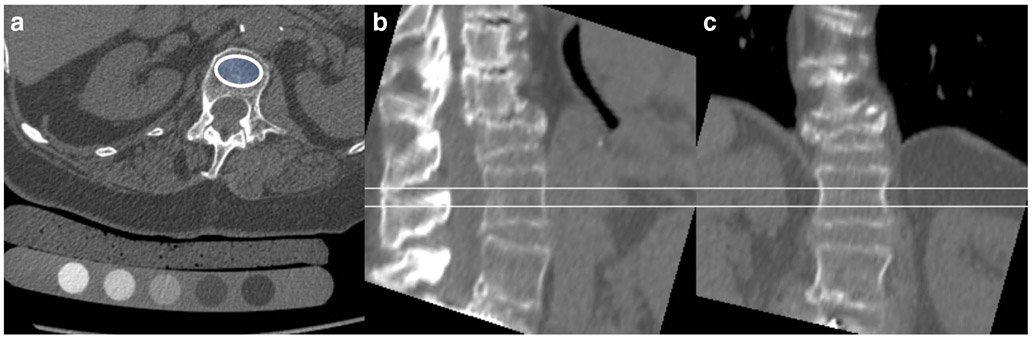
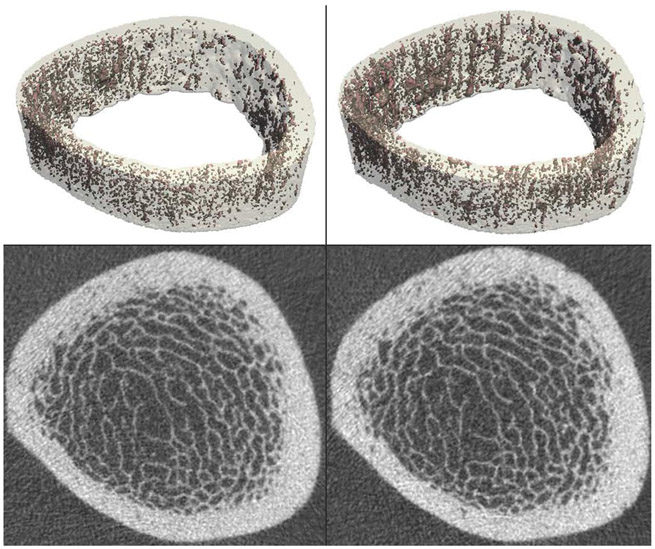
Current standard procedures are dual-energy X-ray absorptiometry (DXA) and quantitative computed tomography (QCT). DXA-based newer methods include trabecular bone score (TBS) and vertebral fracture assessment (VFA). More advanced imaging methods to measure bone quality include high-resolution peripheral quantitative computed tomography (HR-pQCT) as well as multi-detector CT (MD-CT) and magnetic resonance imaging (MRI). Quantitative ultrasound has shown promise but is not standard to assess bone fragility. While there are limitations, DXA remains the standard technique to measure density in patients with rheumatological disorders. Newer modalities to measure bone quality may allow better characterization of bone fragility but currently are not standard of care procedures.
炎症性关节炎患者脆性骨折的发生率很高。因此,对骨密度和骨质量进行诊断评估和监测至关重要。在这里,我们综述了评估骨密度和骨质量的标准和先进技术,特别是针对炎症性关节炎患者。
目前的标准方法是双能 X 射线吸收法(DXA)和定量计算机断层扫描(QCT)。基于 DXA 的新方法包括骨小梁评分(TBS)和椎体骨折评估(VFA)。评估骨质量的更先进的成像方法包括高分辨率外周定量计算机断层扫描(HR-pQCT)以及多探测器 CT(MD-CT)和磁共振成像(MRI)。定量超声显示出一定的前景,但不是评估骨脆性的标准方法。虽然存在局限性,但 DXA 仍然是评估风湿性疾病患者骨密度的标准技术。测量骨质量的新方法可能可以更好地描述骨脆性,但目前还不是常规的护理程序。