Department of Ophthalmology, Army Medical Center of the People's Liberation Army (PLA), Army Medical University, Chongqing, 400042, China.
Molecular Biology Center, State Key Laboratory of Trauma, Burn, and Combined Injury, Research Institute of Surgery, Army Medical Center of the PLA, Army Medical University, Chongqing, 400042, China.
Neurosci Bull. 2020 Jul;36(7):761-777. doi: 10.1007/s12264-020-00490-x. Epub 2020 Apr 10.
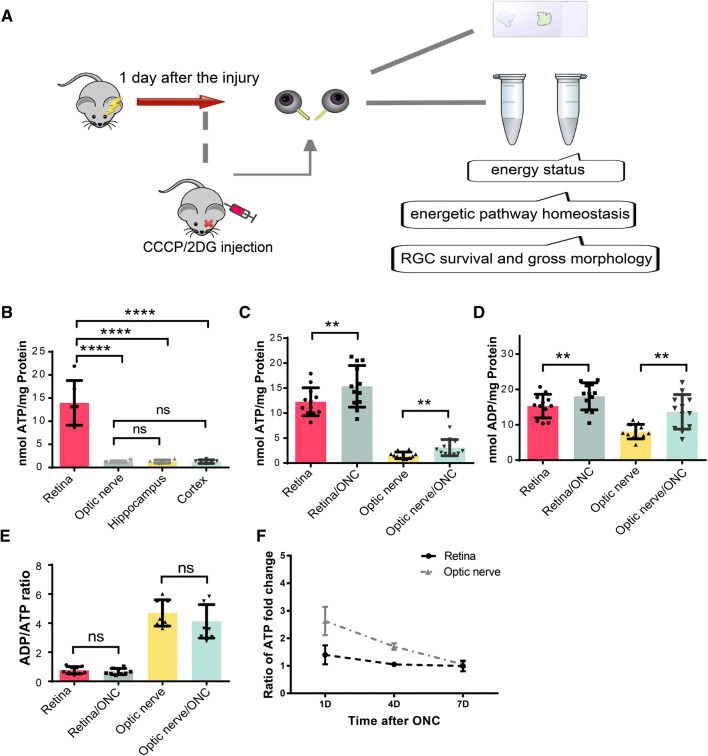
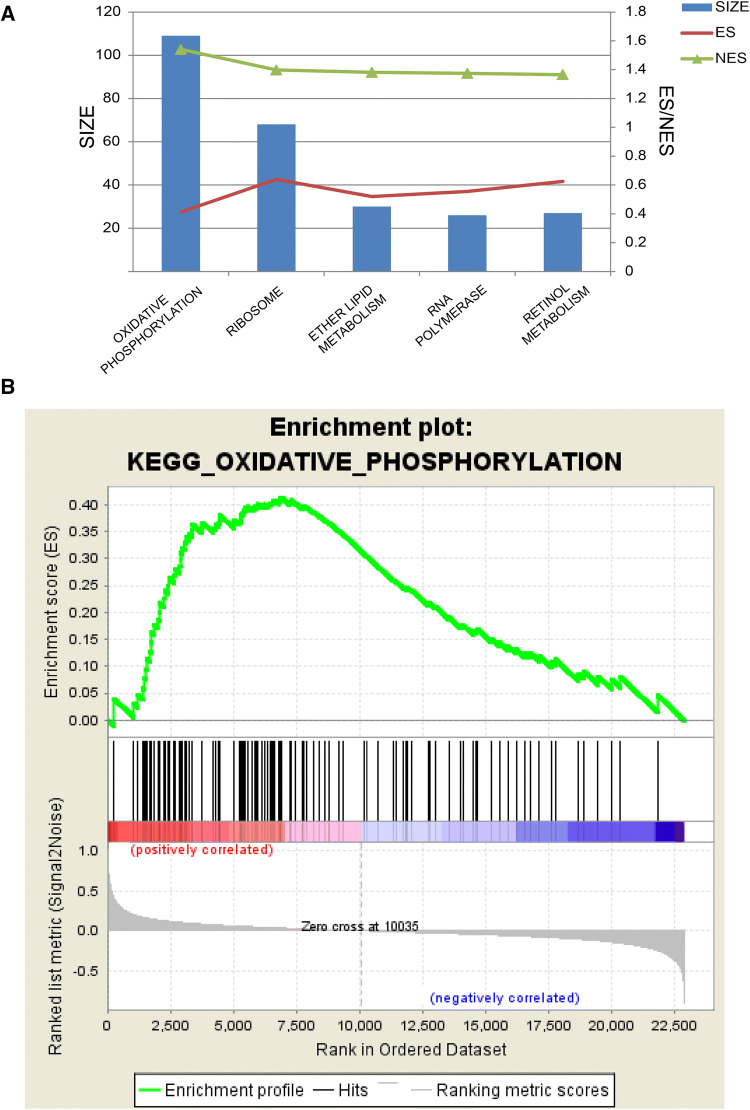
Neurons, especially axons, are metabolically demanding and energetically vulnerable during injury. However, the exact energy budget alterations that occur early after axon injury and the effects of these changes on neuronal survival remain unknown. Using a classic mouse model of optic nerve-crush injury, we found that traumatized optic nerves and retinas harbor the potential to mobilize two primary energetic machineries, glycolysis and oxidative phosphorylation, to satisfy the robustly increased adenosine triphosphate (ATP) demand. Further exploration of metabolic activation showed that mitochondrial oxidative phosphorylation was amplified over other pathways, which may lead to decreased retinal ganglion cell (RGC) survival despite its supplement to ATP production. Gene set enrichment analysis of a microarray (GSE32309) identified significant activation of oxidative phosphorylation in injured retinas from wild-type mice compared to those from mice with deletion of phosphatase and tensin homolog (PTEN), while PTEN-/- mice had more robust RGC survival. Therefore, we speculated that the oxidation-favoring metabolic pattern after optic nerve-crush injury could be adverse for RGC survival. After redirecting metabolic flux toward glycolysis (magnifying the Warburg effect) using the drug meclizine, we successfully increased RGC survival. Thus, we provide novel insights into a potential bioenergetics-based strategy for neuroprotection.
神经元,尤其是轴突,在受伤时代谢需求高且能量脆弱。然而,轴突损伤后早期发生的确切能量预算变化,以及这些变化对神经元存活的影响仍不清楚。使用经典的视神经挤压损伤小鼠模型,我们发现受伤的视神经和视网膜具有调动两种主要能量机制(糖酵解和氧化磷酸化)的潜力,以满足强烈增加的三磷酸腺苷(ATP)需求。对代谢激活的进一步探索表明,线粒体氧化磷酸化在其他途径中被放大,尽管它有助于 ATP 产生,但可能导致视网膜神经节细胞(RGC)存活减少。微阵列(GSE32309)的基因集富集分析表明,与磷酸酶和张力蛋白同源物(PTEN)缺失的小鼠相比,野生型小鼠损伤视网膜中的氧化磷酸化显著激活,而 PTEN-/- 小鼠的 RGC 存活更旺盛。因此,我们推测视神经挤压损伤后有利于氧化的代谢模式可能不利于 RGC 存活。使用药物甲氯噻嗪将代谢通量转向糖酵解(放大瓦伯格效应)后,我们成功增加了 RGC 存活。因此,我们为神经保护提供了一种潜在基于生物能量的策略的新见解。