Department of Biological Sciences, University of South Carolina, Columbia, SC, 29208, USA.
Department of Bioinformatics and Genomics, University of North Carolina at Charlotte, Charlotte, NC, 28223, USA.
Plant J. 2020 Jul;103(2):752-768. doi: 10.1111/tpj.14769. Epub 2020 May 5.
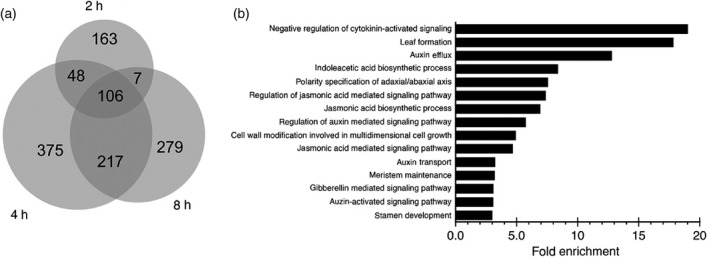
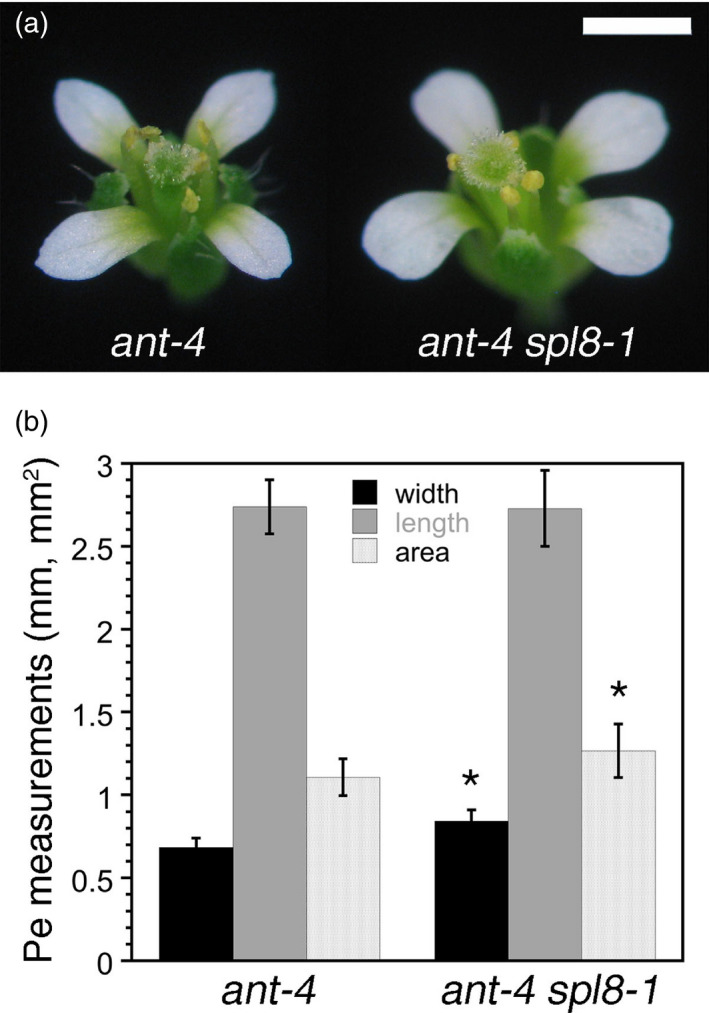
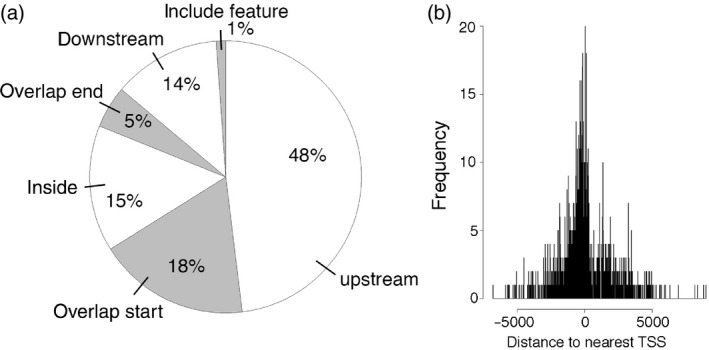
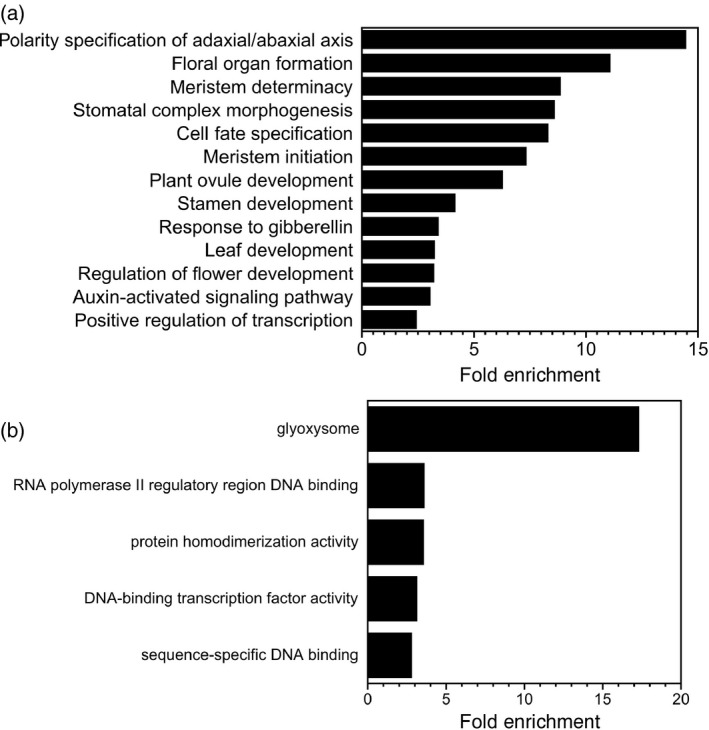
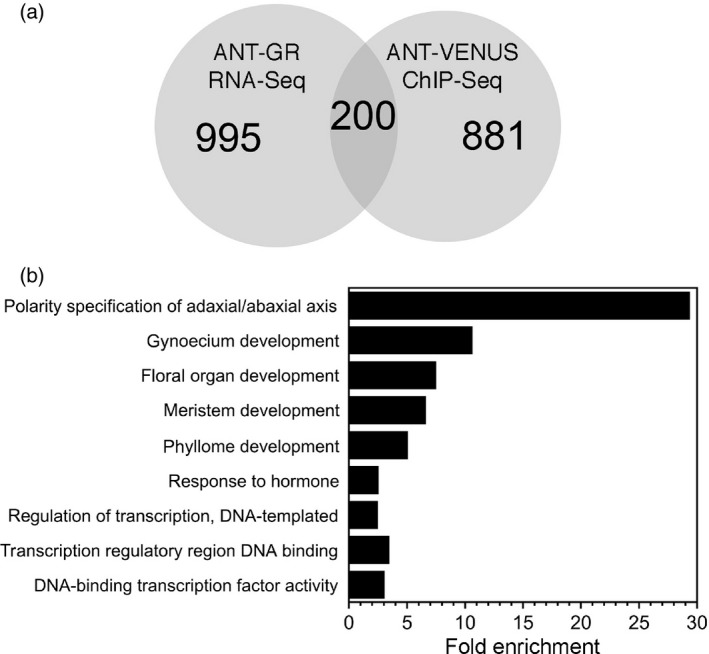
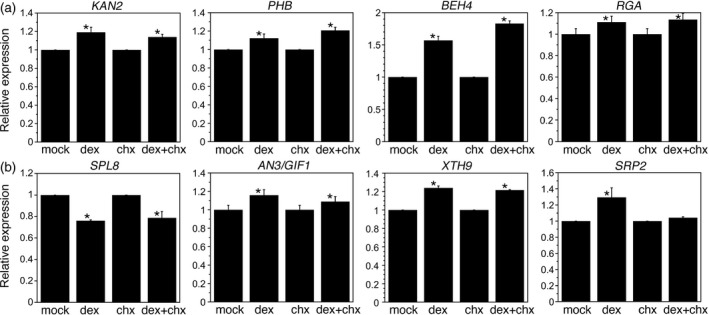
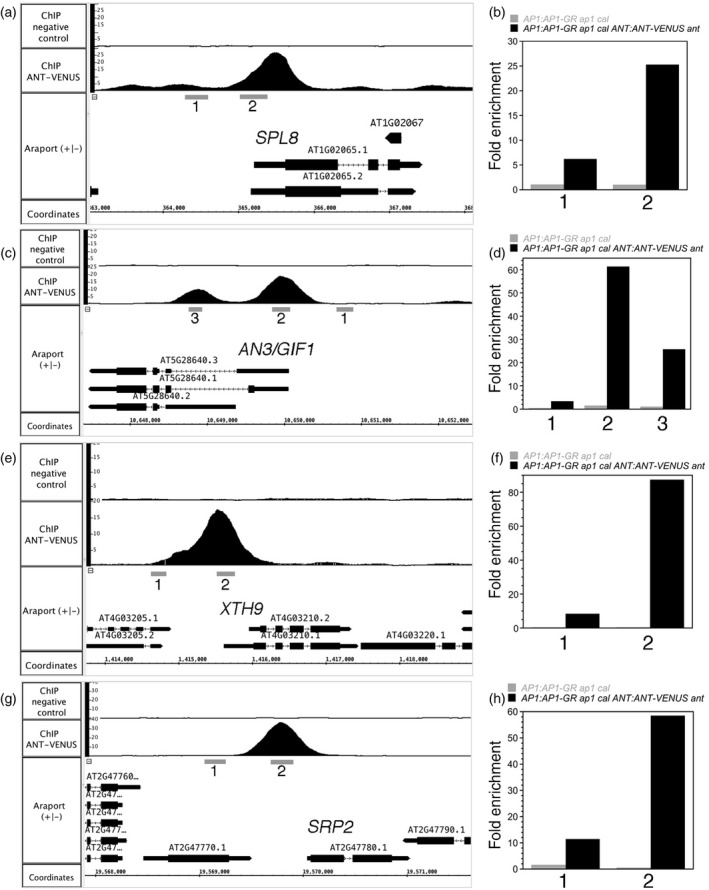
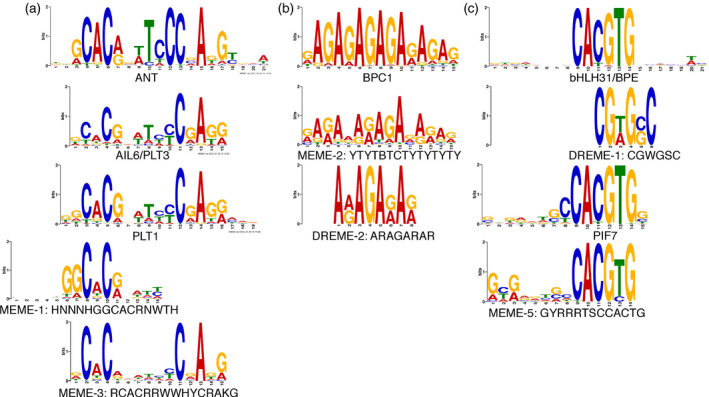
Understanding how flowers form is an important problem in plant biology, as human food supply depends on flower and seed production. Flower development also provides an excellent model for understanding how cell division, expansion and differentiation are coordinated during organogenesis. In the model plant Arabidopsis thaliana, floral organogenesis requires AINTEGUMENTA (ANT) and AINTEGUMENTA-LIKE 6 (AIL6)/PLETHORA 3 (PLT3), two members of the Arabidopsis AINTEGUMENTA-LIKE/PLETHORA (AIL/PLT) transcription factor family. Together, ANT and AIL6/PLT3 regulate aspects of floral organogenesis, including floral organ initiation, growth, identity specification and patterning. Previously, we used RNA-Seq to identify thousands of genes with disrupted expression in ant ail6 mutant flowers, indicating that ANT and AIL6/PLT3 influence a vast transcriptional network. The immediate downstream targets of ANT and AIL6/PLT3 in flowers are unknown, however. To identify direct targets of ANT regulation, we performed an RNA-Seq time-course experiment in which we induced ANT activity in transgenic plants bearing an ANT-glucocorticoid receptor fusion construct. In addition, we performed a ChIP-Seq experiment that identified ANT binding sites in developing flowers. These experiments identified 200 potential ANT target genes based on their proximity to ANT binding sites and differential expression in response to ANT. These 200 candidate target genes were involved in functions such as polarity specification, floral organ development, meristem development and auxin signaling. In addition, we identified several genes associated with lateral organ growth that may mediate the role of ANT in organ size control. These results reveal new features of the ANT transcriptional network by linking ANT to previously unknown regulatory targets.
理解花的形成过程是植物生物学中的一个重要问题,因为人类的食物供应依赖于花和种子的生产。花的发育也为理解细胞分裂、扩张和分化如何在器官发生过程中协调提供了一个极好的模型。在模式植物拟南芥中,花器官的发生需要 AINTEGUMENTA(ANT)和 AINTEGUMENTA-LIKE 6(AIL6)/PLETHORA 3(PLT3),这两个是拟南芥 AINTEGUMENTA-LIKE/PLETHORA(AIL/PLT)转录因子家族的成员。ANT 和 AIL6/PLT3 共同调节花器官发生的各个方面,包括花器官的起始、生长、身份特化和模式形成。以前,我们使用 RNA-Seq 技术鉴定了数千个在 antail6 突变体花中表达异常的基因,表明 ANT 和 AIL6/PLT3 影响了一个庞大的转录网络。然而,ANT 和 AIL6/PLT3 在花中的直接下游靶标尚不清楚。为了鉴定 ANT 调控的直接靶标,我们在带有 ANT-糖皮质激素受体融合构建体的转基因植物中诱导 ANT 活性,进行了一个 RNA-Seq 时间过程实验。此外,我们还进行了一个 ChIP-Seq 实验,鉴定了发育中的花中 ANT 结合位点。这些实验根据它们与 ANT 结合位点的接近程度以及对 ANT 的反应差异,鉴定了 200 个潜在的 ANT 靶标基因。这些 200 个候选靶标基因参与了极性特化、花器官发育、分生组织发育和生长素信号等功能。此外,我们还鉴定了几个与侧生器官生长相关的基因,它们可能介导了 ANT 在器官大小控制中的作用。这些结果通过将 ANT 与以前未知的调节靶标联系起来,揭示了 ANT 转录网络的新特征。