MRC Cognition & Brain Sciences Unit, University of Cambridge, 15 Chaucer Road, Cambridge, CB2 7EF, UK.
MRC Cognition & Brain Sciences Unit, University of Cambridge, 15 Chaucer Road, Cambridge, CB2 7EF, UK.
Neuroimage. 2020 Oct 15;220:116802. doi: 10.1016/j.neuroimage.2020.116802. Epub 2020 Apr 10.
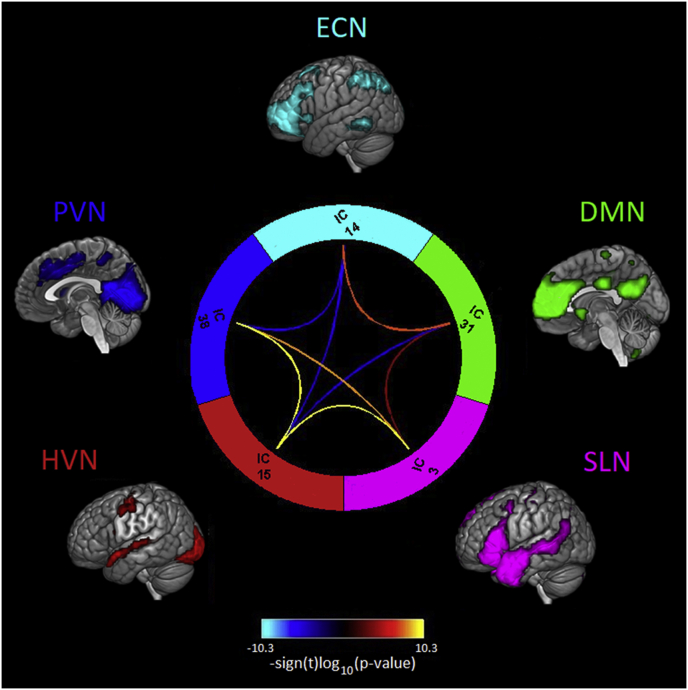
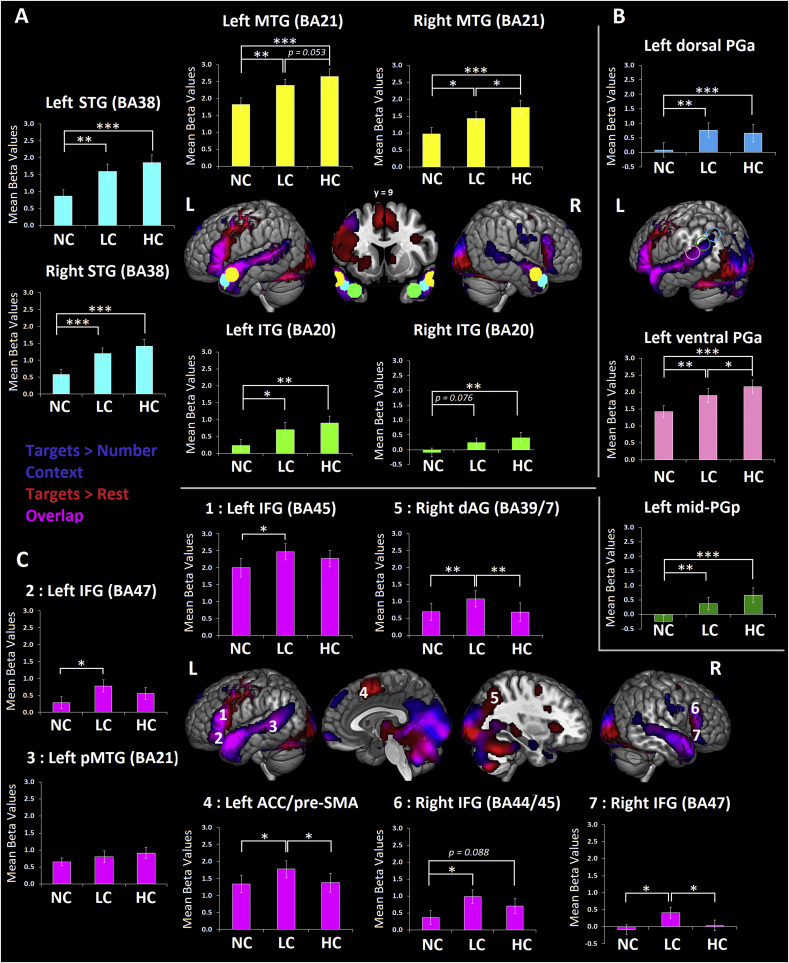
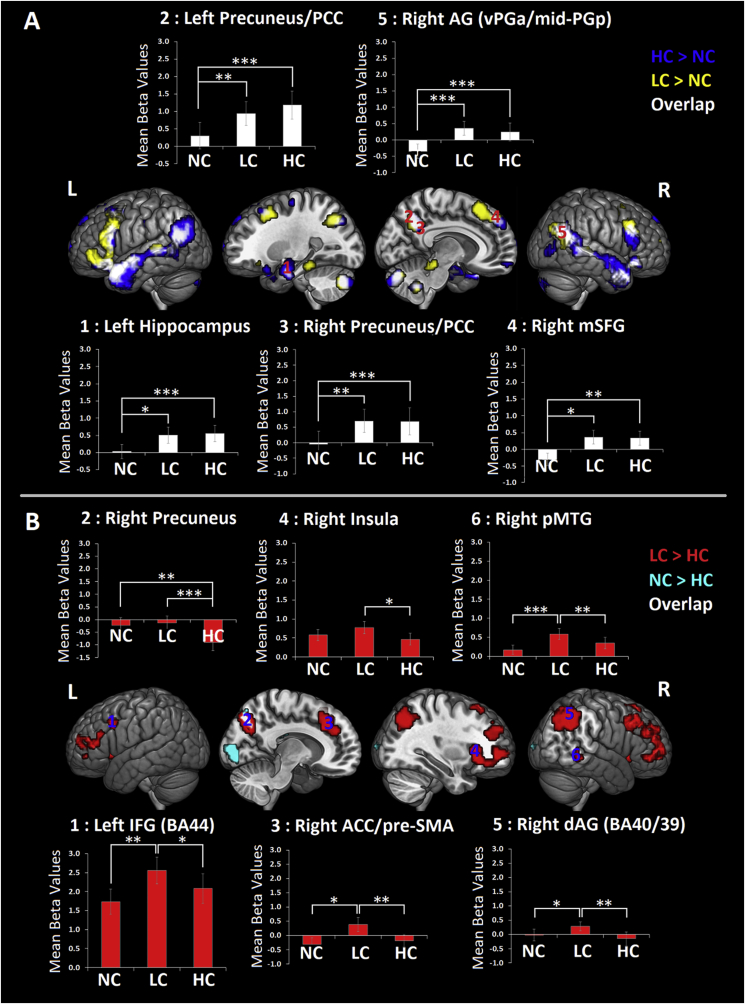
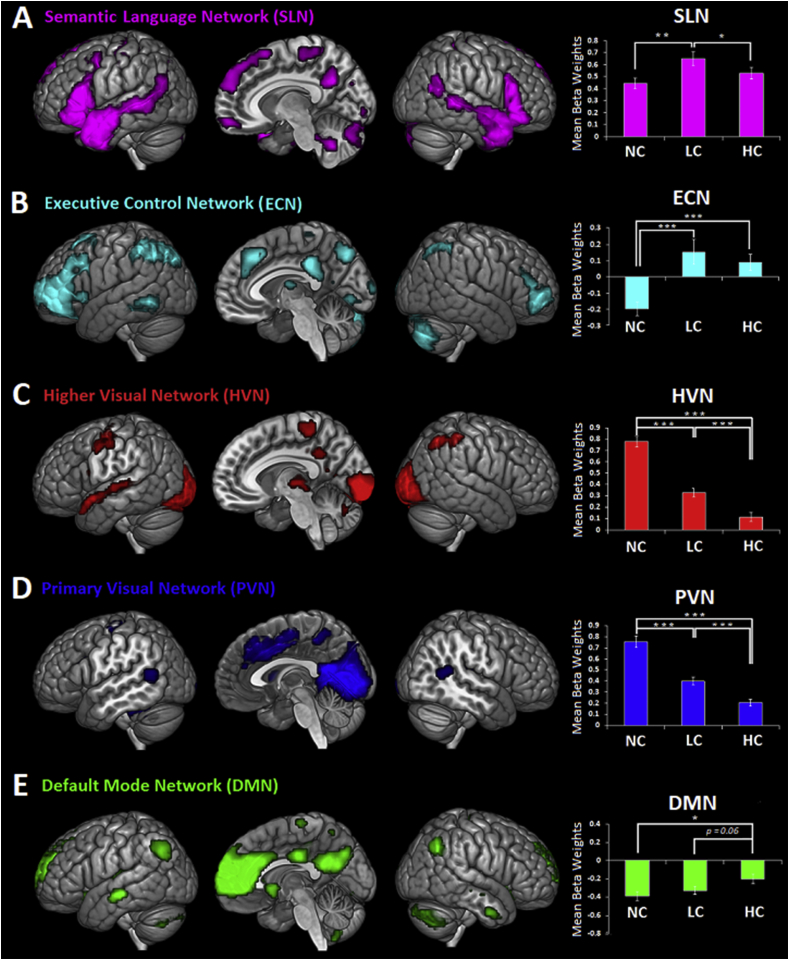
Reading a book, understanding the news reports or any other behaviour involving the processing of meaningful stimuli requires the semantic system to have two main features: being active during an extended period of time and flexibly adapting the internal representation according to the changing environment. Despite being key features of many everyday tasks, formation and updating of the semantic "gestalt" are still poorly understood. In this fMRI study we used naturalistic stimuli and task manipulations to identify the neural network that forms and updates conceptual gestalts during time-extended integration of meaningful stimuli. Univariate and multivariate techniques allowed us to draw a distinction between networks that are crucial for the formation of a semantic gestalt (meaning integration) and those that instead are important for linking incoming cues about the current context (e.g., time and space cues) into a schema representation. Specifically, we revealed that time-extended formation of the conceptual gestalt was reflected in the neuro-computations of the anterior temporal lobe accompanied by multi-demand areas and hippocampus, with a key role of brain structures in the right hemisphere. This "semantic gestalt network" was strongly recruited when an update of the current semantic representation was required during narrative processing. A distinct fronto-parietal network, instead, was recruited for context integration, independently from the meaning associations between words (semantic coherence). Finally, in contrast with accounts positing that the default mode network (DMN) may have a crucial role in semantic cognition, our findings revealed that DMN activity was sensitive to task difficulty, but not to semantic integration. The implications of these findings for neurocognitive models of semantic cognition and the literature on narrative processing are discussed.
阅读书籍、理解新闻报道或任何其他涉及有意义刺激处理的行为都需要语义系统具备两个主要特征:在较长时间内保持活跃,并根据不断变化的环境灵活调整内部表示。尽管这些特征是许多日常任务的关键,但语义“整体”的形成和更新仍然知之甚少。在这项 fMRI 研究中,我们使用自然刺激和任务操作来确定在有意义刺激的长时间整合过程中形成和更新概念整体的神经网络。单变量和多变量技术使我们能够区分对于形成语义整体(意义整合)至关重要的网络和对于将当前环境的传入线索(例如时间和空间线索)链接到模式表示的网络之间的区别。具体来说,我们发现,概念整体的时间扩展形成反映在前颞叶的神经计算中,同时伴随着多需求区域和海马体,右侧大脑结构起着关键作用。在叙事处理过程中需要更新当前语义表示时,强烈招募了这个“语义整体网络”。相反,一个独特的额顶网络则用于上下文整合,而与单词之间的语义关联(语义连贯性)无关。最后,与假定默认模式网络(DMN)可能在语义认知中具有关键作用的观点相反,我们的发现表明,DMN 活动对任务难度敏感,但对语义整合不敏感。这些发现对语义认知的神经认知模型和叙事处理文献的影响进行了讨论。