University of Adelaide, Adelaide, Australia.
Tongji University, Shanghai, China.
Psychiatry Res. 2020 Jun;288:112958. doi: 10.1016/j.psychres.2020.112958. Epub 2020 Apr 4.
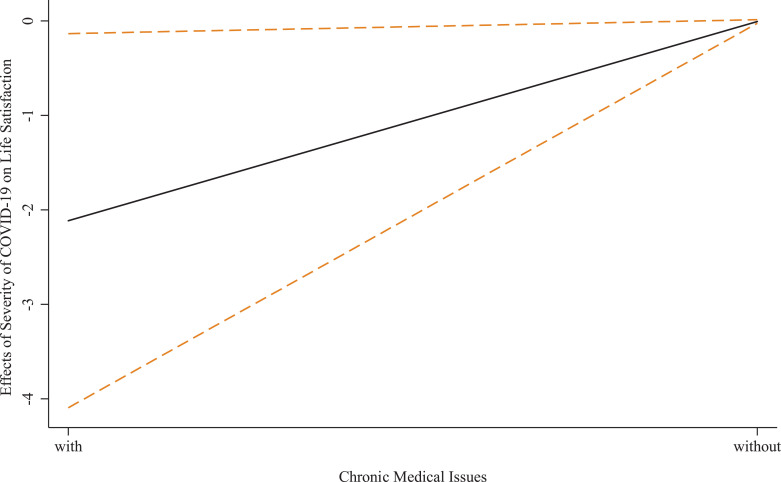
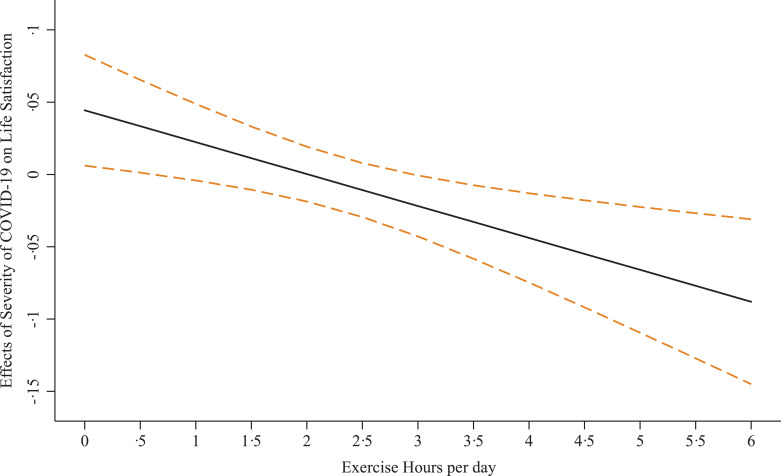
We assess the health and wellbeing of normal adults living and working after one month of confinement to contain the COVID-19 outbreak in China. On Feb 20-21, 2020, we surveyed 369 adults in 64 cities in China that varied in their rates of confirmed coronavirus cases on their health conditions, distress and life satisfaction. 27% of the participants worked at the office, 38% resorted to working from home, and 25% stopped working due to the outbreak. Those who stopped working reported worse mental and physical health conditions as well as distress. The severity of COVID-19 in an individual's home city predicts their life satisfaction, and this relationship is contingent upon individuals' existing chronic health issues and their hours of exercise. Our evidence supports the need to pay attention to the health of people who were not infected by the virus, especially for people who stopped working during the outbreak. Our results highlight that physically active people might be more susceptible to wellbeing issues during the lockdown. Policymakers who are considering introducing restrictive measures to contain COVID-19 may benefit from understanding such health and wellbeing implications.
我们评估了在中国为控制 COVID-19 爆发而被隔离一个月后的正常成年人的健康和幸福感。2020 年 2 月 20-21 日,我们调查了中国 64 个城市的 369 名成年人,这些城市的确诊冠状病毒病例比例不同,他们的健康状况、压力和生活满意度也不同。27%的参与者在办公室工作,38%的人选择在家工作,25%的人因疫情停止工作。那些停止工作的人报告说他们的身心健康状况以及压力都更差。一个人所在城市 COVID-19 的严重程度预测了他们的生活满意度,这种关系取决于个人现有的慢性健康问题和锻炼时间。我们的证据支持需要关注那些未感染病毒的人的健康,特别是那些在疫情期间停止工作的人。我们的研究结果表明,在封锁期间,积极锻炼的人可能更容易出现幸福感问题。考虑采取限制措施来控制 COVID-19 的政策制定者可能会受益于了解这些健康和幸福感的影响。