Goizueta Alzheimer's Disease Research Center, Emory University School of Medicine, Atlanta, GA, USA.
Department of Neurology, Emory University School of Medicine, Atlanta, GA, USA.
Nat Med. 2020 May;26(5):769-780. doi: 10.1038/s41591-020-0815-6. Epub 2020 Apr 13.
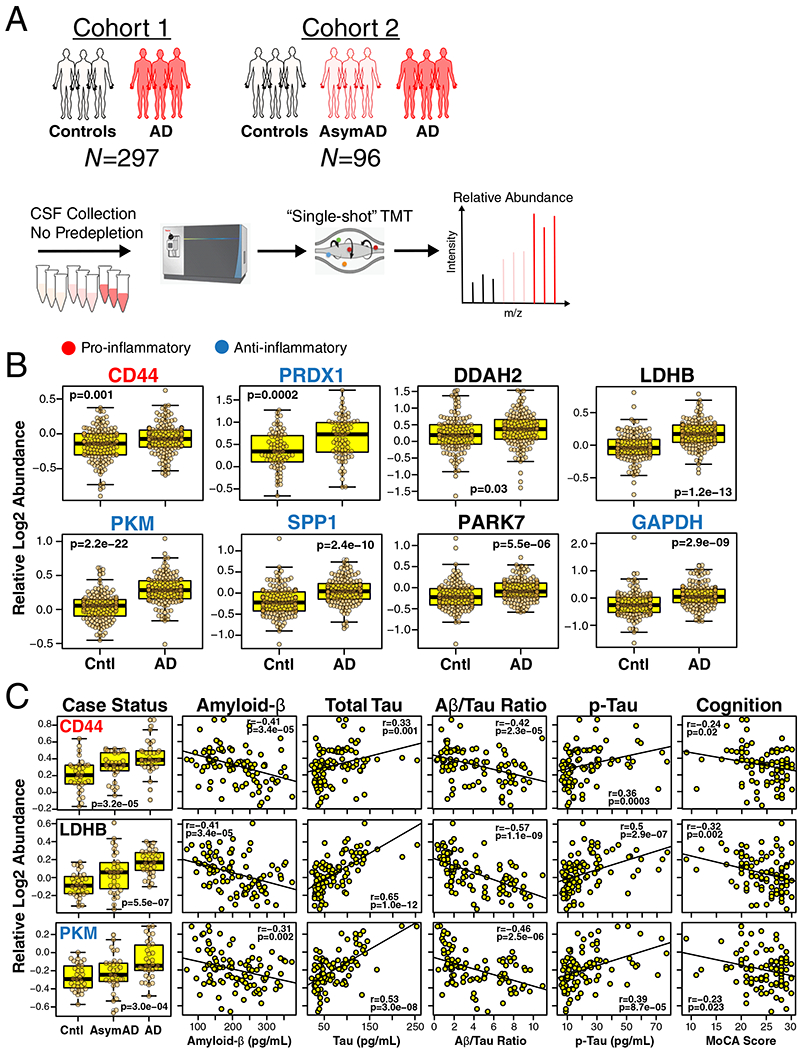
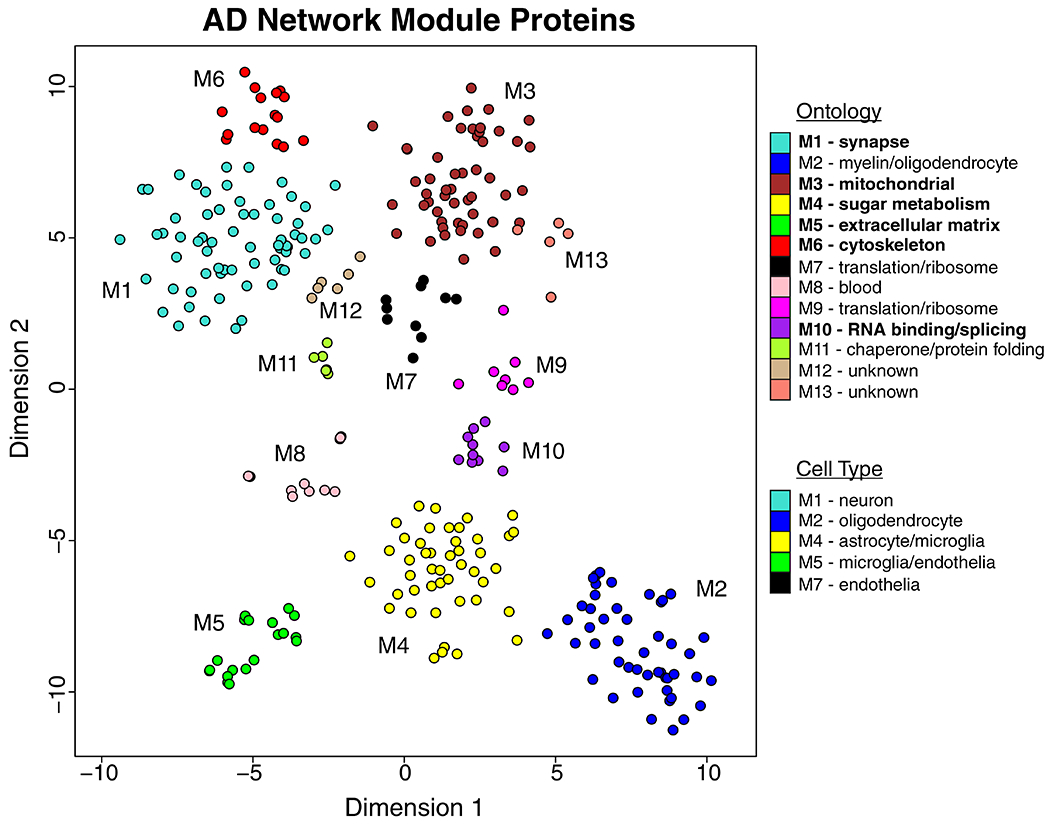
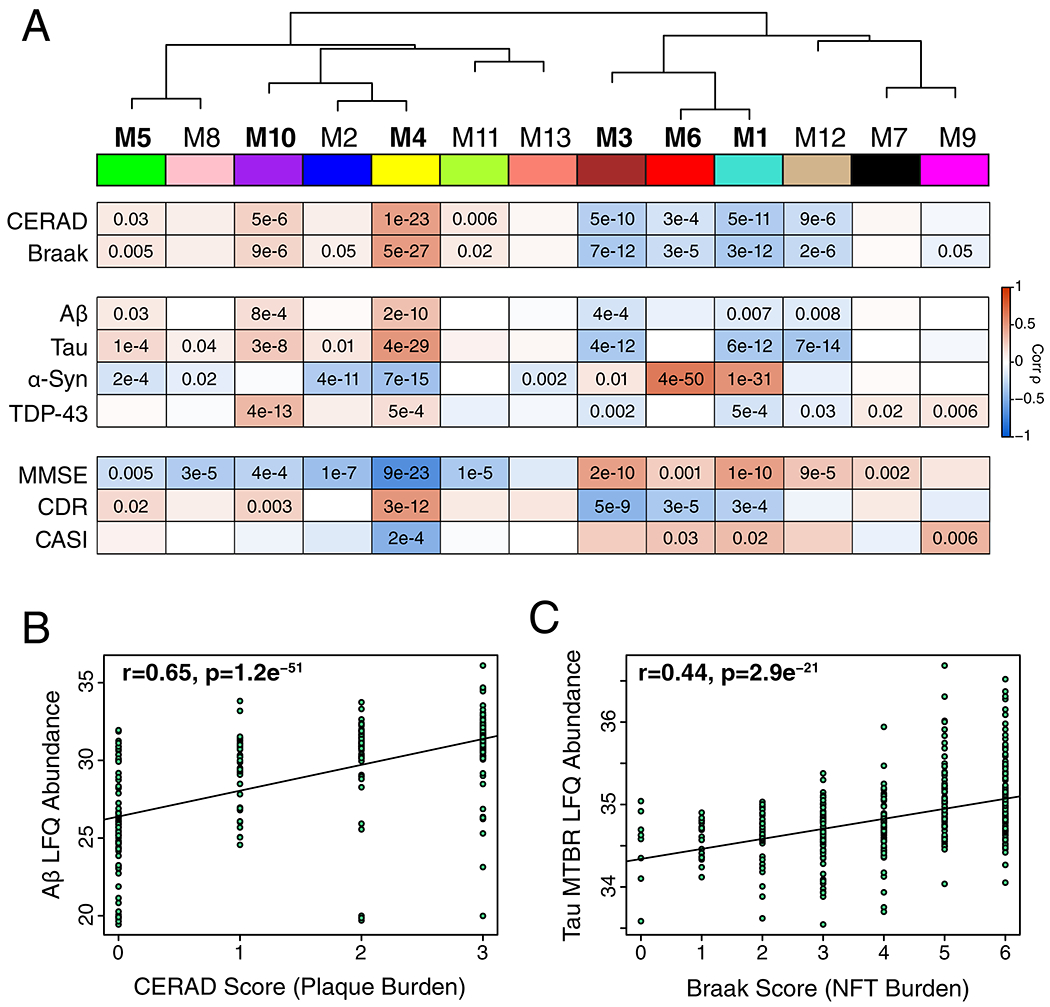
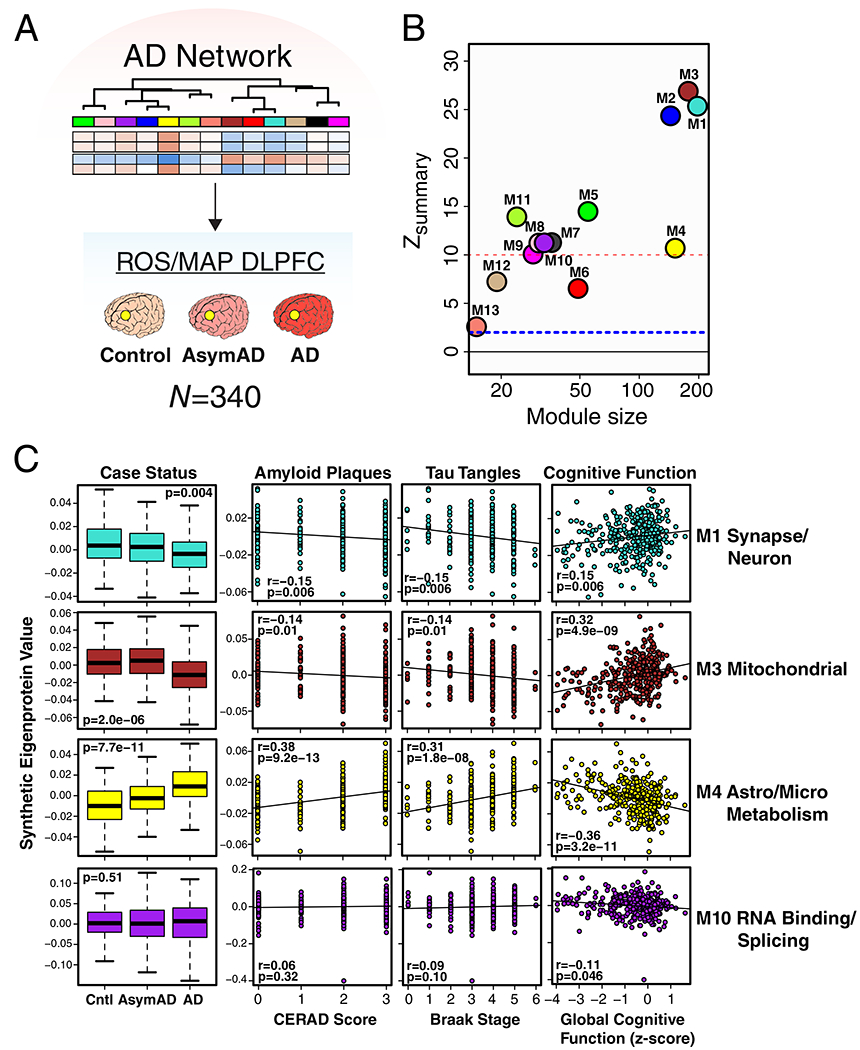
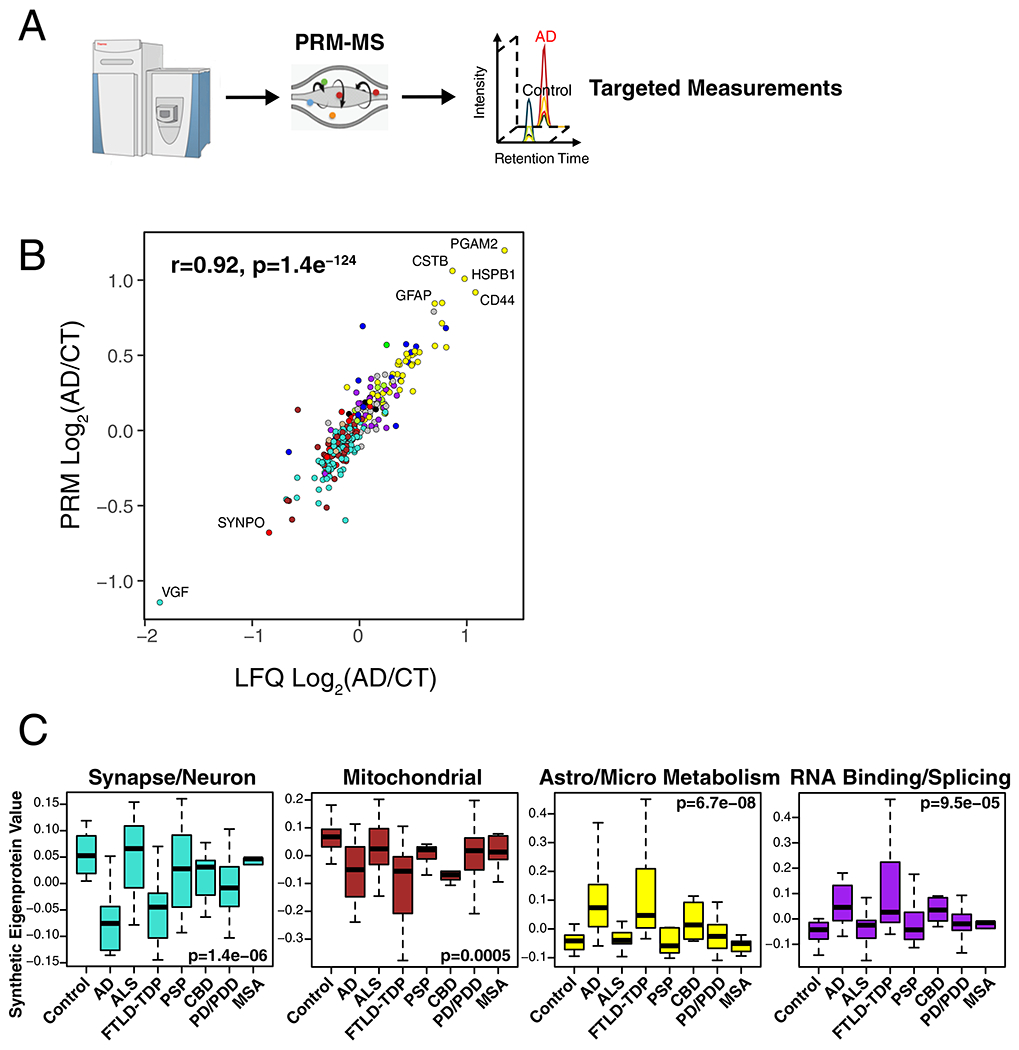
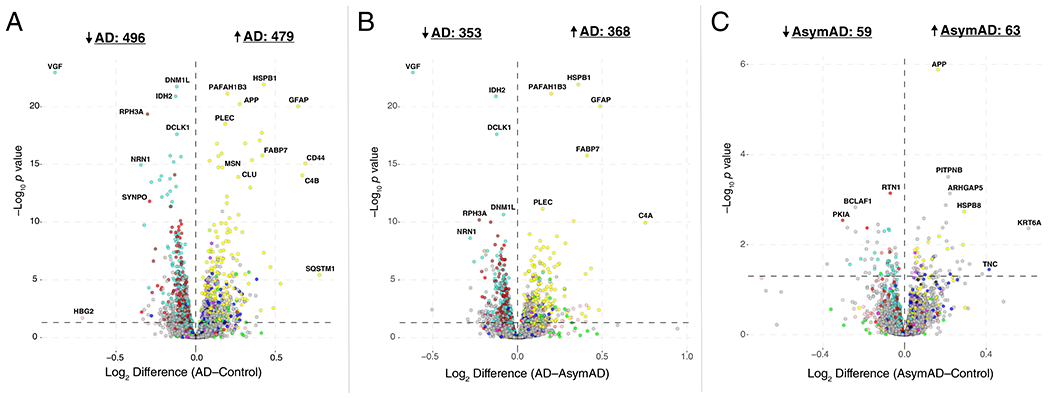
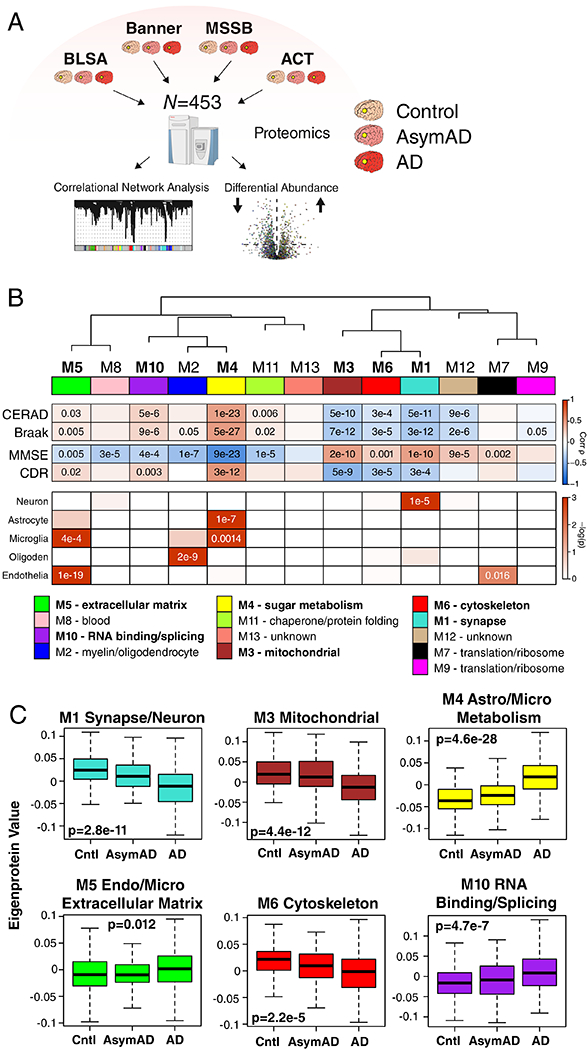
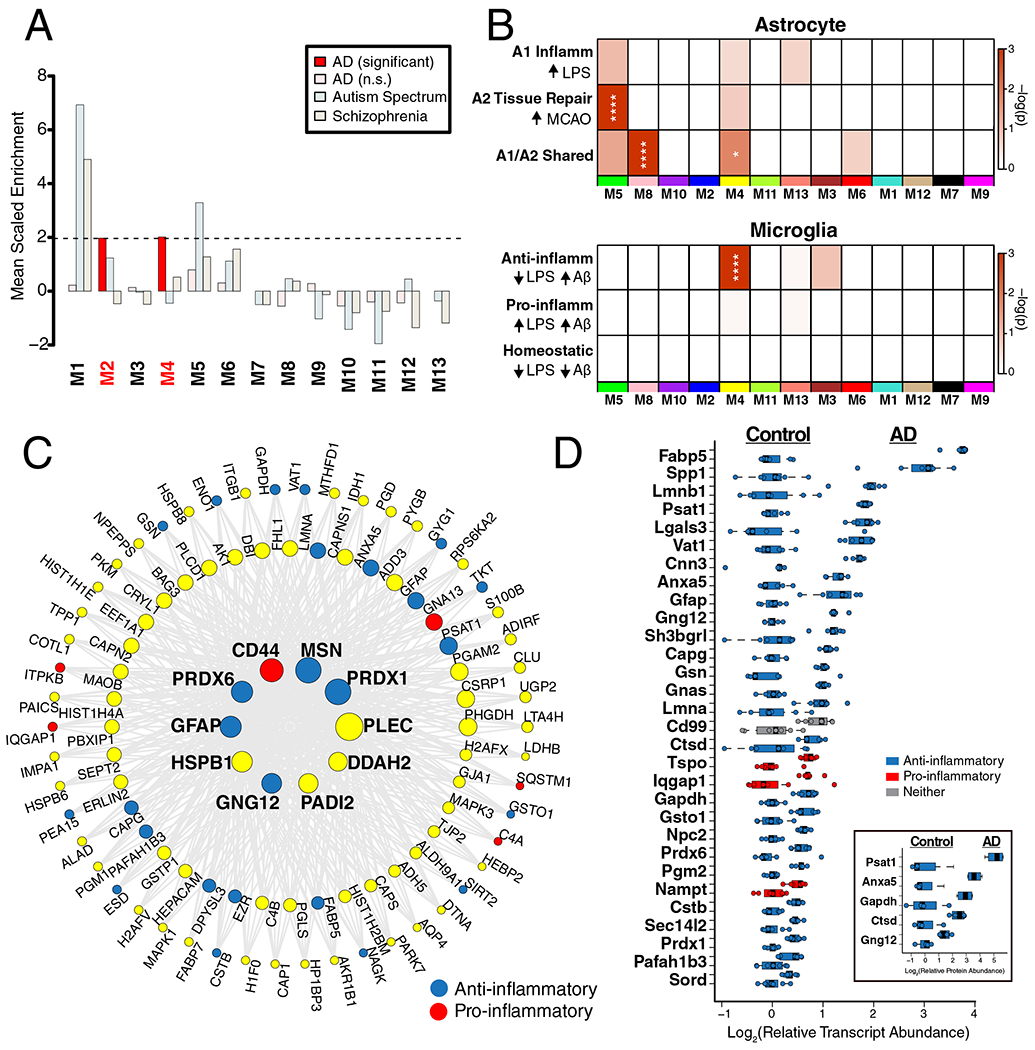
Our understanding of Alzheimer's disease (AD) pathophysiology remains incomplete. Here we used quantitative mass spectrometry and coexpression network analysis to conduct the largest proteomic study thus far on AD. A protein network module linked to sugar metabolism emerged as one of the modules most significantly associated with AD pathology and cognitive impairment. This module was enriched in AD genetic risk factors and in microglia and astrocyte protein markers associated with an anti-inflammatory state, suggesting that the biological functions it represents serve a protective role in AD. Proteins from this module were elevated in cerebrospinal fluid in early stages of the disease. In this study of >2,000 brains and nearly 400 cerebrospinal fluid samples by quantitative proteomics, we identify proteins and biological processes in AD brains that may serve as therapeutic targets and fluid biomarkers for the disease.
我们对阿尔茨海默病(AD)病理生理学的理解仍然不完整。在这里,我们使用定量质谱和共表达网络分析对 AD 进行了迄今为止最大的蛋白质组学研究。与 AD 病理学和认知障碍关联最显著的模块之一是与糖代谢相关的蛋白质网络模块。该模块富含 AD 遗传风险因素以及与抗炎状态相关的小胶质细胞和星形胶质细胞蛋白标志物,表明它所代表的生物学功能在 AD 中具有保护作用。该模块的蛋白质在疾病的早期阶段在脑脊液中升高。在这项对 2000 多个大脑和近 400 个脑脊液样本进行的定量蛋白质组学研究中,我们确定了 AD 大脑中的蛋白质和生物过程,它们可能作为疾病的治疗靶点和液体生物标志物。