Ai Z T, Mak C M
Department of Building Services Engineering, The Hong Kong Polytechnic University, Hong Kong.
Build Environ. 2015 Dec;94:489-503. doi: 10.1016/j.buildenv.2015.10.008. Epub 2015 Oct 20.
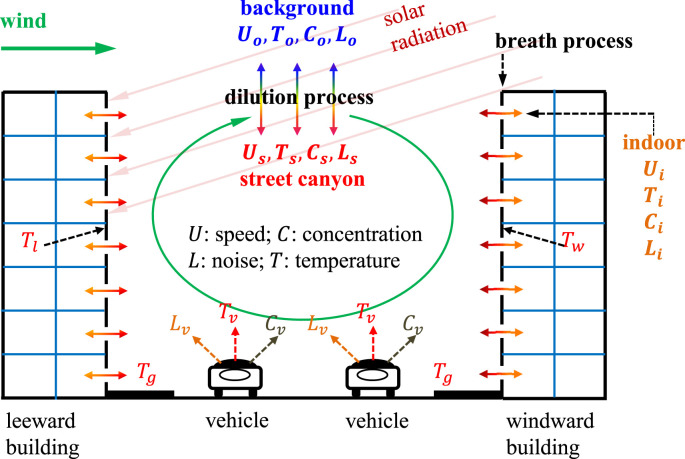
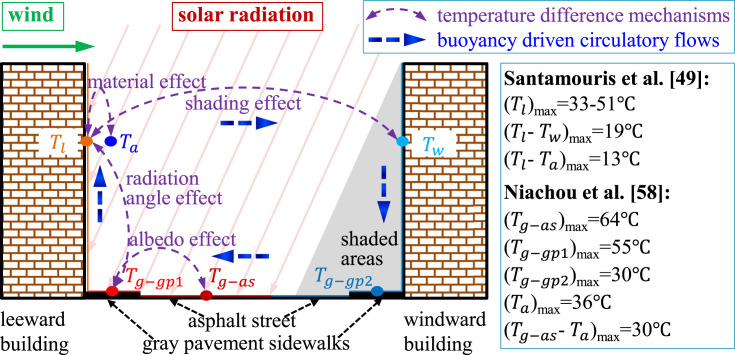
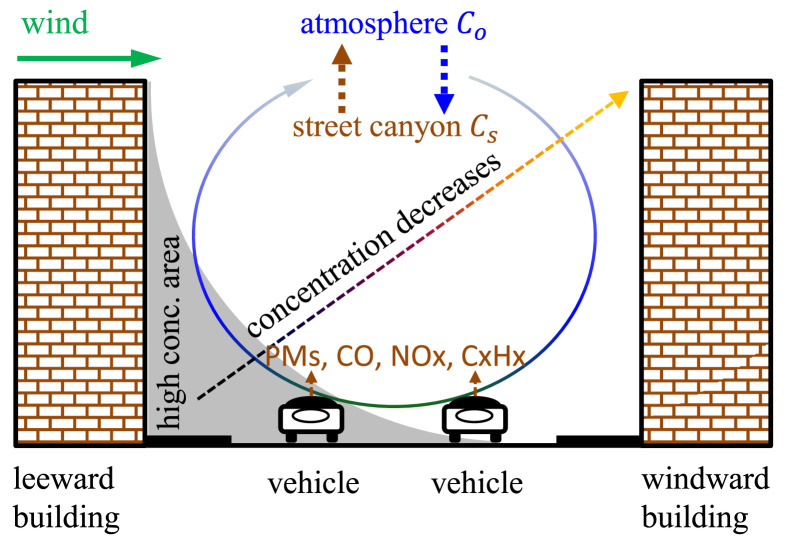
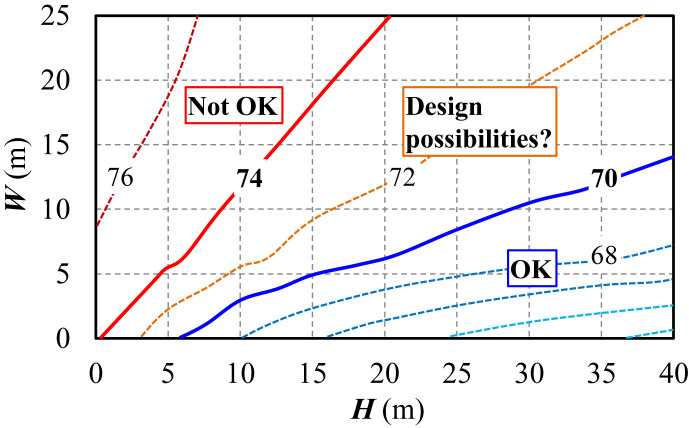
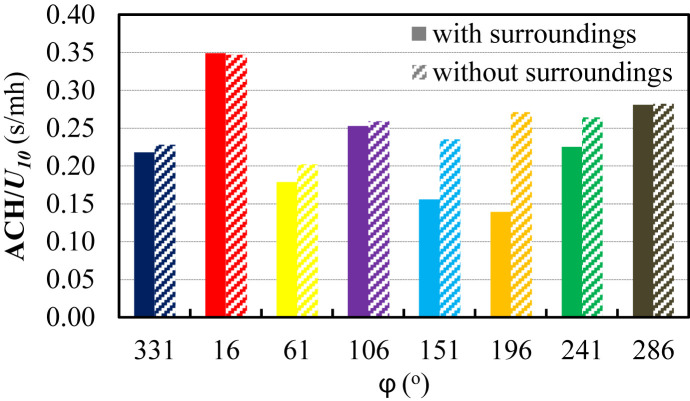
Many buildings in urban areas are more or less naturally ventilated. A good understanding of the current status and issues of indoor environmental quality (IEQ) in naturally ventilated urban buildings and the association with urban microclimate is fundamental for improving their IEQ. This paper reviews past studies on (a) the microclimate in urban street canyons, (b) the potential influence of such microclimate on IEQ of nearby naturally ventilated buildings, and (c) the real-life IEQ status in these buildings. The review focuses mainly on studies conducted by on-site measurements. The microclimate in urban street canyons is characterized by low wind speed, high surface temperature difference, high pollutant concentration, and high noise level. Insufficient ventilation rates and excessive penetration of outdoor pollutants are two key risks involved in naturally ventilated urban buildings. Existing knowledge suggests that reasonable urban planning and careful building envelope design are the primary methods to ensure acceptable IEQ and maximize the utilization of natural ventilation. However, quantitative studies of both microclimate in street canyons and IEQ in buildings are still highly insufficient in many aspects, which make cross comparison and influencing factors analysis currently impossible. Based on the limitations of previous studies and the current issues of naturally ventilated urban buildings, suggestions are made for future studies to better understand and improve IEQ in naturally ventilated urban buildings.
城市地区的许多建筑或多或少都采用自然通风。深入了解自然通风的城市建筑室内环境质量(IEQ)的现状和问题,以及与城市微气候的关联,是改善其IEQ的基础。本文回顾了以往关于(a)城市街道峡谷微气候、(b)这种微气候对附近自然通风建筑IEQ的潜在影响,以及(c)这些建筑实际IEQ状况的研究。该综述主要关注通过现场测量进行的研究。城市街道峡谷的微气候特点是风速低、表面温差大、污染物浓度高和噪音水平高。通风率不足和室外污染物过度渗透是自然通风的城市建筑涉及的两个关键风险。现有知识表明,合理的城市规划和精心的建筑围护结构设计是确保可接受的IEQ并最大限度利用自然通风的主要方法。然而,在许多方面,对街道峡谷微气候和建筑IEQ的定量研究仍然非常不足,这使得目前无法进行交叉比较和影响因素分析。基于以往研究的局限性和自然通风城市建筑的当前问题,为未来研究提出了建议,以更好地理解和改善自然通风城市建筑的IEQ。