Lindesmith Lisa C, Brewer-Jensen Paul D, Mallory Michael L, Jensen Kara, Yount Boyd L, Costantini Veronica, Collins Matthew H, Edwards Caitlin E, Sheahan Timothy P, Vinjé Jan, Baric Ralph S
Department of Epidemiology, University of North Carolina, Chapel Hill, North Carolina.
Division of Viral Diseases, Centers for Disease Control and Prevention, Atlanta, Georgia.
Cell Mol Gastroenterol Hepatol. 2020;10(2):245-267. doi: 10.1016/j.jcmgh.2020.03.006. Epub 2020 Apr 11.
BACKGROUND & AIMS: Human norovirus infection is the leading cause of acute gastroenteritis. Genetic polymorphisms, mediated by the FUT2 gene (secretor enzyme), define strain susceptibility. Secretors express a diverse set of fucosylated histoblood group antigen carbohydrates (HBGA) on mucosal cells; nonsecretors (FUT2) express a limited array of HBGAs. Thus, nonsecretors have less diverse norovirus strain infections, including resistance to the epidemiologically dominant GII.4 strains. Because future human norovirus vaccines will comprise GII.4 antigen and because secretor phenotype impacts GII.4 infection and immunity, nonsecretors may mimic young children immunologically in response to GII.4 vaccination, providing a needed model to study cross-protection in the context of limited pre-exposure.
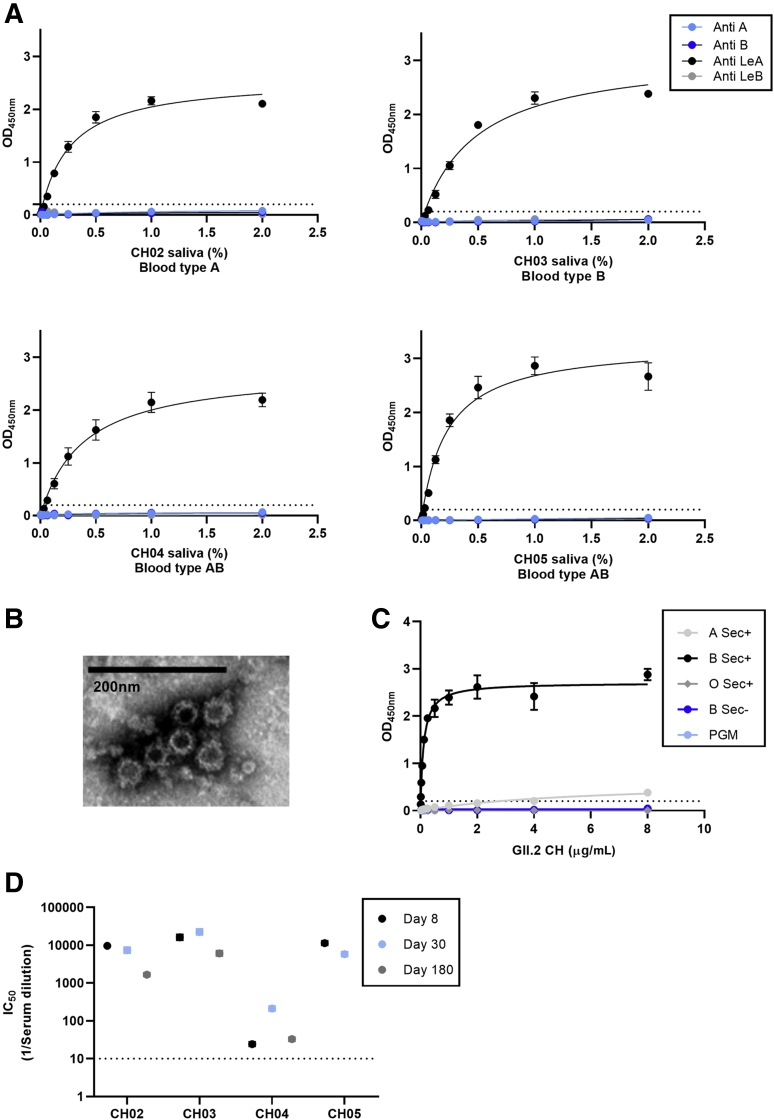
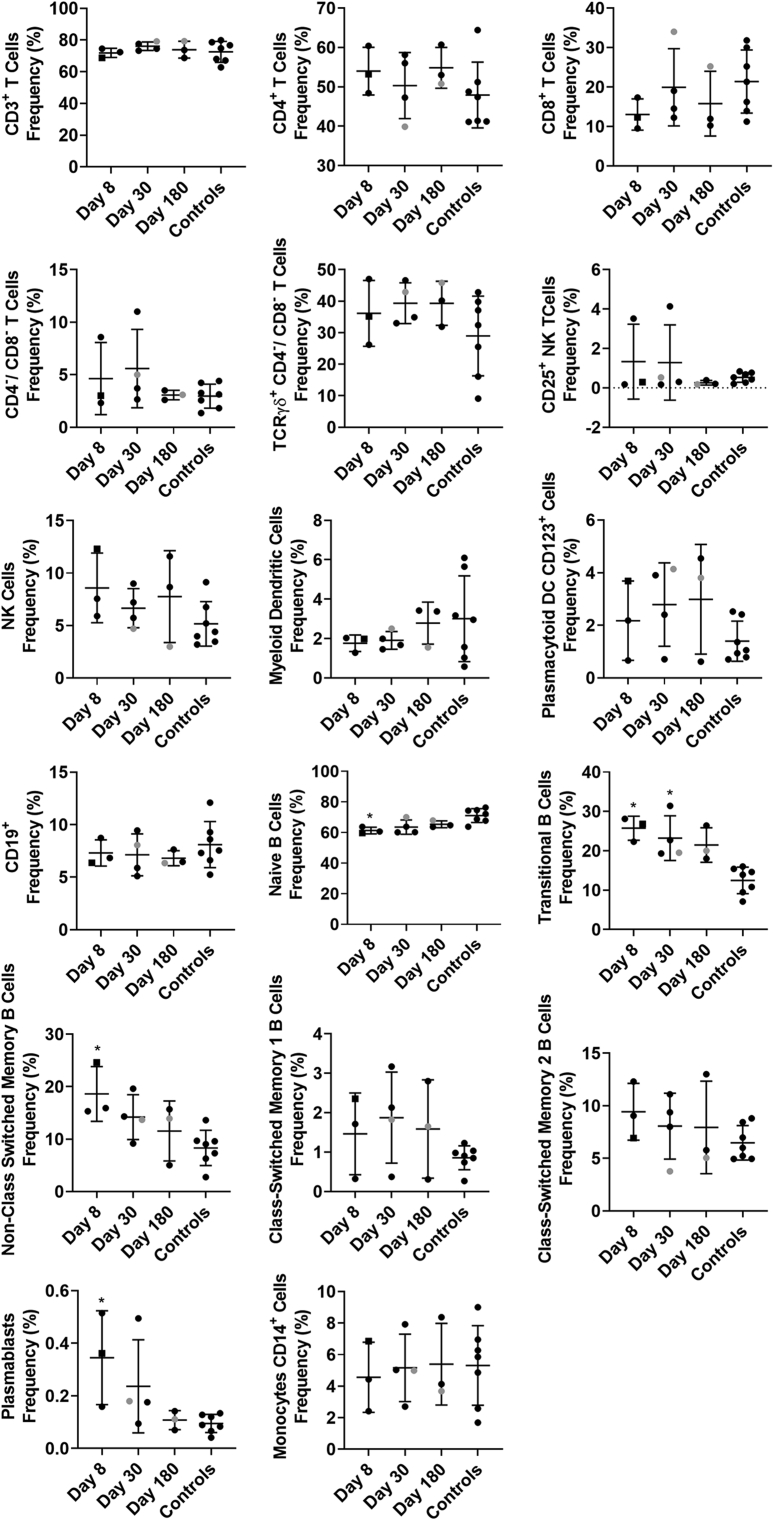
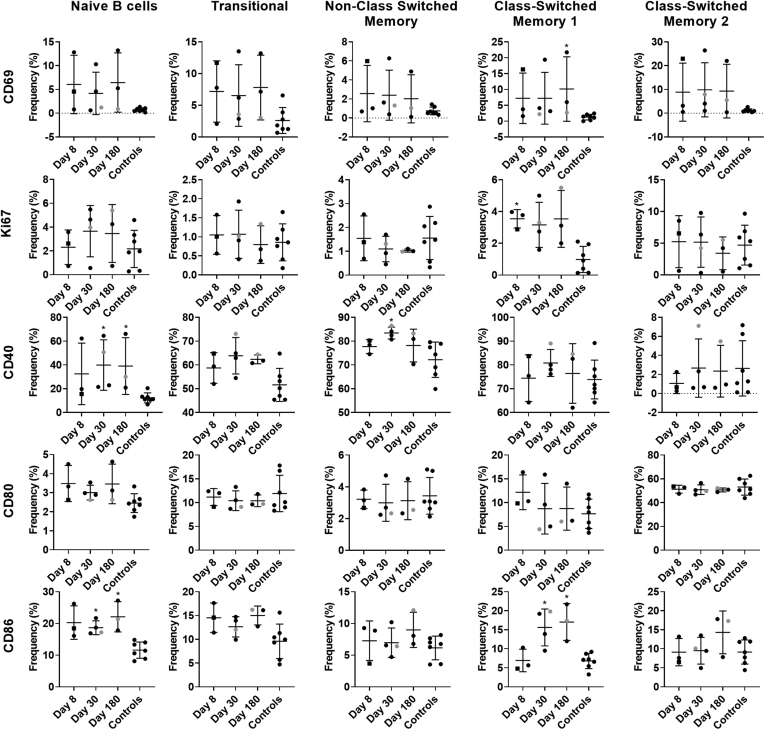
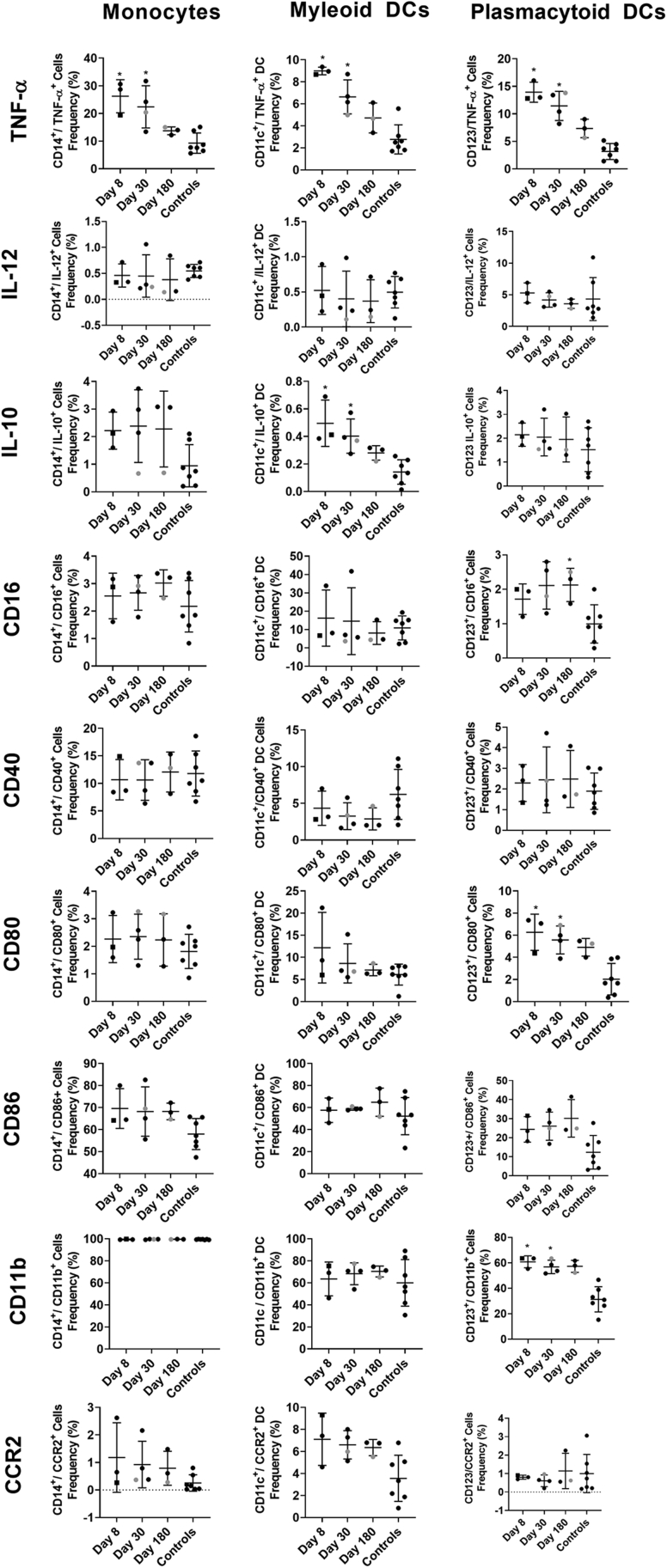
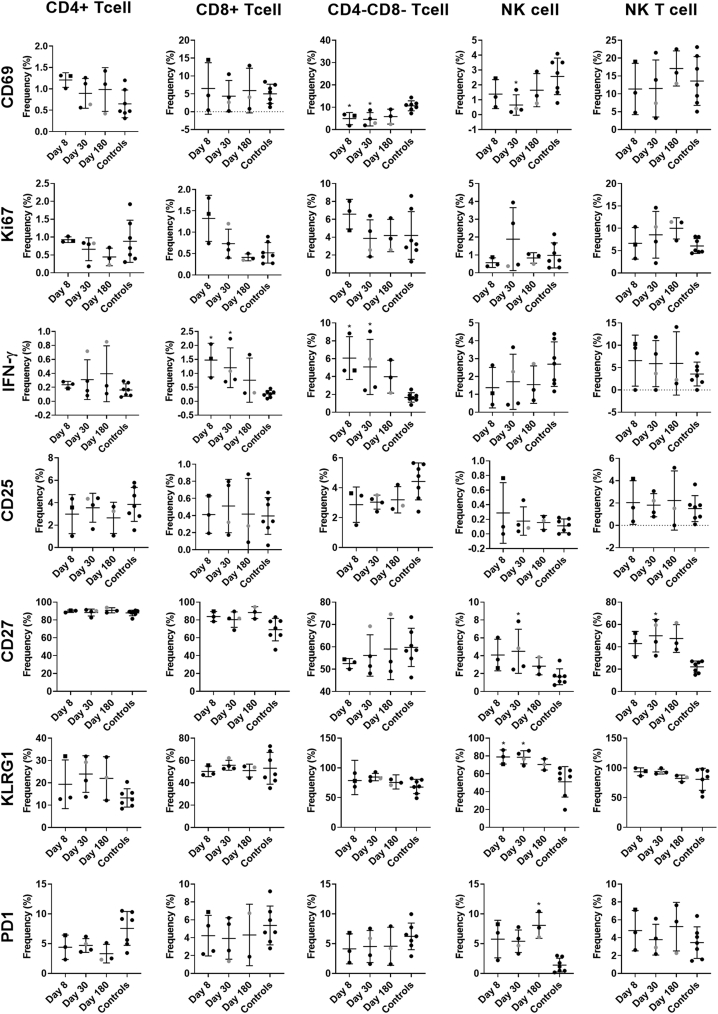
By using specimens collected from the first characterized nonsecretor cohort naturally infected with GII.2 human norovirus, we evaluated the breadth of serologic immunity by surrogate neutralization assays, and cellular activation and cytokine production by flow cytometry.
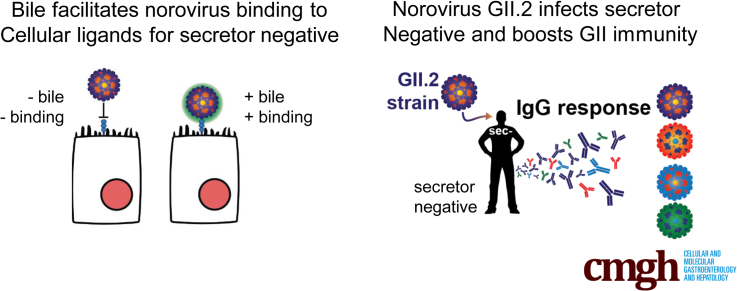
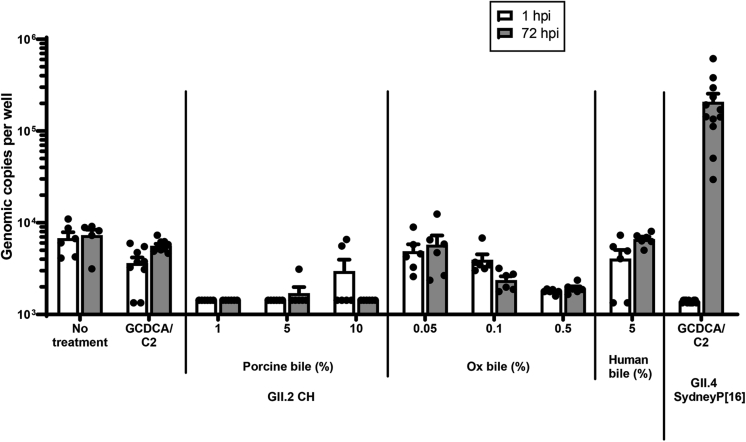
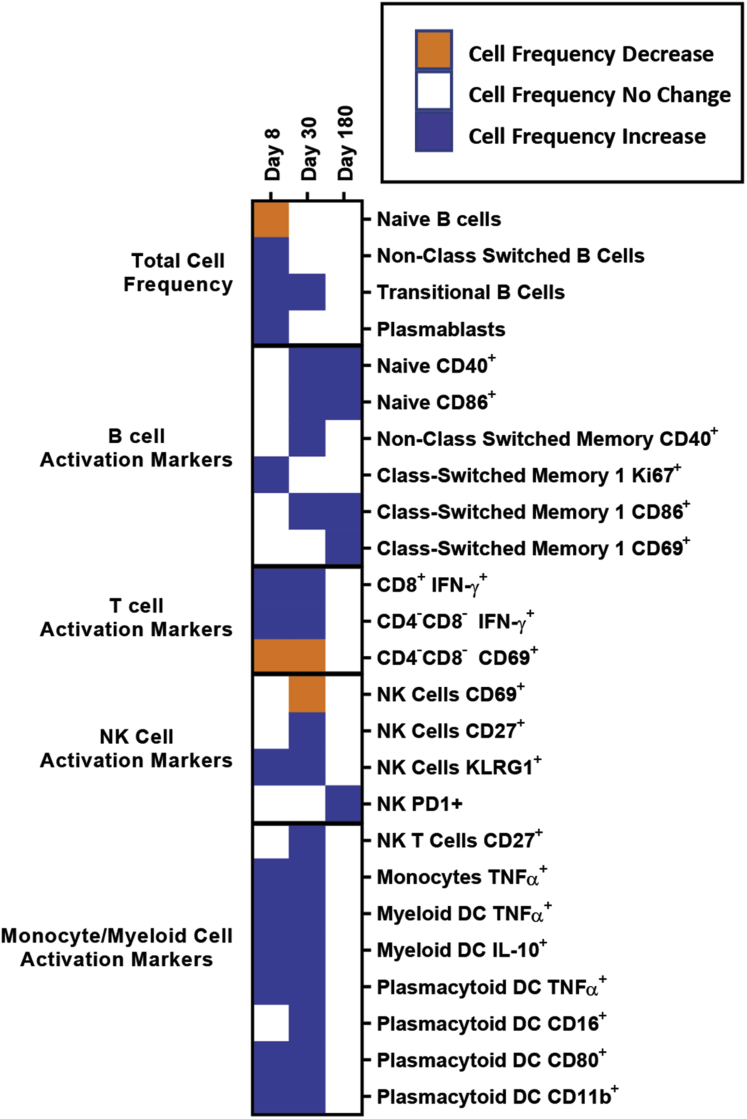
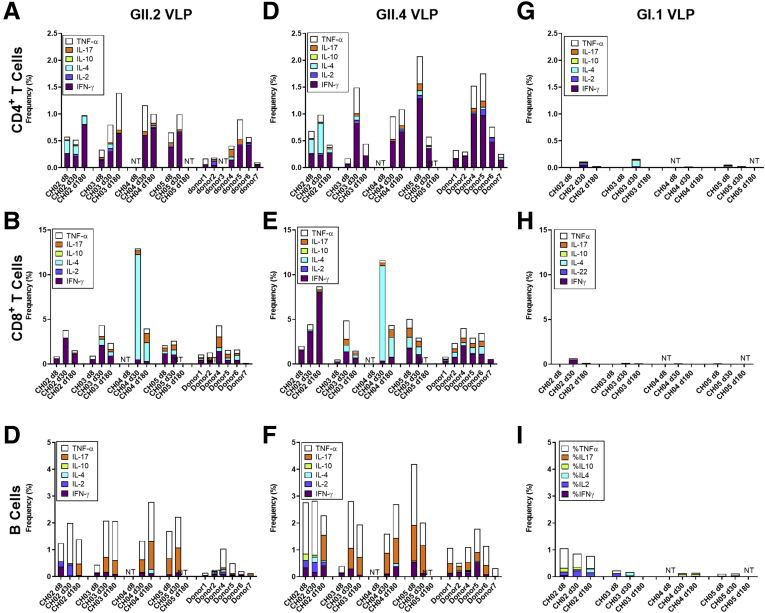
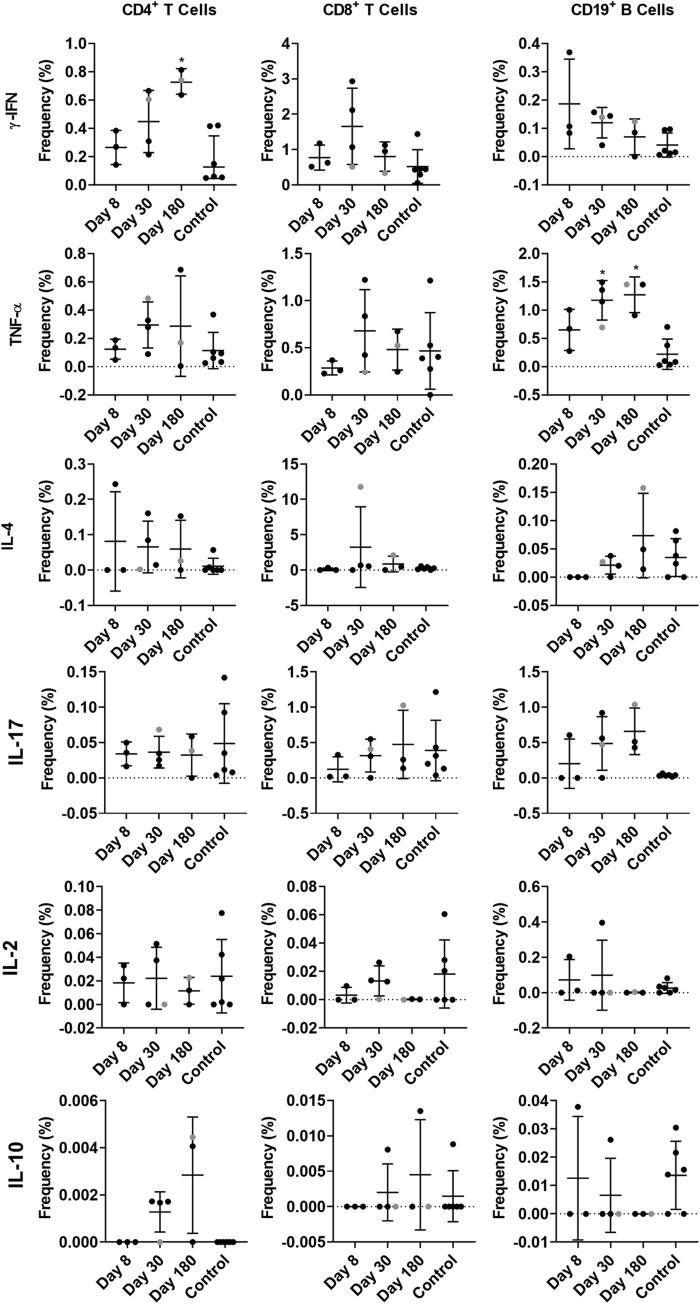
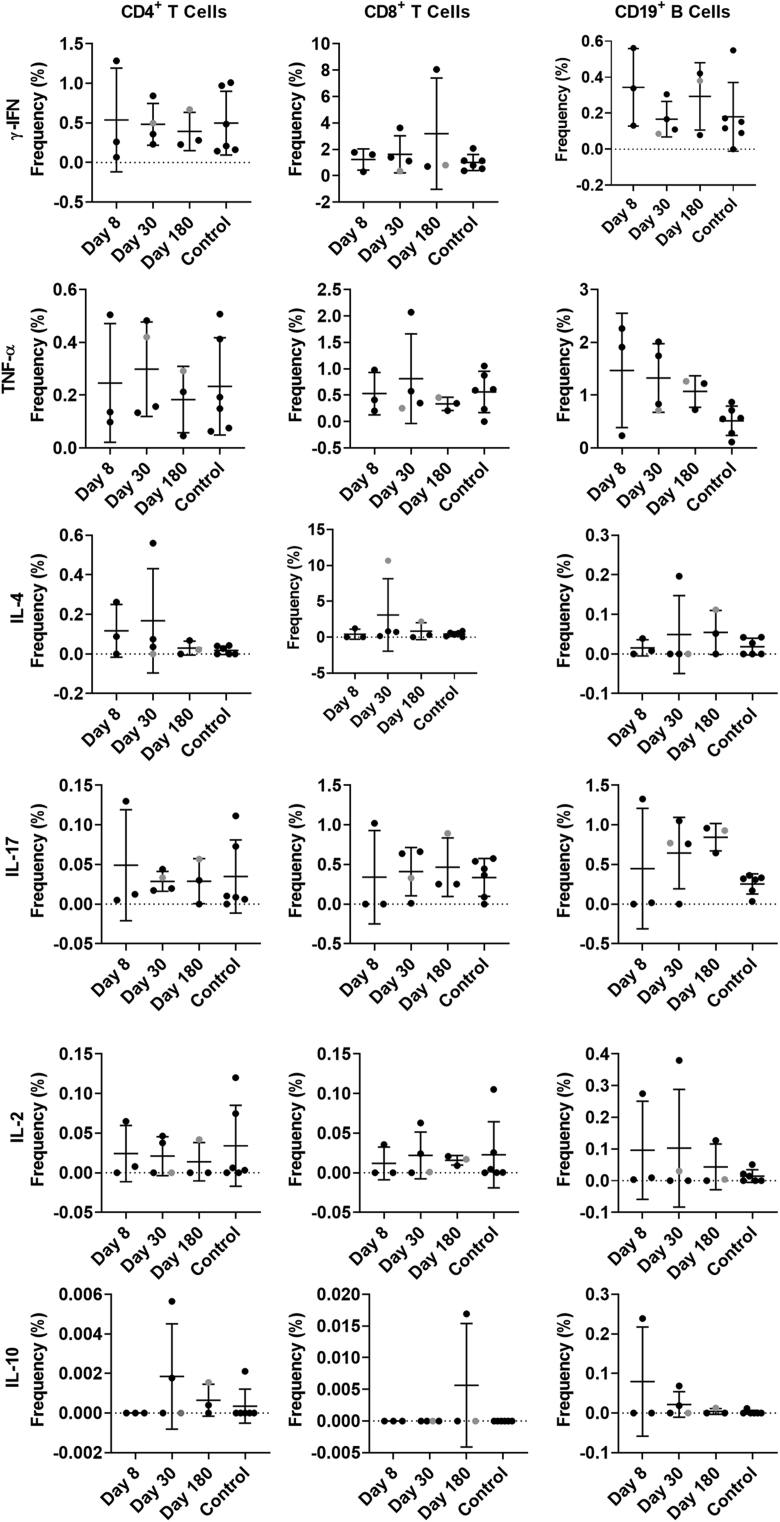
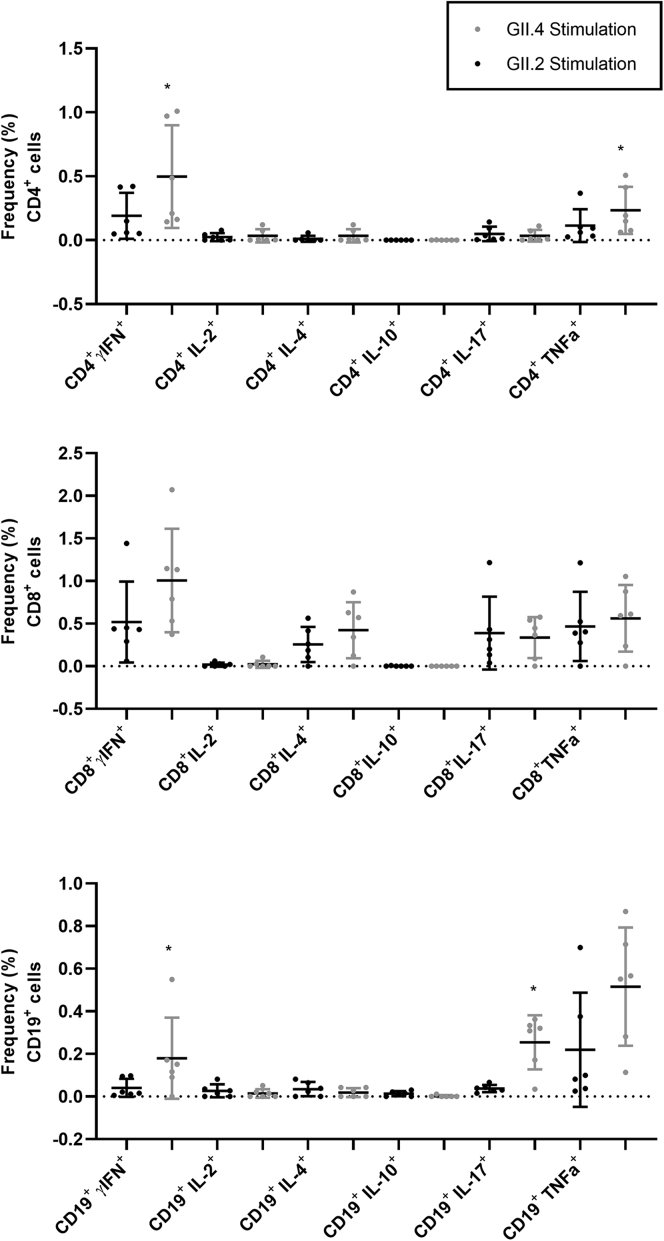
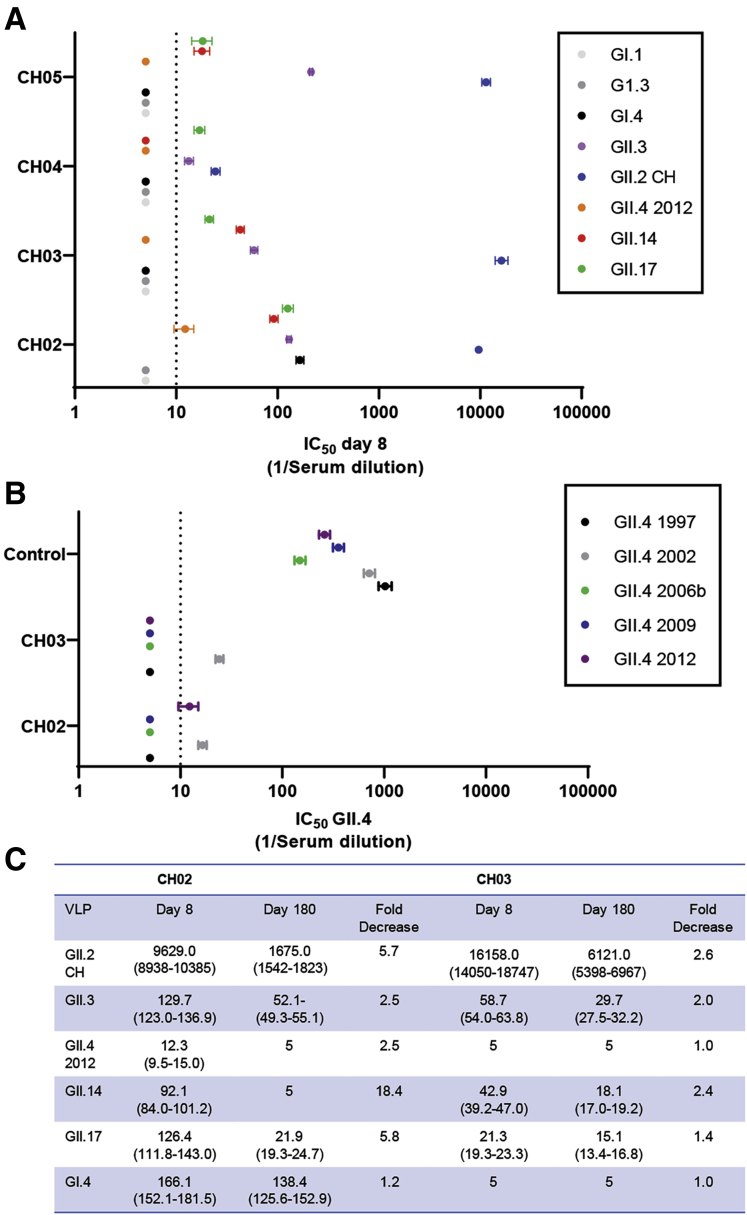
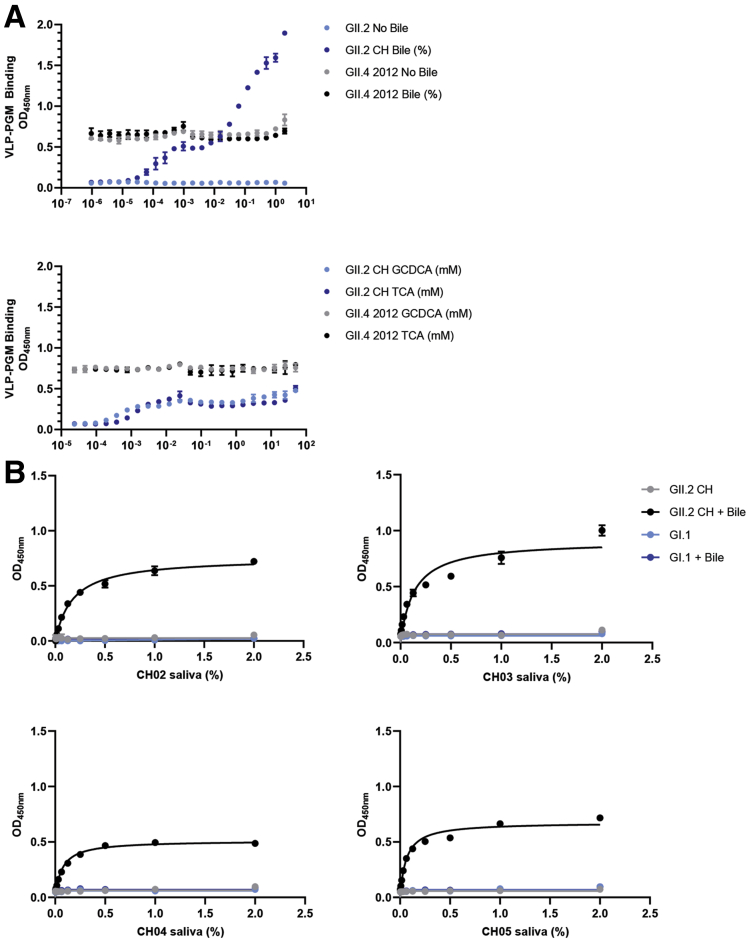
GII.2 infection resulted in broad antibody and cellular immunity activation that persisted for at least 30 days for T cells, monocytes, and dendritic cells, and for 180 days for blocking antibody. Multiple cellular lineages expressing interferon-γ and tumor necrosis factor-α dominated the response. Both T-cell and B-cell responses were cross-reactive with other GII strains, but not GI strains. To promote entry mechanisms, inclusion of bile acids was essential for GII.2 binding to nonsecretor HBGAs.
These data support development of within-genogroup, cross-reactive antibody and T-cell immunity, key outcomes that may provide the foundation for eliciting broad immune responses after GII.4 vaccination in individuals with limited GII.4 immunity, including young children.
人诺如病毒感染是急性胃肠炎的主要病因。由FUT2基因(分泌酶)介导的基因多态性决定了毒株易感性。分泌者在黏膜细胞上表达多种岩藻糖基化组织血型抗原碳水化合物(HBGA);非分泌者(FUT2)表达的HBGA种类有限。因此,非分泌者感染的诺如病毒株种类较少,包括对流行病学上占主导地位的GII.4毒株具有抗性。由于未来的人诺如病毒疫苗将包含GII.4抗原,且分泌者表型会影响GII.4感染和免疫,非分泌者在对GII.4疫苗接种的免疫反应上可能在免疫学上类似于幼儿,从而提供了一个在有限的预先接触情况下研究交叉保护的必要模型。
通过使用从首个特征明确的自然感染GII.2人诺如病毒的非分泌者队列中收集的标本,我们通过替代中和试验评估了血清免疫的广度,并通过流式细胞术评估了细胞活化和细胞因子产生情况。
GII.2感染导致广泛的抗体和细胞免疫激活,T细胞、单核细胞和树突状细胞的这种激活持续至少30天,阻断抗体的激活持续180天。表达干扰素-γ和肿瘤坏死因子-α的多个细胞谱系主导了这种反应。T细胞和B细胞反应均与其他GII毒株有交叉反应,但与GI毒株无交叉反应。为促进进入机制,胆汁酸的存在对于GII.2与非分泌者HBGA的结合至关重要。
这些数据支持基因组内交叉反应性抗体和T细胞免疫的开发,这些关键结果可能为在GII.4免疫力有限的个体(包括幼儿)中进行GII.4疫苗接种后引发广泛免疫反应提供基础。