Department of Medical Oncology and Hematology, University and University Hospital Zurich, Zurich, Switzerland.
Department of Dermatology, University and University Hospital Zurich, Zurich, Switzerland.
BMC Cancer. 2020 Apr 14;20(1):300. doi: 10.1186/s12885-020-06763-y.
Cancer immunotherapy via immune-checkpoint inhibition (ICI) by antibodies against cytotoxic T-lymphocyte-associated protein 4 (CTLA-4) and cell death protein 1 (PD-1) have significantly improved the outcome of metastasized melanoma and of a rapidly increasing number of other cancer types. The anti-tumor effect is often accompanied by immune-related adverse events (irAE). Hematological irAE, specifically neutropenia, are rarely observed. However, neutropenia is associated with high morbidity and mortality due to infection complications. Thus, early detection and treatment is crucial.
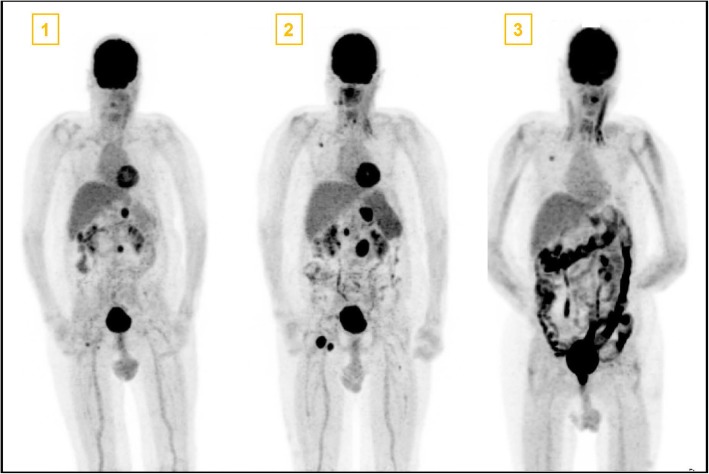
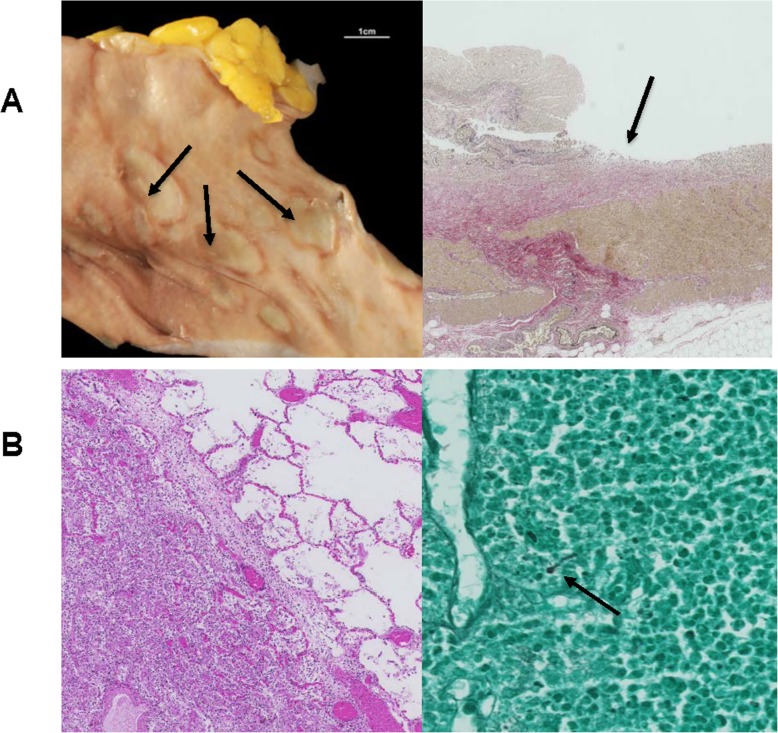
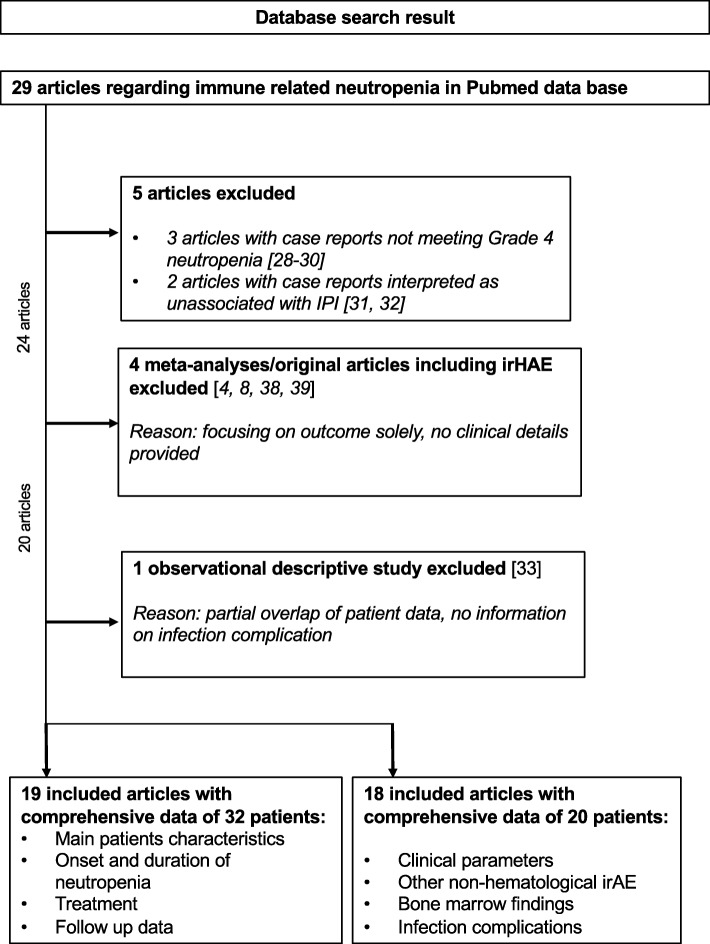
We present the clinical course of two patients with severe neutropenia after ICI therapy and demonstrate the difficulty of the diagnosis when a comedication of metamizole, a well-known analgesic drug used to treat cancer pain, is present. Further, we provide a comprehensive descriptive and statistical analysis of published data on diagnostics, treatment and infection complication in patients with at least grade 4 neutropenia by a systematic database search.
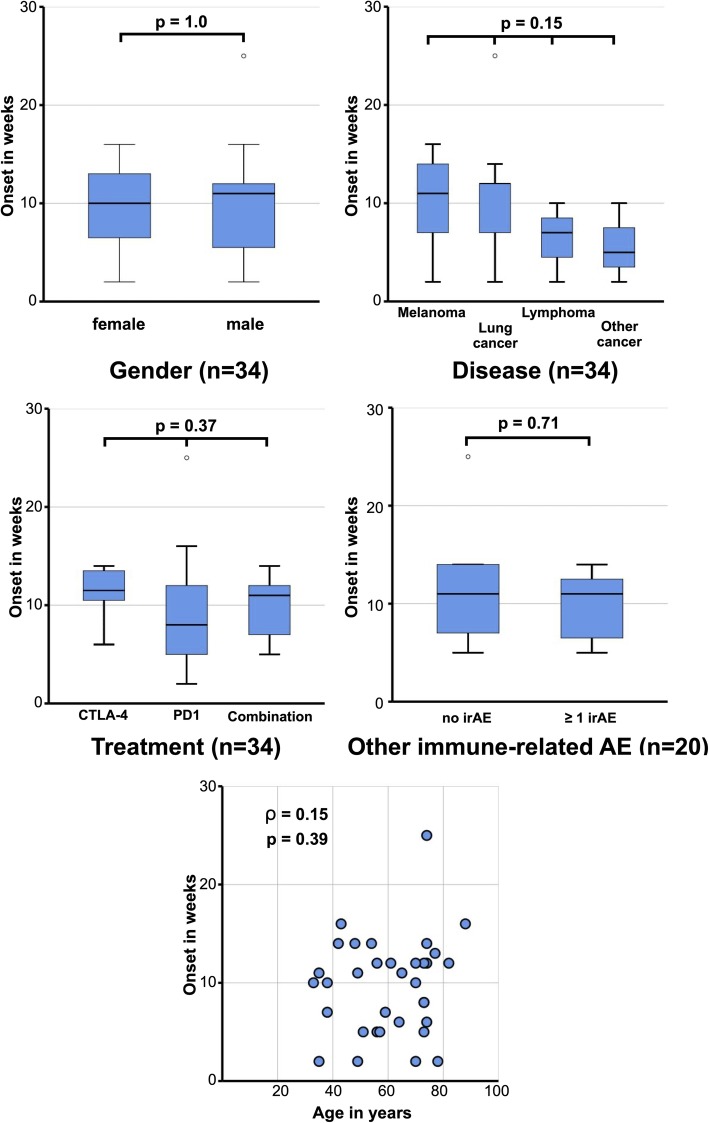
Finally, 34 patients were analyzed, including the two case reports from our cohort. The median onset of neutropenia was 10.5 weeks after first ICI administration (interquartile range: 6 weeks). In 76% (N = 26), a normalization of the neutrophil count was achieved after a median duration of neutropenia of 13 days. In a subsample of 22 patients with detailed data, the infection rate was 13%, proven by positive blood culture in 3 cases, but 68% (N = 15) presented with fever > 38 °C. Treatment regime differed relevantly, but mainly included G-CSF and intravenous corticosteroids. Death was reported in 14 patients (41%), 3 of whom (9%) were associated with hematological irAE but only two directly associated with neutropenia.
With an increasing number of cancer patients eligible to ICI therapy, the incidence of severe hematological toxicities may rise substantially over the next years. Clinicians working in the field of cancer immune therapies should be aware of neutropenia as irAE to provide immediate treatment.
通过针对细胞毒性 T 淋巴细胞相关蛋白 4(CTLA-4)和细胞死亡蛋白 1(PD-1)的抗体进行癌症免疫疗法(ICI),已显著改善了转移性黑色素瘤和越来越多的其他癌症类型的治疗效果。该治疗方法的抗肿瘤作用常伴有免疫相关不良反应(irAE)。血液学 irAE,特别是中性粒细胞减少症,很少见。然而,中性粒细胞减少症与因感染并发症导致的高发病率和死亡率有关。因此,早期检测和治疗至关重要。
我们介绍了两例接受 ICI 治疗后出现严重中性粒细胞减少症的患者的临床经过,并展示了当存在一种常用的止痛药物氨基比林(metamizole)合用时,诊断的难度。此外,我们通过系统的数据库搜索,对至少有 4 级中性粒细胞减少症的患者的诊断、治疗和感染并发症的已发表数据进行了全面的描述性和统计分析。
最终,共分析了 34 名患者,包括来自我们队列的两例病例报告。中性粒细胞减少症的中位发病时间为首次接受 ICI 治疗后 10.5 周(四分位距:6 周)。在 76%(N=26)的患者中,中性粒细胞减少症的中位持续时间为 13 天后,中性粒细胞计数恢复正常。在有详细数据的 22 名患者的亚组中,感染率为 13%,3 例通过血培养阳性证实,但 68%(N=15)表现为体温 >38°C。治疗方案存在明显差异,但主要包括 G-CSF 和静脉皮质类固醇。有 14 名患者(41%)报告死亡,其中 3 名(9%)与血液学 irAE 相关,但只有 2 名与中性粒细胞减少症直接相关。
随着越来越多的癌症患者有资格接受 ICI 治疗,严重血液学毒性的发生率在未来几年可能会大幅上升。从事癌症免疫治疗领域的临床医生应意识到中性粒细胞减少症是 irAE,以便立即进行治疗。