Institute of Traditional Chinese Medicine, Tianjin University of Traditional Chinese Medicine, Tianjin, 301617, China.
Key Laboratory of Pharmacology of Traditional Chinese Medical Formulae, Ministry of Education, Tianjin University of Traditional Chinese Medicine, Tianjin, 301617, China.
BMC Complement Med Ther. 2020 Apr 15;20(1):112. doi: 10.1186/s12906-020-02905-8.
Shenmai injection (SMI) has been used in the treatment of cardiovascular disease (CVD), such as heart failure, myocardial ischemia and coronary heart disease. It has been found to have efficacy on doxorubicin (DOX)-induced cardiomyopathy. The aims of this study were to explore the underlying molecular mechanisms of SMI treatment on CVD by using network pharmacology and its protective effect on DOX-induced cardiotoxicity by in vitro and in vivo experiment based on network pharmacology prediction.
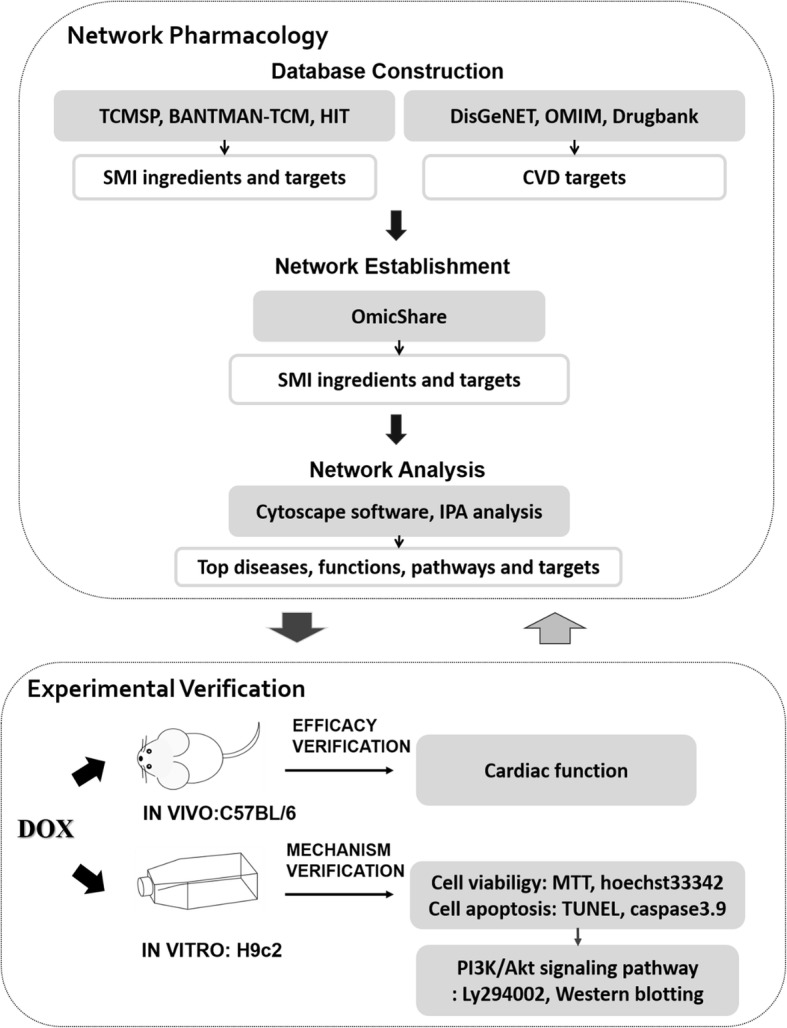
Network pharmacology method was used to reveal the relationship between ingredient-target-disease and function-pathway of SMI on the treatment of CVD. Chemical ingredients of SMI were collected form TCMSP, BATMAN-TCM and HIT Database. Drugbank, DisGeNET and OMIM Database were used to obtain potential targets for CVD. Networks were visualized utilizing Cytoscape software, and the enrichment analysis was performed using IPA system. Finally, cardioprotective effects and predictive mechanism confirmation of SMI were investigated in H9c2 rat cardiomyocytes and DOX-injured C57BL/6 mice.
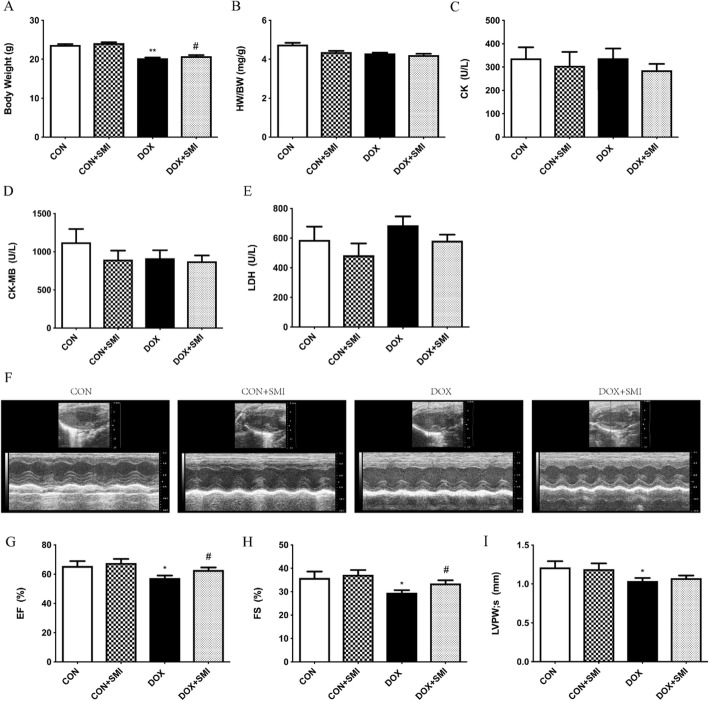
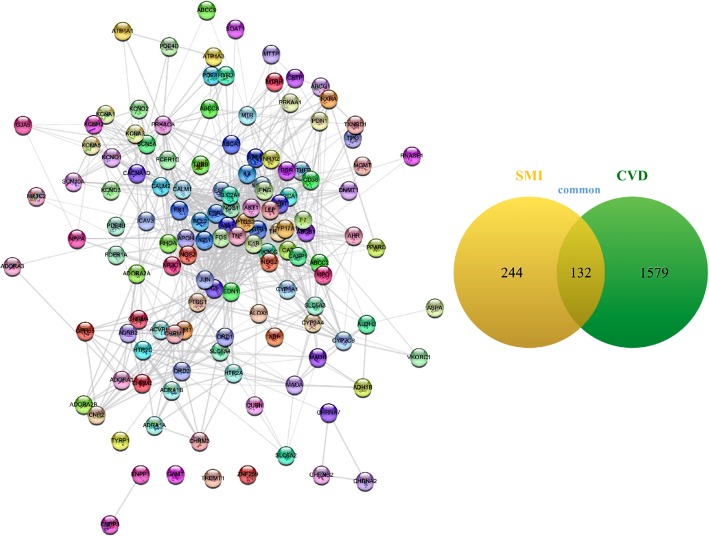
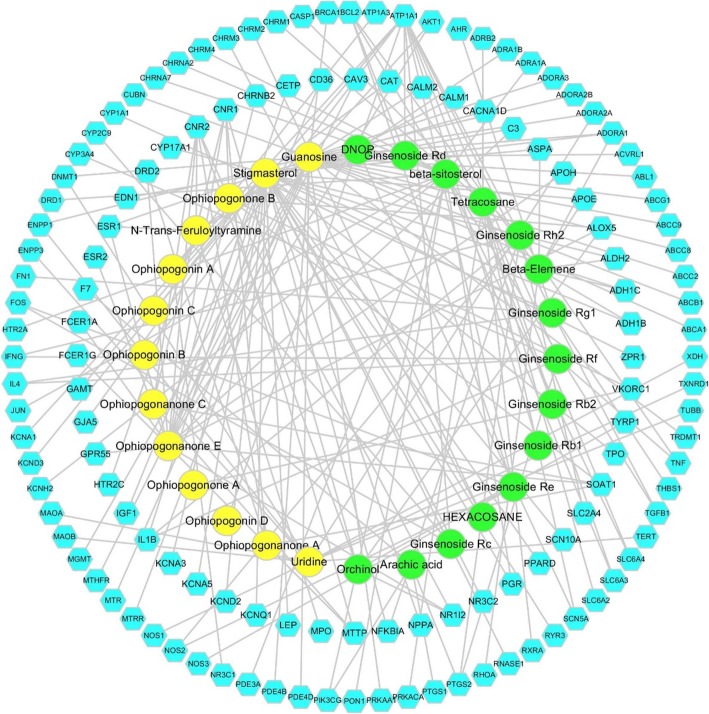
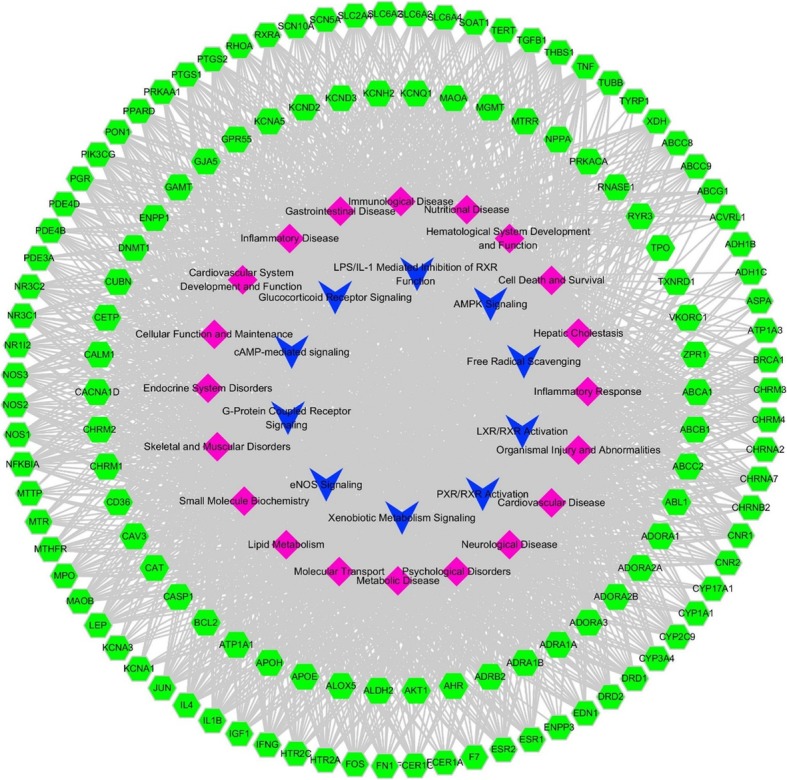
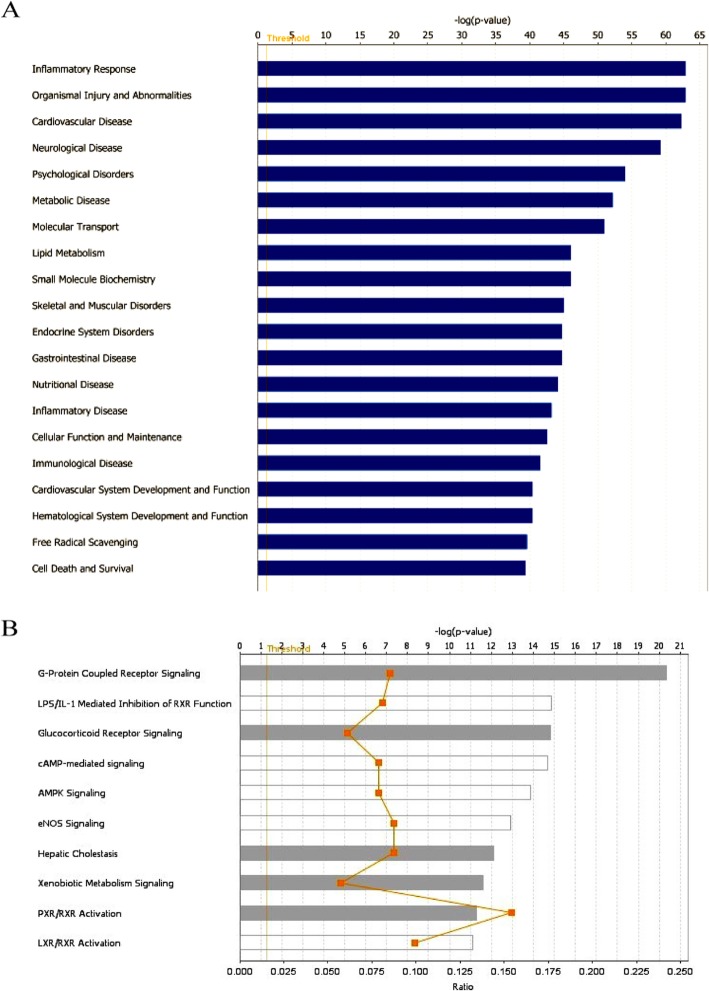
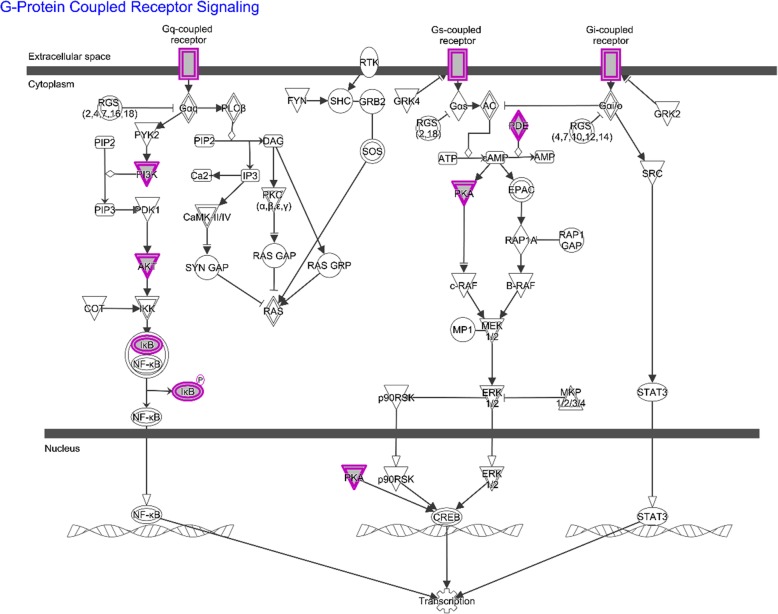
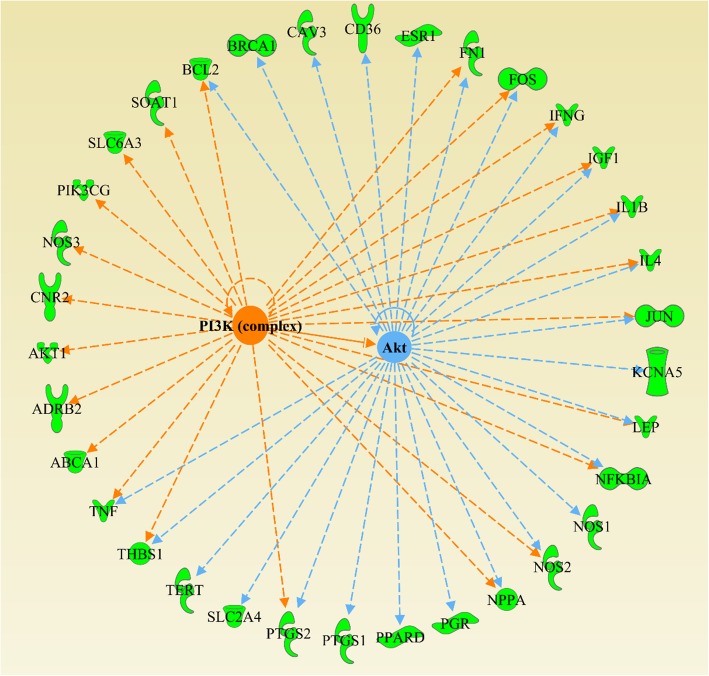
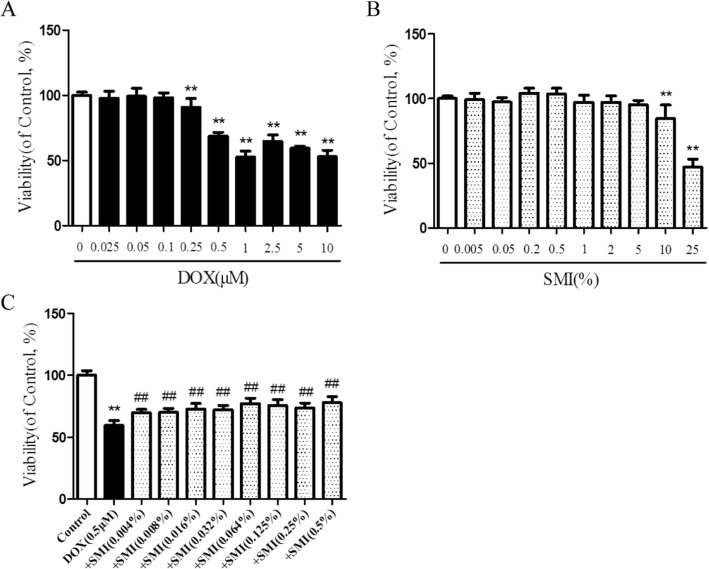
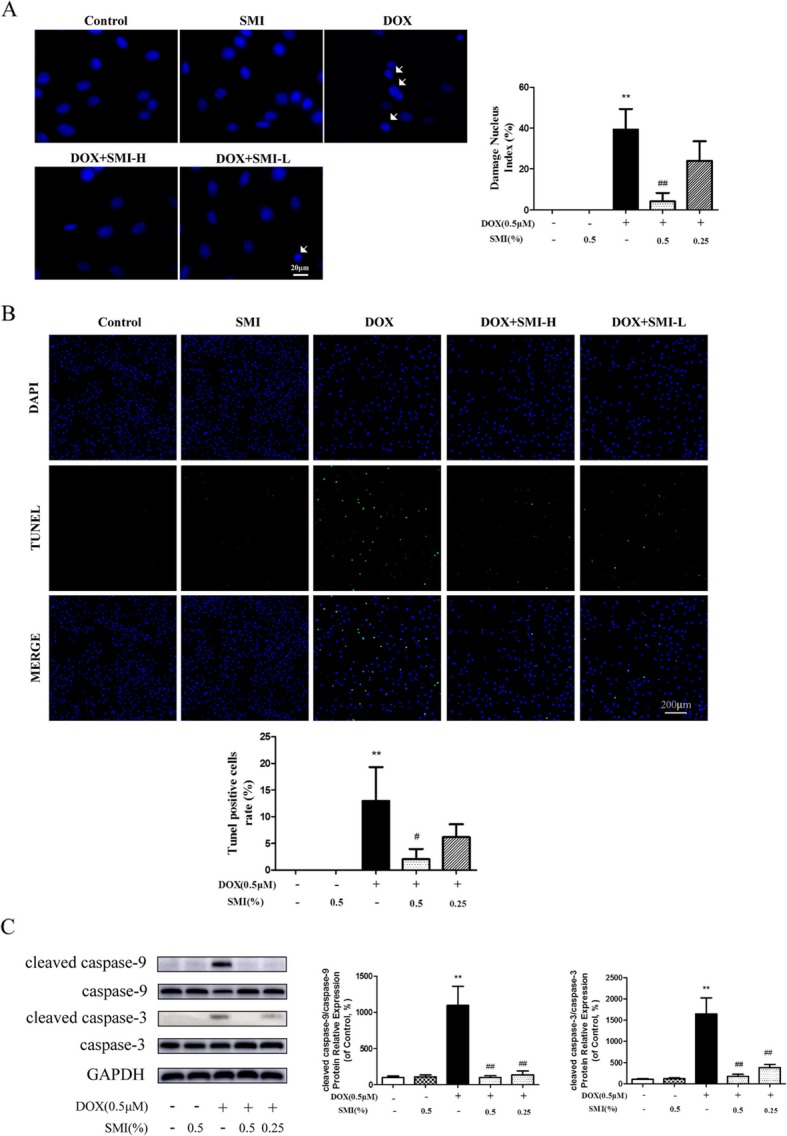
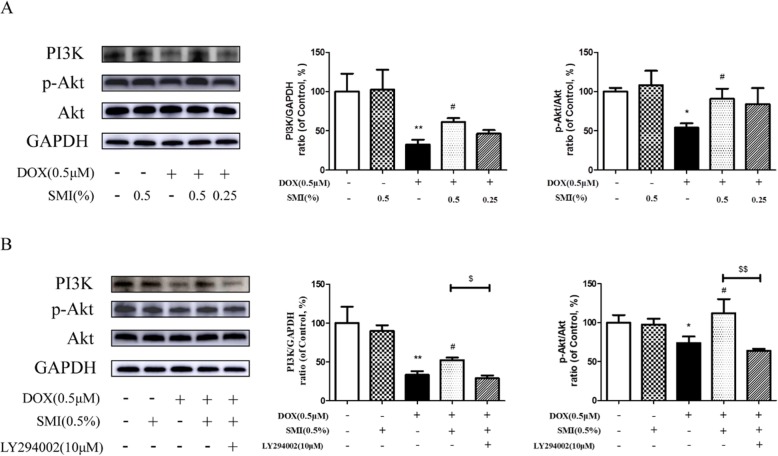
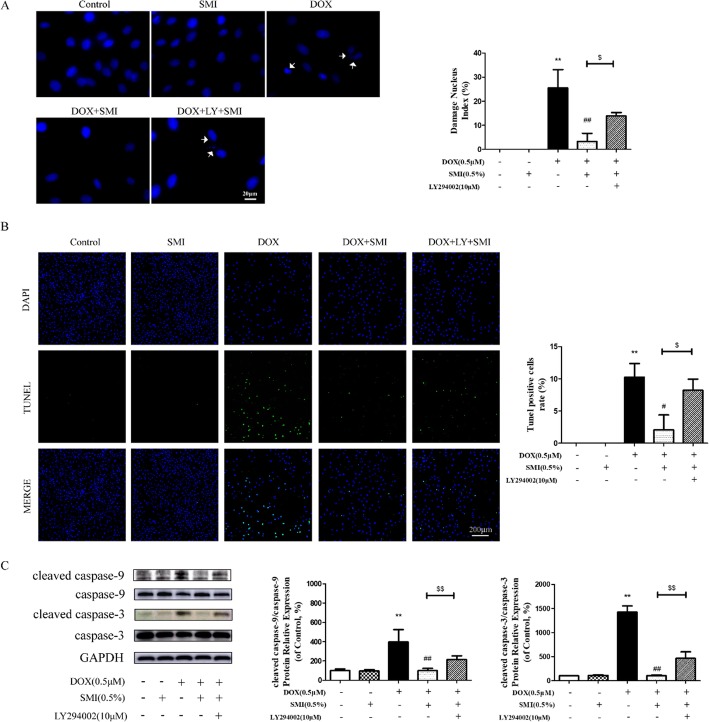
An ingredient-target-disease & function-pathway network demonstrated that 28 ingredients derived from SMI modulated 132 common targets shared by SMI and CVD. The analysis of diseases & functions, top pathways and upstream regulators indicated that the cardioprotective effects of SMI might be associated with 28 potential ingredients, which regulated the 132 targets in cardiovascular disease through regulation of G protein-coupled receptor signaling. In DOX-injured H9c2 cardiomyocytes, SMI increased cardiomyocytes viability, prevented cell apoptosis and increased PI3K and p-Akt expression. This protective effect was markedly weakened by PI3K inhibitor LY294002. In DOX-treated mice, SMI treatment improved cardiac function, including enhancement of ejection fraction and fractional shortening.
Collectively, the protective effects of SMI on DOX-induced cardiotoxicity are possibly related to the activation of the PI3K/Akt pathway, as the downstream of G protein-coupled receptor signaling pathway.
参麦注射液(SMI)已用于治疗心血管疾病(CVD),如心力衰竭、心肌缺血和冠心病。已发现其对多柔比星(DOX)诱导的心肌病有疗效。本研究旨在通过网络药理学预测,利用网络药理学方法探讨 SMI 治疗 CVD 的潜在分子机制及其对 DOX 诱导的心脏毒性的保护作用,并进行体外和体内实验。
网络药理学方法用于揭示 SMI 治疗 CVD 的成分-靶标-疾病和功能-途径之间的关系。从 TCMSP、BATMAN-TCM 和 HIT 数据库中收集 SMI 的化学成分。Drugbank、DisGeNET 和 OMIM 数据库用于获得 CVD 的潜在靶点。利用 Cytoscape 软件可视化网络,并使用 IPA 系统进行富集分析。最后,在 H9c2 大鼠心肌细胞和 DOX 损伤的 C57BL/6 小鼠中研究了 SMI 的心脏保护作用和预测机制。
成分-靶标-疾病和功能-途径网络表明,SMI 中的 28 种成分调节了 SMI 和 CVD 共有的 132 个共同靶点。疾病和功能分析、顶级途径和上游调节剂分析表明,SMI 的心脏保护作用可能与 28 种潜在成分有关,这些成分通过调节心血管疾病中的 G 蛋白偶联受体信号,调节 132 个靶点。在 DOX 损伤的 H9c2 心肌细胞中,SMI 增加了心肌细胞活力,防止细胞凋亡,并增加了 PI3K 和 p-Akt 的表达。这种保护作用被 PI3K 抑制剂 LY294002 显著减弱。在 DOX 处理的小鼠中,SMI 治疗改善了心脏功能,包括提高射血分数和缩短分数。
综上所述,SMI 对 DOX 诱导的心脏毒性的保护作用可能与 G 蛋白偶联受体信号通路的下游 PI3K/Akt 通路的激活有关。