Department of Clinical Immunology, Institute of Laboratory Medicine, Guangdong Medical University, Dongguan, China.
Guangdong Provincial Key Laboratory of Medical Molecular Diagnostics, Guangdong Medical University, Dongguan, China.
Front Immunol. 2020 Mar 31;11:518. doi: 10.3389/fimmu.2020.00518. eCollection 2020.
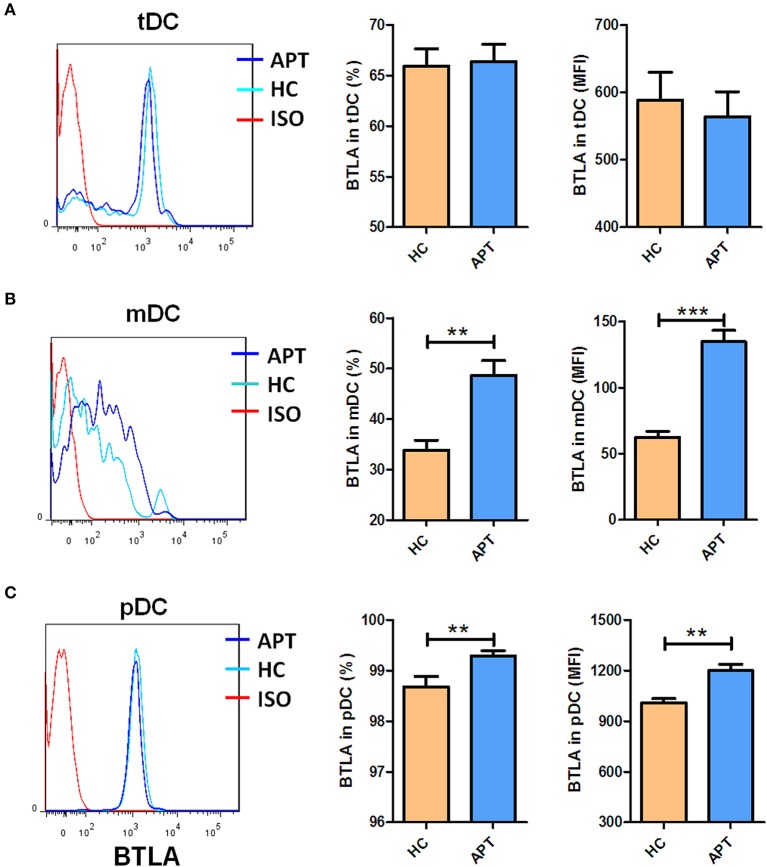
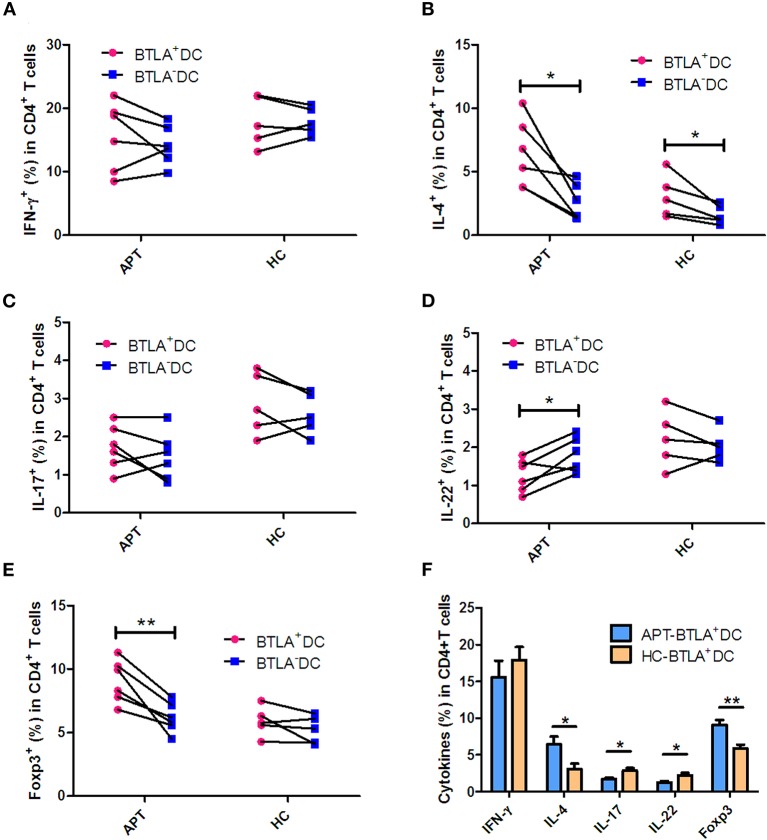
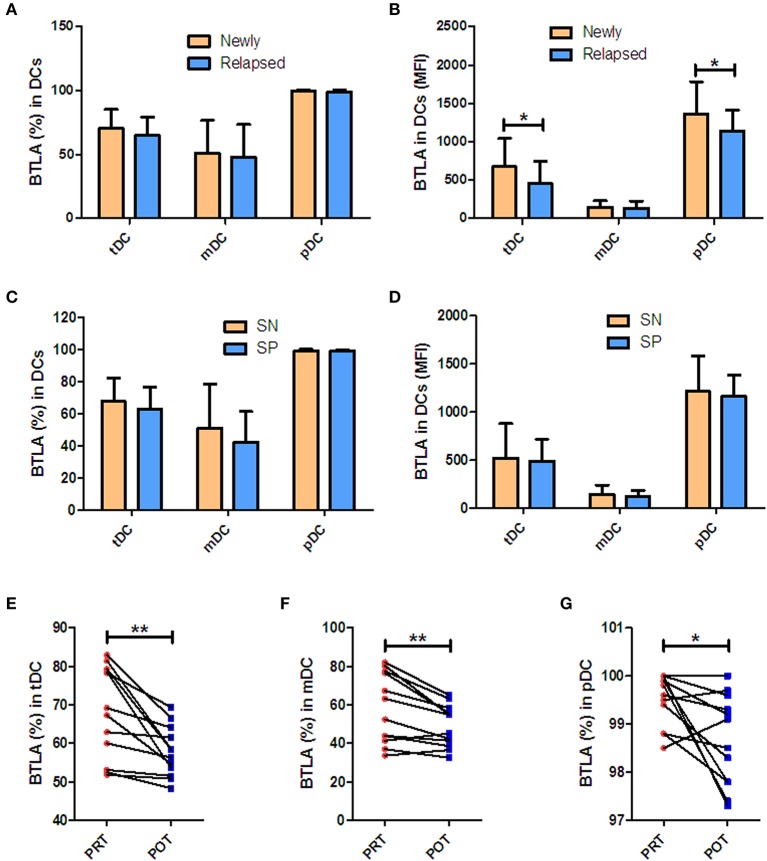
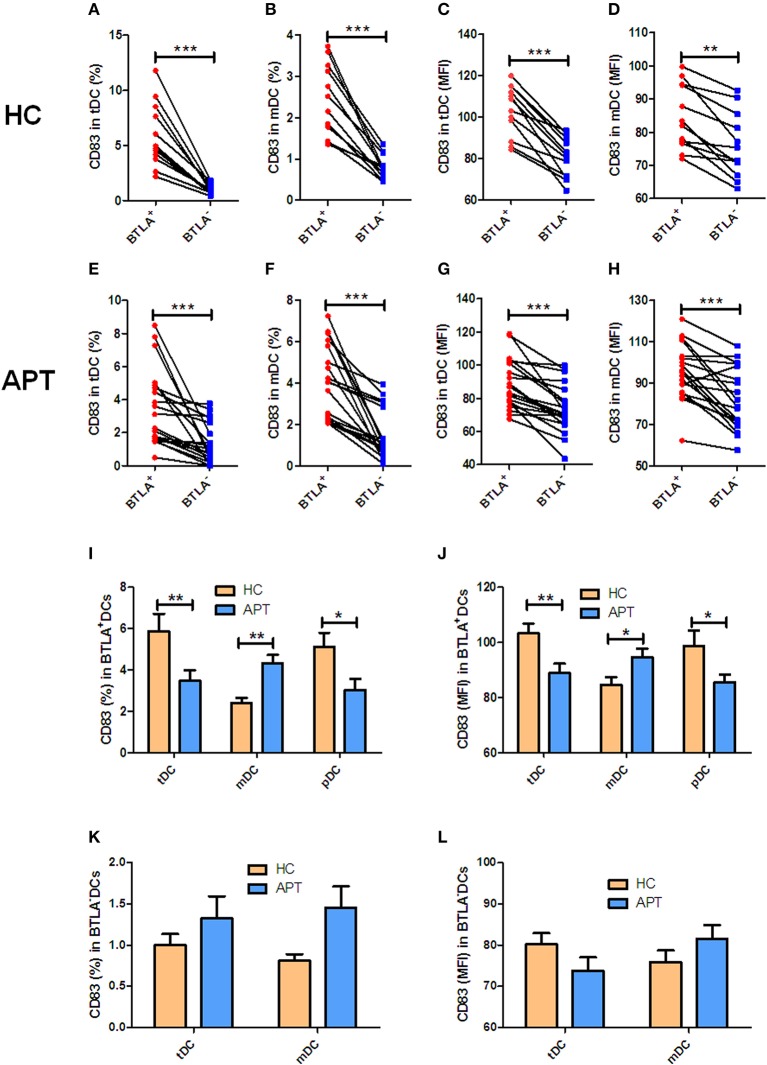
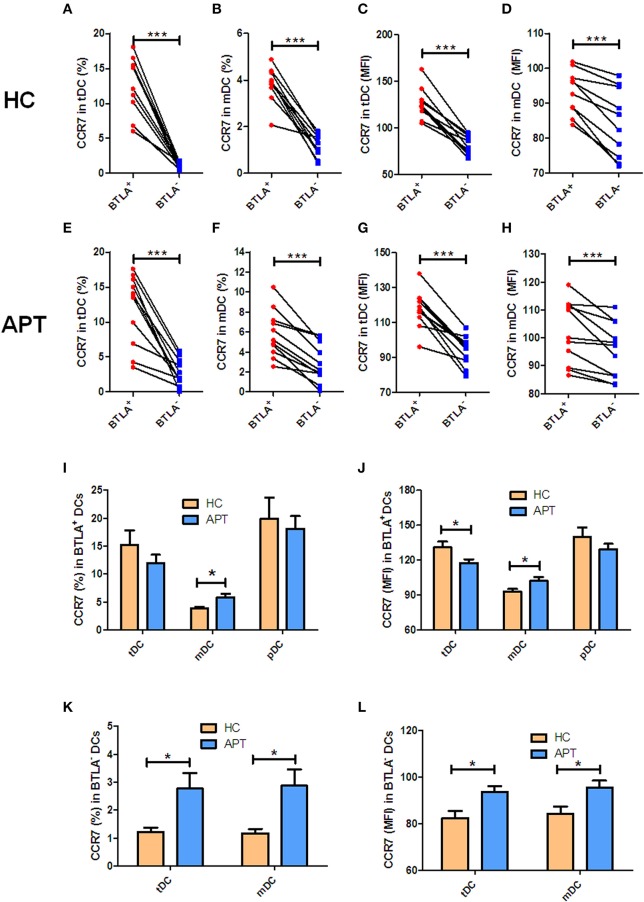
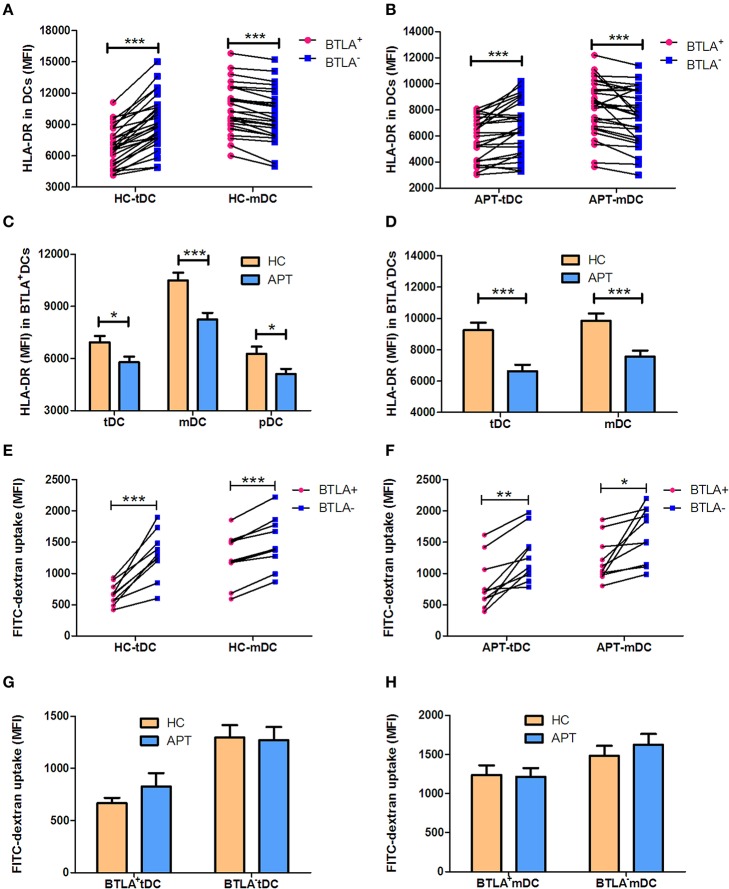
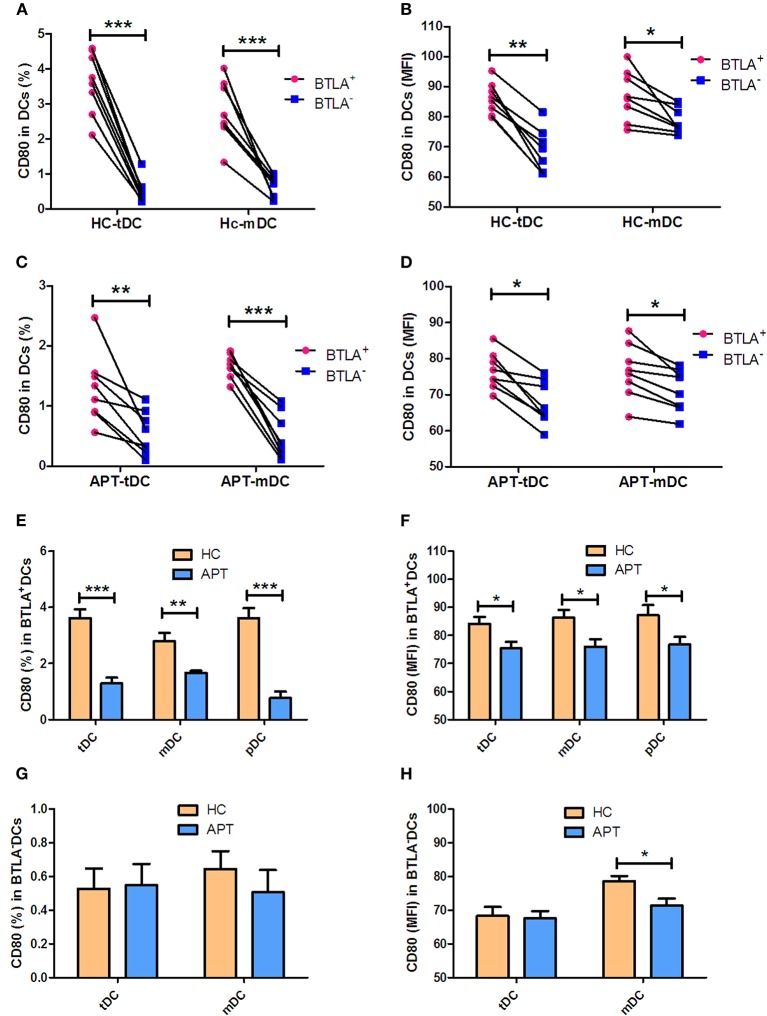
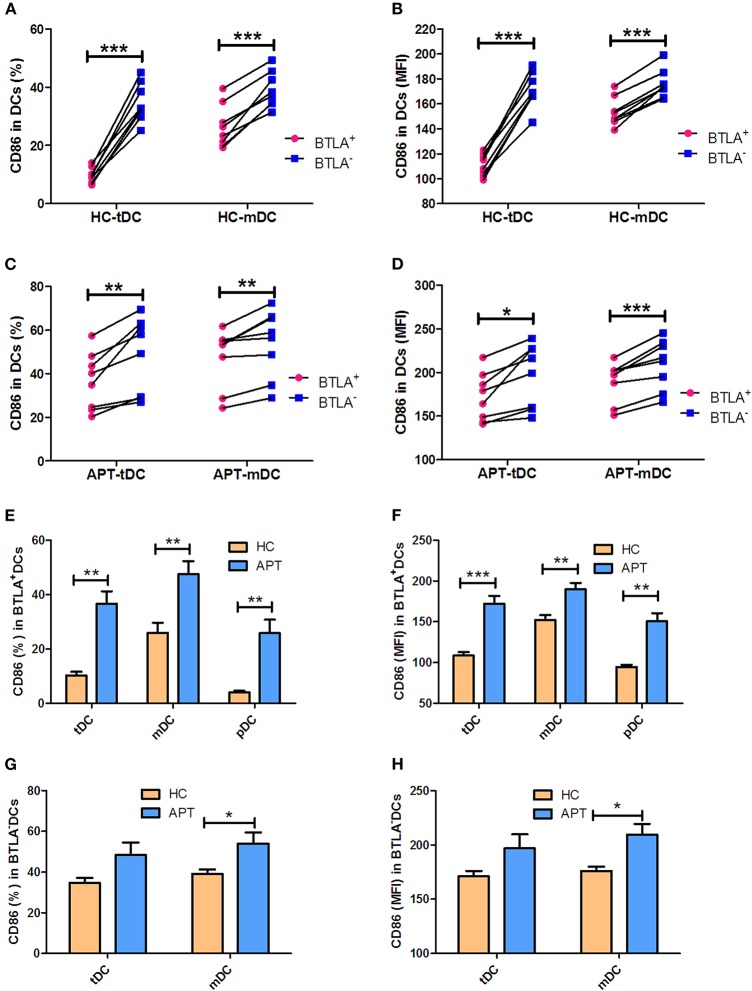
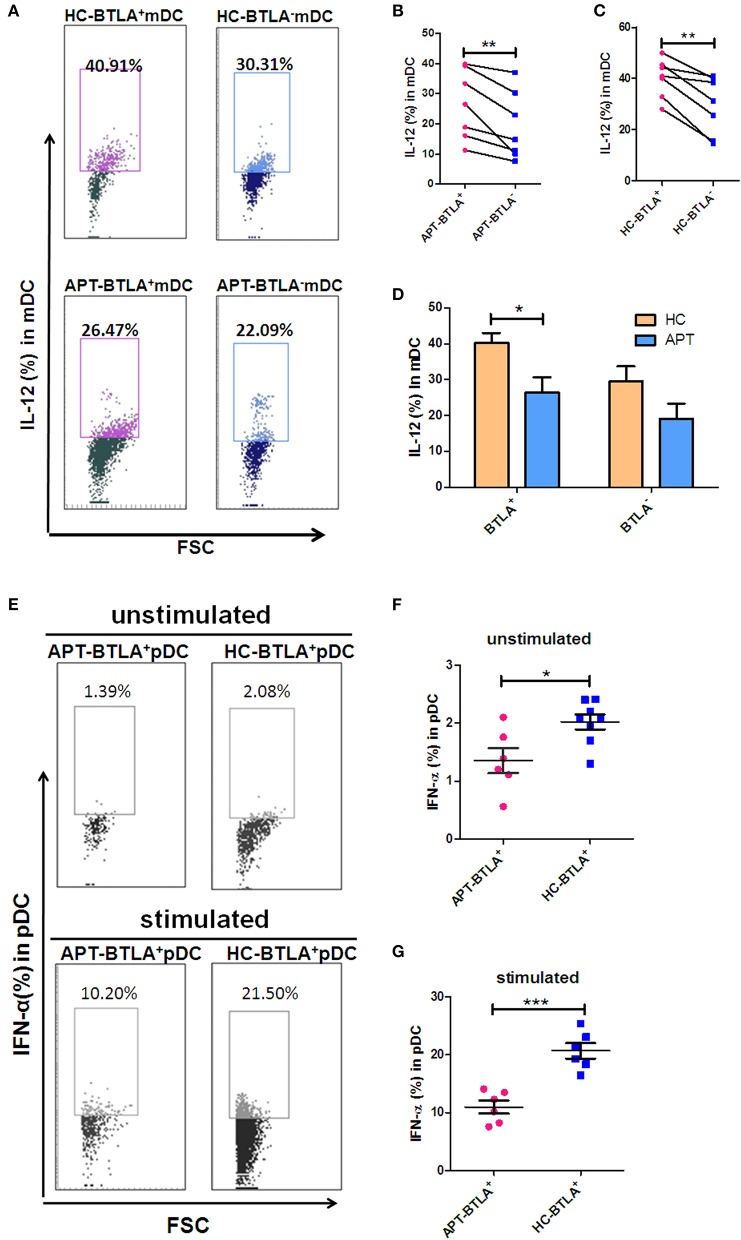
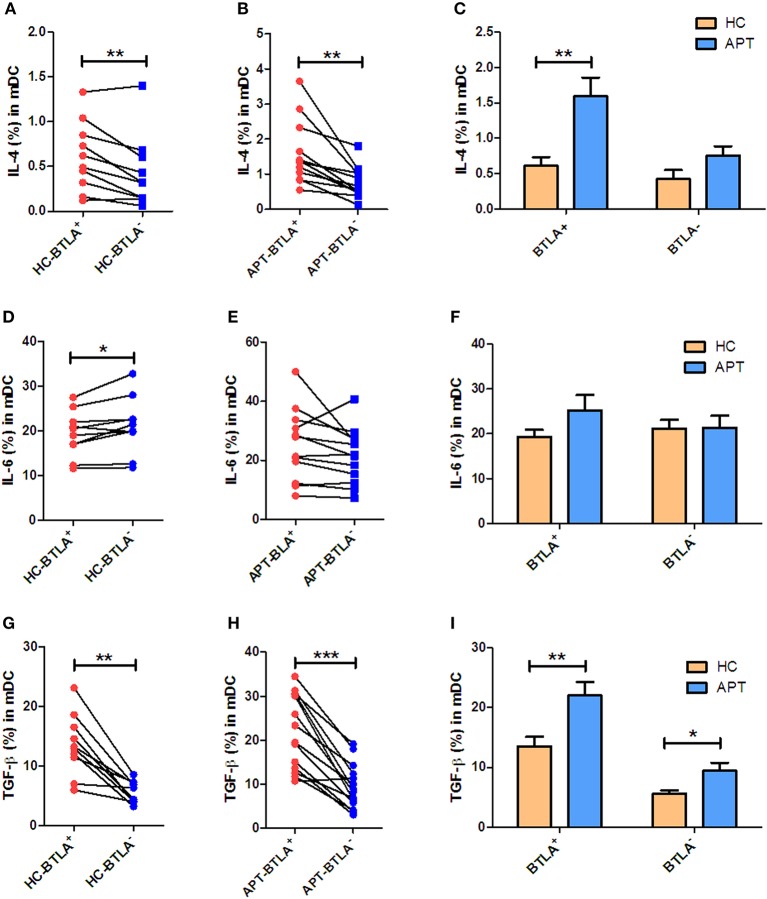
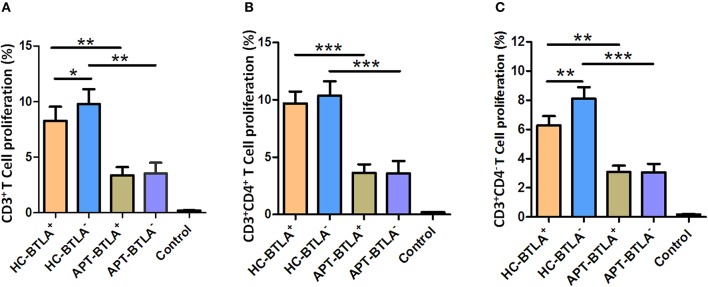
Little is known about how tuberculosis (TB) impairs dendritic cell (DC) function and anti-TB immune responses. We previously showed that the B and T lymphocyte attenuator (BTLA), an immune inhibitory receptor, is involved in TB pathogenesis. Here, we examined whether BTLA expression in TB affects phenotypic and functional aspects of DCs. Active TB patients exhibited higher expression of BTLA in myeloid dendritic cells (mDCs) and plasmacytoid DCs (pDCs) subsets compared with healthy controls (HCs). BTLA expression was similarly high in untreated TB, TB relapse, and sputum-bacillus positive TB, but anti-TB therapy reduced TB-driven increases in frequencies of BTLA DCs. BTLA DCs in active TB showed decreased expression of the DC maturation marker CD83, with an increased expression of CCR7 in mDCs. BTLA DCs in active TB displayed a decreased ability to express HLA-DR and to uptake foreign antigen, with a reduced expression of the co-stimulatory molecule CD80, but not CD86. Functionally, BTLA DCs in active TB showed a decreased production of IL-12 and IFN-α as well as a reduced ability to stimulate allogeneic T-cell proliferative responses. BTLA mDCs produced larger amounts of IL-4 and TGF-β than BTLA mDCs in both HCs and APT patients. BTLA DCs from active TB patients showed a reduced ability to stimulate Mtb antigen-driven Th17 and Th22 polarizations as compared to those from HCs. Conversely, these BTLA DCs more readily promoted the differentiation of T regulatory cells (Treg) and Th2 than those from HCs. These findings suggest that TB-driven BTLA expression in DCs impairs the expression of functional DC surrogate markers and suppress the ability of DCs to induce anti-TB Th17 and Th22 response while promoting Th2 and Foxp3 Tregs.
目前对于结核病(TB)如何损害树突状细胞(DC)功能和抗 TB 免疫反应知之甚少。我们之前曾表明,B 和 T 淋巴细胞衰减器(BTLA)是一种免疫抑制受体,参与了 TB 的发病机制。在这里,我们研究了 TB 中 BTLA 的表达是否会影响 DC 的表型和功能方面。与健康对照(HC)相比,活动性 TB 患者的髓样树突状细胞(mDC)和浆细胞样树突状细胞(pDC)亚群中 BTLA 的表达更高。未经治疗的 TB、TB 复发和痰菌阳性 TB 中 BTLA 的表达也同样高,但抗 TB 治疗可降低 TB 驱动的 BTLA DC 频率增加。活动性 TB 中的 BTLA DC 显示出 DC 成熟标志物 CD83 的表达降低,而 mDC 中 CCR7 的表达增加。活动性 TB 中的 BTLA DC 表达 HLA-DR 和摄取外来抗原的能力降低,共刺激分子 CD80 的表达降低,但 CD86 不变。功能上,与 HCs 和 APT 患者相比,活动性 TB 中的 BTLA DC 产生的 IL-12 和 IFN-α减少,刺激同种异体 T 细胞增殖反应的能力降低。与 HCs 和 APT 患者相比,BTLA mDC 产生的 IL-4 和 TGF-β量更多。与 HCs 相比,来自活动性 TB 患者的 BTLA DC 刺激 Mtb 抗原驱动的 Th17 和 Th22 极化的能力降低。相反,与 HCs 相比,这些 BTLA DC 更易于促进 T 调节细胞(Treg)和 Th2 的分化,而不是 HCs。这些发现表明,TB 驱动的 DC 中 BTLA 的表达降低了功能性 DC 替代标志物的表达,并抑制了 DC 诱导抗 TB Th17 和 Th22 反应的能力,同时促进了 Th2 和 Foxp3 Treg。