Kunutsor Setor K, Leyland Sarah, Skelton Dawn A, James Laura, Cox Matthew, Gibbons Nicola, Whitney Julie, Clark Emma M
National Institute for Health Research Bristol Biomedical Research Centre, University of Bristol, UK.
Musculoskeletal Research Unit, Translational Health Sciences, Bristol Medical School, University of Bristol, Learning & Research Building (Level 1), Southmead Hospital, Bristol, UK.
J Frailty Sarcopenia Falls. 2018 Dec 1;3(4):155-178. doi: 10.22540/JFSF-03-155. eCollection 2018 Dec.
We conducted a systematic review to identify adverse effects of physical activity and/or exercise for adults with osteoporosis/osteopenia. We synthesised evidence from observational studies, and updated three previously published systematic reviews.
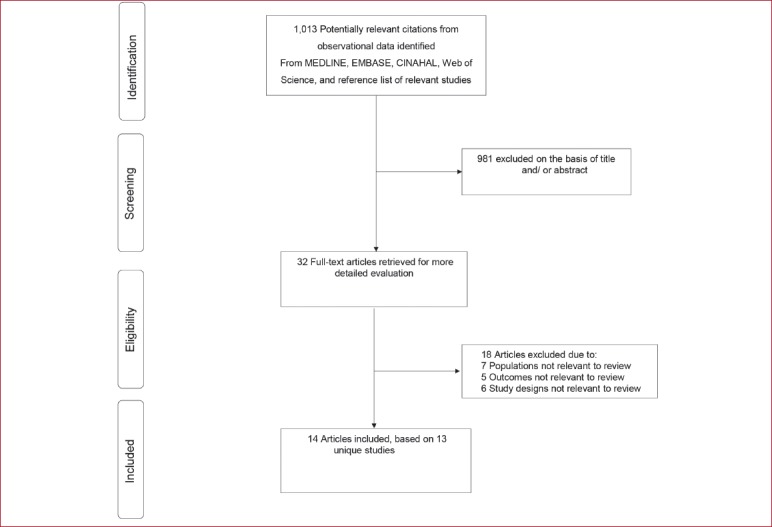
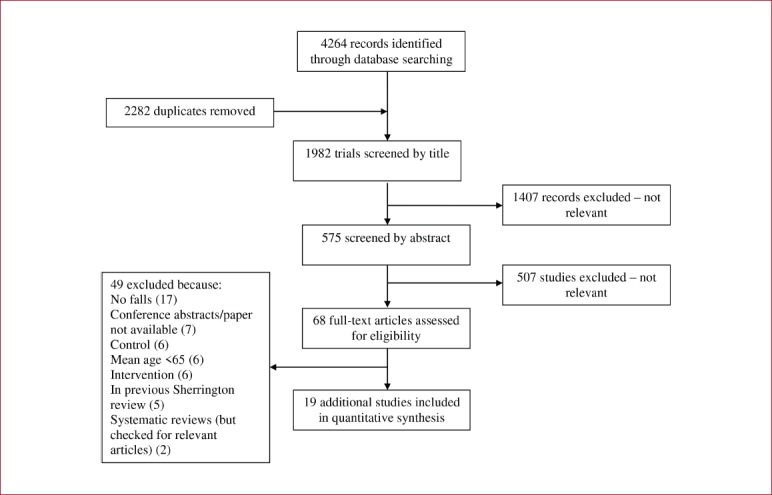
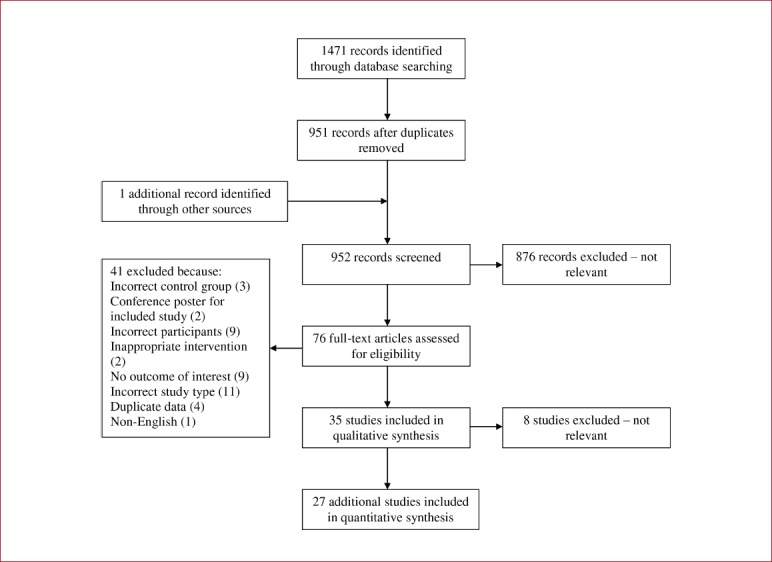
We searched MEDLINE, EMBASE, CINAHL, Web of Science, grey literature and reference lists of relevant studies. Selection criteria were: (1) observational studies in patients with osteoporosis/osteopenia; and (2) in accordance with the criteria used in the previous reviews. A narrative synthesis was conducted for the observational data. Random effects meta-analysis was undertaken for the review updates.
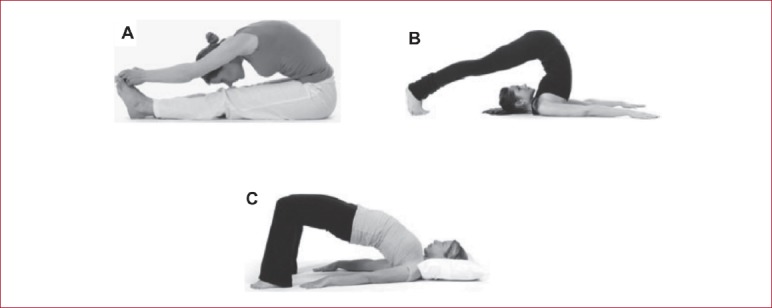
For the observational synthesis 14 studies were included. The majority of studies reported no adverse events, reduced incidence/improvement, or no significant change after physical activity or exercise. Activities that involved spinal flexion (certain yoga moves and sit-ups) were associated with a greater risk of vertebral fractures but these events were rare. For the update of reviews, 57 additional studies were identified. Exercise was generally associated with a greater number of minor adverse events including mild muscle/joint pain. Serious adverse events were rare and could not be attributed to the intervention.
Patients with osteoporosis/osteopenia can safely participate in structured exercise programmes, whether at home or in supervised facilities. PROSPERO 2017: CRD42017070551.
我们进行了一项系统评价,以确定身体活动和/或运动对骨质疏松症/骨质减少症成年人的不良影响。我们综合了观察性研究的证据,并更新了之前发表的三篇系统评价。
我们检索了MEDLINE、EMBASE、CINAHL、科学网、灰色文献以及相关研究的参考文献列表。选择标准为:(1)对骨质疏松症/骨质减少症患者的观察性研究;(2)符合之前评价中使用的标准。对观察性数据进行了叙述性综合分析。对更新的评价进行了随机效应荟萃分析。
在观察性综合分析中纳入了14项研究。大多数研究报告身体活动或运动后无不良事件、发病率降低/有所改善或无显著变化。涉及脊柱前屈的活动(某些瑜伽动作和仰卧起坐)与椎体骨折风险增加有关,但这些事件很少见。在更新评价时,又确定了57项研究。运动通常与更多轻微不良事件相关,包括轻度肌肉/关节疼痛。严重不良事件很少见,且不能归因于干预措施。
骨质疏松症/骨质减少症患者可以安全地参加有组织的运动项目,无论是在家中还是在有监督的场所。 国际前瞻性系统评价注册库(PROSPERO)编号:CRD42017070551。