Institute of Immunology, Philipps University Marburg, Marburg, Germany.
Center for Molecular Innovation, Feinstein Institutes for Medical Research, Manhasset, NY, USA.
Mol Med. 2020 Apr 17;26(1):34. doi: 10.1186/s10020-020-00163-5.
Macrophage Migration Inhibitory Factor (MIF) is a potent proinflammatory cytokine that promotes the production of other immune mediators. MIF is produced by most cell types in the brain including microglia, astrocytes and neurons. Enhanced expression of MIF might contribute to the persistent activation of glial, chronic neuroinflammation and neurodegeneration. Here, we investigated the effect of MIF on inflammatory markers and spatial learning in a mouse model of sporadic AD and on tau pathology in AD patients.
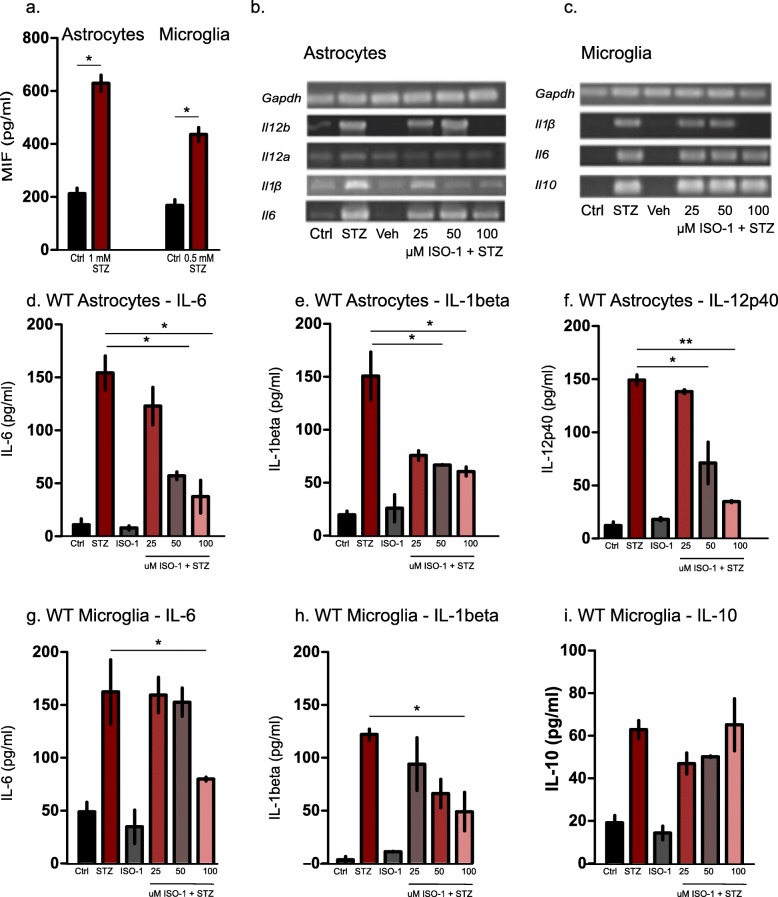
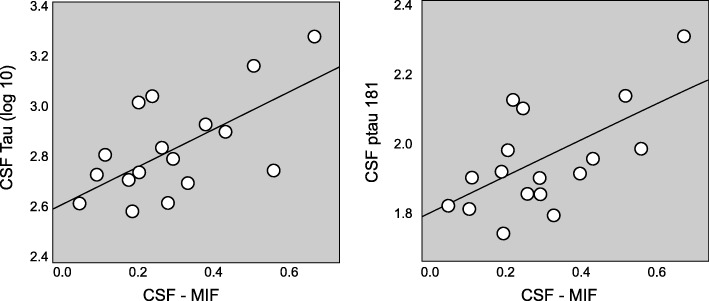
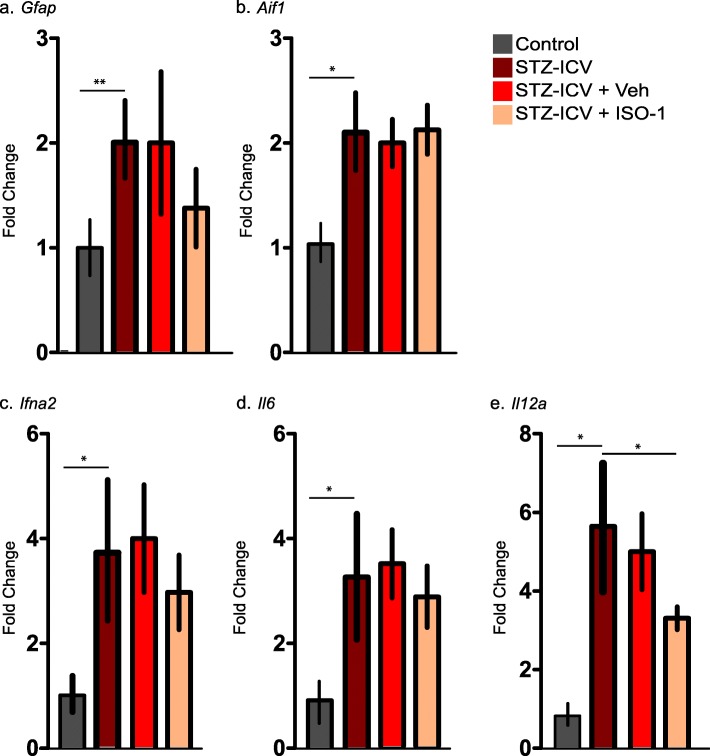
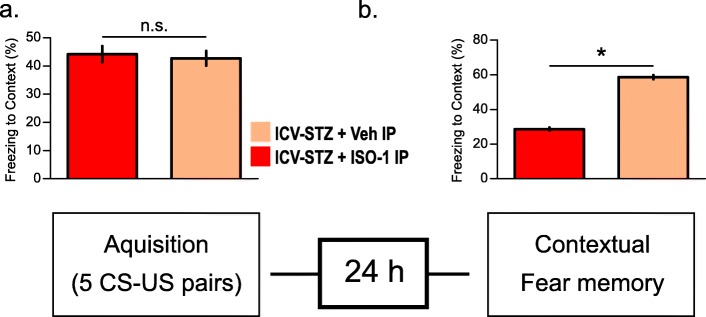
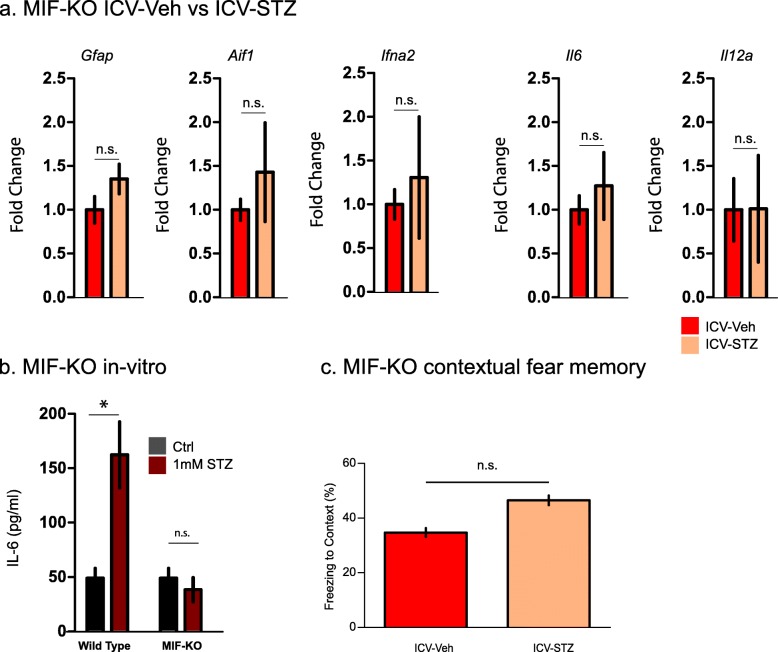
We examined the effects of MIF deficiency and pharmacological MIF inhibition in vitro and in vivo. In vitro, quantitative PCR and ELISA were used to assess cytokine production of STZ-treated glial cells. In vivo, C57BL/6 mice were subjected to intracerebroventricular streptozotocin injection (3 mg/kg, ICV-STZ). Neuroinflammation and contextual learning performance were assessed using quantitative PCR and fear conditioning, respectively. Pharmacological MIF inhibition was achieved with intraperitoneal injections of ISO-1 (daily, IP, 20 mg/kg in 5% DMSO in 0.9% NaCl) for 4 weeks following ICV-STZ injection. The findings from ISO-1 treated mice were confirmed in MIF knockout C57BL/6. To assess the role of MIF in human AD, cerebrospinal fluid levels of MIF and hyperphosphorylated tau were measured using ELISA.
Administration ICV-STZ resulted in hippocampal dependent cognitive impairment. MIF inhibition with ISO-1 significantly improved the STZ-induced impairment in contextual memory performance, indicating MIF-related inflammation as a major contributor to ICV-STZ-induced memory deficits. Furthermore, inhibition of the MIF resulted in reduced cytokine production in vitro and in vivo. In human subjects with AD at early clinical stages, cerebrospinal fluid levels of MIF were increased in comparison with age-matched controls, and correlated with biomarkers of tau hyper-phosphorylation and neuronal injury hinting at MIF levels as a potential biomarker for early-stage AD.
The present study indicates the key role of MIF in controlling the chronic cytokine release in neuroinflammation related to tau hyperphosphorylation, neurodegeneration, and clinical manifestations of AD, suggesting the potential of MIF inhibition as therapeutic strategy to slow down neurodegeneration and clinical disease progression.
巨噬细胞移动抑制因子(MIF)是一种强有力的促炎细胞因子,可促进其他免疫介质的产生。MIF 由大脑中的大多数细胞类型产生,包括小胶质细胞、星形胶质细胞和神经元。MIF 的表达增强可能导致神经胶质的持续激活、慢性神经炎症和神经退行性变。在这里,我们研究了 MIF 对散发性 AD 小鼠模型中炎症标志物和空间学习的影响,以及 AD 患者中 tau 病理学的影响。
我们在体外和体内研究了 MIF 缺乏和药物抑制 MIF 的作用。在体外,定量 PCR 和 ELISA 用于评估 STZ 处理的神经胶质细胞的细胞因子产生。在体内,C57BL/6 小鼠接受侧脑室链脲佐菌素注射(3mg/kg,ICV-STZ)。使用定量 PCR 和恐惧条件反射分别评估神经炎症和上下文学习表现。用腹腔内注射 ISO-1(每天,IP,20mg/kg,在 5% DMSO 在 0.9% NaCl 中)实现药物抑制 MIF,在 ICV-STZ 注射后 4 周进行。在 MIF 敲除 C57BL/6 中证实了 ISO-1 处理小鼠的发现。为了评估 MIF 在人类 AD 中的作用,使用 ELISA 测量脑脊液中 MIF 和过度磷酸化 tau 的水平。
ICV-STZ 给药导致海马依赖认知障碍。用 ISO-1 抑制 MIF 可显著改善 STZ 诱导的上下文记忆表现损伤,表明与 MIF 相关的炎症是导致 ICV-STZ 诱导的记忆缺陷的主要原因。此外,抑制 MIF 可减少体外和体内的细胞因子产生。在早期临床阶段患有 AD 的人类受试者中,与年龄匹配的对照组相比,脑脊液中的 MIF 水平升高,并且与 tau 过度磷酸化和神经元损伤的生物标志物相关,表明 MIF 水平作为早期 AD 的潜在生物标志物。
本研究表明 MIF 在控制与 tau 过度磷酸化、神经退行性变和 AD 临床表现相关的神经炎症中的慢性细胞因子释放方面发挥关键作用,表明抑制 MIF 作为减缓神经退行性变和临床疾病进展的治疗策略的潜力。