Laboratory of Plant Physiology, Wageningen University and Research, Wageningen, The Netherlands.
Swammerdam Institute for Life Sciences, University of Amsterdam, Amsterdam, The Netherlands.
Plant Mol Biol. 2020 Jul;103(4-5):489-505. doi: 10.1007/s11103-020-01005-y. Epub 2020 Apr 18.
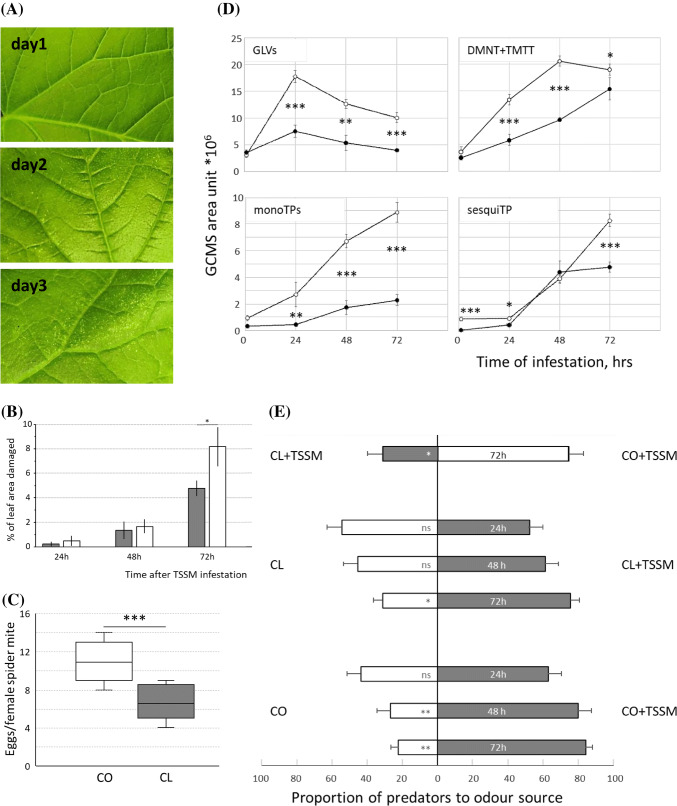
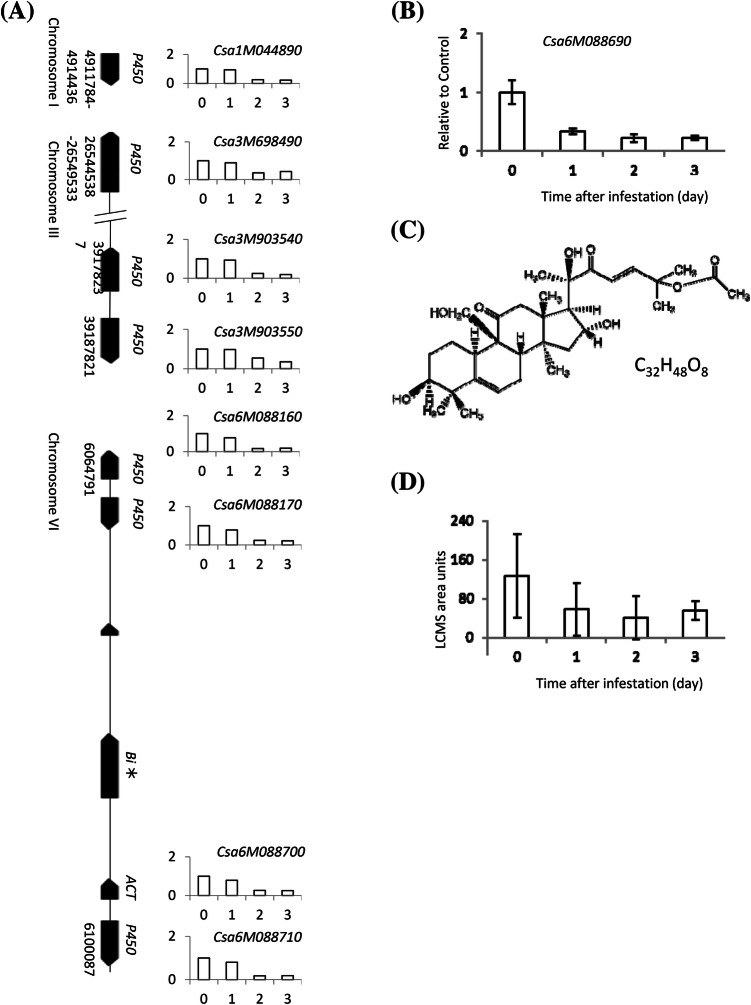
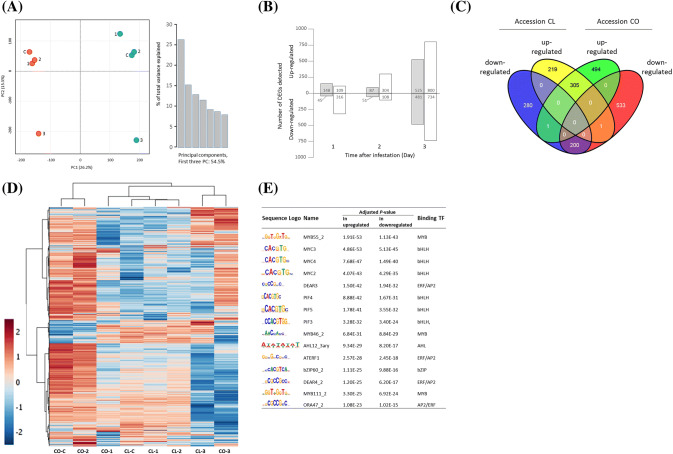
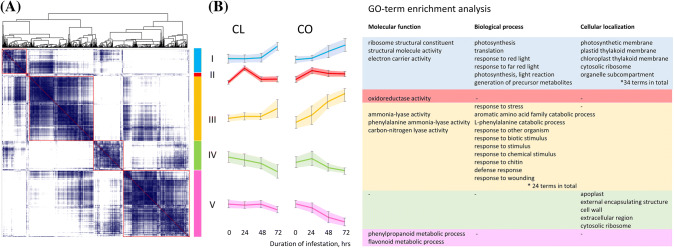
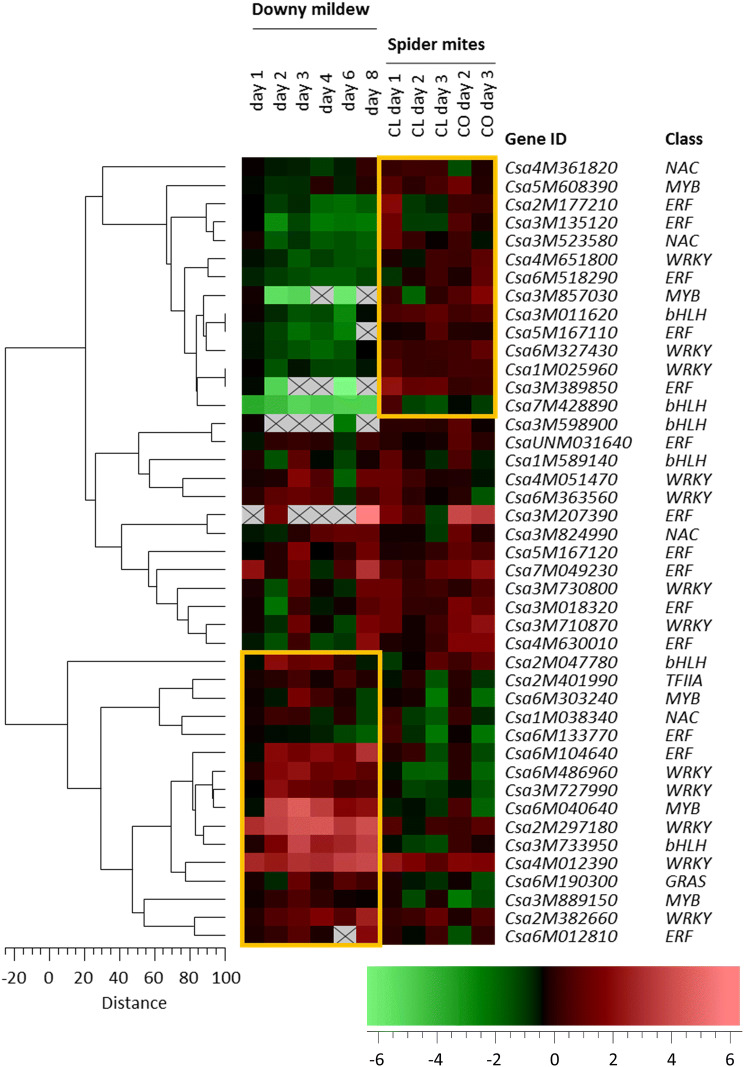
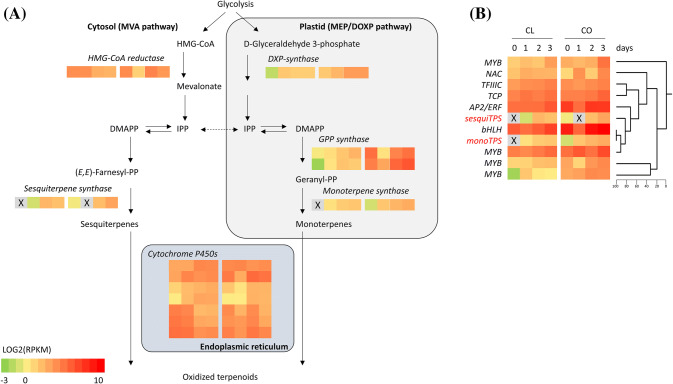
Cucumber plants adapt their transcriptome and metabolome as result of spider mite infestation with opposite consequences for direct and indirect defences in two genotypes. Plants respond to arthropod attack with the rearrangement of their transcriptome which lead to subsequent phenotypic changes in the plants' metabolome. Here, we analysed transcriptomic and metabolite responses of two cucumber (Cucumis sativus) genotypes to chelicerate spider mites (Tetranychus urticae) during the first 3 days of infestation. Genes associated with the metabolism of jasmonates, phenylpropanoids, terpenoids and L-phenylalanine were most strongly upregulated. Also, genes involved in the biosynthesis of precursors for indirect defence-related terpenoids were upregulated while those involved in the biosynthesis of direct defence-related cucurbitacin C were downregulated. Consistent with the observed transcriptional changes, terpenoid emission increased and cucurbitacin C content decreased during early spider-mite herbivory. To further study the regulatory network that underlies induced defence to spider mites, differentially expressed genes that encode transcription factors (TFs) were analysed. Correlation analysis of the expression of TF genes with metabolism-associated genes resulted in putative identification of regulators of herbivore-induced terpenoid, green-leaf volatiles and cucurbitacin biosynthesis. Our data provide a global image of the transcriptional changes in cucumber leaves in response to spider-mite herbivory and that of metabolites that are potentially involved in the regulation of induced direct and indirect defences against spider-mite herbivory.
黄瓜植株会根据其转录组和代谢组来适应叶螨的侵害,这对两种基因型的直接和间接防御产生了相反的影响。植物会对节肢动物的攻击做出反应,重新排列其转录组,导致植物代谢组发生随后的表型变化。在这里,我们分析了两个黄瓜(Cucumis sativus)基因型在被蛛形纲螨虫(Tetranychus urticae)侵害的头 3 天内的转录组和代谢组响应。与茉莉酸、苯丙烷类、萜类和 L-苯丙氨酸代谢相关的基因被强烈上调。此外,与间接防御相关的萜类生物合成前体的基因上调,而与直接防御相关的葫芦素 C 的生物合成基因下调。与观察到的转录变化一致,在早期叶螨取食过程中,萜类化合物的排放增加,而葫芦素 C 的含量减少。为了进一步研究对叶螨诱导防御的调控网络,分析了差异表达的编码转录因子(TFs)的基因。TF 基因与代谢相关基因的表达相关性分析导致潜在的识别出了调控萜类化合物、绿叶挥发物和葫芦素生物合成的诱导防御的调控因子。我们的数据提供了黄瓜叶片对叶螨取食的转录变化的整体图像,以及可能参与调节对叶螨取食的诱导的直接和间接防御的代谢物的图像。