Department of Ultrasound, Union Hospital, Tongji Medical College, Huazhong University of Science and Technology, Wuhan 430022, China.
Hubei Province Key Laboratory of Molecular Imaging, Wuhan 430022, China.
Theranostics. 2020 Apr 6;10(11):4967-4982. doi: 10.7150/thno.43233. eCollection 2020.
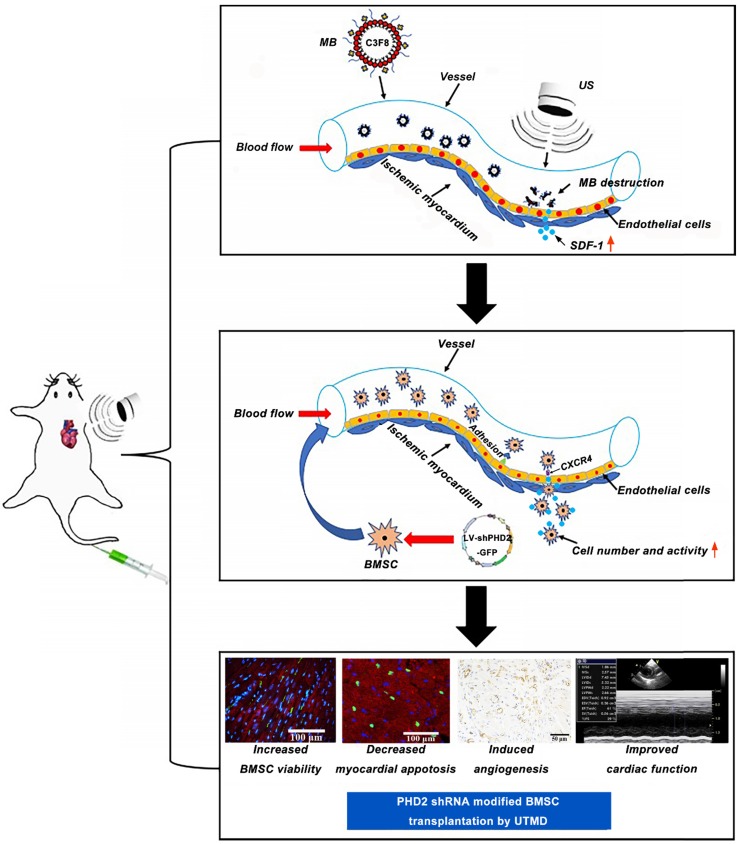
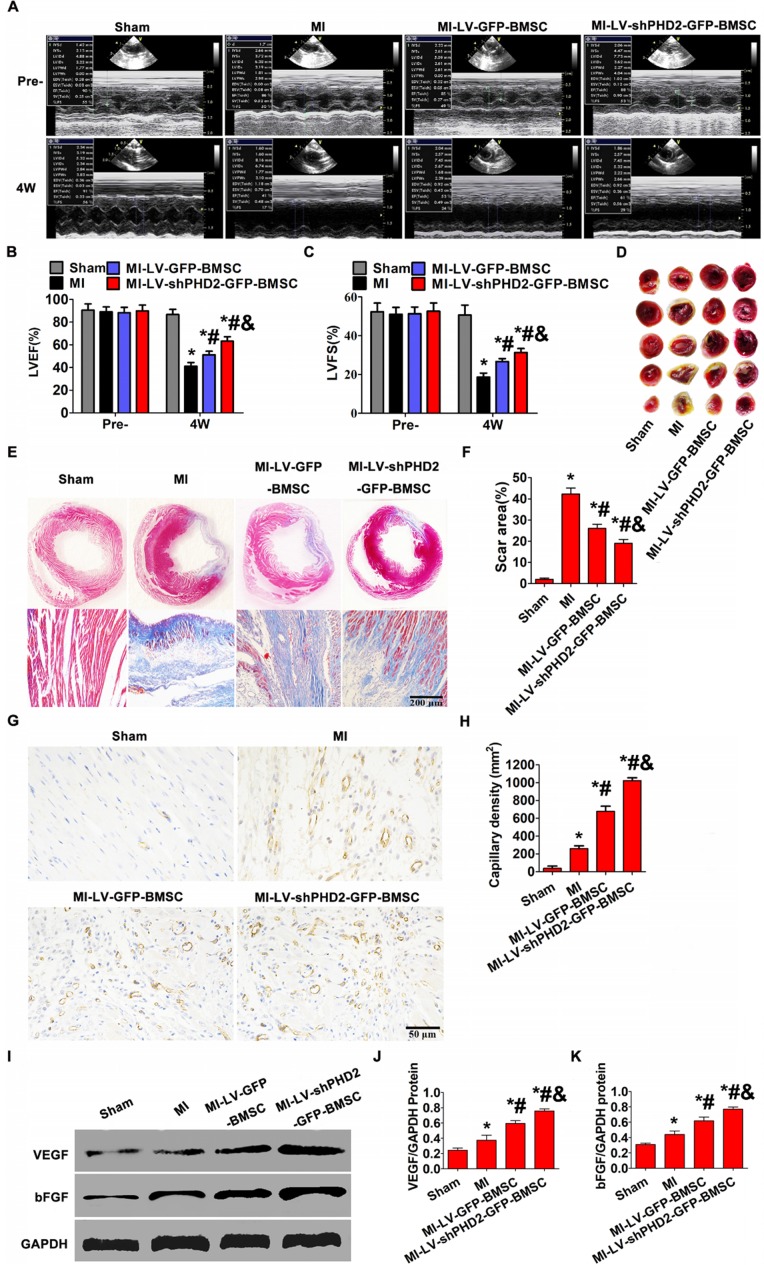
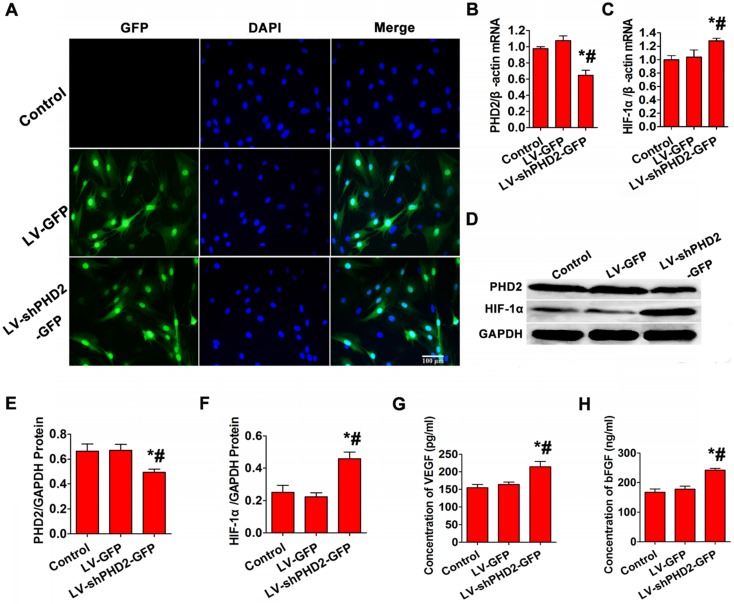
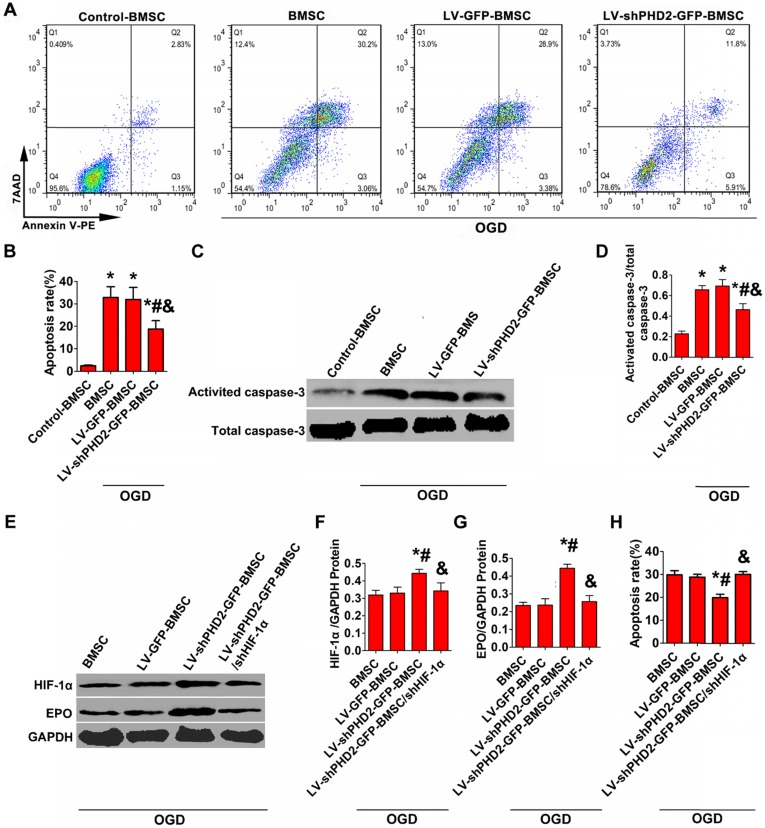
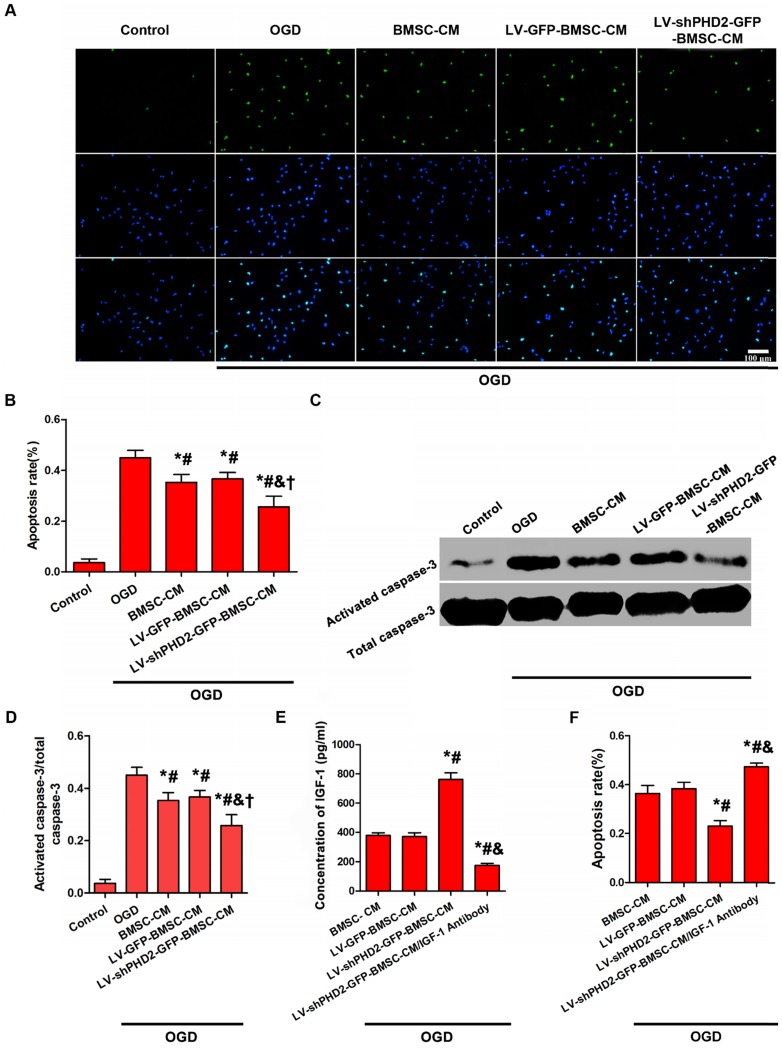
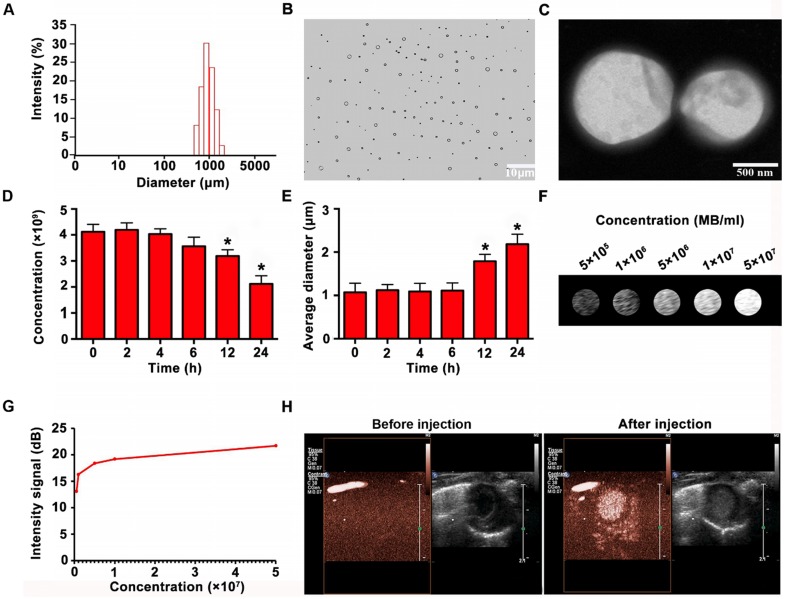
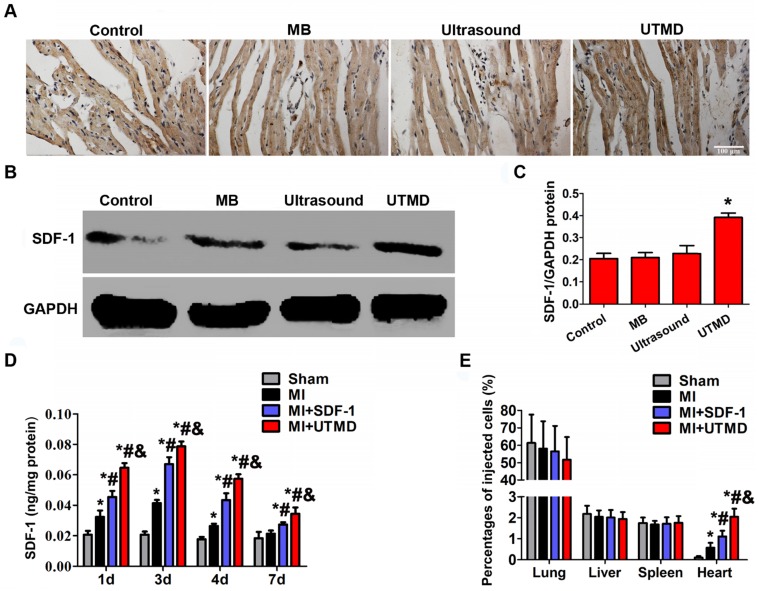
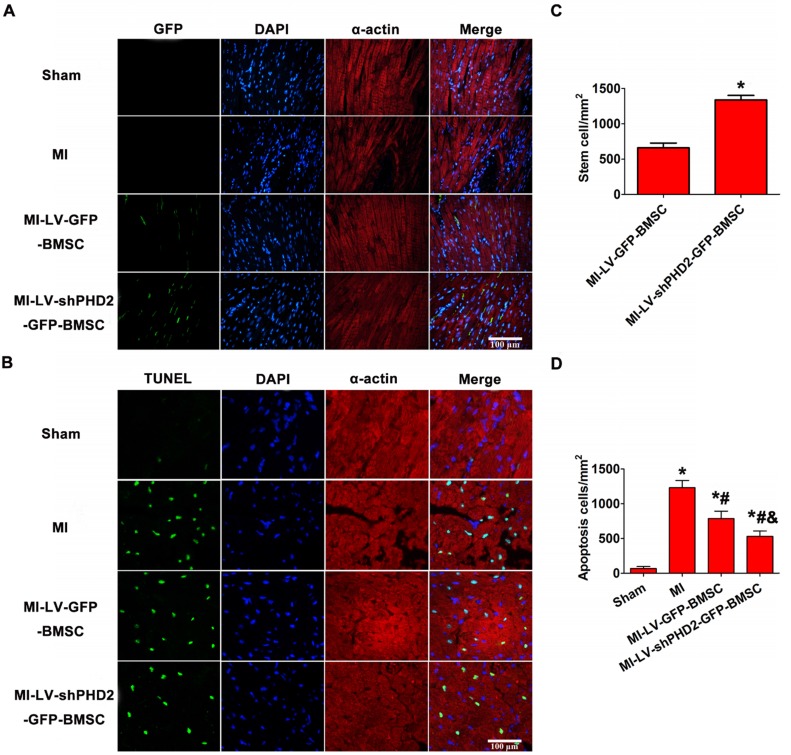
Ultrasound-targeted microbubble destruction (UTMD) is a promising approach to facilitate the precise delivery of bone marrow stem cells (BMSCs) to the ischemic myocardium. However, stem cell therapy for ischemic myocardium is challenging due to the poor survival of transplanted stem cells under severe ischemic conditions. In this study, we investigated whether myocardium-targeted transplantation of prolyl hydroxylase domain protein 2 (PHD2) shRNA-modified BMSCs by UTMD increases the viability of grafted cells, and enhances their cardioprotective effects in acute myocardial infarction. BMSCs were transduced with lentiviral PHD2 shRNA, and a novel microbubble formulation was prepared by a thin-film hydration method. In rats, BMSCs with or without PHD2 shRNA modification were transplanted by UTMD after inducing acute myocardium infarction. Effects of PHD2 shRNA on BMSC survival, myocardial apoptosis, angiogenesis, and cardiac function were evaluated. , anti-apoptotic effects and its mechanisms of PHD2 silencing on BMSC and BMSC-conditioned medium on H9C2 cell were detected. PHD2 shRNA-modified BMSC transplantation by UTMD resulted in increased BMSC survival, reduced myocardial apoptosis, reduced infarct size, increased vascular density, and improved cardiac function compared to the control vector-modified BMSC transplantation by UTMD. PHD2 silencing increased BMSC survival through a HIF-1α-dependent mechanism. The decrease in cardiomyocyte apoptosis by conditioned medium from PHD2 shRNA-treated BMSCs was due to an increase in the expression of insulin-like growth factor (IGF)-1. The delivery of PHD2 shRNA-modified BMSCs by UTMD promoted grafted cell homing and activity, and increased myocardial angiogenesis in the infarcted heart, leading to improved cardiac function. This combination may provide a promising strategy for enhancing the effectiveness of stem cell therapy after acute myocardial infarction.
超声靶向微泡破坏(UTMD)是一种很有前途的方法,可以促进骨髓间充质干细胞(BMSCs)精确递送到缺血性心肌。然而,由于在严重缺血条件下移植的干细胞存活率低,缺血性心肌的干细胞治疗具有挑战性。在这项研究中,我们研究了通过 UTMD 靶向移植脯氨酰羟化酶结构域蛋白 2(PHD2)shRNA 修饰的 BMSCs 是否可以提高移植细胞的活力,并增强它们在急性心肌梗死中的心脏保护作用。 通过慢病毒转导将 PHD2 shRNA 导入 BMSCs,并通过薄膜水化法制备新型微泡制剂。在大鼠中,在诱导急性心肌梗死后,通过 UTMD 移植带有或不带有 PHD2 shRNA 修饰的 BMSCs。评估 PHD2 shRNA 对 BMSC 存活、心肌细胞凋亡、血管生成和心功能的影响。 检测 PHD2 沉默对 BMSC 及其 BMSC 条件培养基对 H9C2 细胞的抗凋亡作用及其机制。 与通过 UTMD 移植对照载体修饰的 BMSC 相比,UTMD 介导的 PHD2 shRNA 修饰的 BMSC 移植导致 BMSC 存活增加、心肌细胞凋亡减少、梗死面积减少、血管密度增加和心功能改善。PHD2 沉默通过 HIF-1α 依赖的机制增加了 BMSC 的存活。PHD2 shRNA 处理的 BMSC 条件培养基减少心肌细胞凋亡是由于胰岛素样生长因子(IGF)-1 的表达增加所致。 UTMD 介导的 PHD2 shRNA 修饰的 BMSC 递送促进了移植物细胞归巢和活性,并增加了梗死心脏中的心肌血管生成,从而改善了心功能。这种联合治疗可能为增强急性心肌梗死后干细胞治疗的效果提供一种有前途的策略。