Emerg Infect Dis. 2020 May;26(5):930-936. doi: 10.3201/eid2605.190958.
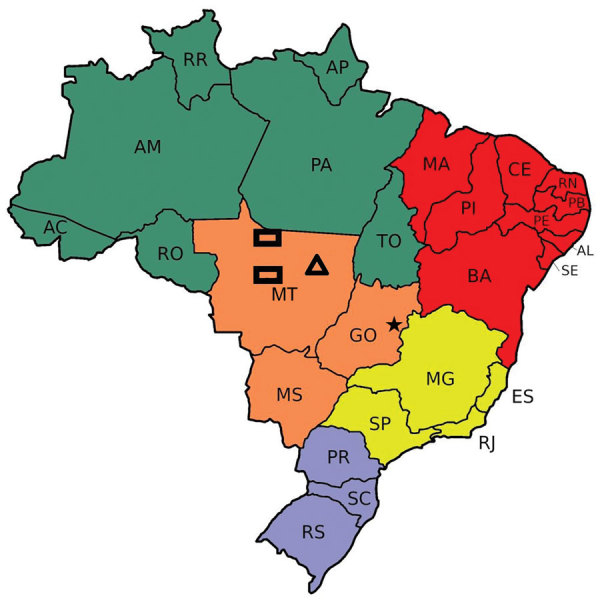
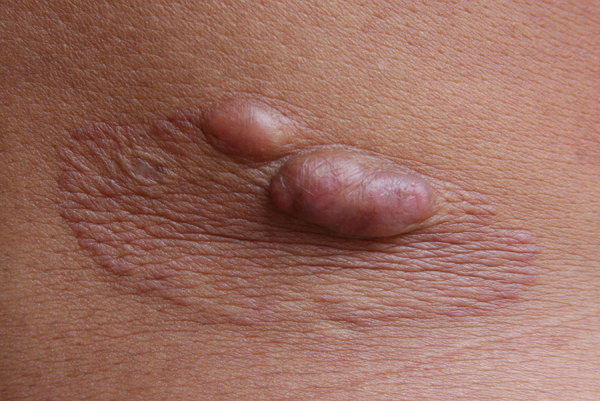
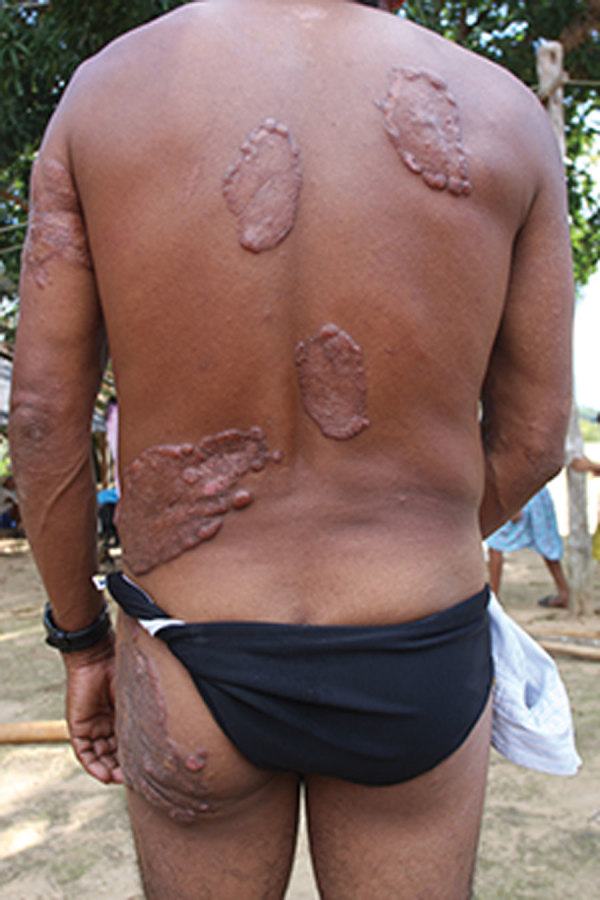
Lobomycosis is a rare granulomatous skin disease with a high prevalence in the Amazon region. The Kaiabi Indians are an especially affected group. We studied the current epidemiologic and clinical progression of lobomycosis among the Kaiabi in Brazil, from initial case reports in 1965 through 2019. A total of 60 lobomycosis cases had been reported among the Kaiabi, and we identified 3 new cases in our review. Of 550 cases of lobomycosis ever reported worldwide, 11.5% were among the Kaiabi. We note a high incidence among female Kaiabi and a precocious onset of disease in this indigenous population. Male Kaiabi frequently are infected with the multicentric form and women more frequently exhibit the localized form. Ulcerated lesions are observed more often in the multicentric form. The prevalence among this indigenous group could be explained by genetic susceptibility and lifestyle, which exposes them to a particular agent in the habitats in which they live.
利什曼原虫病是一种罕见的肉芽肿性皮肤疾病,在亚马逊地区流行率较高。凯阿比印第安人是一个特别受影响的群体。我们研究了巴西凯阿比人群中利什曼原虫病的当前流行病学和临床进展,从 1965 年最初的病例报告到 2019 年。在凯阿比人群中已经报告了 60 例利什曼原虫病病例,我们在审查中发现了 3 例新病例。在全球报告的 550 例利什曼原虫病病例中,有 11.5%是凯阿比人群。我们注意到女性凯阿比的发病率较高,而且这种土著人群的疾病发病较早。男性凯阿比人经常感染多中心型,而女性人更经常表现为局限性。在多中心型中更常观察到溃疡性病变。这种土著人群的患病率可能是由于遗传易感性和生活方式所致,这些因素使他们暴露在生活环境中的特定病原体中。