Espino Jessica A, Jones Lisa M
Department of Pharmaceutical Sciences, University of Maryland.
Department of Pharmaceutical Sciences, University of Maryland;
J Vis Exp. 2020 Apr 1(158). doi: 10.3791/60910.
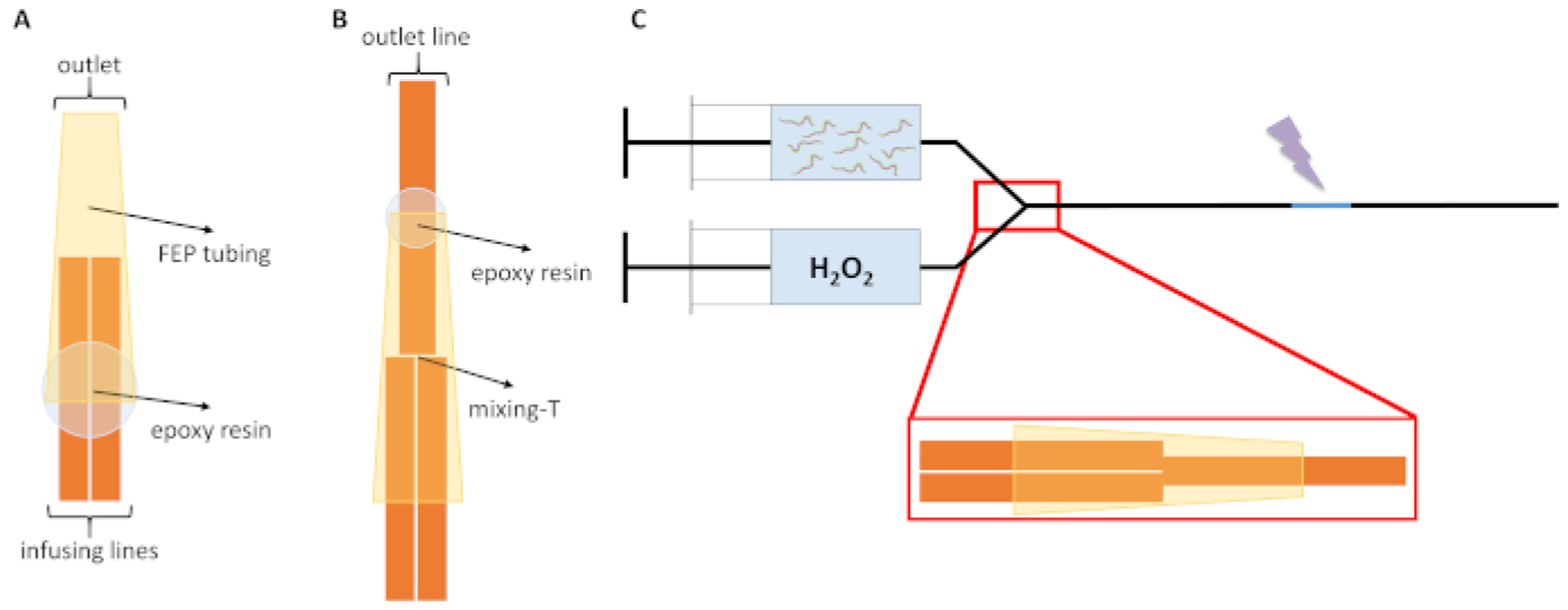
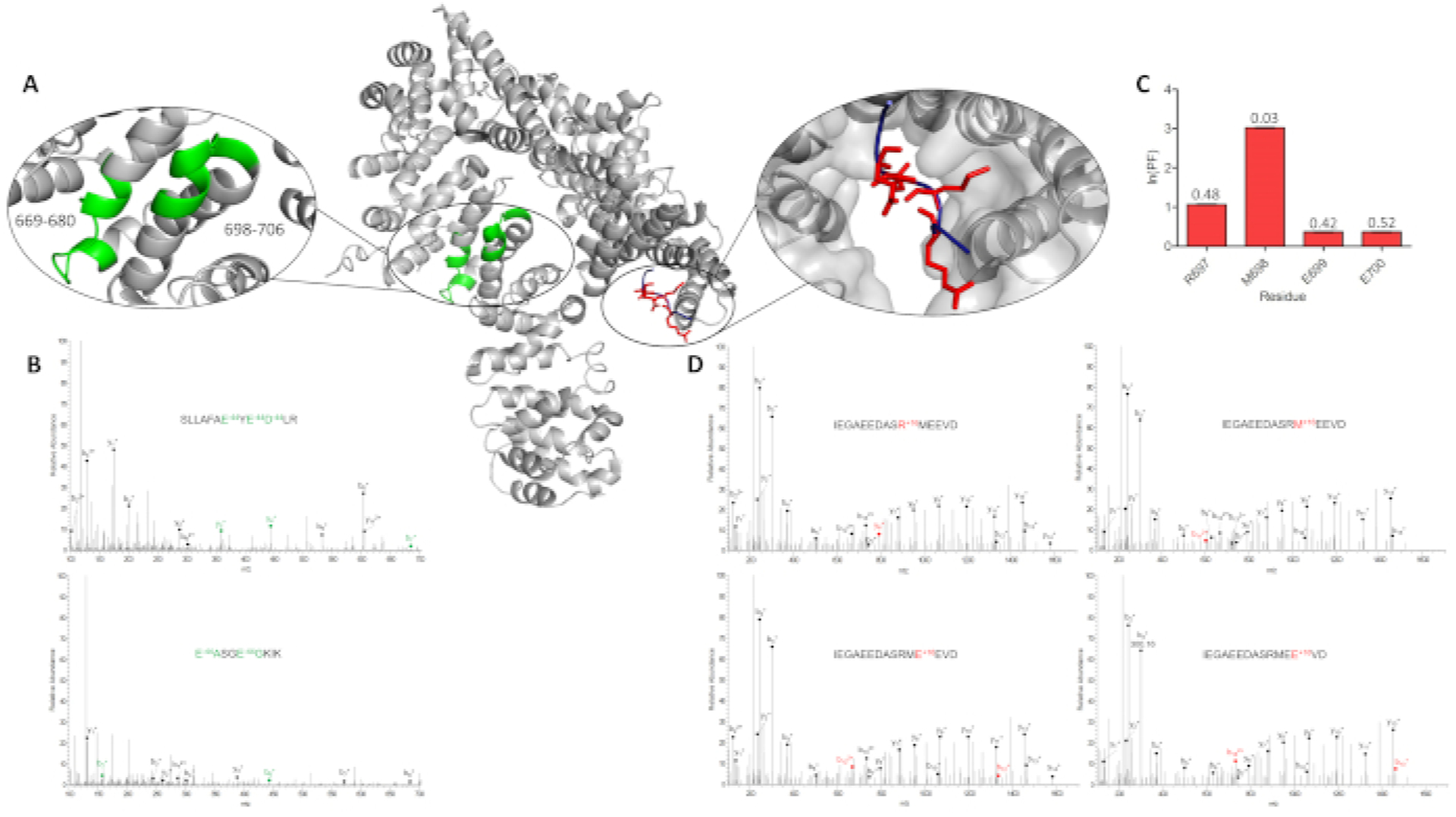
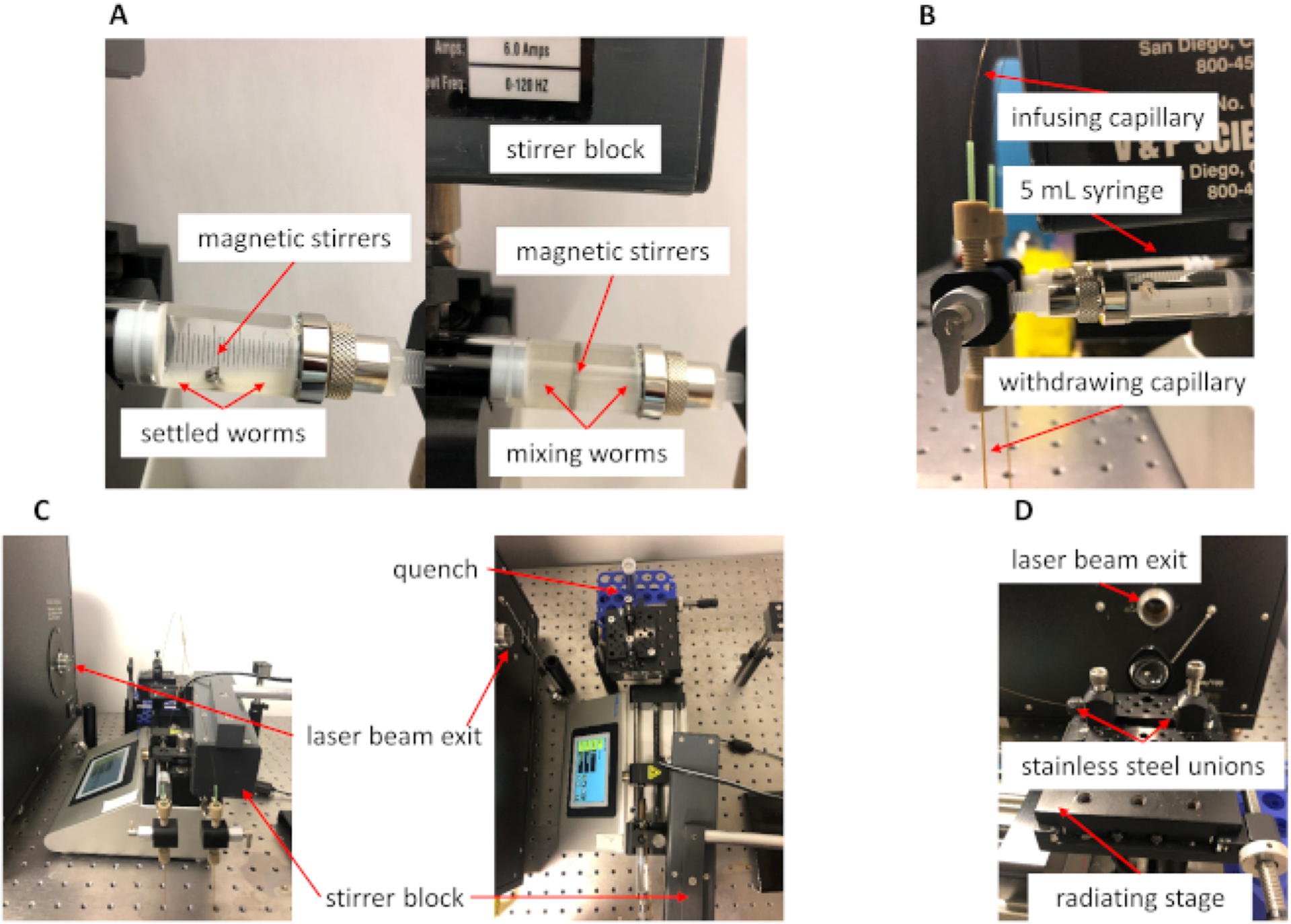
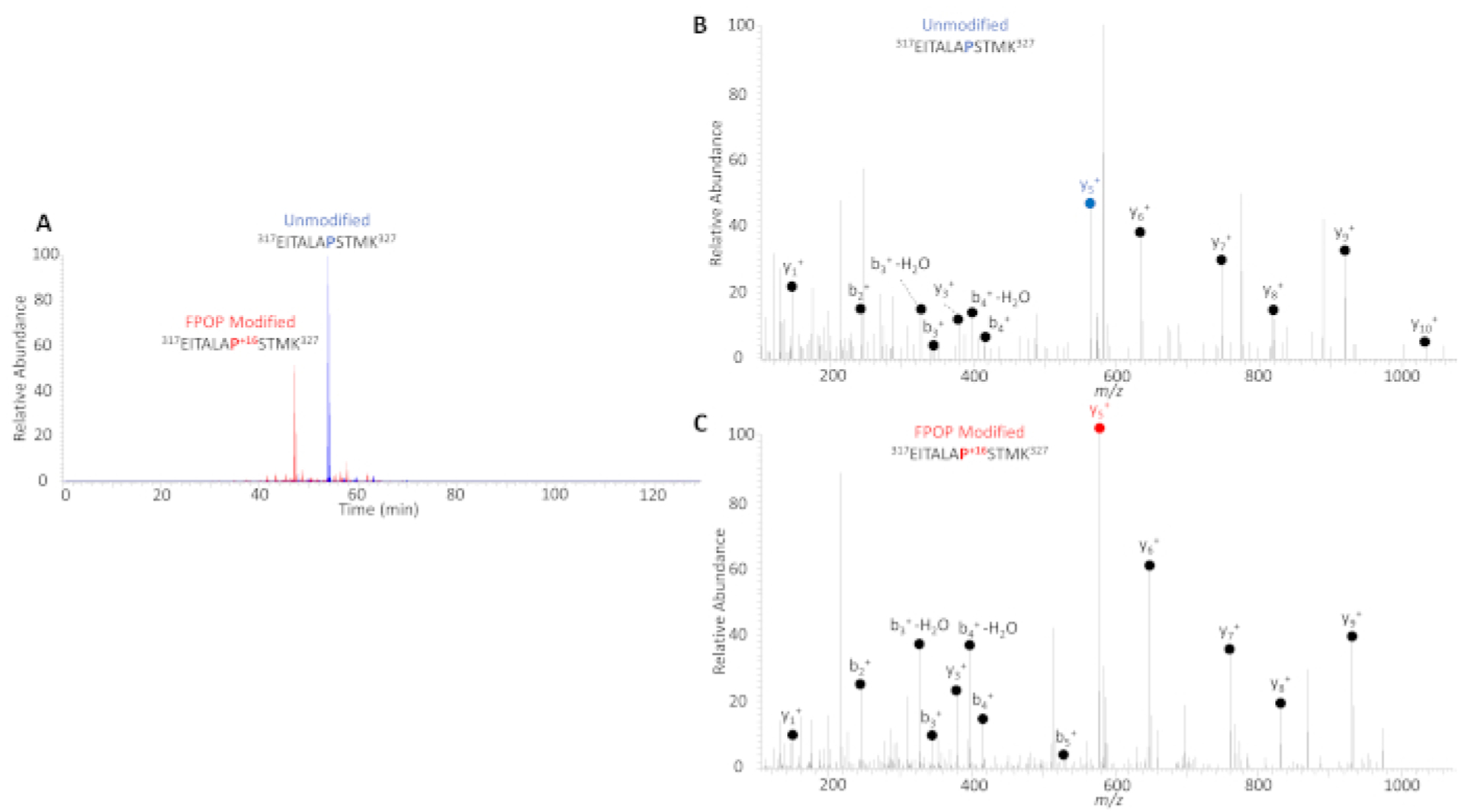
Fast oxidation of proteins (FPOP) is a hydroxyl radical protein footprinting (HRPF) method used to study protein structure, protein-ligand interactions, and protein-protein interactions. FPOP utilizes a KrF excimer laser at 248 nm for photolysis of hydrogen peroxide to generate hydroxyl radicals which in turn oxidatively modify solvent-accessible amino acid side chains. Recently, we expanded the use of FPOP of in vivo oxidative labeling in Caenorhabditis elegans (C. elegans), entitled IV-FPOP. The transparent nematodes have been used as model systems for many human diseases. Structural studies in C. elegans by IV-FPOP is feasible because of the animal's ability to uptake hydrogen peroxide, their transparency to laser irradiation at 248 nm, and the irreversible nature of the modification. The assembly of a microfluidic flow system for IV-FPOP labeling, IV-FPOP parameters, protein extraction, and LC-MS/MS optimized parameters are described herein.
蛋白质快速氧化(FPOP)是一种羟基自由基蛋白质足迹法(HRPF),用于研究蛋白质结构、蛋白质-配体相互作用和蛋白质-蛋白质相互作用。FPOP利用248nm的KrF准分子激光光解过氧化氢以产生羟基自由基,这些自由基进而氧化修饰溶剂可及的氨基酸侧链。最近,我们扩展了FPOP在秀丽隐杆线虫体内氧化标记的应用,称为IV-FPOP。这种透明线虫已被用作许多人类疾病的模型系统。由于线虫具有摄取过氧化氢的能力、对248nm激光照射的透明度以及修饰的不可逆性,通过IV-FPOP对线虫进行结构研究是可行的。本文描述了用于IV-FPOP标记的微流控流动系统的组装、IV-FPOP参数、蛋白质提取以及液相色谱-串联质谱(LC-MS/MS)优化参数。