Silva Maria-Raquel G, Paiva Teresa
Faculty of Health Sciences, University Fernando Pessoa, Oporto, Portugal. Research Centre for Anthropology and Health, University of Coimbra, Coimbra, Portugal. Scientific Commission of the Gymnastics Federation of Portugal, Lisbon - Portugal.
Research Centre for Anthropology and Health, University of Coimbra, Coimbra, Portugal.
Sleep Sci. 2019 Oct-Dec;12(4):279-286. doi: 10.5935/1984-0063.20190093.
Gymnasts of high performance level are submitted to a demanding competitive schedule, which can negatively affect their circadian rhythm, sleep, appetite and pre-competitive stress. Therefore, the purpose of this study was to investigate sleep, body composition, pre-competitive stress and energy in elite female athletes just before a World Cup and potential sleep risks according to the travelled distance by athletes in order to compete.
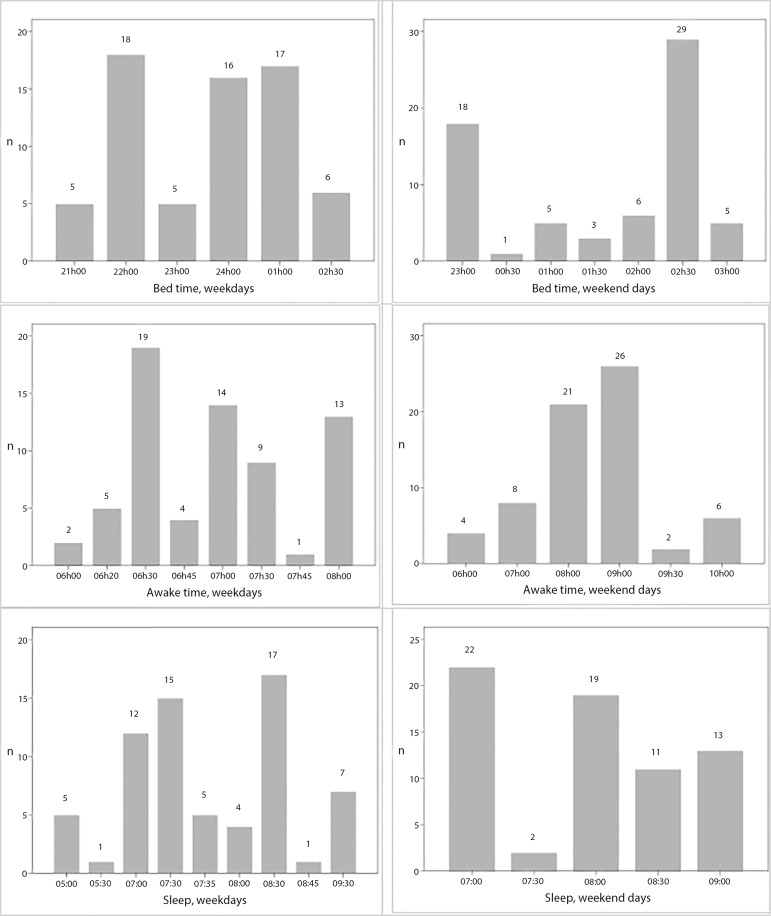
Sixty-seven rhythmic gymnasts of high performance level were evaluated in order to collect training and competition data, daytime sleepiness (DS) by the Epworth Sleepiness Scale, sleep quality (SQ) by the Pittsburgh Sleep Quality Index, precompetitive anxiety by the Sport Competition Anxiety Test-A and dietary intake prior to a World Cup.
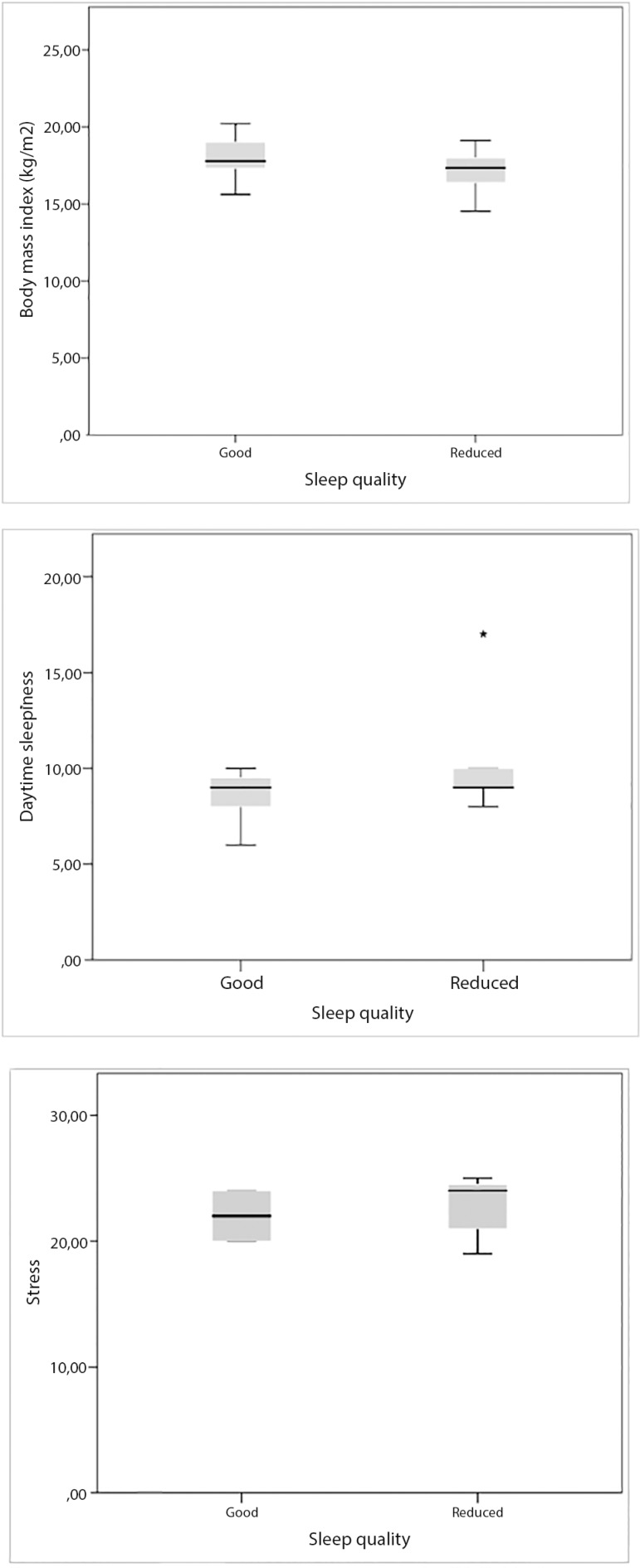
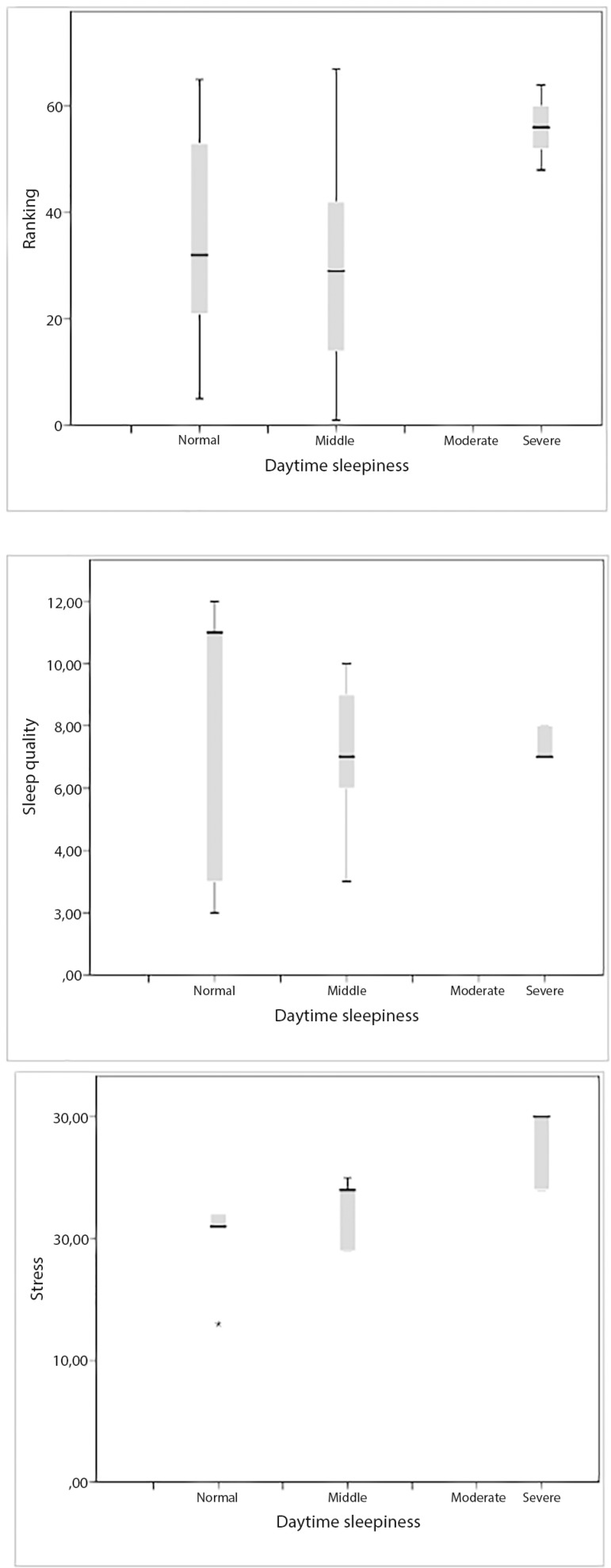
Gymnasts suffering from severe DS had worse scores in the competition than those who reported normal DS (=0.004). In addition, gymnasts with severe DS reported reduced SQ (=0.014) and showed high levels of precompetitive stress (<0.01). Gymnasts with reduced SQ demonstrated great DS (=0.014) and high levels of precompetitive stress (=0.010).
Gymnasts demonstrated disordered sleep and precompetitive stress. Athletes who travelled long distances to compete presented high risk for short sleep duration, abnormal DS and reduced SQ.
高水平体操运动员面临着严苛的比赛日程安排,这可能会对他们的昼夜节律、睡眠、食欲和赛前压力产生负面影响。因此,本研究的目的是调查精英女性运动员在世界杯前夕的睡眠、身体成分、赛前压力和能量状况,以及根据运动员为参赛而旅行的距离所带来的潜在睡眠风险。
对67名高水平艺术体操运动员进行评估,以收集训练和比赛数据、通过埃普沃思嗜睡量表评估日间嗜睡程度(DS)、通过匹兹堡睡眠质量指数评估睡眠质量(SQ)、通过运动竞赛焦虑测试-A评估赛前焦虑以及世界杯前的饮食摄入情况。
患有严重日间嗜睡的体操运动员在比赛中的得分比那些报告日间嗜睡正常的运动员更差(=0.004)。此外,患有严重日间嗜睡的体操运动员报告睡眠质量下降(=0.014),并表现出高水平的赛前压力(<0.01)。睡眠质量下降的体操运动员表现出严重的日间嗜睡(=0.014)和高水平的赛前压力(=0.010)。
体操运动员表现出睡眠紊乱和赛前压力。长途旅行参赛的运动员存在睡眠时间短、日间嗜睡异常和睡眠质量下降的高风险。