Pant Kishor, Richard Seth, Peixoto Estanislao, Gradilone Sergio A
The Hormel Institute, University of Minnesota, Austin, MN, United States.
Masonic Cancer Center, University of Minnesota, Minneapolis, MN, United States.
Front Med (Lausanne). 2020 Apr 3;7:113. doi: 10.3389/fmed.2020.00113. eCollection 2020.
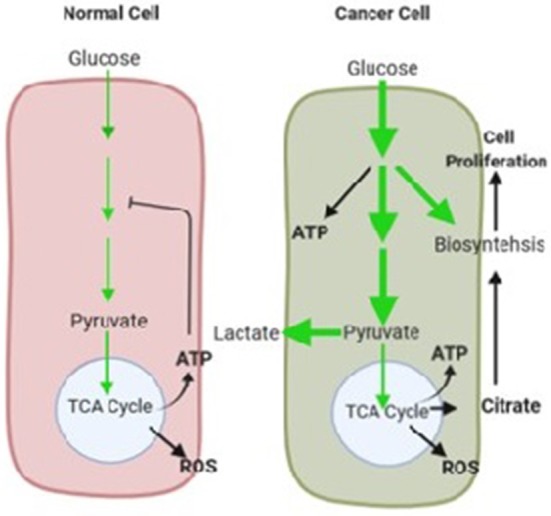
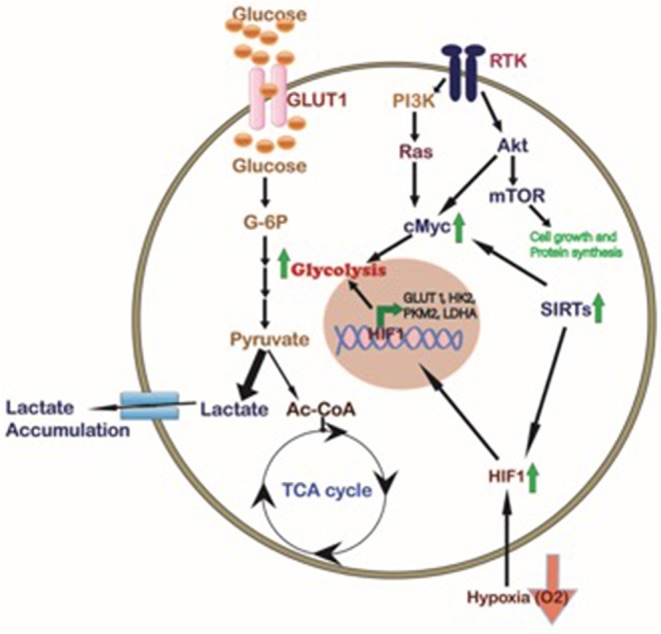
Cholangiocarcinoma (CCA) is one of the most lethal cancers, and its rate of occurrence is increasing annually. The diagnoses of CCA patients remain elusive due to the lack of early symptoms and is misdiagnosed as HCC in a considerable percentage of patients. It is crucial to explore the underlying mechanisms of CCA carcinogenesis and development to find out specific biomarkers for early diagnosis of CCA and new promising therapeutic targets. In recent times, the reprogramming of tumor cells metabolism has been recognized as a hallmark of cancer. The modification from the oxidative phosphorylation metabolic pathway to the glycolysis pathway in CCA meets the demands of cancer cell proliferation and provides a favorable environment for tumor development. The alteration of metabolic programming in cancer cells is complex and may occur via mutations and epigenetic modifications within oncogenes, tumor suppressor genes, signaling pathways, and glycolytic enzymes. Herein we review the altered metabolism in cancer and the signaling pathways involved in this phenomena as they may affect CCA development. Understanding the regulatory pathways of glucose metabolism such as Akt/mTOR, HIF1α, and cMyc in CCA may further develop our knowledge of this devastating disease and may offer relevant information in the exploration of new diagnostic biomarkers and targeted therapeutic approaches for CCA.
胆管癌(CCA)是最致命的癌症之一,其发病率逐年上升。由于缺乏早期症状,CCA患者的诊断仍然困难,并且相当一部分患者被误诊为肝癌。探索CCA发生发展的潜在机制,以寻找CCA早期诊断的特异性生物标志物和新的有前景的治疗靶点至关重要。近年来,肿瘤细胞代谢重编程已被认为是癌症的一个标志。CCA中从氧化磷酸化代谢途径向糖酵解途径的转变满足了癌细胞增殖的需求,并为肿瘤发展提供了有利环境。癌细胞代谢程序的改变是复杂的,可能通过癌基因、肿瘤抑制基因、信号通路和糖酵解酶内的突变和表观遗传修饰而发生。在此,我们综述癌症中代谢改变以及参与此现象的信号通路,因为它们可能影响CCA的发展。了解CCA中葡萄糖代谢的调节途径,如Akt/mTOR、HIF1α和cMyc,可能会进一步拓展我们对这种毁灭性疾病的认识,并可能为探索CCA新的诊断生物标志物和靶向治疗方法提供相关信息。