Dreborg Sten, Tsai Gina, Kim Harold
1Department Child and Adolescent Allergology, Women's and Children's Health, University of Uppsala, Uppsala, Sweden.
2Department of Medicine, Western University, London, Canada.
Allergy Asthma Clin Immunol. 2020 Apr 15;16:24. doi: 10.1186/s13223-020-00422-4. eCollection 2020.
Epinephrine auto-injectors are expected to deliver the drug intramuscularly.
To study whether injection through clothing influences the frequency of subcutaneous and intraosseous/periosteal deposition of epinephrine.
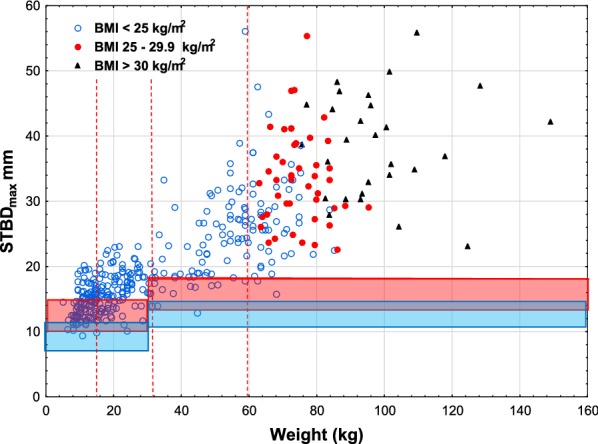
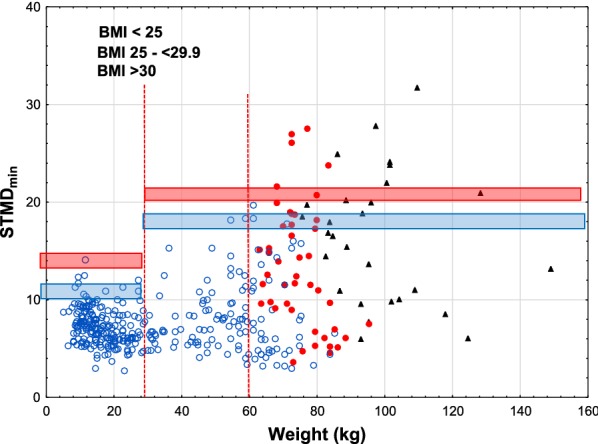
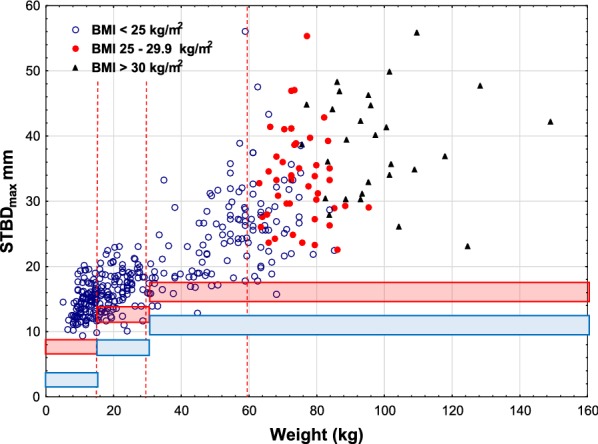
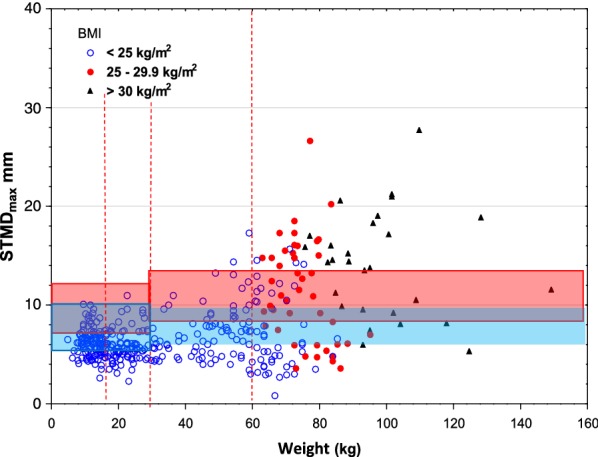
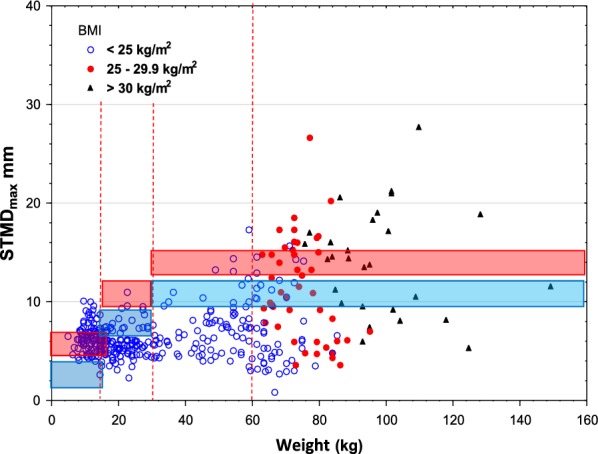
Skin to muscle and skin to bone distances were measured for 303 children and adolescents and 99 adults. Distance was determined by ultrasound, with high or low pressure on the ultrasound probe. The risk/percentage of subcutaneous and intraosseous/periosteal injections was calculated using the lower and upper limits for the authority-approved length of EAI needles as provided by two high pressure EAI manufacturers and one low pressure EAI manufacturer. The addition winter clothing on the delivery of epinephrine was illustrated by comparing drug delivery fissue depth with no clothes. Furthermore, the riof non-intramuscular delivery for the shortest and longest approved needle length was calculated.
When using EpipenJr in children < 15 kg the risk of intraosseous/periostal injection was reduced from 1% and 59% for the shortest and longest approved needle length to 0 and 15% with winter clothes. The Auvi-Q 0.1 mg had no risk of intraosseous/periosteal injection. However, the subcutaneous deposition risk increased from 94% and 28% to 100% and 99% with winter clothes. The risk of subcutaneous injection using EpipenJr in the youngest children increased from 13% and 0% to 81% and 1% with winter clothes, and with Epipen in adults from 45% and 17% to 60% and 38%. Emerade, had a risk of subcutaneous injection in adults increasing from 14% and 10% to 28% and 21% adding winter clothes.
The risk of intraosseous/periosteal injections decreases and the risk of subcutaneous injection increases when injecting through winter clothes for all EAIs.
肾上腺素自动注射器预期通过肌肉注射给药。
研究透过衣物注射是否会影响肾上腺素皮下及骨内/骨膜下沉积的发生率。
对303名儿童和青少年以及99名成年人测量皮肤至肌肉和皮肤至骨骼的距离。距离通过超声测定,超声探头施加高压或低压。使用两家高压肾上腺素自动注射器制造商和一家低压肾上腺素自动注射器制造商提供的经权威批准的肾上腺素自动注射器针头长度的下限和上限,计算皮下及骨内/骨膜下注射的风险/百分比。通过比较无衣物时和有冬季衣物时的药物递送组织深度,说明冬季衣物对肾上腺素递送的影响。此外,计算了最短和最长批准针头长度的非肌肉内递送率。
对于体重<15 kg的儿童使用儿童型肾上腺素自动注射器时,骨内/骨膜下注射的风险在有冬季衣物时,从最短和最长批准针头长度的1%和59%降至0和15%。0.1 mg的Auvi-Q无骨内/骨膜下注射风险。然而,有冬季衣物时,皮下沉积风险从94%和28%增至100%和99%。对于最小的儿童,使用儿童型肾上腺素自动注射器时皮下注射风险在有冬季衣物时从13%和0%增至81%和1%,对于成年人使用肾上腺素自动注射器时从45%和17%增至60%和38%。对于成年人,添加冬季衣物时Emerade皮下注射风险从14%和10%增至28%和21%。
对于所有肾上腺素自动注射器,透过冬季衣物注射时骨内/骨膜下注射风险降低,皮下注射风险增加。