Physical Medicine and Rehabilitation Center, The Second Affiliated Hospital and Yuying Children's Hospital of Wenzhou Medical University, Wenzhou, Zhejiang 325027, P.R. China.
Nursing Department, Hangzhou Children's Hospital, Hangzhou, Zhejiang 310000, P.R. China.
Int J Mol Med. 2020 May;45(5):1447-1463. doi: 10.3892/ijmm.2020.4515. Epub 2020 Feb 26.
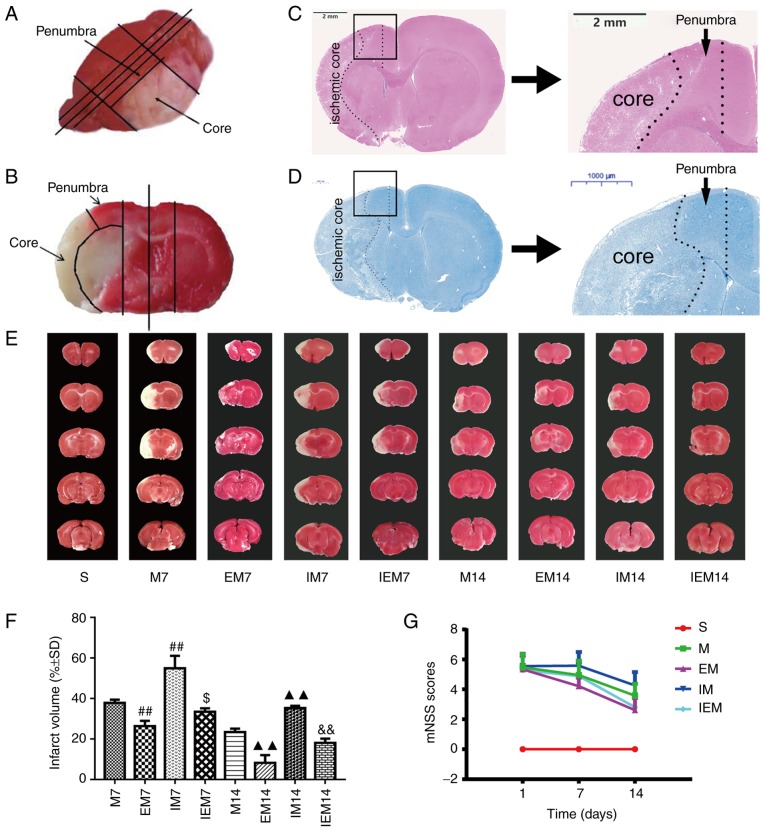
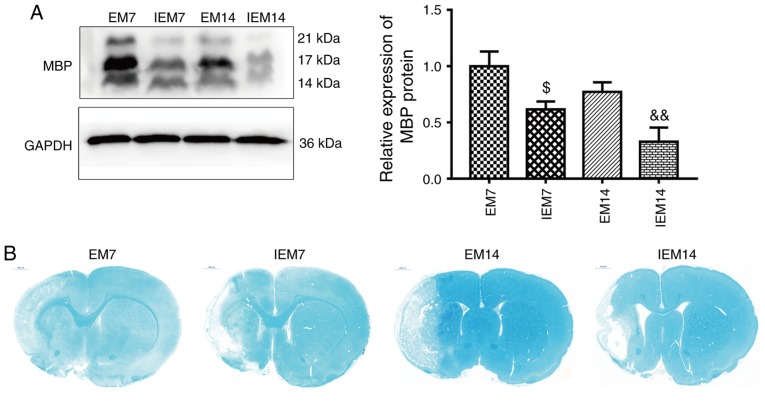
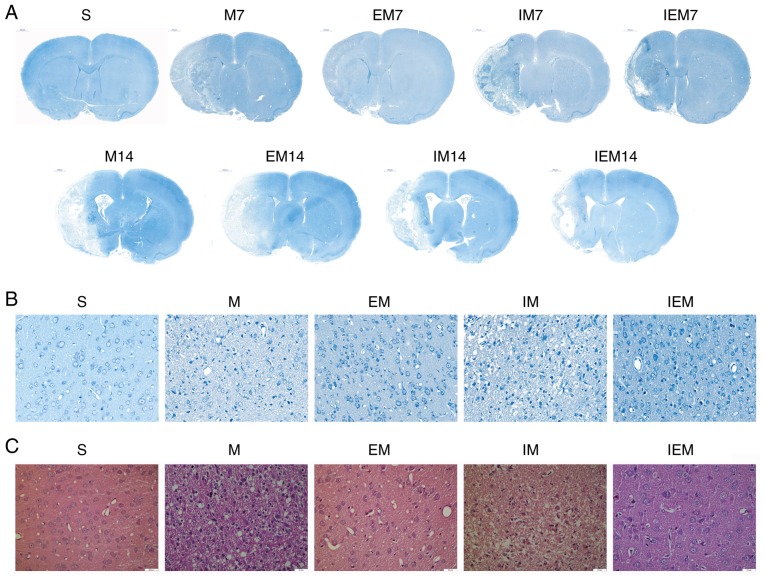
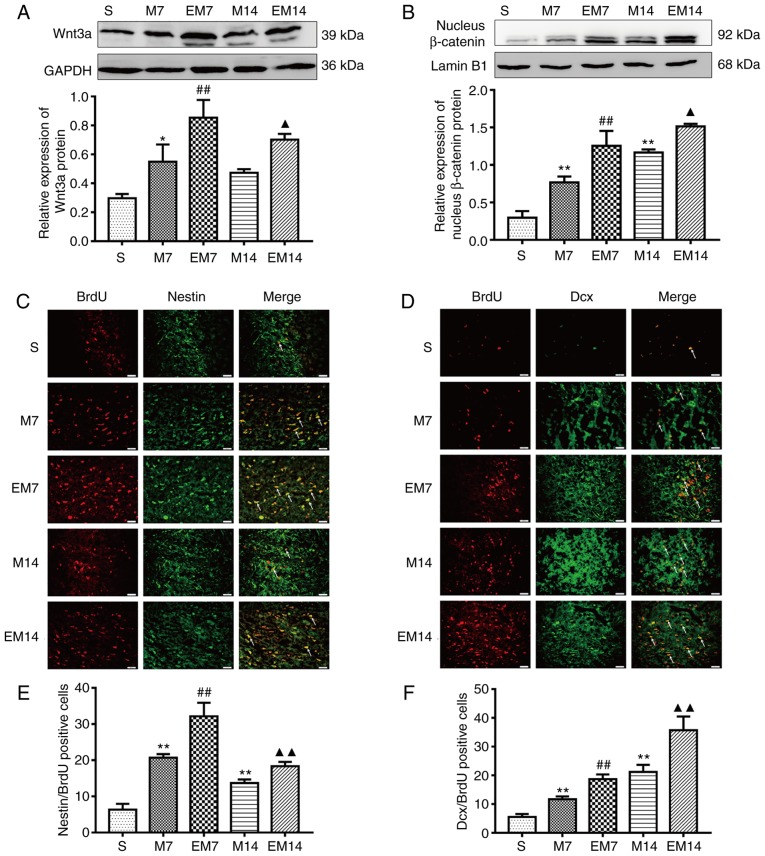
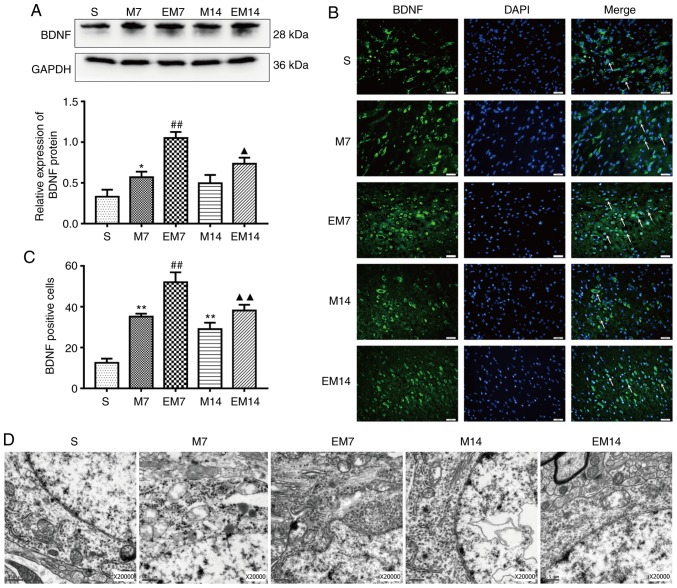
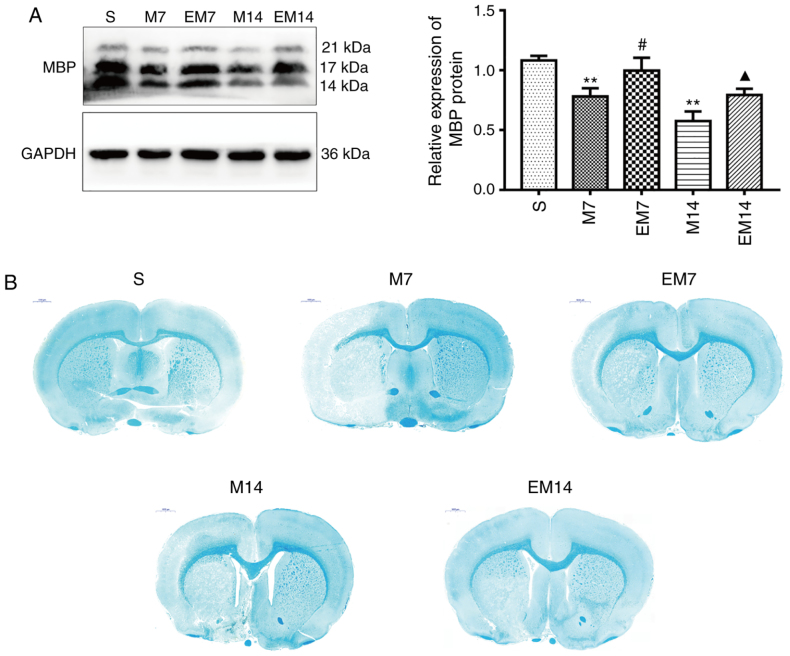
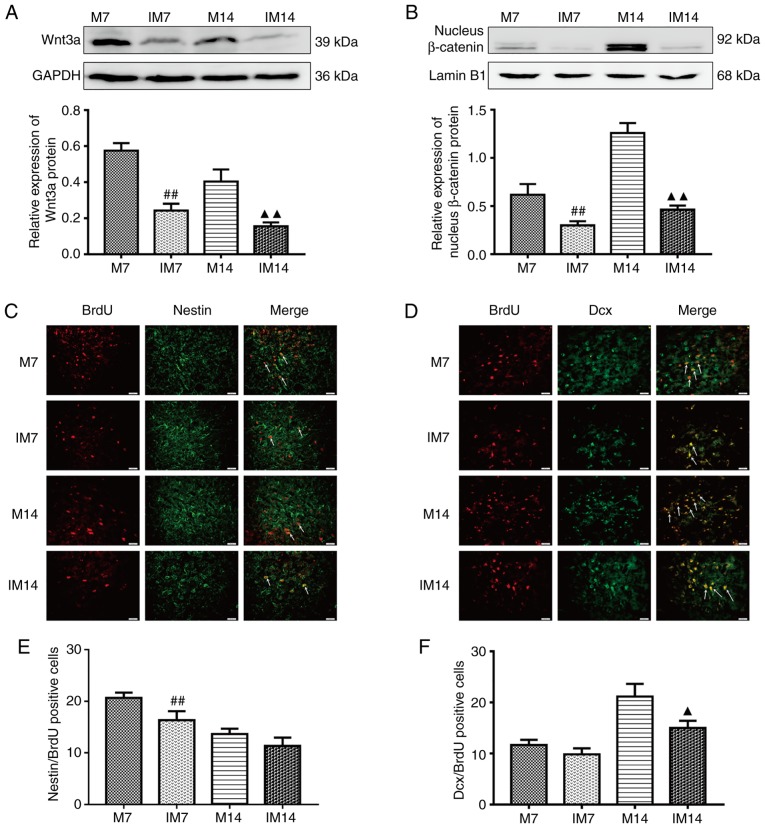
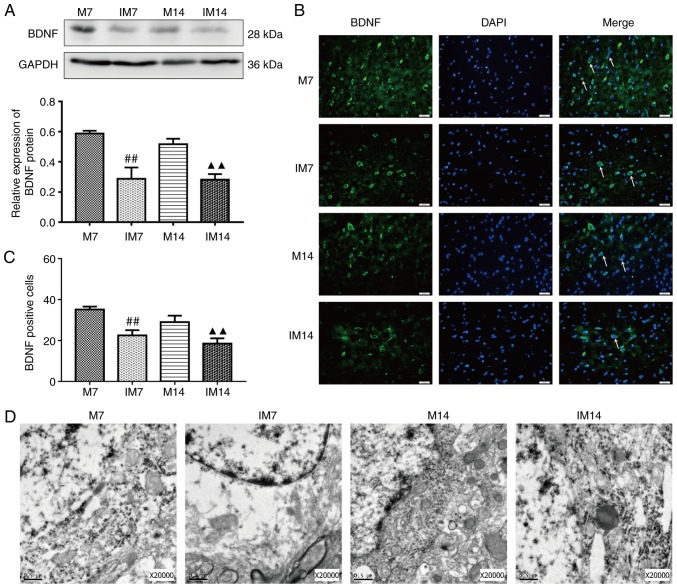
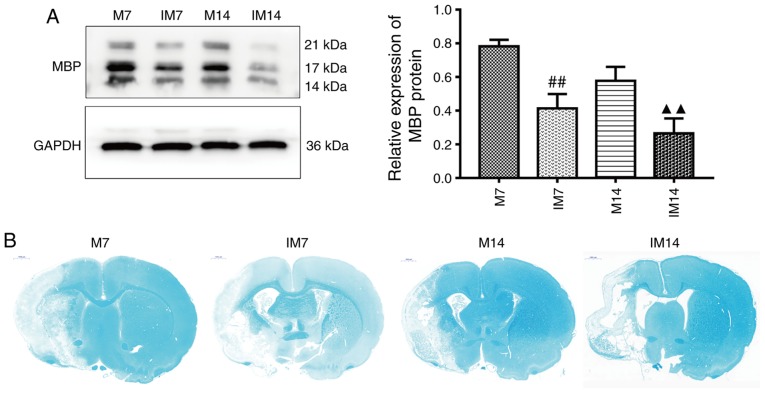
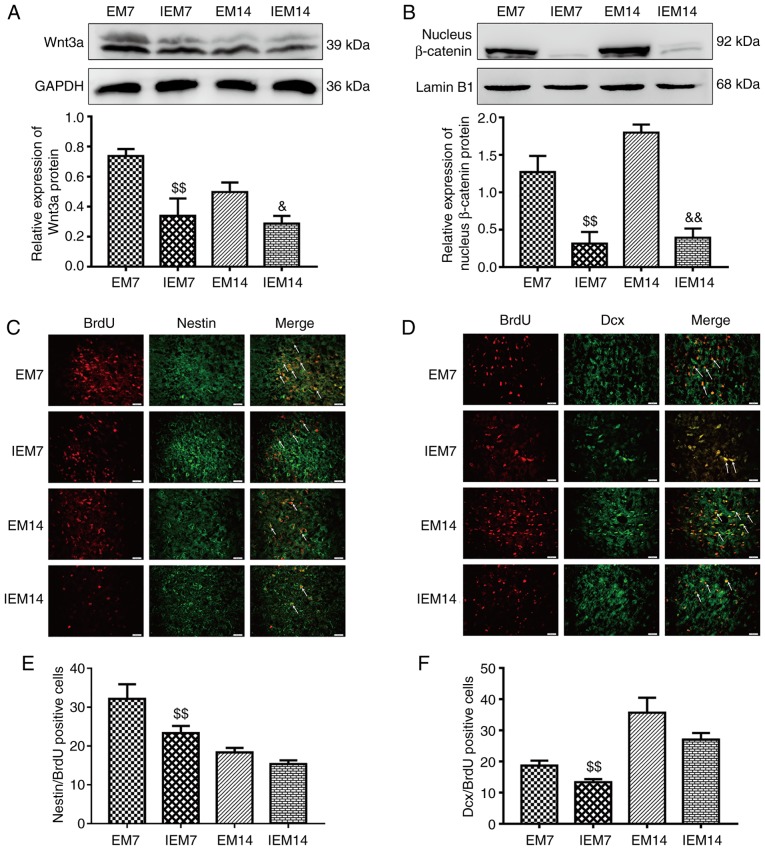
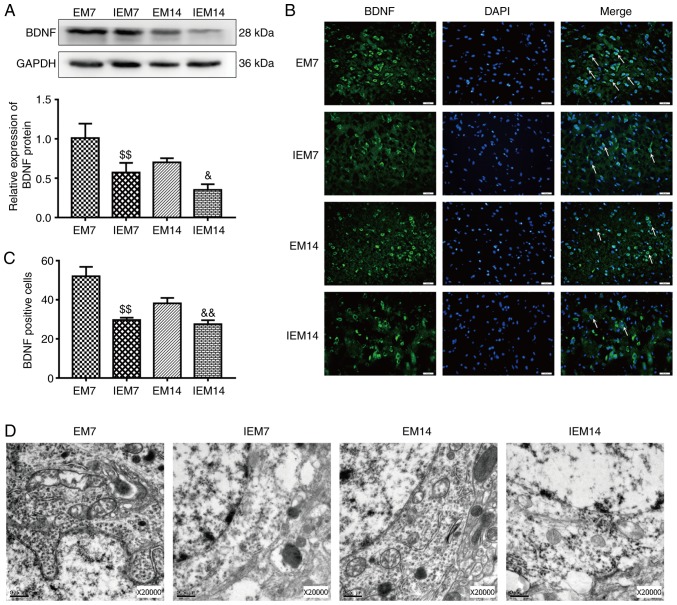
Physical exercise has a neuroprotective effect and is an important treatment after ischemic stroke. Promoting neurogenesis and myelin repair in the penumbra is an important method for the treatment of ischemic stroke. However, the role and potential mechanism of exercise in neurogenesis and myelin repair still needs to be clarified. The goal of the present study was to ascertain the possible effect of treadmill training on the neuroprotective signaling pathway in juvenile rats after ischemic stroke. The model of middle cerebral artery occlusion (MCAO) in juvenile rats was established and then the rats were randomly divided into 9 groups. XAV939 (an inhibitor of the Wnt/β‑catenin pathway) was used to confirm the effects of the Wnt/β‑catenin signaling pathway on exercise‑mediated neurogenesis and myelin repair. Neurological deficits were detected by modified neurological severity score, the injury of brain tissue and the morphology of neurons was detected by hematoxylin‑eosin staining and Nissl staining, and the infarct volume was detected by 2,3,5‑triphenyl tetrazolium chloride staining. The changes in myelin were observed by Luxol fast blue staining. The neuron ultrastructure was observed by transmission electron microscopy. Immunofluorescence and western blots analyzed the molecular mechanisms. The results showed that treadmill exercise improved neurogenesis, enhanced myelin repair, promoted neurological function recovery and reduced infarct volume. These were the results of the upregulation of Wnt3a and nucleus β‑catenin, brain‑derived neurotrophic factor (BDNF) and myelin basic protein (MBP). In addition, XAV939 inhibited treadmill exercise‑induced neurogenesis and myelin repair, which was consistent with the downregulation of Wnt3a, nucleus β‑catenin, BDNF and MBP expression, and the deterioration of neurological function. In summary, treadmill exercise promotes neurogenesis and myelin repair by upregulating the Wnt/β‑catenin signaling pathway, to improve the neurological deficit caused by focal cerebral ischemia/reperfusion.
体育锻炼具有神经保护作用,是缺血性中风后的重要治疗方法。促进半影区的神经发生和髓鞘修复是缺血性中风治疗的重要方法。然而,运动在神经发生和髓鞘修复中的作用和潜在机制仍需要阐明。本研究旨在确定跑步机训练对缺血性中风后幼年大鼠神经保护信号通路的可能影响。建立幼年大鼠大脑中动脉闭塞(MCAO)模型,然后将大鼠随机分为 9 组。使用 XAV939(Wnt/β-连环蛋白通路抑制剂)来确认 Wnt/β-连环蛋白信号通路对运动介导的神经发生和髓鞘修复的影响。通过改良神经功能严重程度评分检测神经功能缺损,通过苏木精-伊红染色和尼氏染色检测脑组织损伤和神经元形态,通过 2,3,5-三苯基氯化四氮唑染色检测梗死体积。通过卢索快速蓝染色观察髓鞘变化。通过透射电子显微镜观察神经元超微结构。免疫荧光和蛋白质印迹分析分子机制。结果表明,跑步机运动改善了神经发生,增强了髓鞘修复,促进了神经功能恢复并减少了梗死体积。这是由于 Wnt3a 和核β-连环蛋白、脑源性神经营养因子(BDNF)和髓鞘碱性蛋白(MBP)的上调。此外,XAV939 抑制了跑步机运动诱导的神经发生和髓鞘修复,这与 Wnt3a、核β-连环蛋白、BDNF 和 MBP 表达下调以及神经功能恶化一致。综上所述,跑步机运动通过上调 Wnt/β-连环蛋白信号通路促进神经发生和髓鞘修复,改善局灶性脑缺血/再灌注引起的神经功能缺损。