Jung E M, Stroszczynski C, Jung F
Institute of Diagnostic Radiology, University Hospital, Regensburg, Germany.
Interdisciplinary Ultrasound Department, University Hospital, Regensburg, Germany.
Clin Hemorheol Microcirc. 2020;74(4):353-361. doi: 10.3233/CH-209003.
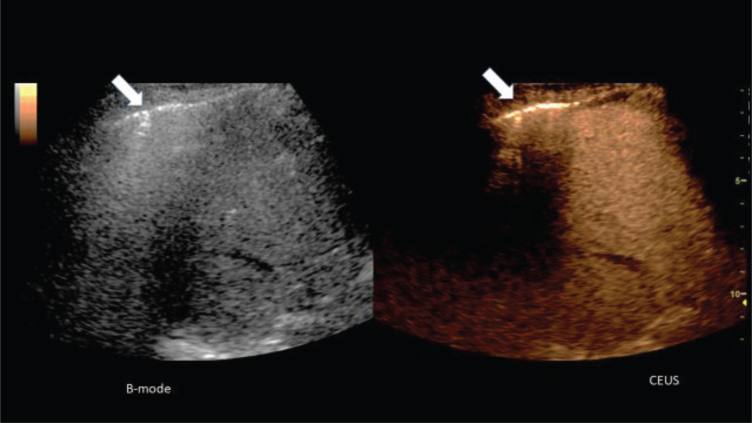
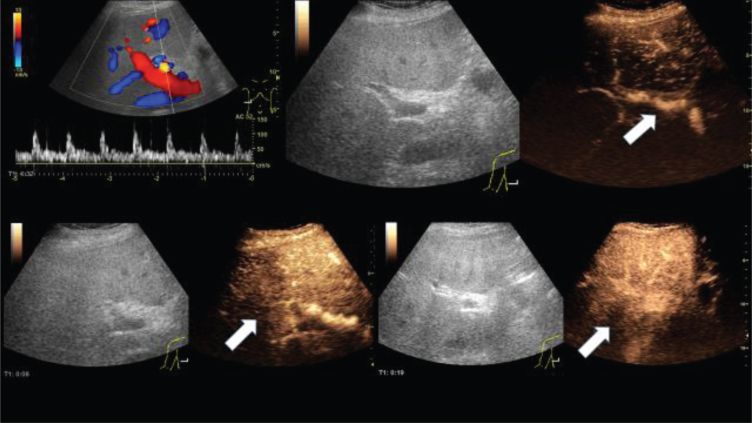
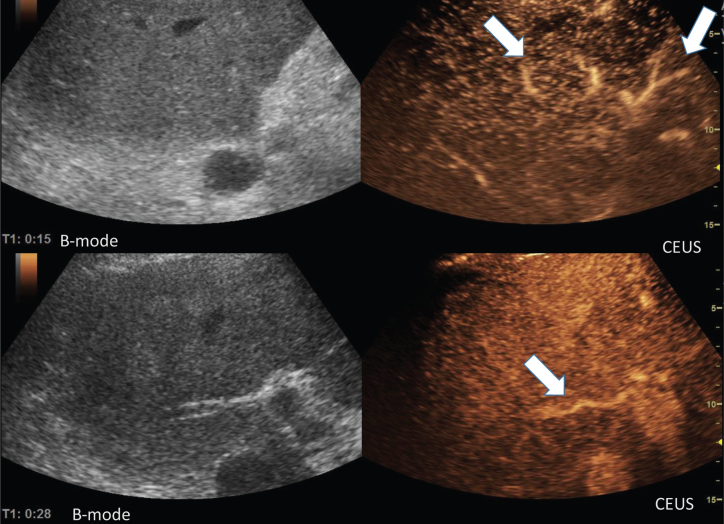
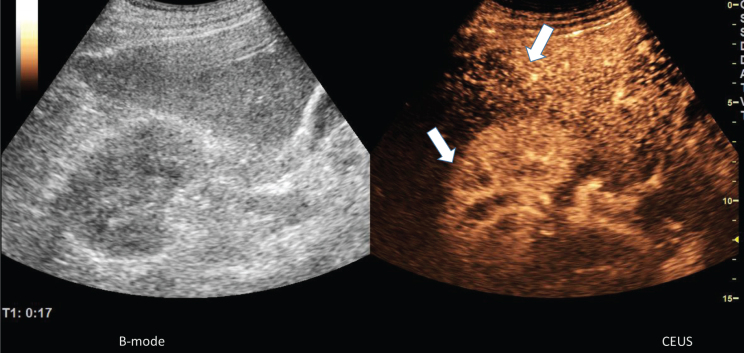
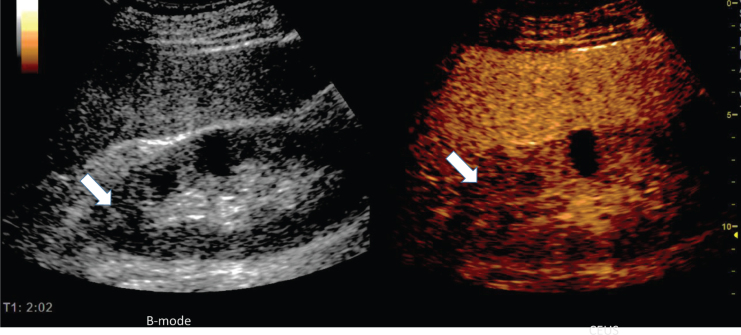
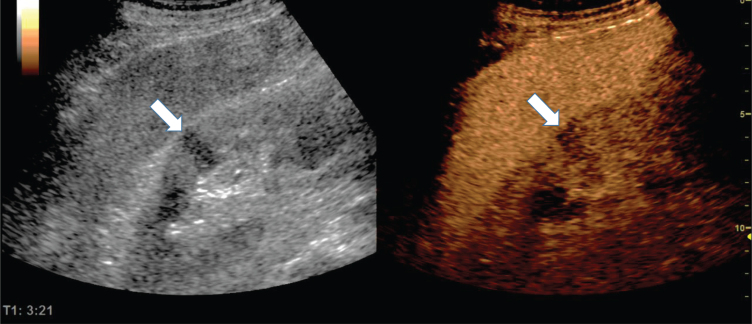
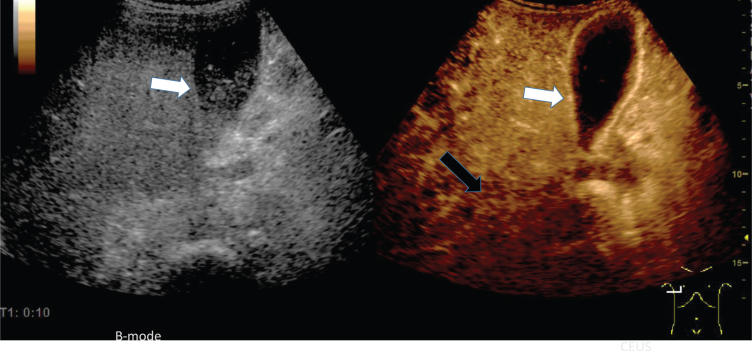
In the hands of experienced examiners, the contrast enhanced sonography (CEUS) offers the possibility to analyze dynamic microcirculatory disturbances in real time dynamically without any risk for kidneys and thyroid gland even in severe progressing disease bedside. Based on severe COVID-19 infections, first experiences with abdominal CEUS examinations are presented. In the stage of an imminent organ failure with significantly reduced kidney and liver function, CEUS can be used to show a narrowing of the organ-supplying arteries, as well as a delayed capillary filling of vessels near the capsule, a regional reduced parenchymal perfusion or an inflammatory hyperemia with capillary hypercirculation. It is possible to quickly rule out organ infarction and to dynamically record the mesenteric arterial and venous blood flow.
在经验丰富的检查者手中,超声造影(CEUS)能够实时动态分析动态微循环紊乱,即使在床边严重进展性疾病的情况下,对肾脏和甲状腺也没有任何风险。基于严重的COVID-19感染,介绍了腹部CEUS检查的初步经验。在即将发生器官衰竭且肾脏和肝功能显著降低的阶段,CEUS可用于显示器官供血动脉变窄,以及包膜附近血管的毛细血管充盈延迟、局部实质灌注减少或伴有毛细血管过度循环的炎症性充血。可以快速排除器官梗死,并动态记录肠系膜动脉和静脉血流。