J Am Pharm Assoc (2003). 2020 May-Jun;60(3):431-438.e1. doi: 10.1016/j.japh.2020.04.006. Epub 2020 Apr 10.
To describe the pharmacy administration and pharmaceutical care in a module hospital during the coronavirus disease 2019 (COVID-19) epidemic and provide reference for domestic and foreign pharmacists participating in the epidemic prevention and control.
The study was performed in a Jianghan module hospital constructed at the Wuhan Convention and Exhibition Center in Wuhan, China. This is 1 of the first 3 module hospitals.
One thousand eight hundred forty-eight patients were admitted to the Jianghan module hospital, and 1327 cases (71.81% of the total number) were cured and discharged. Pharmacists have successfully completed the tasks of purchase, storage, and free distribution of drugs worth ¥1.03 million (approximately $146,000), reviewed about 20,000 electronic orders, provided one-on-one online medication consultation for 484 patients, and held 5 lectures on rational drug use knowledge, which could help reduce irrational drug use and minimize the risk involved.
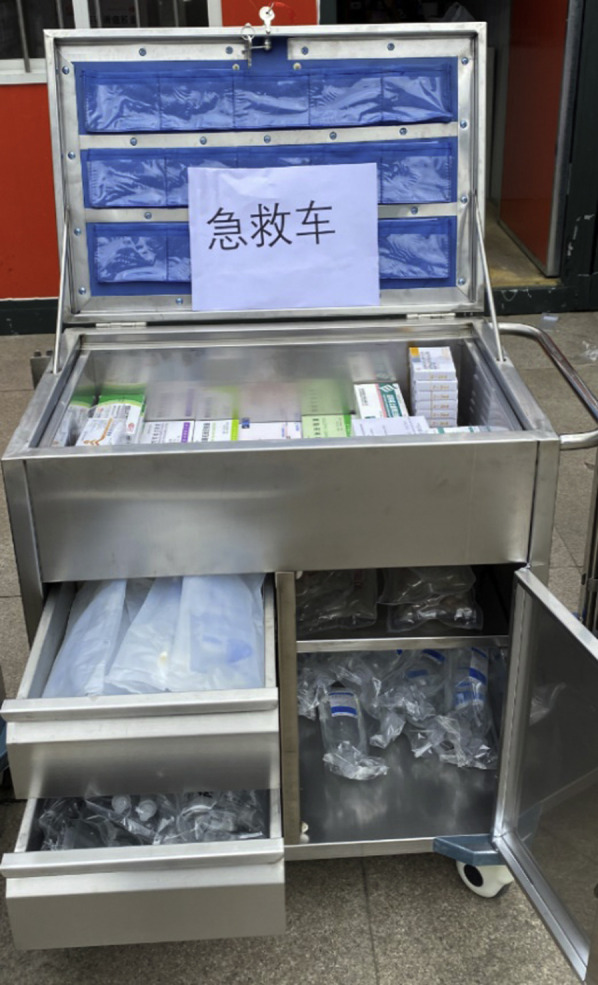
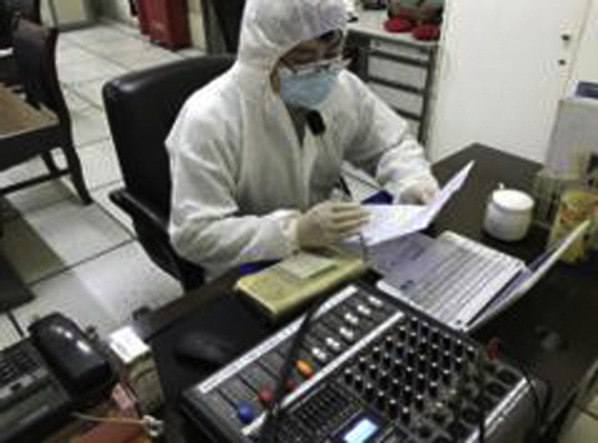
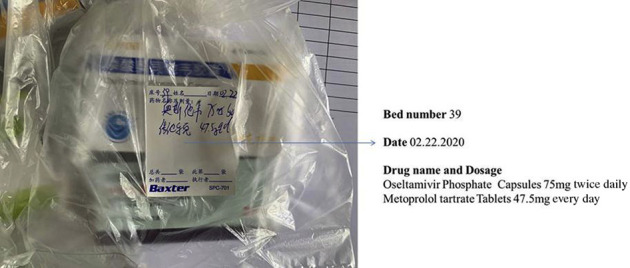
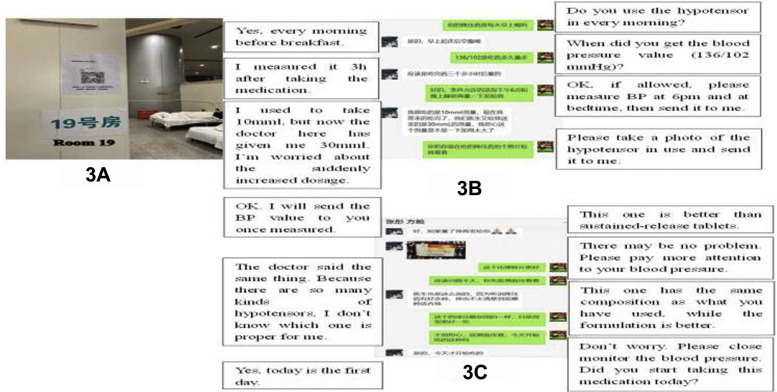
The new COVID-19 "module" pharmaceutical care model is equipped with new features such as pharmacy emergency command group, organizational structure for pharmacy administration, electronic control of drug prescription, and "zero contact" pharmaceutical care relying on the new media platform "WeChat." This platform provides relevant pharmaceutical care for patients, such as ensuring drug supply, setting up critical care drug trolleys, designing specific drug packaging bags, creating a module radio station to broadcast rational drug use information to the patients, and other aspects.
With the continuous improvement of the module hospital and the progress in in-depth knowledge about COVID-19, some aspects such as patient admission criteria and variety of drugs need to be adjusted depending on the actual situation.
The pharmacists provided pharmaceutical care for 1848 patients with mild COVID-19 disease. They not only ensured the timely supply of the drugs but also reduced the incidence of drug-induced risks through medication review and guidance, thereby improving patient compliance and helping the patients rebuild their confidence in overcoming the disease.
The new COVID-19 module pharmaceutical care model has played an important role in overcoming the epidemic situation of COVID-19 in China and thus can be implemented on a broader scale.
描述在新型冠状病毒肺炎(COVID-19)疫情期间模块医院的药房管理和药学服务,并为国内外参与疫情防控的药师提供参考。
本研究在中国武汉武汉国际博览中心设立的江汉模块医院进行,该模块医院是首批 3 个模块医院之一。
共有 1848 名患者入住江汉模块医院,治愈出院 1327 例(占总数的 71.81%)。药师成功完成了价值 103 万元(约合 14.6 万美元)的药品采购、储存和免费发放任务,审核了约 2 万份电子医嘱,为 484 名患者提供了一对一的在线用药咨询,并举办了 5 次合理用药知识讲座,有助于减少不合理用药,降低用药风险。
新型 COVID-19“模块”药学服务模式配备了药房应急指挥组、药房管理组织结构、电子处方控制和依托新媒体平台“微信”的“零接触”药学服务等新功能。该平台为患者提供了相关药学服务,如确保药品供应、设置重症监护药物推车、设计特定药物包装袋、创建模块广播电台向患者播放合理用药信息等。
随着模块医院的不断完善和对 COVID-19 深入知识的不断提高,需要根据实际情况调整患者入院标准和药物种类等方面。
药师为 1848 名轻症 COVID-19 患者提供药学服务。他们不仅确保了药物的及时供应,还通过用药审核和指导降低了药物诱发风险的发生率,提高了患者的依从性,帮助患者重建战胜疾病的信心。
新型 COVID-19 模块药学服务模式在中国克服 COVID-19 疫情中发挥了重要作用,可以更广泛地实施。