Medical School, Anhui University of Science and Technology, 168 Taifeng Street, Tianjiaan District, Huainan, 232001, China.
First Affiliated Hospital, Anhui University of Science and Technology (Huainan First People's Hospital), Huainan, 232001, China.
J Cancer Res Clin Oncol. 2020 Jul;146(7):1737-1749. doi: 10.1007/s00432-020-03228-4. Epub 2020 Apr 27.
The usual first-line strategy of wild-type EGFR (wtEGFR) non-small cell lung cancer (NSCLC) remains cisplatin-based chemotherapy. However, cisplatin often loses effectiveness because most tumors acquire drug resistance over time. As EGFR is the most important pro-survival/proliferation signal receptor in NSCLC cells, we aimed at investigating whether cisplatin resistance is related to EGFR activation and further evaluating the combined effects of cisplatin/gefitinib (EGFR-tyrosine kinase inhibitor, EGFR-TKI) on cisplatin-resistant wtEGFR NSCLC cells.
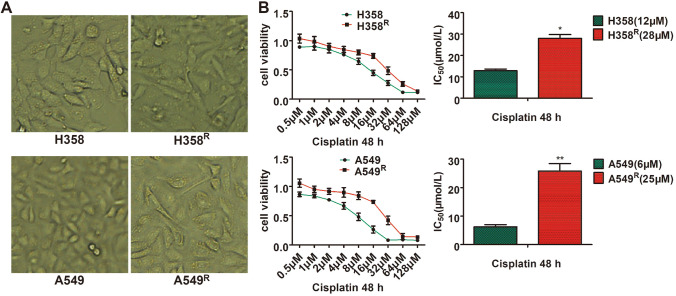
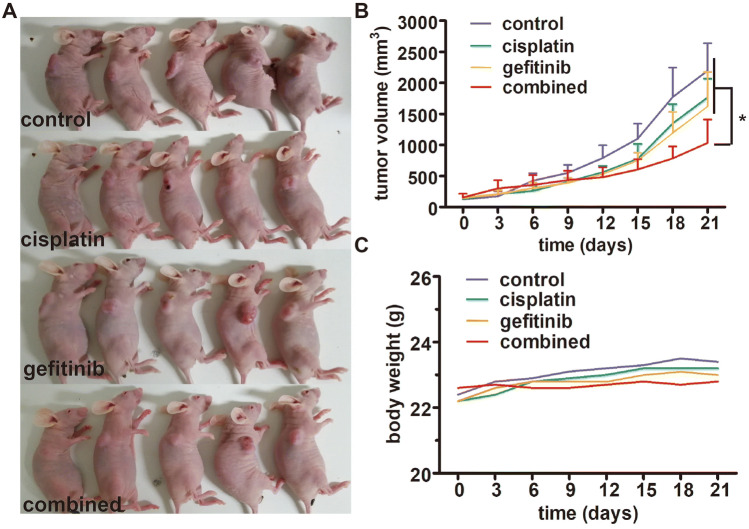
EGFR activation was analysed in parental and cisplatin-resistant wtEGFR NSCLC cell lines (H358 and H358, A549 and A549). Cellular proliferation and apoptosis of H358/A549 cells treated with cisplatin or gefitinib, alone or in combination were investigated, and the related effector protein was detected by western blot analysis. Anti-tumor effect of two drugs combined was evaluated in animal models of H358 xenografts in vivo.
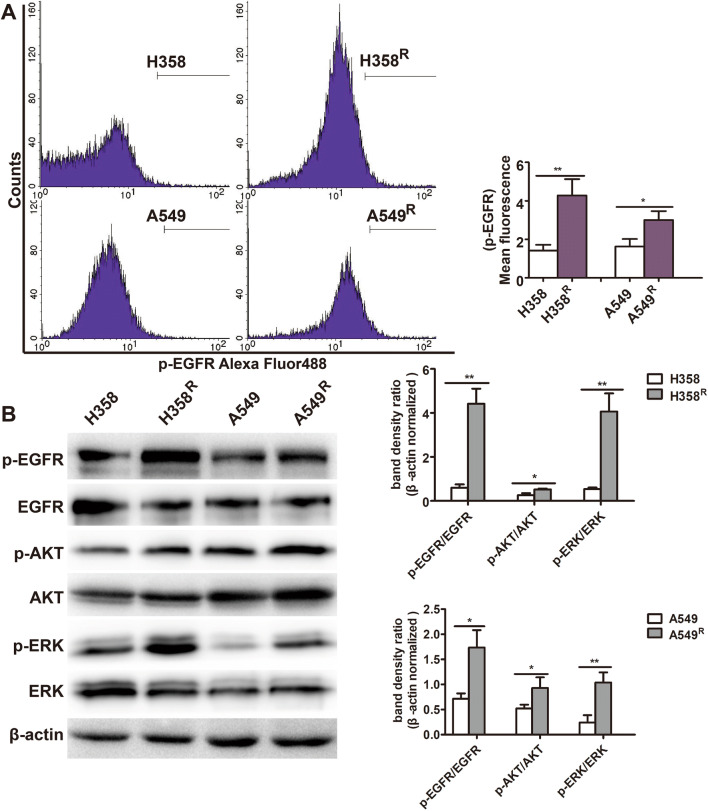
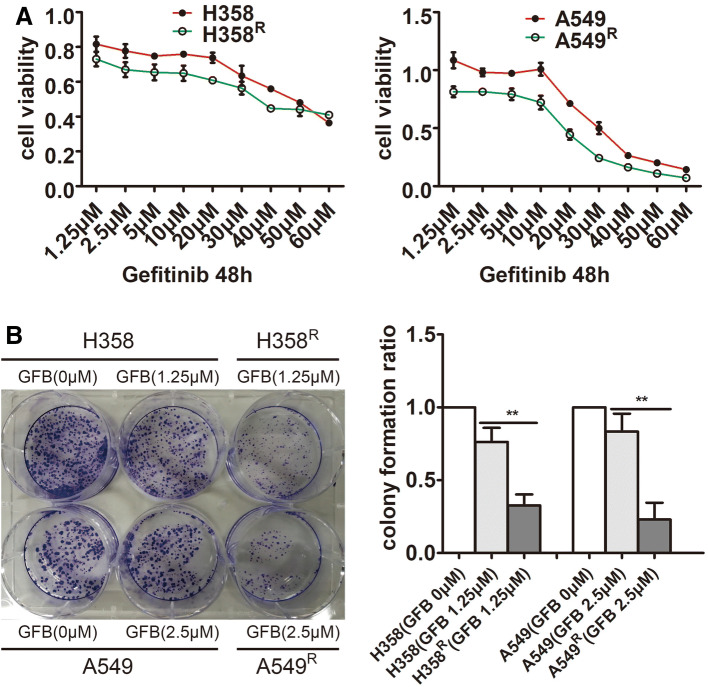
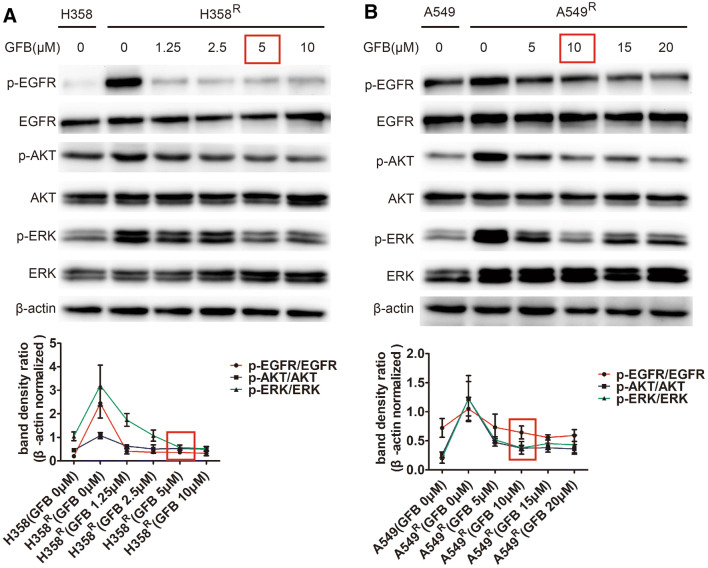
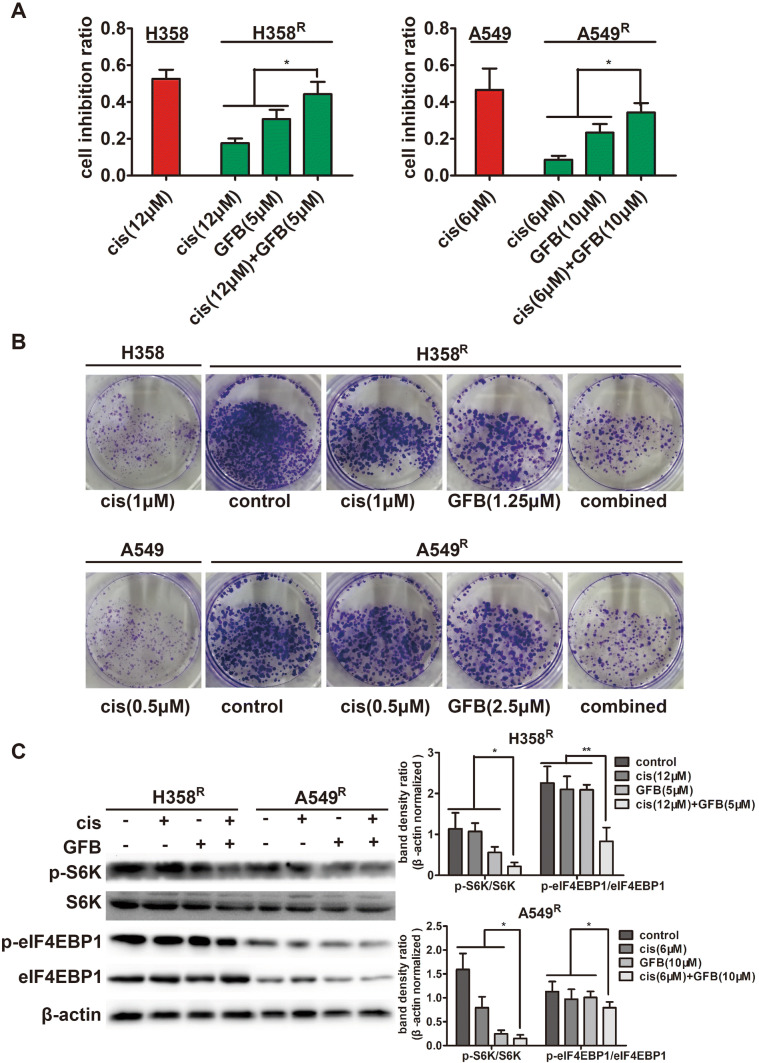
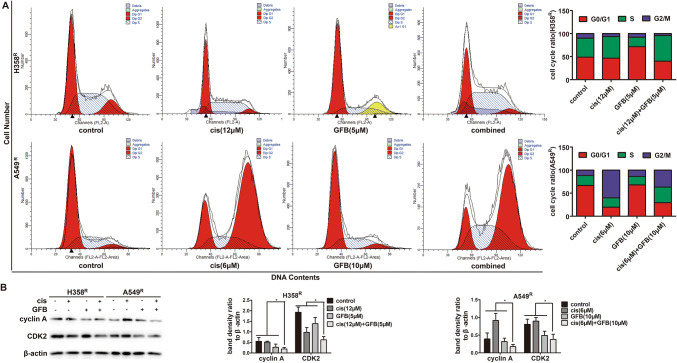
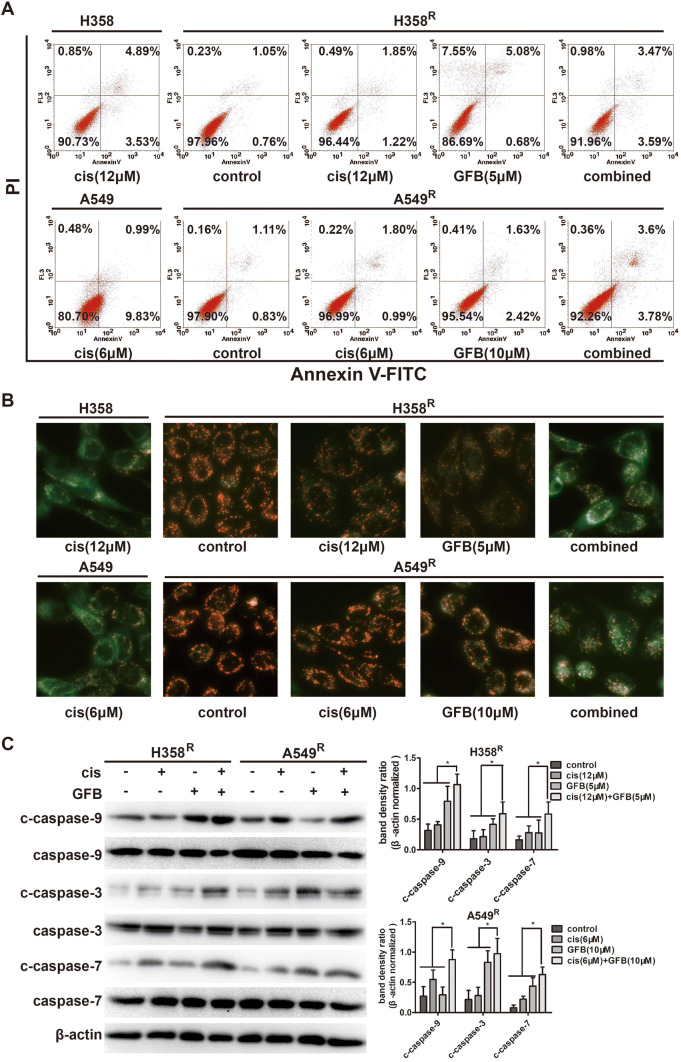
EGFR was significantly phosphorylated in cisplatin-resistant wtEGFR NSCLC cells H358 and A549 than their parental cells. In H358 and A549 cells, anti-proliferative ability of gefitinib was further improved, and gefitinib combined with cisplatin enhanced inhibition of cellular survive/proliferation, and promotion of apoptosis in vitro. The combined effects were also associated with the inhibition of EGFR downstream effector proteins. Similarly, in vivo, gefitinib and cisplatin in combination significantly inhibited tumor growth of H358 xenografts.
Abnormal activation of EGFR may induce wtEGFR NSCLC cell resistance to cisplatin. The combined effects of cisplatin/gefitinib suggest that gefitinib, as a combination therapy for patients with cisplatin-resistant wtEGFR NSCLC should be considered.
野生型表皮生长因子受体(wtEGFR)非小细胞肺癌(NSCLC)的常用一线治疗策略仍是以顺铂为基础的化疗。然而,随着时间的推移,顺铂往往会失去疗效,因为大多数肿瘤会产生耐药性。由于 EGFR 是 NSCLC 细胞中最重要的生存/增殖信号受体之一,我们旨在研究顺铂耐药性是否与 EGFR 激活有关,并进一步评估顺铂/吉非替尼(EGFR 酪氨酸激酶抑制剂,EGFR-TKI)联合应用对顺铂耐药 wtEGFR NSCLC 细胞的影响。
分析亲本和顺铂耐药 wtEGFR NSCLC 细胞系(H358 和 H358、A549 和 A549)中 EGFR 的激活情况。用顺铂或吉非替尼单独或联合处理 H358/A549 细胞,检测细胞增殖和凋亡情况,并通过 Western blot 分析检测相关效应蛋白。在体内 H358 异种移植模型中评估两种药物联合的抗肿瘤作用。
与亲本细胞相比,顺铂耐药 wtEGFR NSCLC 细胞 H358 和 A549 中 EGFR 明显磷酸化。在 H358 和 A549 细胞中,吉非替尼的抗增殖能力进一步提高,吉非替尼与顺铂联合应用增强了对细胞存活/增殖的抑制作用,并促进了细胞凋亡。这种联合作用还与 EGFR 下游效应蛋白的抑制有关。同样,在体内,吉非替尼和顺铂联合应用显著抑制了 H358 异种移植瘤的生长。
EGFR 的异常激活可能导致 wtEGFR NSCLC 细胞对顺铂产生耐药性。顺铂/吉非替尼的联合作用提示吉非替尼作为一种联合治疗方案,可考虑用于治疗顺铂耐药 wtEGFR NSCLC 患者。