Scientific Research Area, Italian Multiple Sclerosis Foundation, Genoa, Italy.
Rehabilitation Research Center (REVAL), Faculty of Rehabilitation Sciences, Hasselt University, Hasselt, Belgium.
JMIR Mhealth Uhealth. 2020 Apr 16;8(4):e15344. doi: 10.2196/15344.
Dual tasking constitutes a large portion of most activities of daily living; in real-life situations, people need to not only maintain balance and mobility skills, but also perform other cognitive or motor tasks at the same time. Interest toward dual-task training (DTT) is increasing as traditional interventions may not prepare patients to adequately face the challenges of most activities of daily living. These usually involve simultaneous cognitive and motor tasks, and they often show a decline in performance. Cognitive-motor interference (CMI) has been investigated in different neurological populations, but limited evidence is present for people with multiple sclerosis (MS). The use of computerized tools is mandatory to allow the application of more standardized assessment and rehabilitation intervention protocols and easier implementation of multicenter and multilanguage studies.
To describe the design and development of CMI-APP, an adaptive and interactive technology tablet-based app, and to present the preliminary results of a multicenter pilot study involving people with MS performed in several European centers for evaluating the feasibility of and adherence to a rehabilitation program based on CMI-APP.
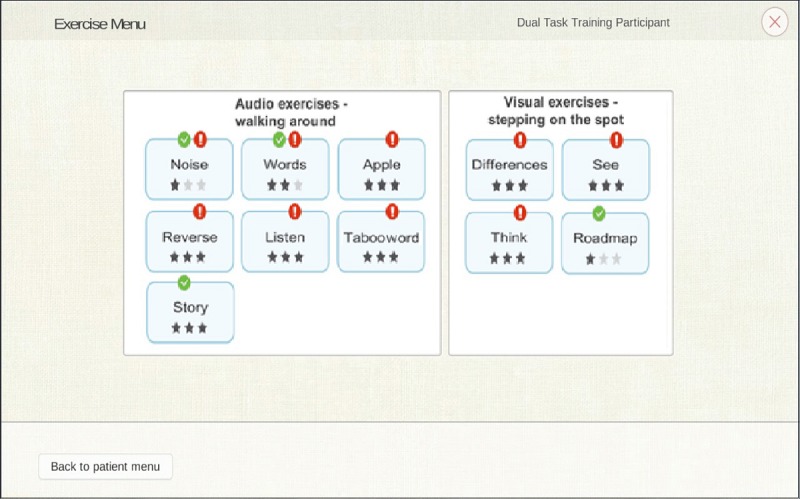
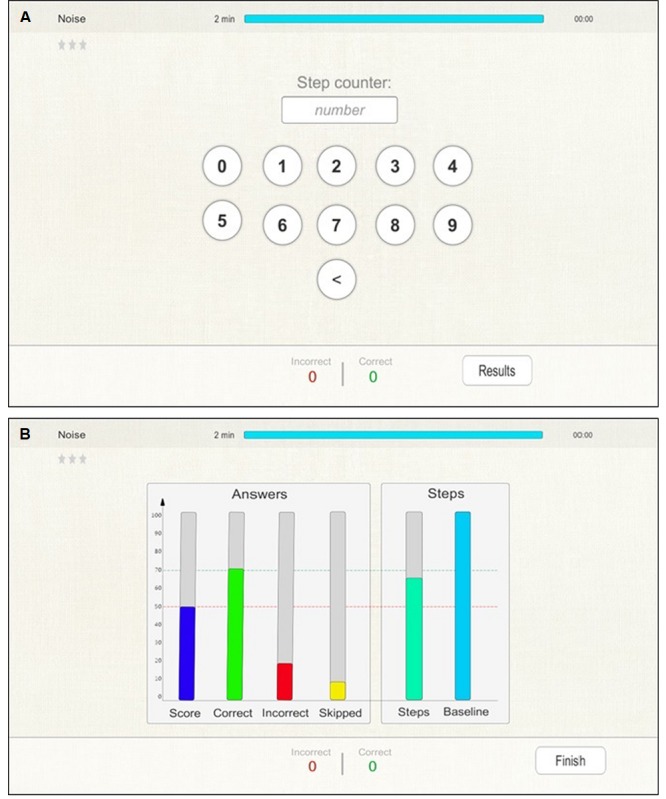
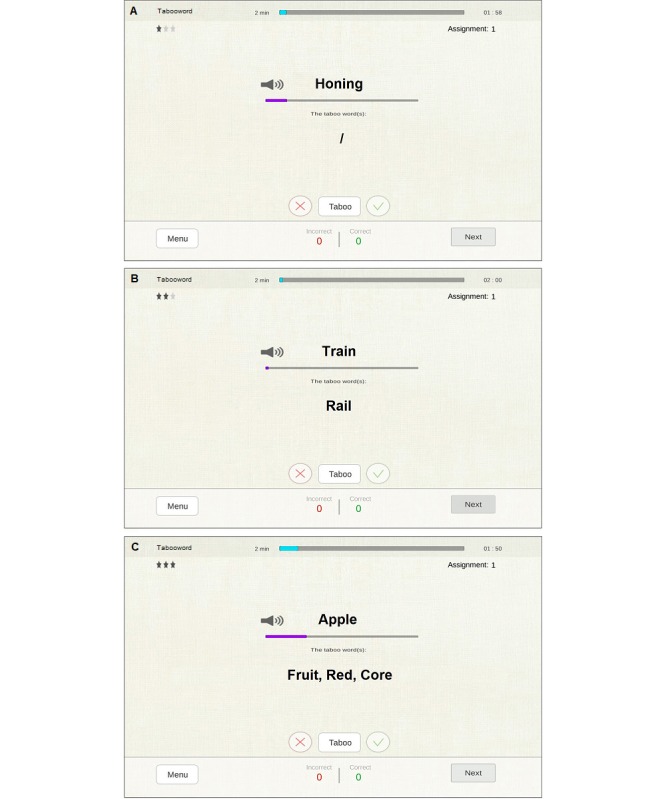
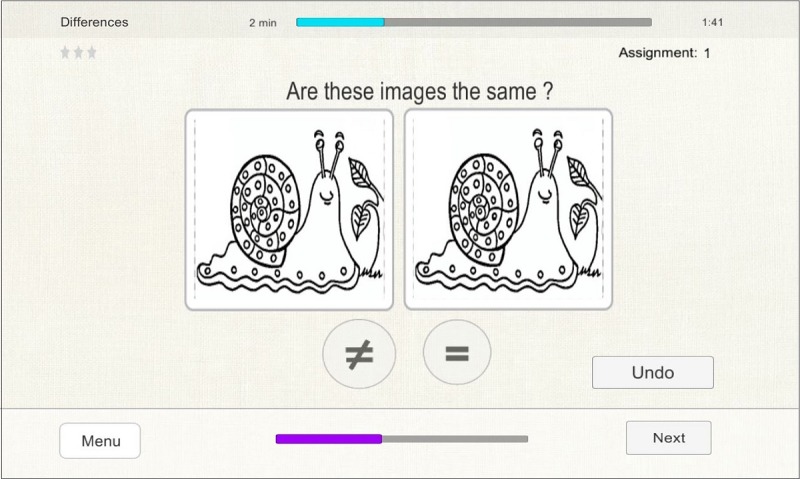
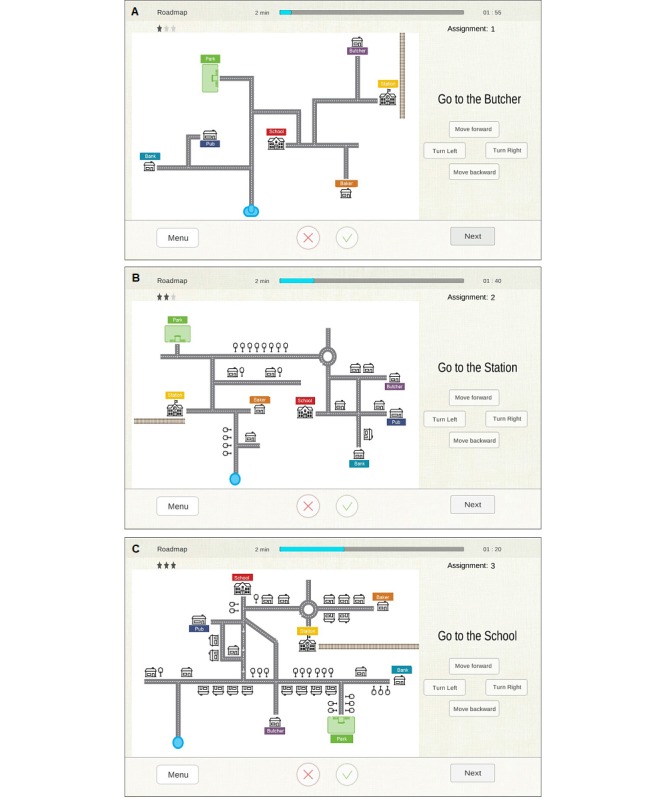
CMI-APP includes user-friendly interfaces for personal data input and management, assessment of CMI, and DTT. A dedicated team developed CMI-APP for Android tablets above API level 14 (version 4.0), using C# as the programming language and Unity and Visual Studio as development tools. Three cognitive assessment tests for working memory, information processing speed, and sustained attention and four motor assessment tests for walking at different difficulty levels were implemented. Dual cognitive-motor tasks were performed by combining single cognitive and motor tasks. CMI-APP implements exercises for DTT involving the following 12 cognitive functions: sustained attention, text comprehension, verbal fluency, auditory discrimination, visual discrimination, working memory, information processing speed, auditory memory, visual memory, verbal analog reasoning, visual analog reasoning, and visual spatial planning, which can be performed during walking or stepping on the spot. Fifteen people with MS (mean age 52.6, SD 8.6 years; mean disease duration 9.4, SD 8.4 years; mean Expanded Disability Status Scale score 3.6, SD 1.1) underwent DTT (20 sessions). Adherence to the rehabilitation program was evaluated according to the percentage of performed sessions, perceived exertion during the training (Borg 15-point Ratings of Perceived Exertion [RPE] Scale), and subjective experience of the training (Intrinsic Motivation Inventory [IMI]).
The adherence rate was 91%. DTT was perceived as "somewhat difficult" (mean RPE Scale score 12.6, SD 1.9). IMI revealed that participants enjoyed the training and felt that it was valuable and, to some extent, important, without feelings of pressure. They felt competent, although they did not always feel they could choose the exercises, probably because the therapist chose the exercises and many exercises had few difficulty levels.
CMI-APP is safe, highly usable, motivating, and well accepted for DTT by people with MS. The findings are fundamental for the preparation of future large-sample studies examining CMI and the effectiveness of DTT interventions with CMI-APP in people with MS.
双重任务构成了大多数日常生活活动的大部分内容;在现实生活中,人们不仅需要保持平衡和移动技能,还需要同时执行其他认知或运动任务。由于传统干预措施可能无法使患者充分准备好应对大多数日常生活活动的挑战,因此对双重任务训练(DTT)的兴趣正在增加。这些活动通常涉及同时进行认知和运动任务,并且通常会表现出性能下降。认知运动干扰(CMI)已在不同的神经病学人群中进行了研究,但针对多发性硬化症(MS)患者的证据有限。使用计算机化工具是必需的,以允许应用更标准化的评估和康复干预协议,并更轻松地实施多中心和多语言研究。
描述基于平板电脑的自适应和互动技术 CMI-APP 的设计和开发,并介绍在几个欧洲中心进行的针对多发性硬化症患者的多中心试点研究的初步结果,该研究评估了基于 CMI-APP 的康复计划的可行性和依从性。
CMI-APP 包括用于个人数据输入和管理、CMI 评估和 DTT 的用户友好界面。一个专门的团队为 Android 平板电脑(API 级别 14 及以上,版本 4.0)开发了 CMI-APP,使用 C#作为编程语言,并使用 Unity 和 Visual Studio 作为开发工具。实现了用于工作记忆、信息处理速度和持续注意力的三个认知评估测试以及用于不同难度水平行走的四个运动评估测试。通过结合单个认知和运动任务来执行双重认知运动任务。CMI-APP 实现了用于 DTT 的 12 项认知功能的练习:持续注意力、文本理解、言语流畅性、听觉辨别、视觉辨别、工作记忆、信息处理速度、听觉记忆、视觉记忆、言语类比推理、视觉类比推理和视觉空间规划,这些练习可以在行走或原地踏步时进行。15 名多发性硬化症患者(平均年龄 52.6 岁,标准差 8.6 岁;平均疾病持续时间 9.4 年,标准差 8.4 年;平均扩展残疾状况量表评分为 3.6,标准差 1.1)接受了 DTT(20 次)。根据完成的会话百分比、训练期间的感知用力(Borg 15 点感知用力量表[RPE])和训练的主观体验(内在动机量表[IMI])评估康复计划的依从性。
依从率为 91%。DTT 被认为“有点困难”(平均 RPE 量表评分为 12.6,标准差 1.9)。IMI 表明参与者喜欢培训,并且认为培训有价值,在某种程度上很重要,没有压力感。他们感到有能力,尽管他们并不总是觉得自己可以选择练习,这可能是因为治疗师选择了练习,而且许多练习的难度级别较少。
CMI-APP 对于多发性硬化症患者进行 DTT 是安全、高度可用、激励人心且易于接受的。这些发现对于为未来的大规模研究奠定了基础,这些研究将检查多发性硬化症患者的 CMI 和使用 CMI-APP 进行 DTT 干预的有效性。