Hainan Key Laboratory for Sustainable Utilization of Tropical Bioresources, College of Tropical Crops, Hainan University, No. 58 Renmin Avenue, Haikou, 570228, Hainan, P. R. China.
BMC Genomics. 2020 Apr 29;21(1):329. doi: 10.1186/s12864-020-6726-6.
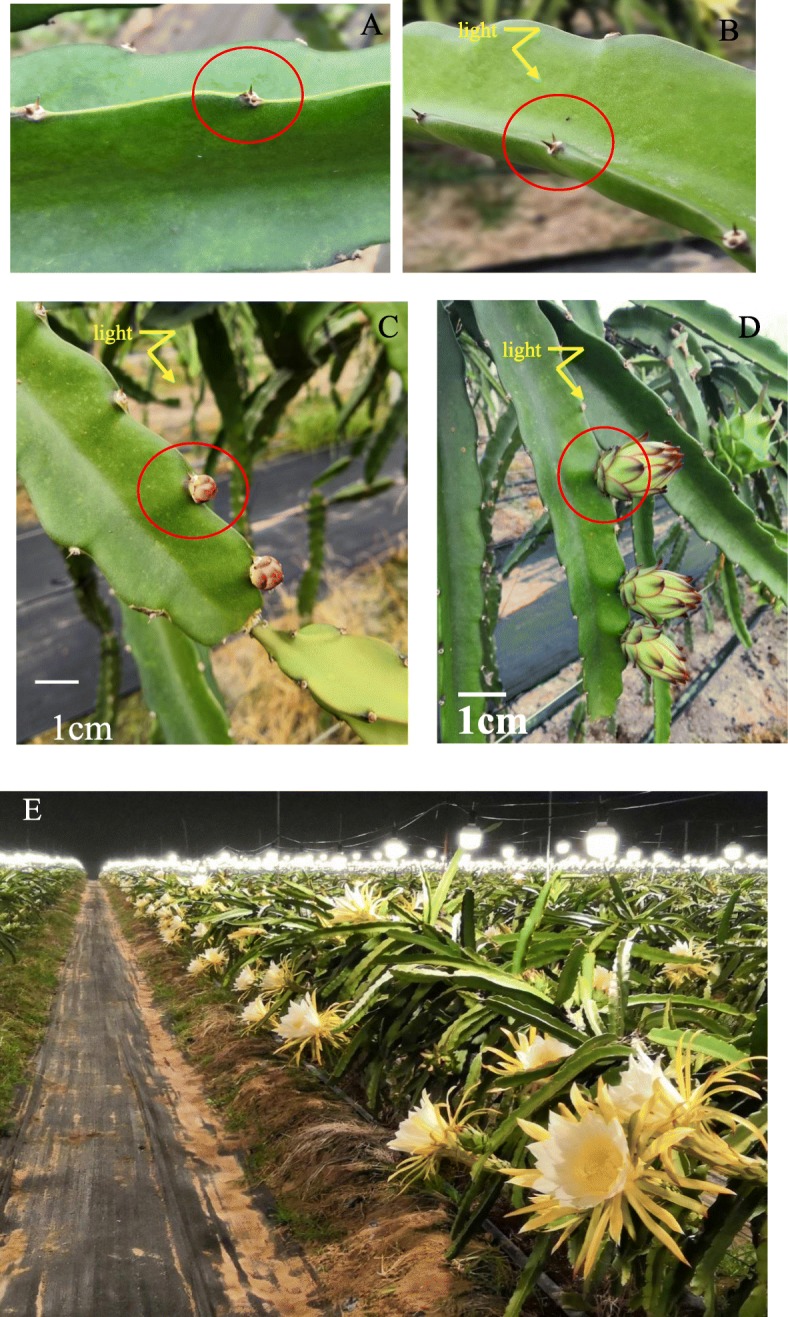
Pitayas are currently attracting considerable interest as a tropical fruit with numerous health benefits. However, as a long-day plant, pitaya plants cannot flower in the winter season from November to April in Hainan, China. To harvest pitayas with high economic value in the winter season, it is necessary to provide supplementary lighting at night to induce flowering. To further explore the molecular regulating mechanisms of flower induction in pitaya plants exposed to supplementary lighting, we used de novo RNA sequencing-based transcriptomic analysis for four stages of pitaya plants subjected to light induction.
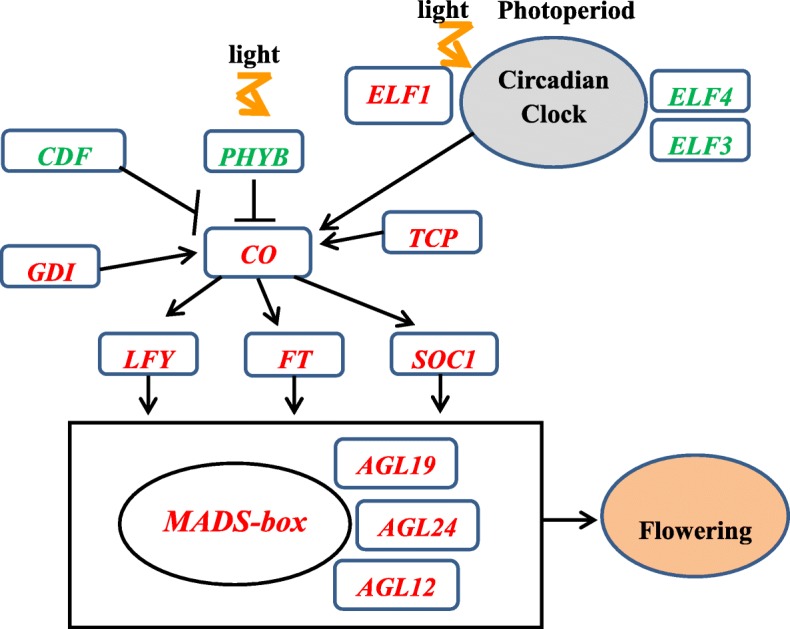
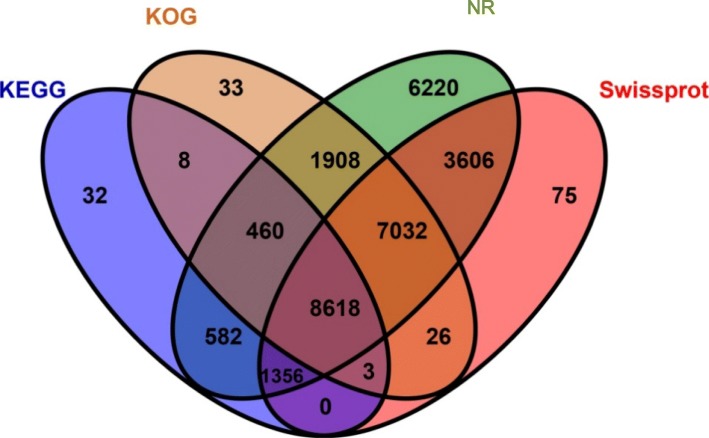
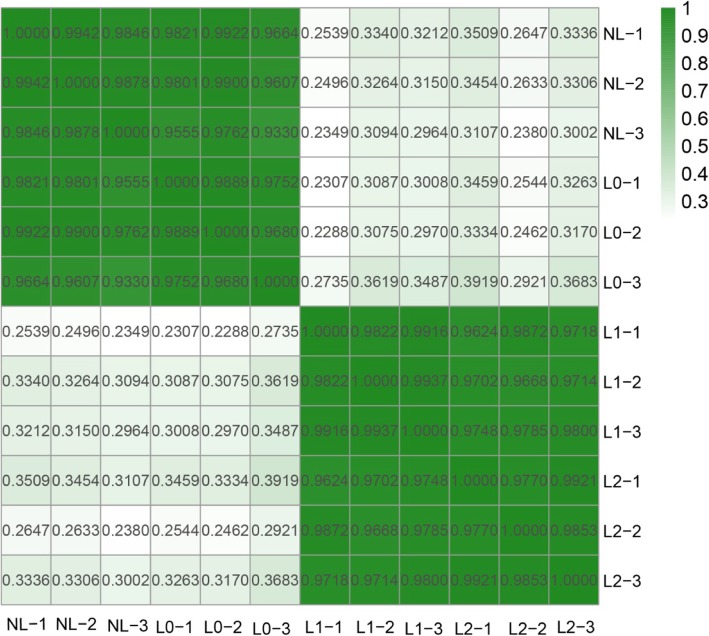
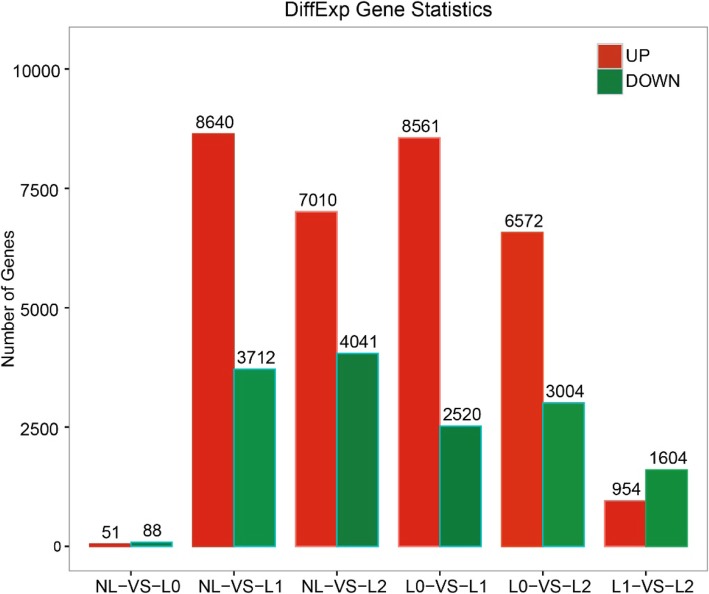
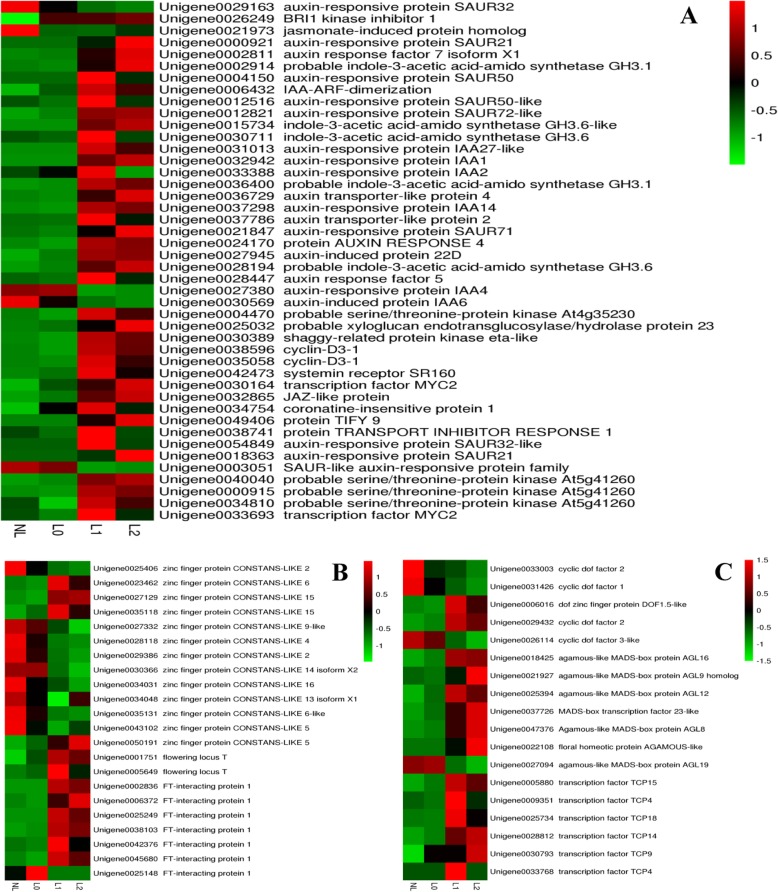
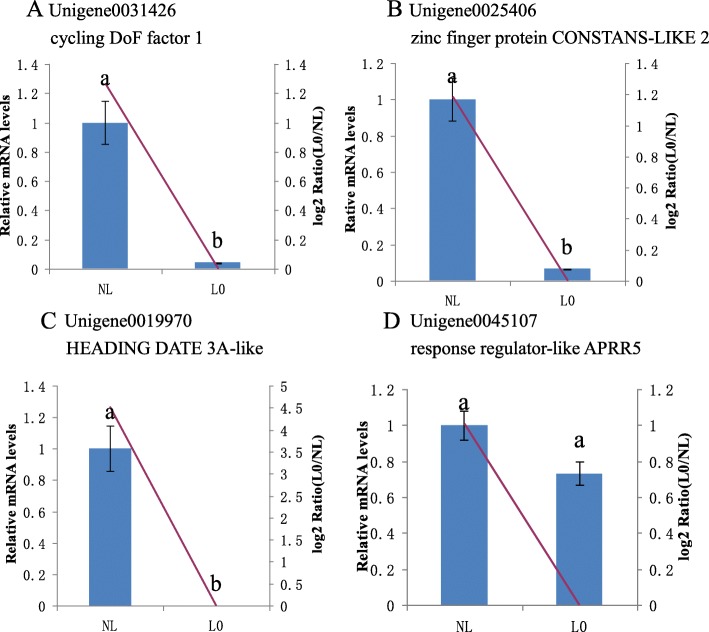
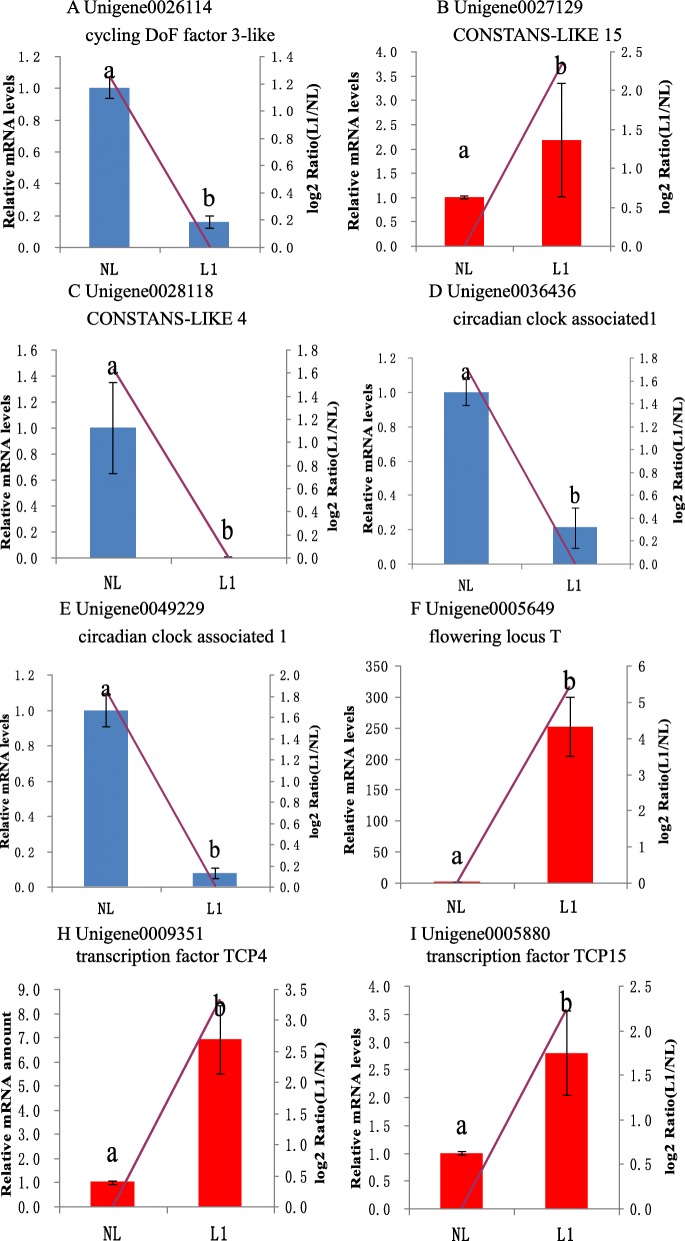
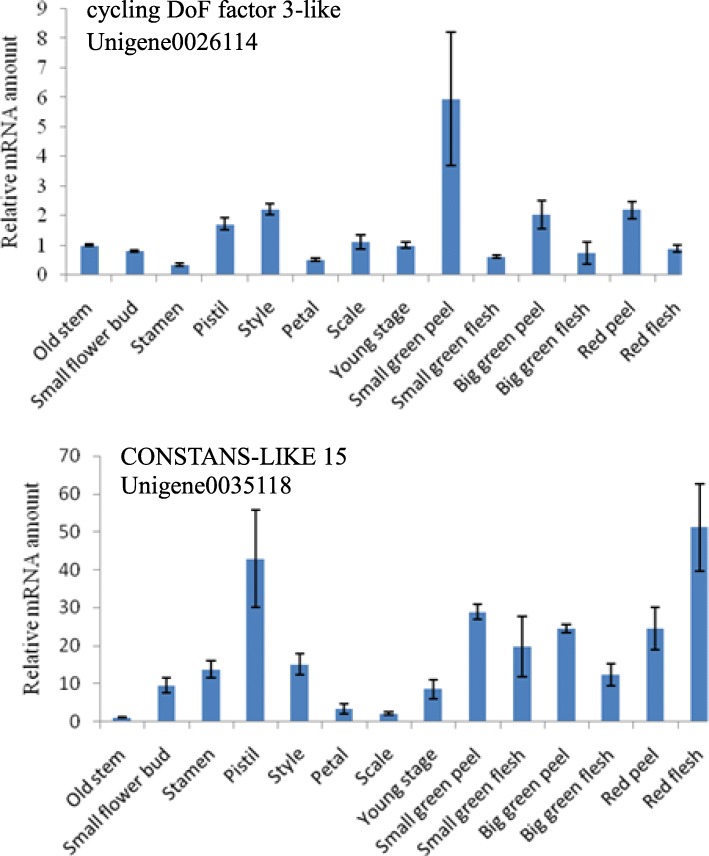
We assembled 68,113 unigenes in total, comprising 29,782 unigenes with functional annotations in the NR database, 20,716 annotations in SwissProt, 18,088 annotations in KOG, and 11,059 annotations in KEGG. Comparisons between different samples revealed different numbers of significantly differentially expressed genes (DEGs). A number of DEGs involved in energy metabolism-related processes and plant hormone signaling were detected. Moreover, we identified many CONSTANS-LIKE, FLOWERING LOCUS T, and other DEGs involved in the direct regulation of flowering including CDF and TCP, which function as typical transcription factor genes in the flowering process. At the transcriptomic level, we verified 13 DEGs with different functions in the time-course response to light-induced flowering by quantitative reverse-transcription PCR analysis.
The identified DEGs may include some key genes controlling the pitaya floral-induction network, the flower induction and development is very complicated, and it involves photoperiod perception and different phytohormone signaling. These findings will increase our understanding to the molecular mechanism of floral regulation of long-day pitaya plants in short-day winter season induced by supplementary lighting.
火龙果作为一种具有多种健康益处的热带水果,目前备受关注。然而,火龙果作为长日照植物,在中国海南的 11 月至 4 月的冬季无法开花。为了在冬季收获具有高经济价值的火龙果,有必要在夜间提供补充光照以诱导开花。为了进一步探索火龙果在补充光照下诱导开花的分子调控机制,我们使用从头转录组分析对经历光照诱导的火龙果植物的四个阶段进行了分析。
我们总共组装了 68113 条 unigenes,其中 29782 条具有 NR 数据库的功能注释,20716 条具有 SwissProt 注释,18088 条具有 COG 注释,11059 条具有 KEGG 注释。不同样本之间的比较显示出不同数量的显著差异表达基因(DEGs)。检测到一些与能量代谢相关过程和植物激素信号转导相关的 DEGs。此外,我们还鉴定了许多 CONSTANS-LIKE、FLOWERING LOCUS T 以及其他参与开花直接调控的 DEGs,包括 CDF 和 TCP,它们作为开花过程中的典型转录因子基因发挥作用。在转录组水平上,我们通过定量逆转录 PCR 分析验证了光诱导开花时间过程中 13 个具有不同功能的 DEGs。
鉴定出的 DEGs 可能包括一些控制火龙果花诱导网络的关键基因,花的诱导和发育非常复杂,涉及光周期感知和不同的植物激素信号。这些发现将增加我们对短日照冬季补充光照诱导长日照火龙果植物开花的分子调控机制的理解。