Chen Junru, Ding Chaofeng, Chen Yunhao, Hu Wendi, Lu Yuejie, Wu Wenxuan, Zhang Yanpeng, Yang Beng, Wu Hao, Peng Chuanhui, Xie Haiyang, Zhou Lin, Wu Jian, Zheng Shusen
Division of Hepatobiliary and Pancreatic Surgery, Department of Surgery, First Affiliated Hospital, School of Medicine, Zhejiang University, 310003, Hangzhou, China.
NHC Key Laboratory of Combined Multi-organ Transplantation, 310003, Hangzhou, China.
Oncogenesis. 2020 Apr 29;9(4):42. doi: 10.1038/s41389-020-0226-z.
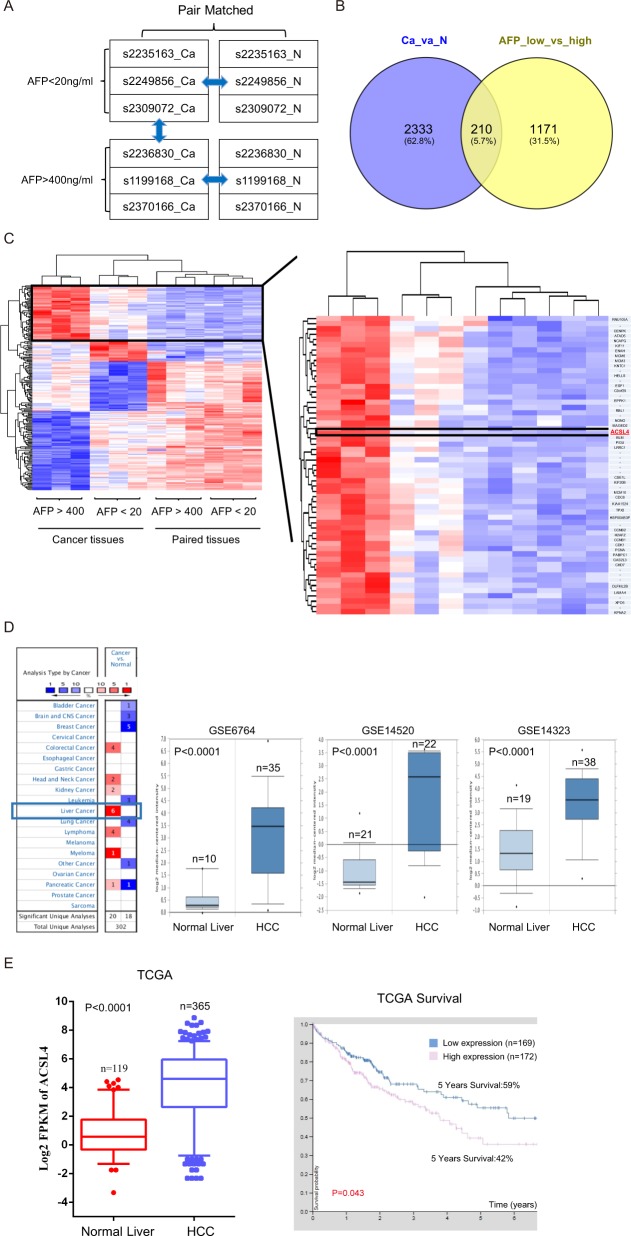
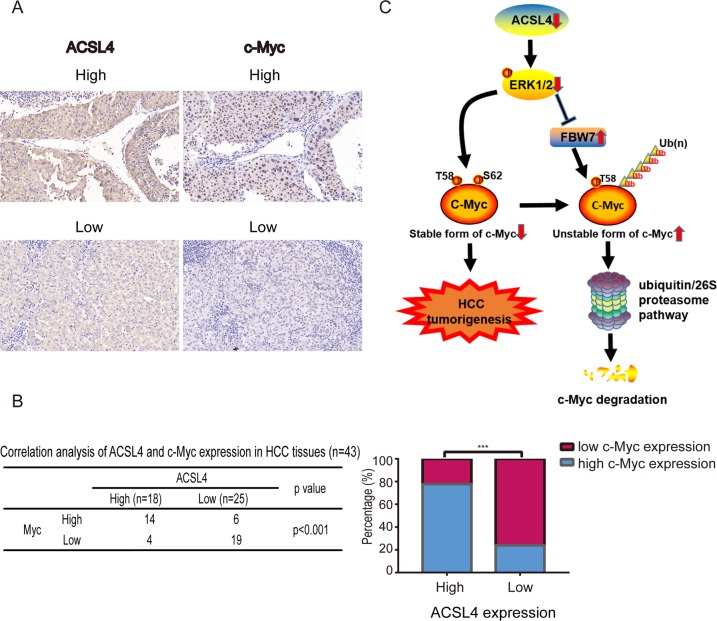
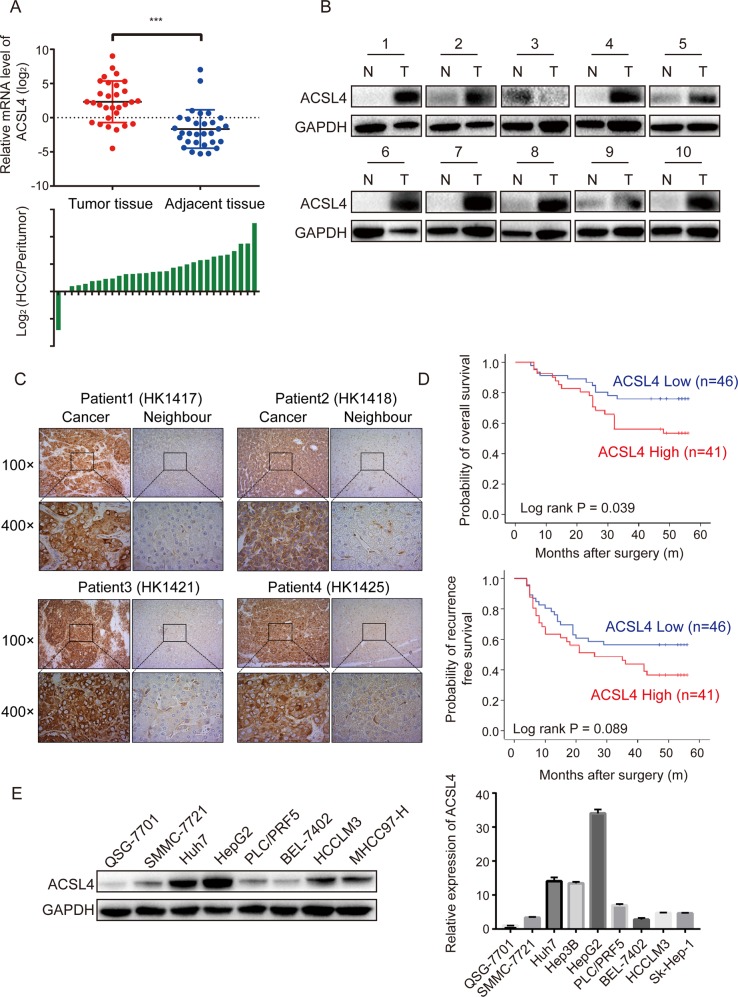
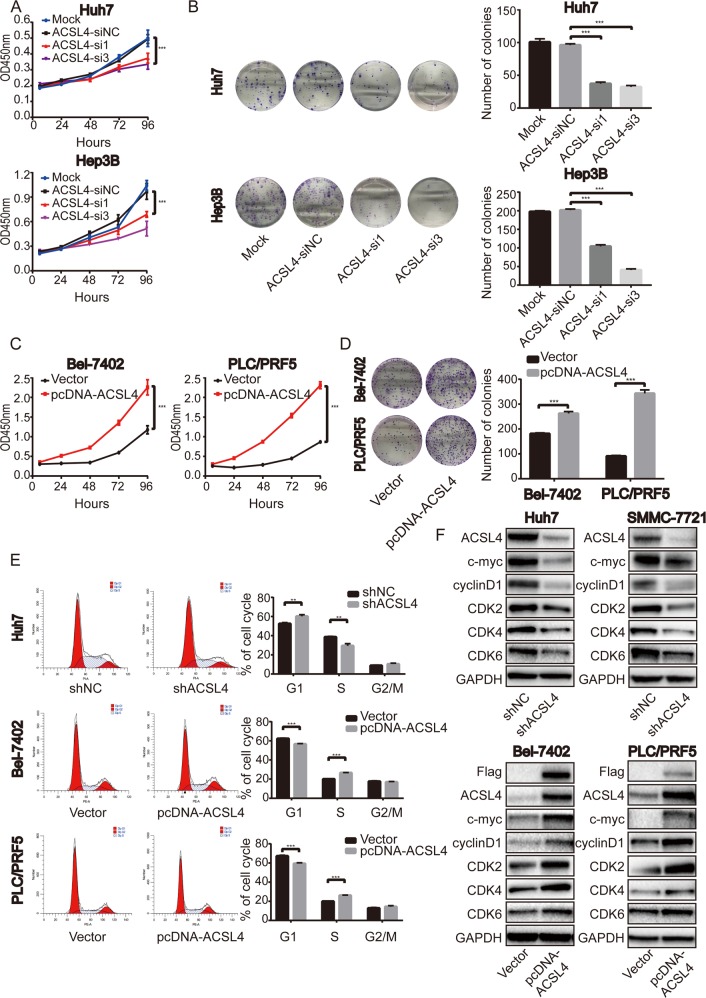
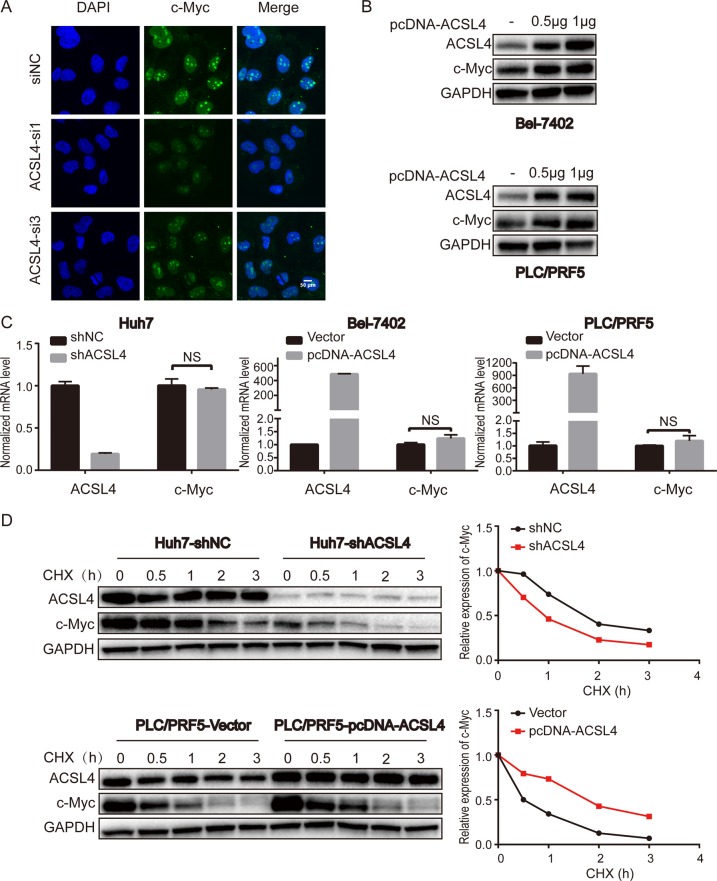
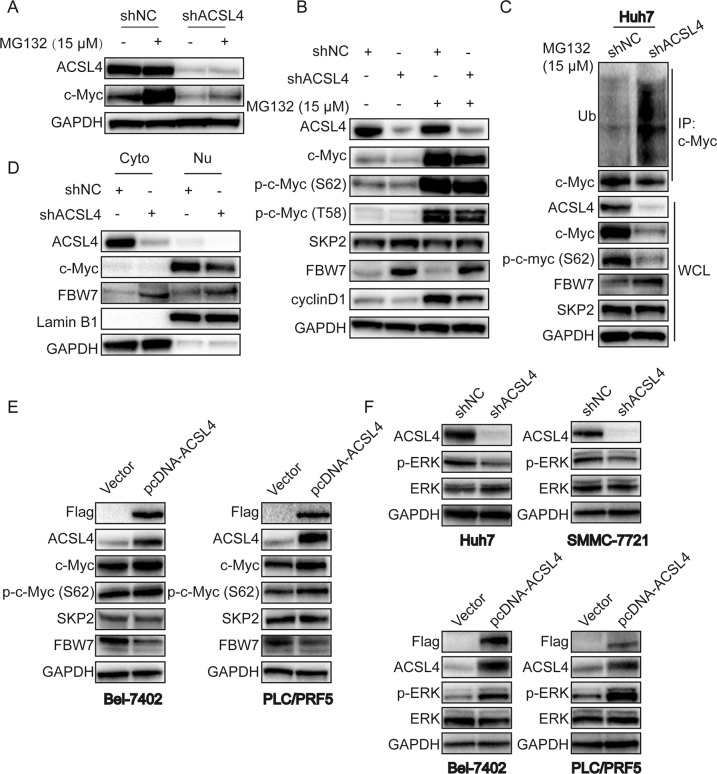
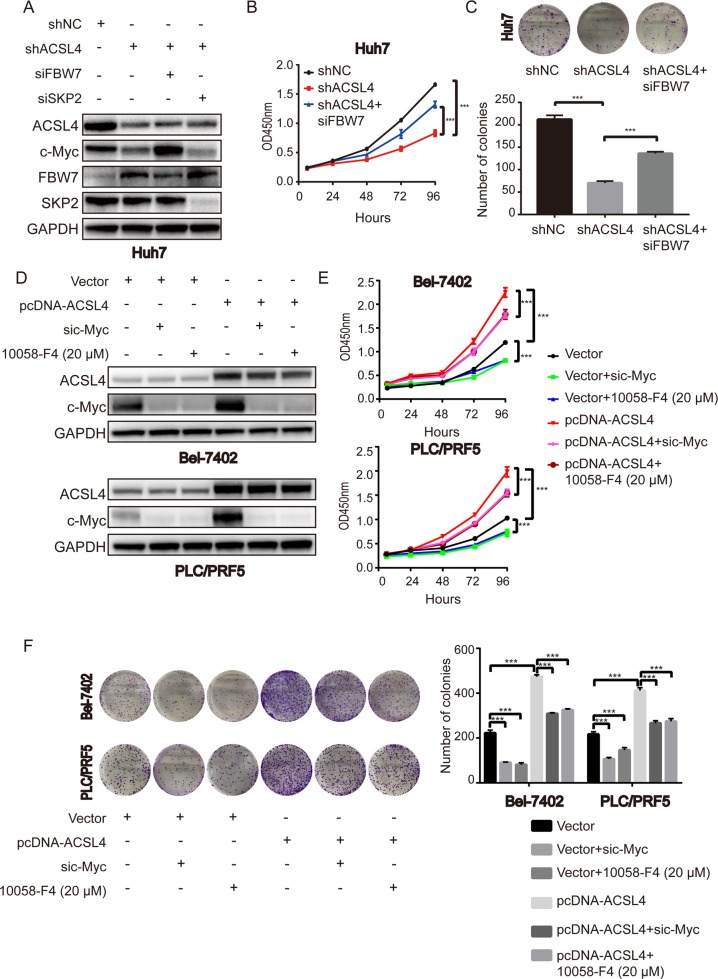
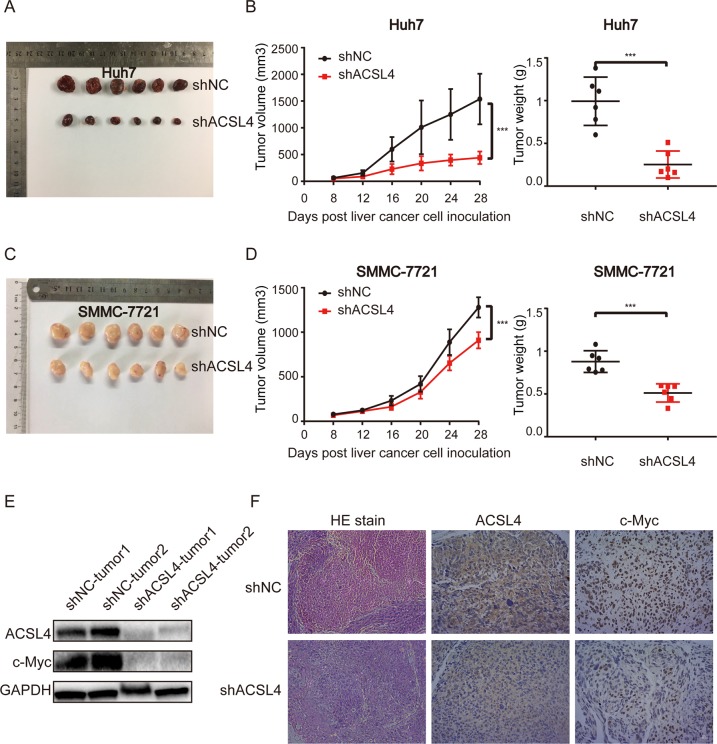
Hepatocellular carcinoma (HCC) is a highly heterogeneous, multigene-driven malignant tumor. Long chain acyl-CoA synthetase 4 (ACSL4), an enzyme has pivotal roles in arachidonic acid (AA) metabolism. However, its function and the underlying molecular mechanisms in HCC are still not fully elucidated. Here, we identified ACSL4 as a novel marker for AFP high subtype HCC through transcriptome profiling. ACSL4 was frequently upregulated in HCC samples and associated with poor prognosis. Functionally, ACSL4 knockdown resulted in decreased cell growth, whereas ectopic ACSL4 expression facilitated tumor formation in vitro and in vivo. Mechanistically, ACSL4 stabilized the oncoprotein c-Myc through ubiquitin-proteasome system in an ERK/FBW7-dependent manner. Cell growth ability mediated by ACSL4 elevation was partly attenuated by c-Myc depletion using siRNA or its inhibitor 10058-F4. In contrast, the effects of ACSL4 silencing were partially reversed by c-Myc overexpression via FBW7 knockdown. Clinically, ACSL4 expression was positively correlated with c-Myc in HCC. In conclusion, ACSL4 is a novel marker for AFP high subtype HCC. Our data uncovered a new mechanism by which ACSL4 promotes HCC progression via c-Myc stability mediated by ERK/FBW7/c-Myc axis and could be a valuable prognostic biomarker and a potential therapeutic target in HCC.
肝细胞癌(HCC)是一种高度异质性、多基因驱动的恶性肿瘤。长链脂酰辅酶A合成酶4(ACSL4)是一种在花生四烯酸(AA)代谢中起关键作用的酶。然而,其在HCC中的功能及潜在分子机制仍未完全阐明。在此,我们通过转录组分析确定ACSL4为甲胎蛋白(AFP)高亚型HCC的一种新型标志物。ACSL4在HCC样本中经常上调,并与预后不良相关。在功能上,敲低ACSL4导致细胞生长减少,而异位表达ACSL4则促进体外和体内肿瘤形成。机制上,ACSL4通过泛素 - 蛋白酶体系统以ERK/FBW7依赖的方式稳定癌蛋白c-Myc。使用小干扰RNA(siRNA)或其抑制剂10058-F4消耗c-Myc可部分减弱由ACSL4升高介导的细胞生长能力。相反,通过敲低FBW7过表达c-Myc可部分逆转ACSL4沉默的作用。临床上,HCC中ACSL4表达与c-Myc呈正相关。总之,ACSL4是AFP高亚型HCC的一种新型标志物。我们的数据揭示了一种新机制,即ACSL4通过ERK/FBW7/c-Myc轴介导的c-Myc稳定性促进HCC进展,并且可能是HCC中有价值的预后生物标志物和潜在治疗靶点。