Faculty of Food Engineering, Stefan cel Mare University of Suceava, 720229 Suceava, Romania.
Sensors (Basel). 2020 Apr 30;20(9):2565. doi: 10.3390/s20092565.
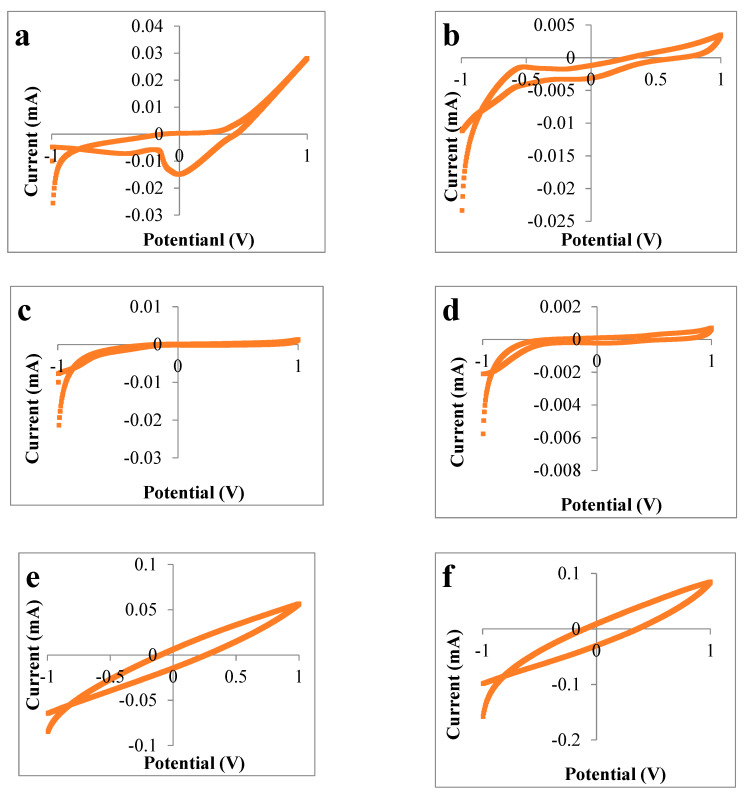
The aim of this study was to authenticate five types of Romanian honey (raspberry, rape, thyme, sunflower and mint) using a voltammetric tongue (VE tongue) technique. For the electronic tongue system, six electrodes (silver, gold, platinum, glass, zinc oxide and titanium dioxide) were used. The results of the melissopalynological analysis were supplemented by the data obtained with the electronic voltammetric tongue system. The results were interpreted by means of principal component analysis (PCA) and linear discriminant analysis (LDA). In this way, the usefulness of the working electrodes was compared for determining the botanical origin of the honey samples. The electrodes of titanium dioxide, zinc oxide, and silver were more useful, as the results obtained with these electrodes showed that it was achieved a better classification of honey according to its botanical origin. The comparison of the results of the electronic voltammetric tongue technique with those obtained by melissopalynological analysis showed that the technique was able to accurately classify 92.7% of the original grouped cases. The similarity of results confirmed the ability of the electronic voltammetric tongue technique to perform a rapid characterization of honey samples, which complements its advantages of being an easy-to-use and cheap method of analysis.
本研究旨在使用伏安极谱舌(VE 舌)技术对五种罗马尼亚蜂蜜(覆盆子、油菜、百里香、向日葵和薄荷)进行鉴定。对于电子舌系统,使用了六个电极(银、金、铂、玻璃、氧化锌和二氧化钛)。电子伏安极谱舌系统获得的数据补充了花粉分析结果。通过主成分分析(PCA)和线性判别分析(LDA)对结果进行了解释。通过这种方式,比较了工作电极在确定蜂蜜样品的植物来源方面的有用性。结果表明,二氧化钛、氧化锌和银电极更有用,因为这些电极的结果表明,根据其植物来源对蜂蜜进行了更好的分类。电子伏安极谱舌技术的结果与花粉分析结果的比较表明,该技术能够准确地对 92.7%的原始分组案例进行分类。结果的相似性证实了电子伏安极谱舌技术对蜂蜜样品进行快速特征描述的能力,这补充了其作为一种易于使用且廉价的分析方法的优势。