Huffington Center on Aging, Baylor College of Medicine, Houston, TX, USA.
Department of Molecular and Cellular Biology, Baylor College of Medicine, Houston, TX, USA.
Mol Psychiatry. 2021 Oct;26(10):5925-5939. doi: 10.1038/s41380-020-0738-0. Epub 2020 May 4.
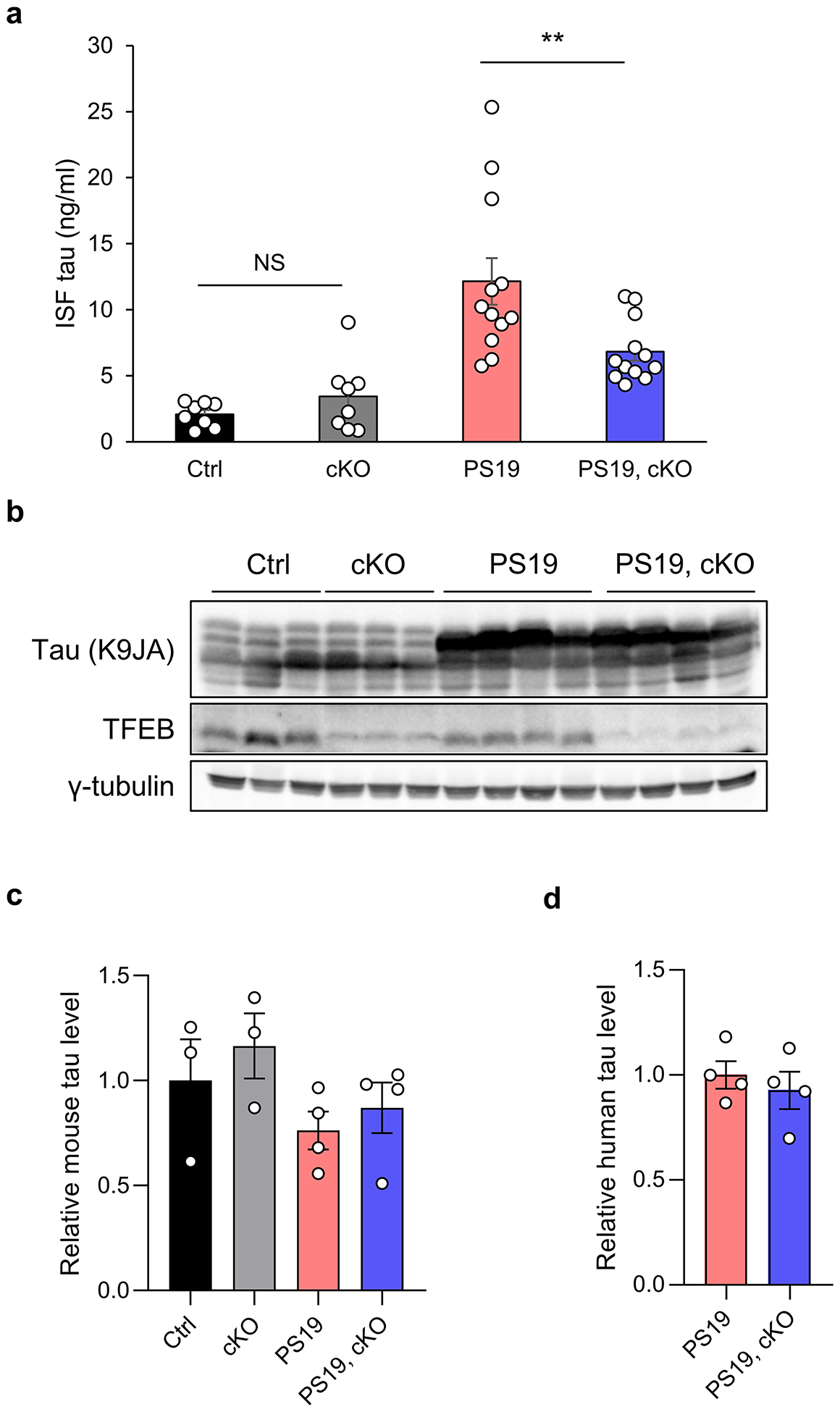
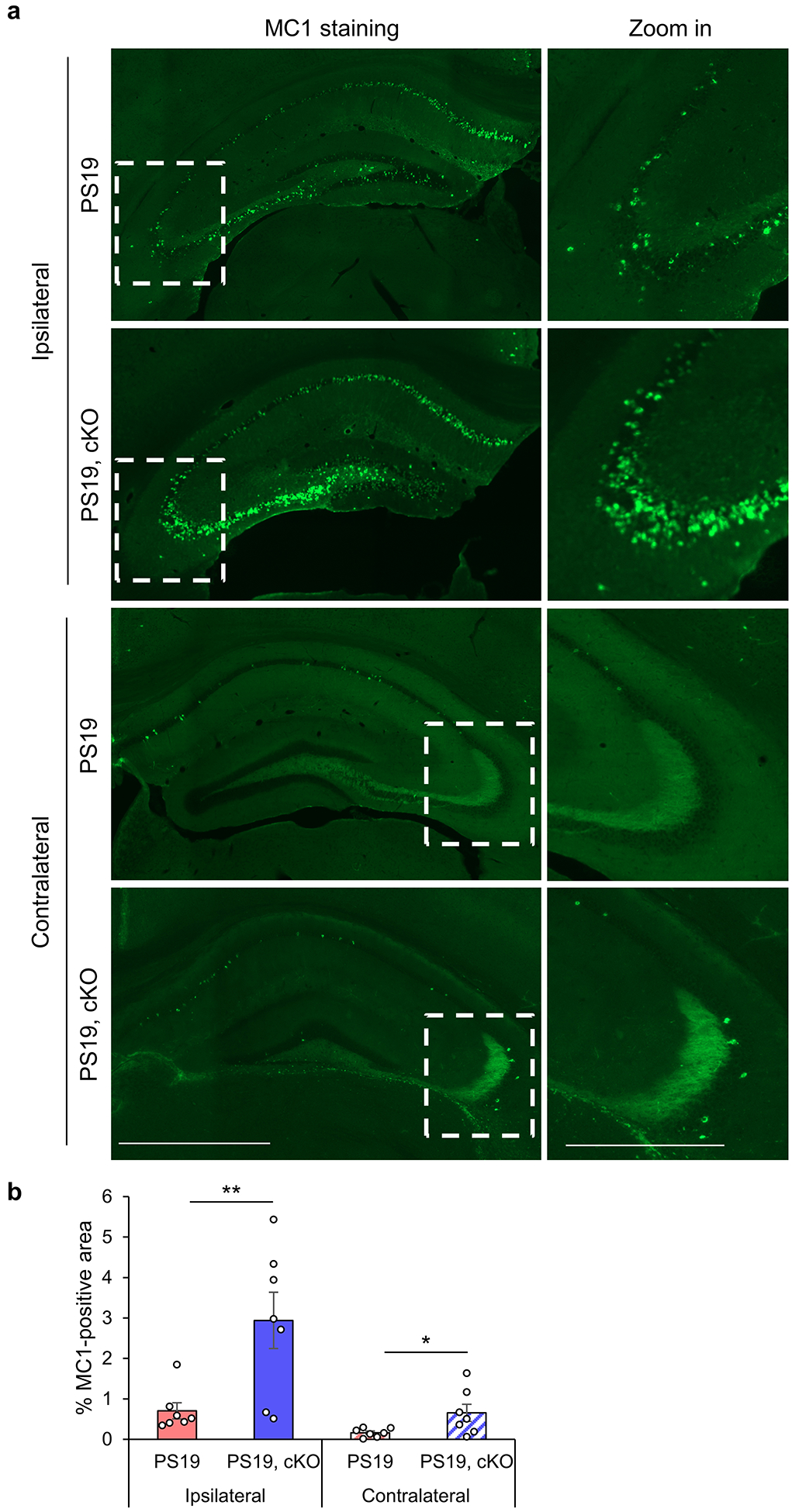
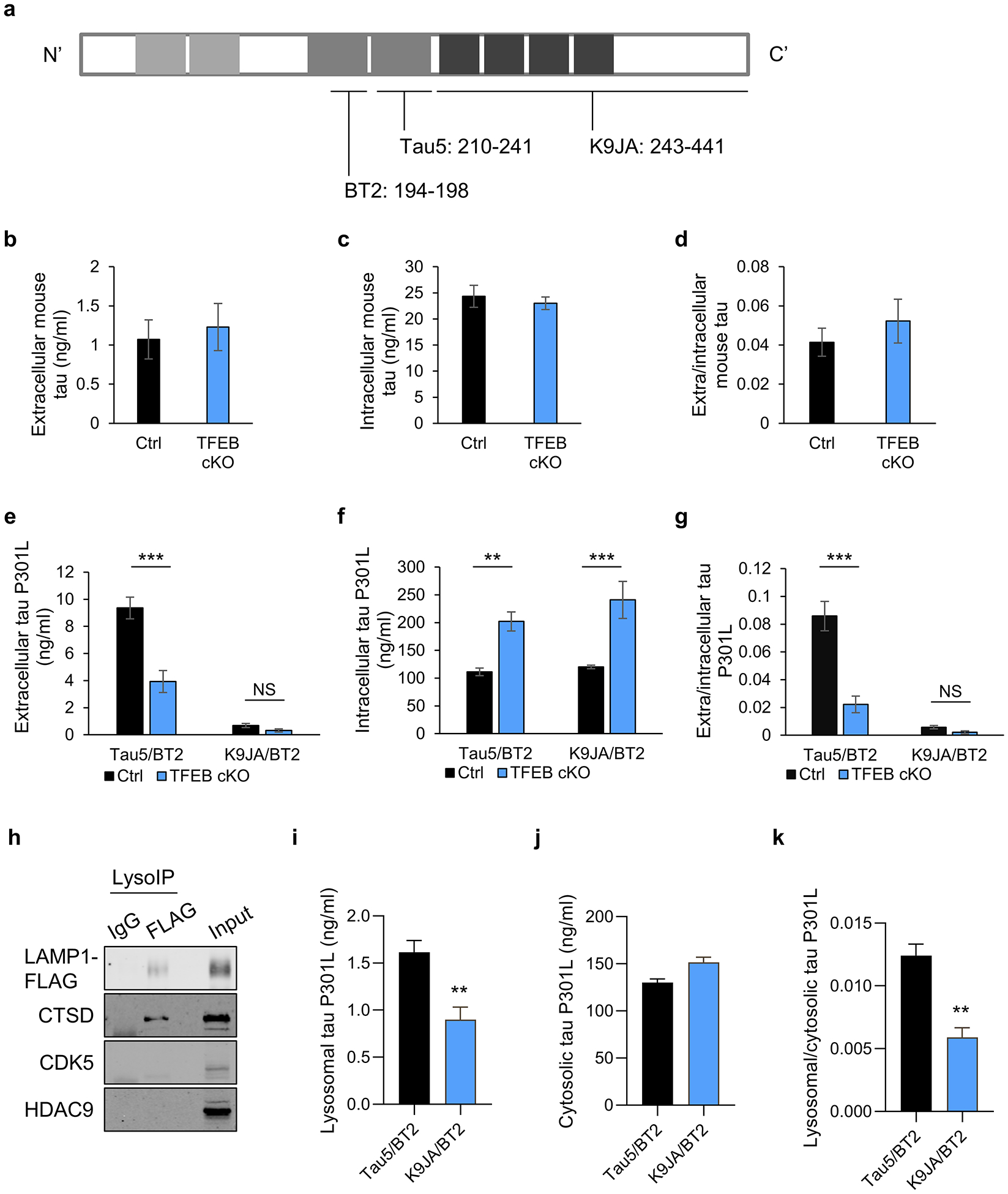
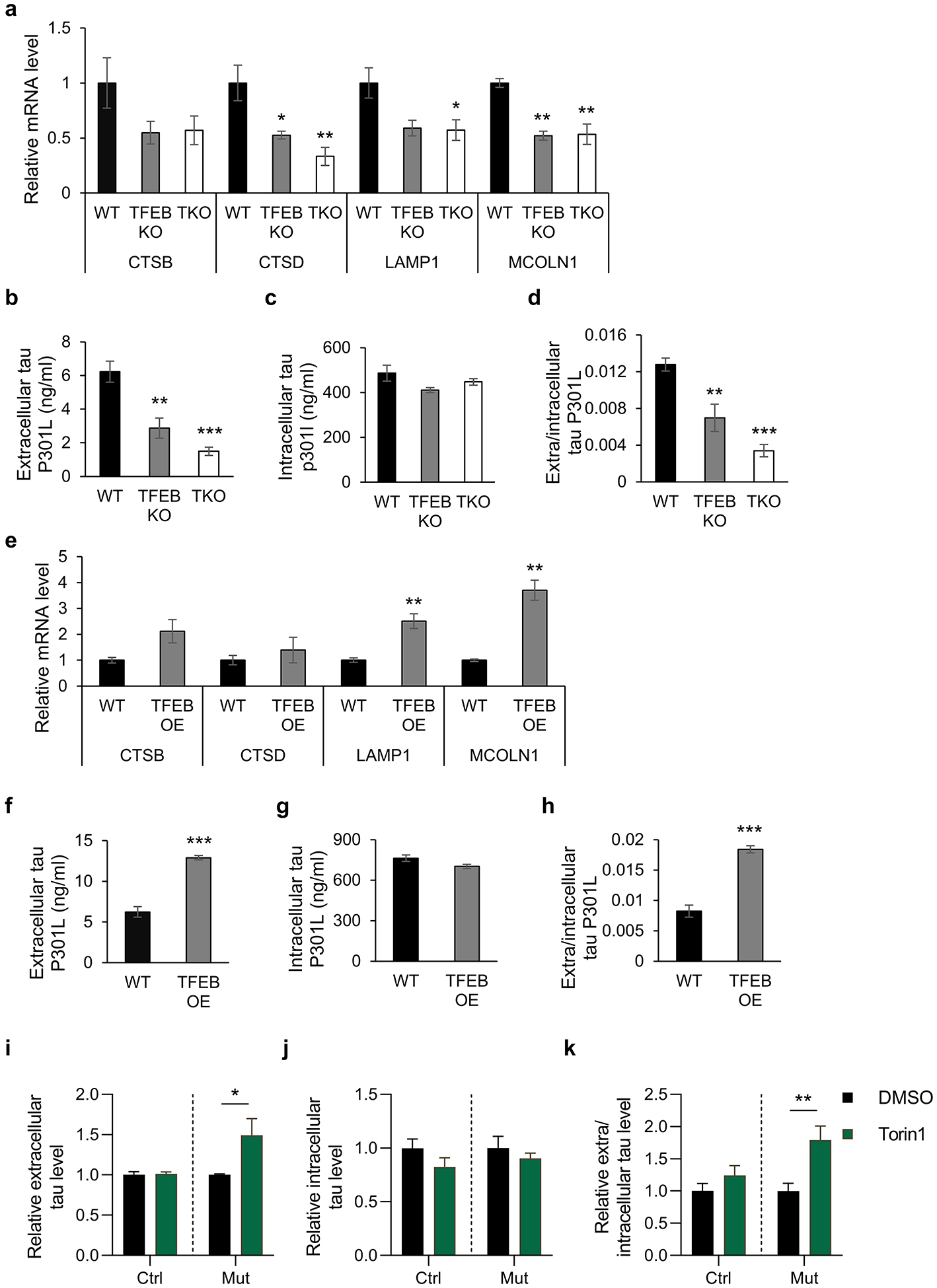
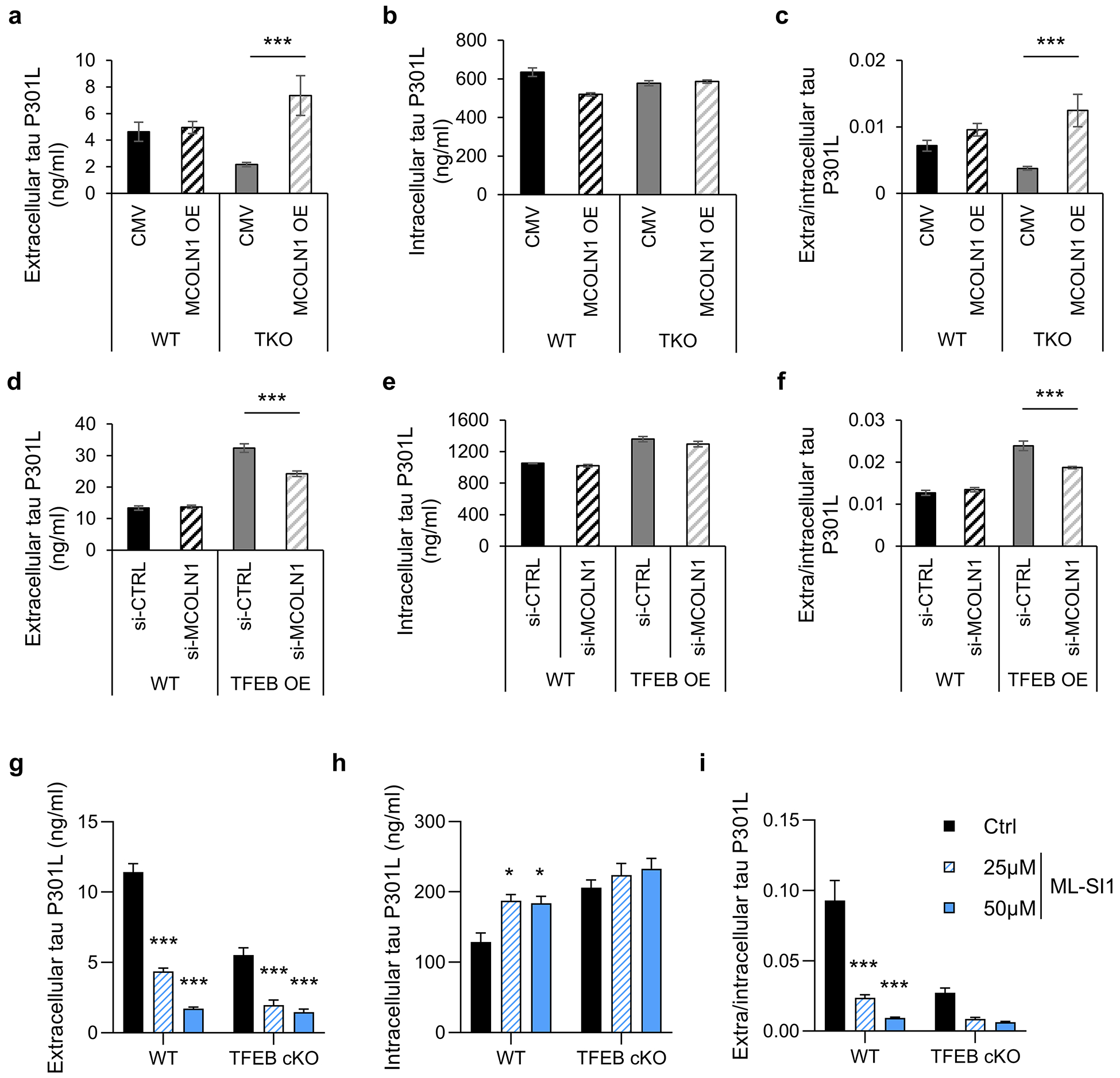
Neurofibrillary tangles (NFTs) composed of hyperphosphorylated and misfolded tau protein are a pathological hallmark of Alzheimer's disease and other tauopathy conditions. Tau is predominantly an intraneuronal protein but is also secreted in physiological and pathological conditions. The extracellular tau has been implicated in the seeding and propagation of tau pathology and is the prime target of the current tau immunotherapy. However, truncated tau species lacking the microtubule-binding repeat (MTBR) domains essential for seeding have been shown to undergo active secretion and the mechanisms and functional consequences of the various extracellular tau are poorly understood. We report here that the transcription factor EB (TFEB), a master regulator of lysosomal biogenesis, plays an essential role in the lysosomal exocytosis of selected tau species. TFEB loss of function significantly reduced the levels of interstitial fluid (ISF) tau in PS19 mice expressing P301S mutant tau and in conditioned media of mutant tau expressing primary neurons, while the secretion of endogenous wild-type tau was not affected. Mechanistically we found that TFEB regulates the secretion of truncated mutant tau lacking MTBR and this process is dependent on the lysosomal calcium channel TRPML1. Consistent with the seeding-incompetent nature of the truncated tau and supporting the concept that TFEB-mediated lysosomal exocytosis promotes cellular clearance, we show that reduced ISF tau in the absence of TFEB is associated with enhanced intraneuronal pathology and accelerated spreading. Our results support the idea that TFEB-mediated tau exocytosis serves as a clearance mechanism to reduce intracellular tau under pathological conditions and that effective tau immunotherapy should devoid targeting these extracellular tau species.
神经原纤维缠结(NFTs)由过度磷酸化和错误折叠的tau 蛋白组成,是阿尔茨海默病和其他 tau 病的病理标志。tau 主要是一种神经元内蛋白,但在生理和病理条件下也会分泌。细胞外 tau 已被牵连到 tau 病理学的播种和传播中,是当前 tau 免疫疗法的主要靶点。然而,缺乏微管结合重复(MTBR)结构域的截断 tau 种,对于播种是必需的,已被证明会主动分泌,并且各种细胞外 tau 的机制和功能后果了解甚少。我们在这里报告,转录因子 EB(TFEB),溶酶体生物发生的主要调节因子,在选定的 tau 种的溶酶体胞吐作用中发挥重要作用。TFEB 功能丧失显著降低了表达 P301S 突变 tau 的 PS19 小鼠和表达突变 tau 的原代神经元条件培养基中的间质液(ISF)tau 水平,而内源性野生型 tau 的分泌不受影响。从机制上讲,我们发现 TFEB 调节缺乏 MTBR 的截断突变 tau 的分泌,这个过程依赖于溶酶体钙通道 TRPML1。与截断 tau 的播种无能性质一致,并支持 TFEB 介导的溶酶体胞吐作用促进细胞清除的概念,我们表明,TFEB 缺失时 ISF tau 减少与增强的神经元内病理学和加速扩散有关。我们的结果支持这样一种观点,即 TFEB 介导的 tau 胞吐作用是一种清除机制,可在病理条件下减少细胞内 tau,而有效的 tau 免疫疗法应该避免针对这些细胞外 tau 种。