Zeineh Nidal, Denora Nunzio, Laquintana Valentino, Franco Massimo, Weizman Abraham, Gavish Moshe
The Ruth and Bruce Rappaport Faculty of Medicine, Technion Institute of Technology, Haifa 31096, Israel.
Department of Pharmacy-Pharmaceutical Sciences, University of Bari "Aldo Moro", 70125 Bari, Italy.
Biomedicines. 2020 May 2;8(5):106. doi: 10.3390/biomedicines8050106.
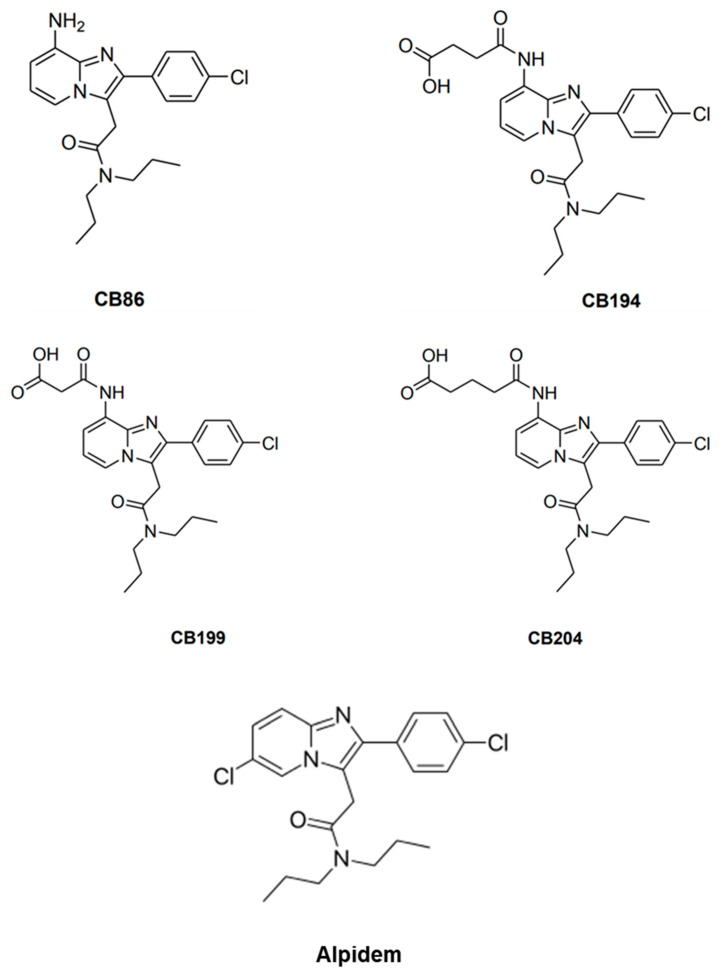
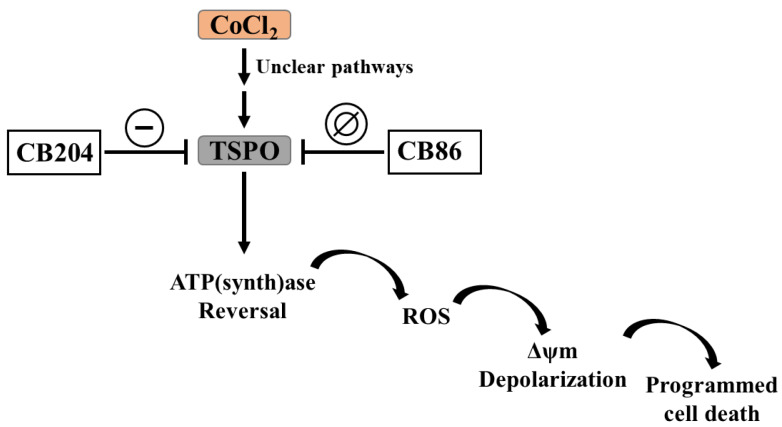
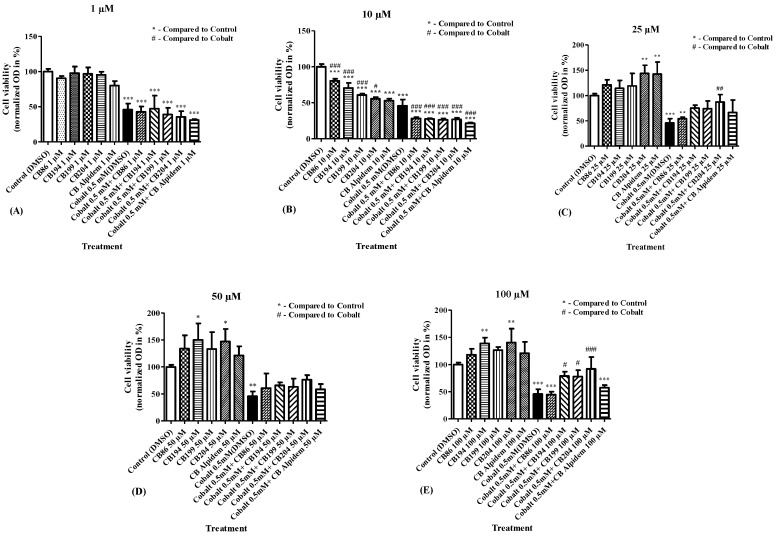
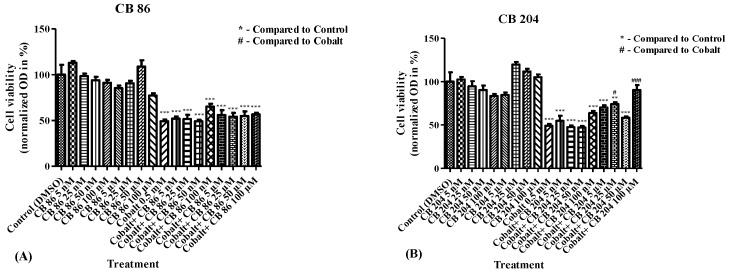
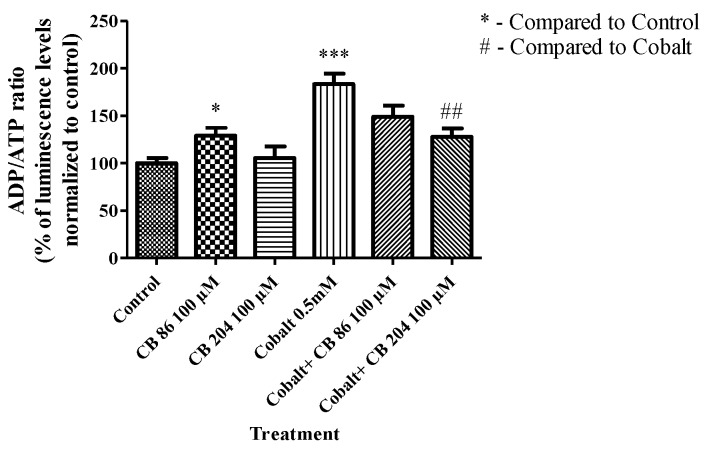
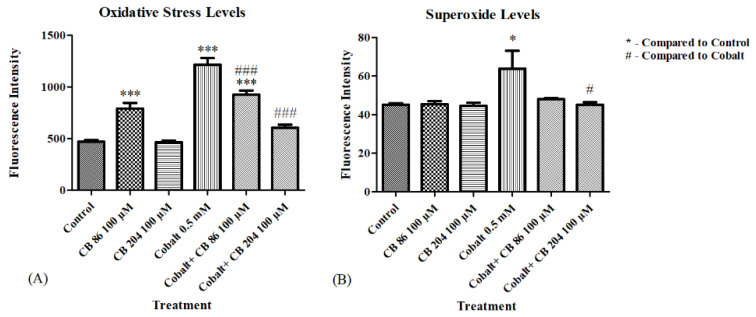
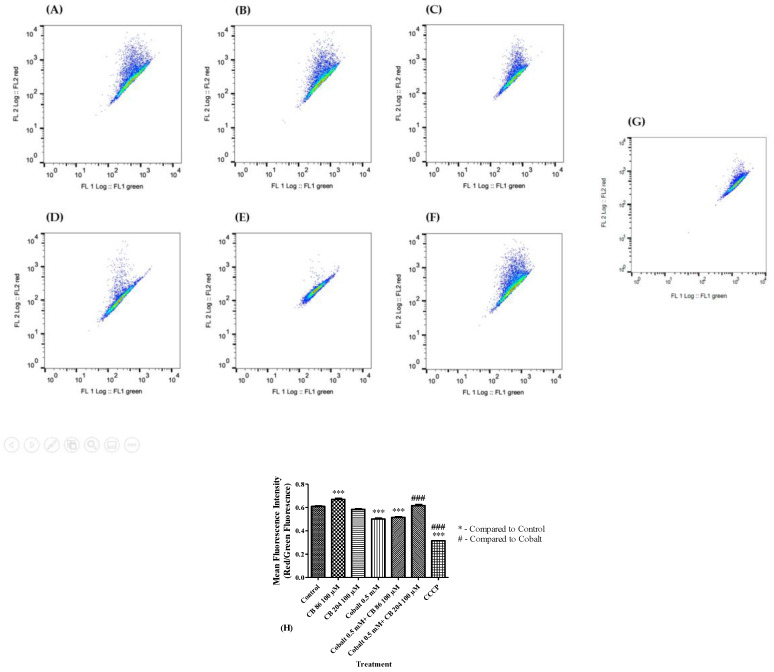
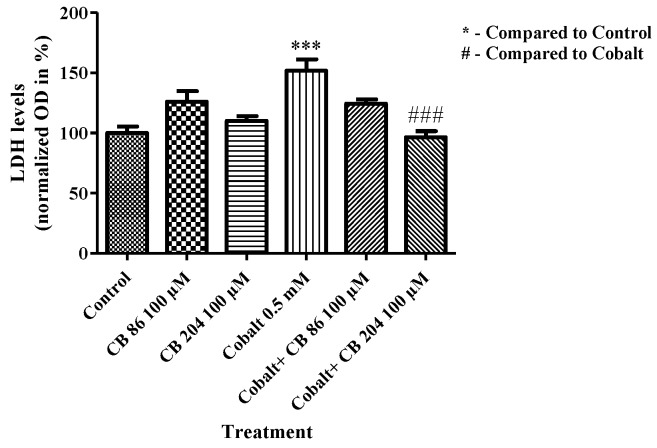
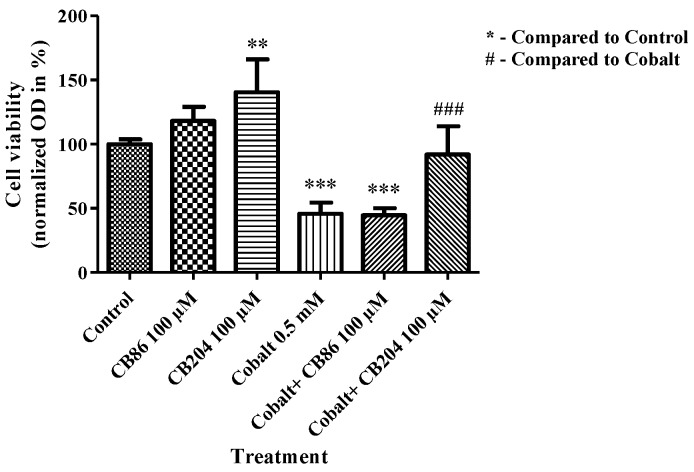
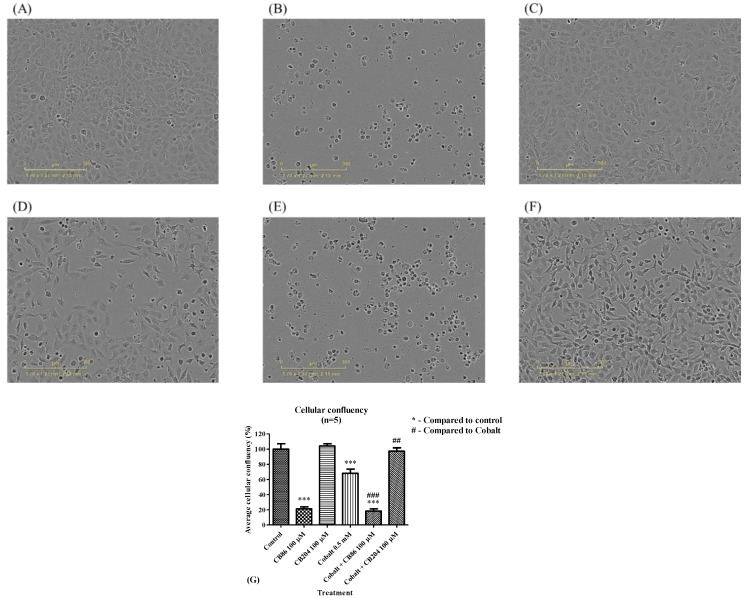
The 18 kDa translocator protein (TSPO) plays an important role in apoptotic cell death, including apoptosis induced by the hypoxia mimicking agent cobalt chloride (CoCl). In this study, the protective effects of a high (CB86; Ki= 1.6 nM) and a low (CB204; Ki= 117.7 nM) affinity TSPO ligands were investigated in H1299 lung cancer cell line exposed to CoCl. The lung cell line H1299 was chosen in the present study since they express TSPO and able to undergo programmed cell death. The examined cell death markers included: ATP synthase reversal, reactive oxygen species (ROS) generation, mitochondrial membrane potential (Δψm) depolarization, cellular toxicity, and cellular viability. Pretreatment of the cells with the low affinity ligand CB204 at a concentration of 100 µM suppressed significantly ( < 0.05 for all) CoCl-induced cellular cytotoxicity (100%), ATP synthase reversal (67%), ROS generation (82%), Δψm depolarization (100%), reduction in cellular density (97%), and also increased cell viability (85%). Furthermore, the low affinity TSPO ligand CB204, was harmless when given by itself at 100 µM. In contrast, the high affinity ligand (CB86) was significantly effective only in the prevention of CoCl-induced ROS generation (39%, < 0.001), and showed significant cytotoxic effects when given alone at 100 µM, as reflected in alterations in ADP/ATP ratio, oxidative stress, mitochondrial membrane potential depolarization and cell death. It appears that similar to previous studies on brain-derived cells, the relatively low affinity for the TSPO target enhances the potency of TSPO ligands in the protection from hypoxic cell death. Moreover, the high affinity TSPO ligand CB86, but not the low affinity ligand CB204, was lethal to the lung cells at high concentration (100 µM). The low affinity TSPO ligand CB204 may be a candidate for the treatment of pulmonary diseases related to hypoxia, such as pulmonary ischemia and chronic obstructive pulmonary disease COPD.
18 kDa转位蛋白(TSPO)在凋亡性细胞死亡中发挥重要作用,包括由缺氧模拟剂氯化钴(CoCl)诱导的凋亡。在本研究中,研究了高亲和力(CB86;Ki = 1.6 nM)和低亲和力(CB204;Ki = 117.7 nM)TSPO配体对暴露于CoCl的H1299肺癌细胞系的保护作用。本研究选择肺癌细胞系H1299,因为它们表达TSPO且能够发生程序性细胞死亡。检测的细胞死亡标志物包括:ATP合酶逆转、活性氧(ROS)生成、线粒体膜电位(Δψm)去极化、细胞毒性和细胞活力。用浓度为100 μM的低亲和力配体CB204预处理细胞可显著抑制(所有均P < 0.05)CoCl诱导的细胞毒性(100%)、ATP合酶逆转(67%)、ROS生成(82%)、Δψm去极化(100%)、细胞密度降低(97%),并提高细胞活力(85%)。此外,低亲和力TSPO配体CB204在100 μM单独给药时是无害的。相比之下,高亲和力配体(CB86)仅在预防CoCl诱导的ROS生成方面有显著效果(39%,P < 0.001),并且在100 μM单独给药时表现出显著的细胞毒性作用,如ADP/ATP比值改变、氧化应激、线粒体膜电位去极化和细胞死亡所示。似乎与先前对脑源性细胞的研究相似,对TSPO靶点相对较低的亲和力增强了TSPO配体在保护免受缺氧性细胞死亡方面的效力。此外,高亲和力TSPO配体CB86而非低亲和力配体CB204在高浓度(100 μM)时对肺细胞具有致死性。低亲和力TSPO配体CB204可能是治疗与缺氧相关的肺部疾病(如肺缺血和慢性阻塞性肺疾病COPD)的候选药物。