Landreth Shelby, Lu Yao, Pandey Kannupriya, Zhou Yan
Vaccine and Infections Disease Organization, International Vaccine Centre (VIDO-InterVac), University of Saskatchewan, Saskatoon, SK, S7N 5E3, Canada.
Vaccinology & Immunotherapeutics Program, School of Public Health, University of Saskatchewan, Saskatoon, SK, S7N 2Z4, Canada.
Vaccines (Basel). 2020 May 2;8(2):207. doi: 10.3390/vaccines8020207.
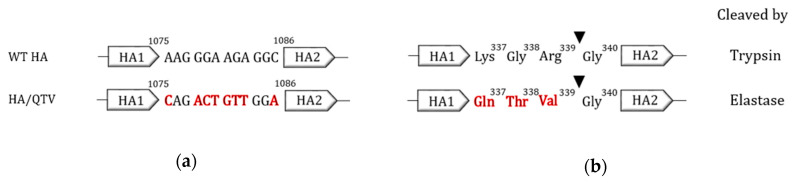
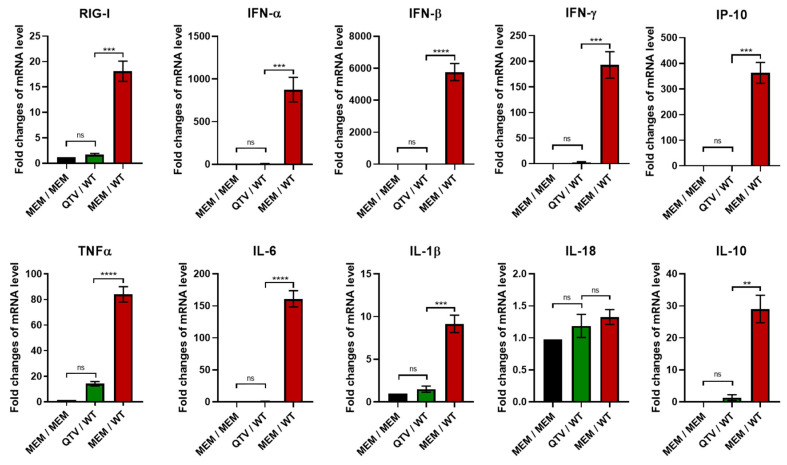
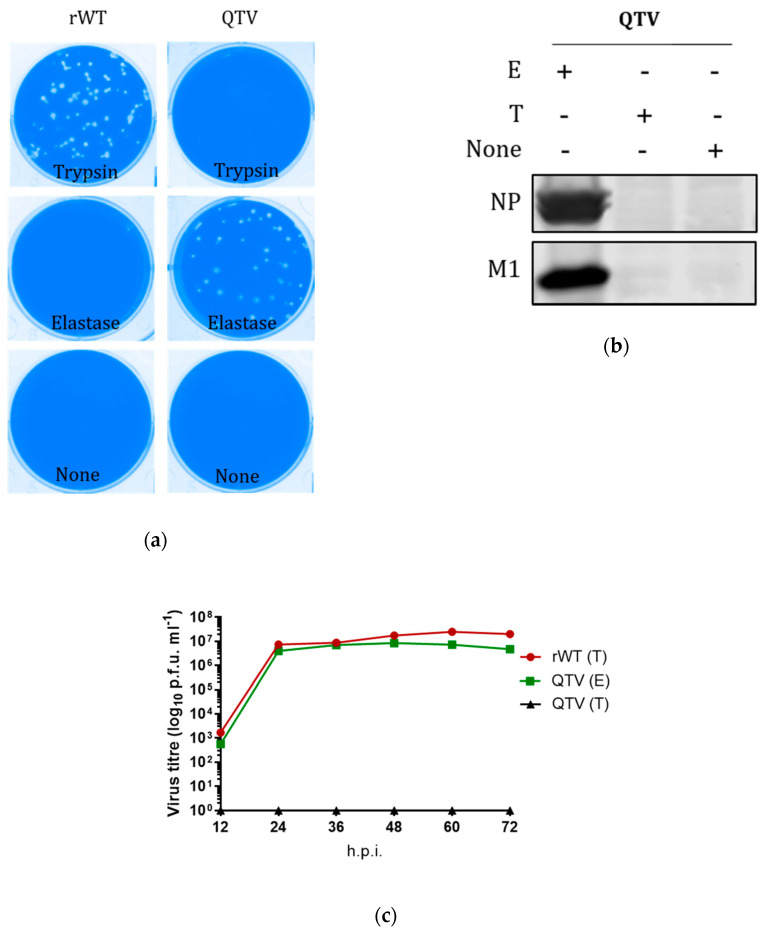
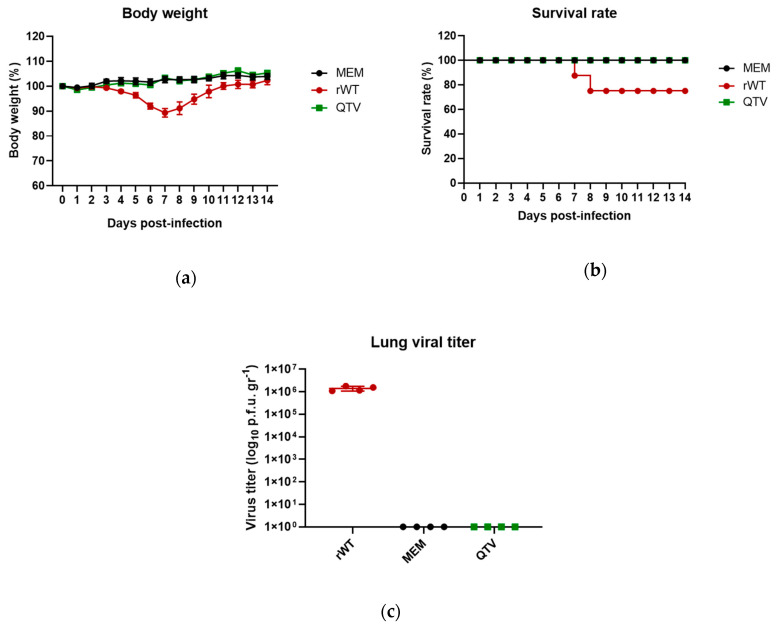
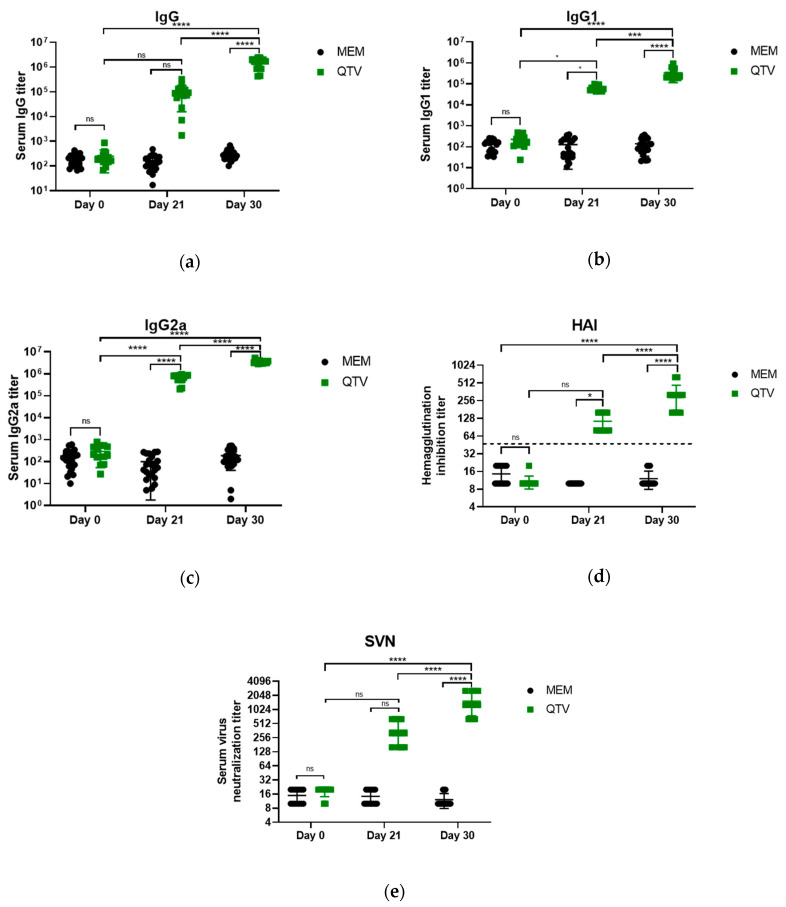
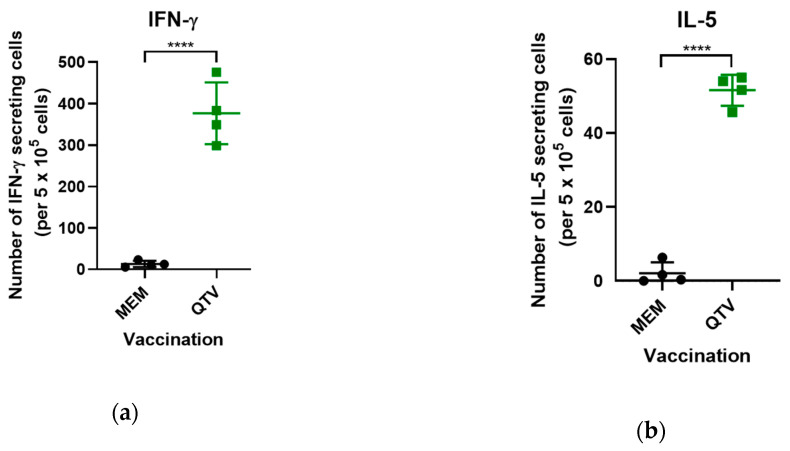
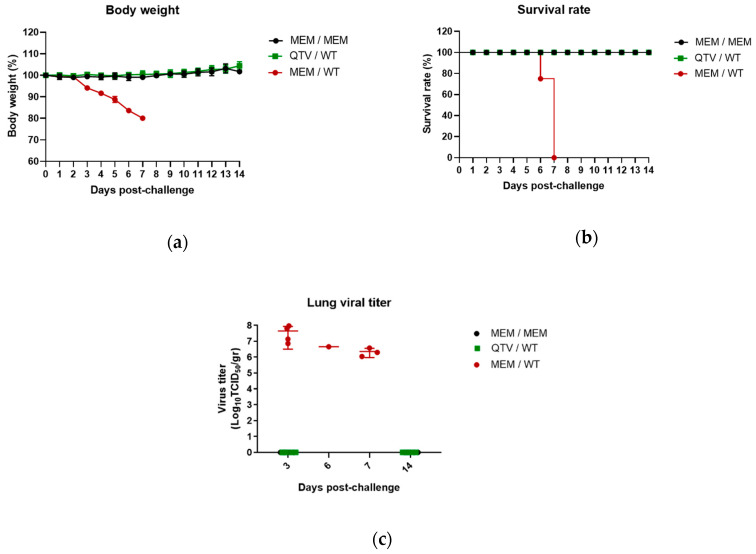
Avian influenza H7N9 viruses continue to pose a great threat to public health, which is evident by their high case-fatality rates. Although H7N9 was first isolated in humans in China in 2013, to date, there is no commercial vaccine available against this particular strain. Our previous studies developed a replication-defective influenza virus through mutation of the hemagglutinin (HA) cleavage site from a trypsin-sensitive to an elastase-sensitive motif In this study, we report the development of a reassortant mutant influenza virus derived from the human isolate A/British Columbia/01/2015 (H7N9) [BC15 (H7N9)], which is the QVT virus. The HA gene of this virus possesses three mutations at the cleavage site, Lys-Gly-Arg were mutated to Gln-Thr-Val at amino acid (aa) positions 337, 338, and 339, respectively. We report this virus to rely on elastase , possess unaltered replication abilities when elastase was provided compared to the wild type virus , and to be non-virulent and replication-defective in mice. In addition, we report this virus to induce significant levels of antibodies and IFN-γ and IL-5 secreting cells, and to protect mice against a lethal challenge of the BC15 (H7N9) virus. This protection is demonstrated through the lack of body weight loss, 100% survival rate, and the prevention of BC15 (H7N9) viral replication as well as the reduction of proinflammatory cytokines induced in the mouse lung associated with the influenza disease. Therefore, these results provide strong evidence for the use of this reassortant mutant H7N9 virus as a replication-defective virus vaccine candidate against H7N9 viruses.
H7N9禽流感病毒继续对公众健康构成重大威胁,这从其高病死率中可见一斑。尽管H7N9于2013年在中国首次从人类身上分离出来,但迄今为止,尚无针对这一特定毒株的商用疫苗。我们之前的研究通过将血凝素(HA)裂解位点从对胰蛋白酶敏感的基序突变为对弹性蛋白酶敏感的基序,开发出了一种复制缺陷型流感病毒。在本研究中,我们报告了一种源自人类分离株A/不列颠哥伦比亚/01/2015(H7N9)[BC15(H7N9)]的重配突变流感病毒的开发情况,即QVT病毒。该病毒的HA基因在裂解位点有三个突变,赖氨酸-甘氨酸-精氨酸在氨基酸(aa)位置337、338和339分别突变为谷氨酰胺-苏氨酸-缬氨酸。我们报告该病毒依赖弹性蛋白酶,与野生型病毒相比,在提供弹性蛋白酶时具有未改变的复制能力,并且在小鼠中无毒且复制缺陷。此外,我们报告该病毒能诱导产生显著水平的抗体以及分泌干扰素-γ和白细胞介素-5的细胞,并能保护小鼠免受BC15(H7N9)病毒的致死性攻击。这种保护通过体重未减轻、100%的存活率、BC15(H7N9)病毒复制的预防以及与流感疾病相关的小鼠肺中促炎细胞因子的减少得以证明。因此,这些结果为使用这种重配突变H7N9病毒作为针对H7N9病毒的复制缺陷型病毒疫苗候选物提供了有力证据。