Gheorghita Puscaselu Roxana, Amariei Sonia, Norocel Liliana, Gutt Gheorghe
Department of Human and Health Development, Stefan cel Mare University of Suceava, 720229 Suceava, Romania.
Faculty of Food Engineering, Stefan cel Mare University of Suceava, 720229 Suceava, Romania.
Foods. 2020 May 2;9(5):562. doi: 10.3390/foods9050562.
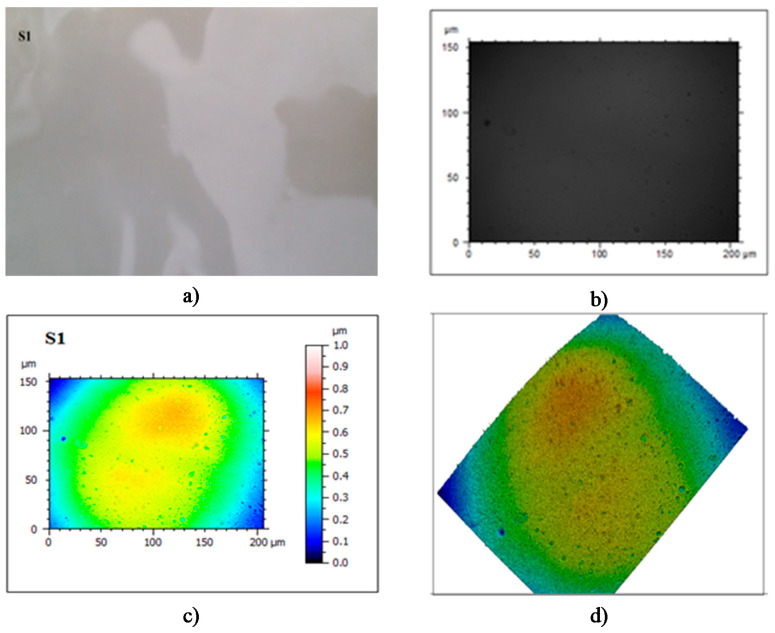
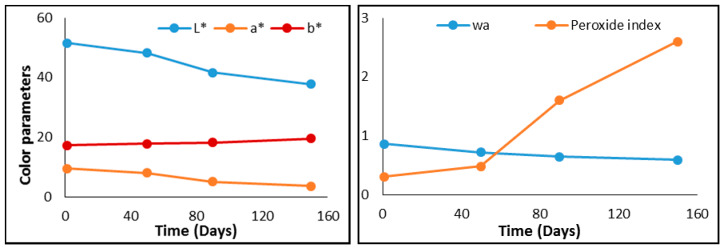
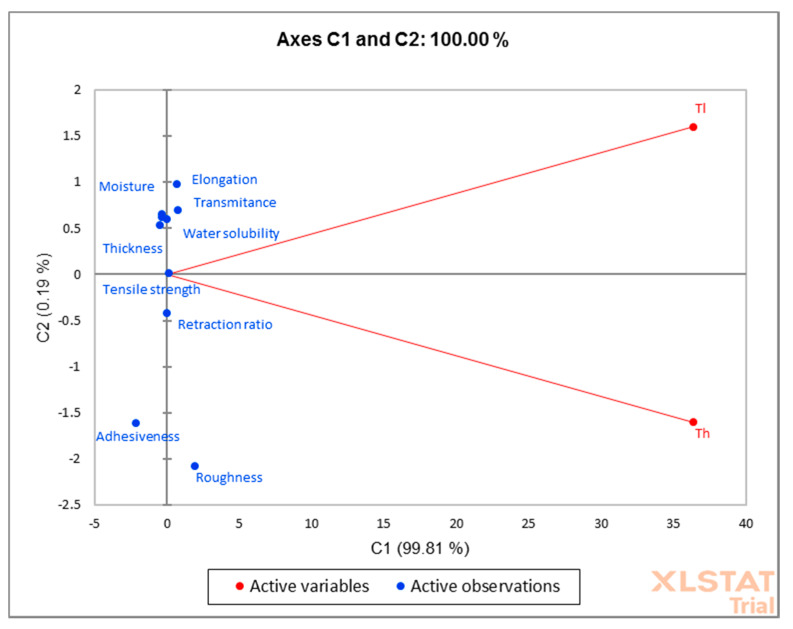
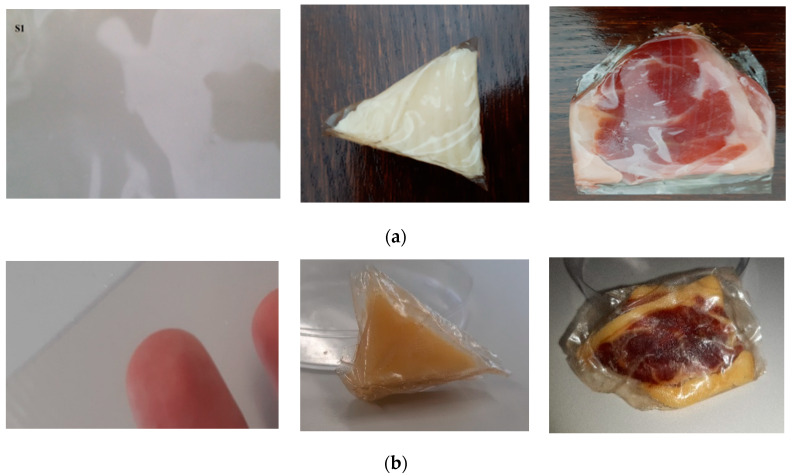
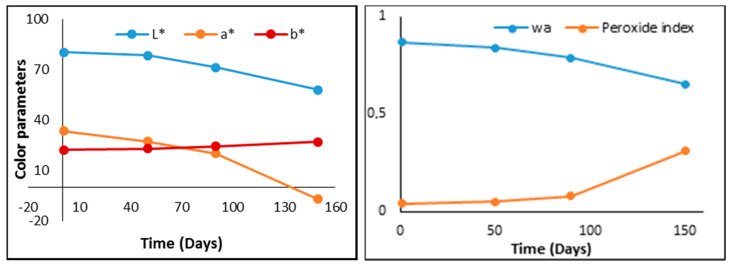
Nowadays, biopolymer films have gained notoriety among the packaging materials. Some studies clearly test their effectiveness for certain periods of time, with applicability in the food industry. This research has been carried out in two directions. Firstly, the development and testing of the new edible material: general appearance, thickness, retraction ratio, color, transmittance, microstructure, roughness, and porosity, as well as mechanical and solubility tests. Secondly, testing of the packaged products-slices of cheese and prosciutto-in the new material and their maintenance at refrigeration conditions for 5 months; thus, the peroxide index, color, and water activity index were evaluated for the packaged products. The results emphasize that the packaging is a lipophilic one and does not allow wetting or any changes in the food moisture. The results indicate the stability of the parameters within three months and present the changes occurring within the fourth and fifth months. Microbiological tests indicated an initial microbial growth, both for cheese slices and ham slices. Time testing indicated a small increase in the total count number over the 5-month period: 23 cfu/g were found of fresh slices of prosciutto and 27 cfu/g in the case of the packaged ones; for slices of cheese, the total count of microorganisms indicated 7 cfu/g in the initial stage and 11 cfu/g after 5 months. The results indicate that the film did not facilitate the growth of the existing microorganisms, and highlight the need to purchase food from safe places, especially in the case of raw-dried products that have not undergone heat treatment, which may endanger the health of the consumer. The new material tested represents a promising substitute for commercial and unsustainable plastic packaging.
如今,生物聚合物薄膜在包装材料中声名鹊起。一些研究明确测试了它们在特定时间段内的有效性及其在食品工业中的适用性。这项研究朝着两个方向展开。首先,对新型可食用材料进行开发和测试:包括外观、厚度、收缩率、颜色、透光率、微观结构、粗糙度和孔隙率,以及机械性能和溶解性测试。其次,对包装产品——奶酪片和火腿片——在新材料中的情况进行测试,并在冷藏条件下保存5个月;因此,对包装产品的过氧化值、颜色和水分活度指数进行了评估。结果强调该包装是亲脂性的,不会使食品受潮或导致食品水分发生任何变化。结果表明这些参数在三个月内保持稳定,并呈现出在第四个月和第五个月发生的变化。微生物测试表明,奶酪片和火腿片最初都有微生物生长。时间测试表明,在5个月的时间里,总数略有增加:新鲜火腿片每克发现23个菌落形成单位,包装火腿片每克为27个菌落形成单位;对于奶酪片,微生物总数在初始阶段为每克7个菌落形成单位,5个月后为每克11个菌落形成单位。结果表明,该薄膜并没有促进现有微生物的生长,并强调需要从安全的地方购买食品,特别是对于未经热处理的生干制品,这可能会危及消费者的健康。所测试的新材料是商业上不可持续的塑料包装的一种有前景的替代品。