Faculty of Health Sciences, Simon Fraser University, Burnaby, British Columbia, V5A1S6, Canada.
AbCellera Biologics Inc., Vancouver, British Columbia, Canada.
Sci Rep. 2020 May 5;10(1):7582. doi: 10.1038/s41598-020-64500-8.
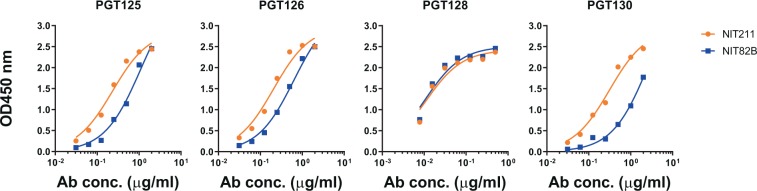
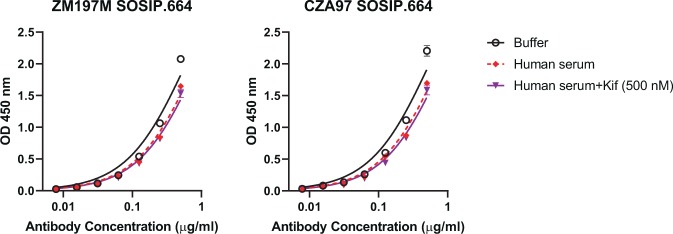
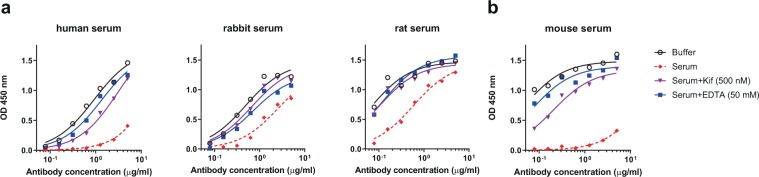
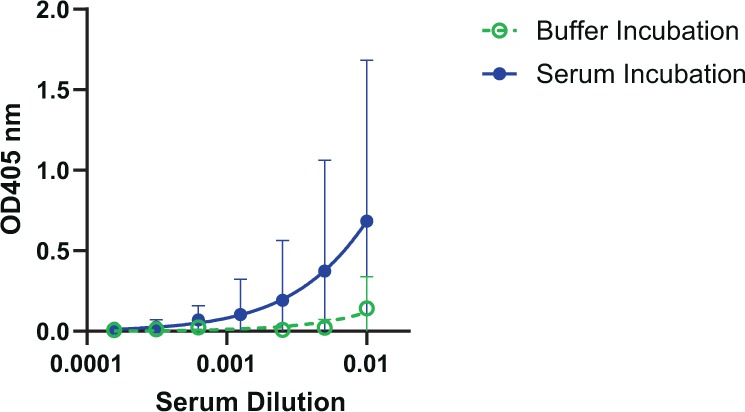
Oligomannose-type glycans on HIV-1 gp120 form a patch that is targeted by several broadly neutralizing antibodies (bnAbs) and that therefore is of interest to vaccine design. However, attempts to elicit similar oligomannose-specific bnAbs by immunizing with oligomannosidic glycoconjugates have only been modestly successful so far. A common assumption is that eliciting oligomannose-specific bnAbs is hindered by B cell tolerance, resulting from the presented oligomannosides being sensed as self molecules. Here, we present data, along with existing scientific evidence, supporting an additional, or perhaps alternate, explanation: serum mannosidase trimming of the presented oligomannosides in vivo. Mannosidase trimming lessens the likelihood of eliciting antibodies with capacity to bind full-sized oligomannose, which typifies the binding mode of existing bnAbs to the oligomannose patch. The rapidity of the observed trimming suggests the need for immunization strategies and/or synthetic glycosides that readily avoid or resist mannosidase trimming upon immunization and can overcome possible tolerance restrictions.
HIV-1 gp120 上的寡甘露糖型聚糖形成一个斑块,该斑块是几种广泛中和抗体(bnAbs)的靶标,因此这对于疫苗设计很有意义。然而,迄今为止,通过用寡甘露糖糖缀合物免疫来诱导类似的寡甘露糖特异性 bnAbs 的尝试仅取得了适度的成功。一个常见的假设是,由于所呈现的寡甘露糖被视为自身分子,因此 B 细胞的耐受性会阻碍寡甘露糖特异性 bnAbs 的产生。在这里,我们提出了数据以及现有的科学证据,支持另一种解释:血清甘露糖苷酶在体内对所呈现的寡甘露糖进行修剪。甘露糖苷酶的修剪降低了产生能够结合全长寡甘露糖的抗体的可能性,这是现有 bnAbs 与寡甘露糖斑块结合模式的特征。观察到的修剪速度表明需要免疫策略和/或合成糖苷,这些策略和/或合成糖苷在免疫时很容易避免或抵抗甘露糖苷酶的修剪,并可以克服可能的耐受限制。