James Watt School of Engineering, University of Glasgow, Glasgow G12 8QQ, UK.
School of Computing, Edinburgh Napier University, Edinburgh EH10 5DT, UK.
Sensors (Basel). 2020 May 5;20(9):2629. doi: 10.3390/s20092629.
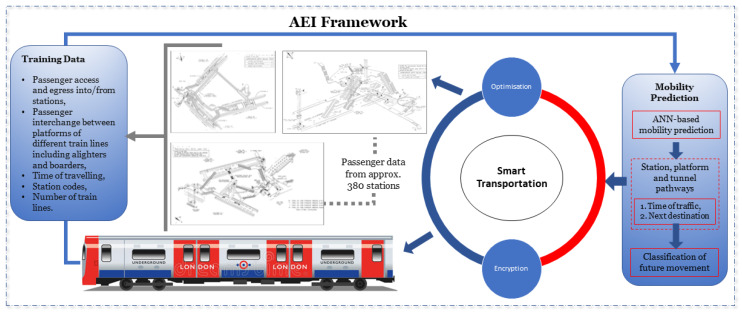
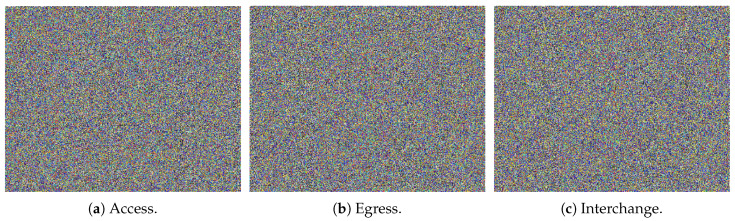
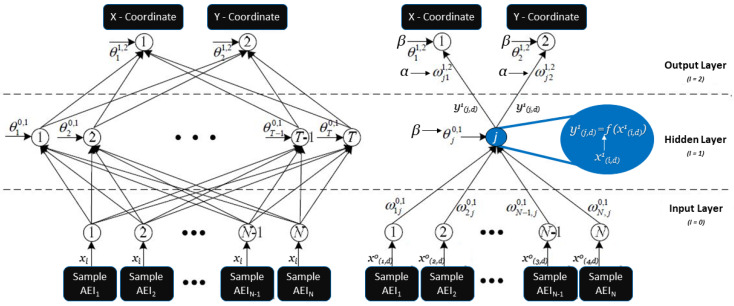
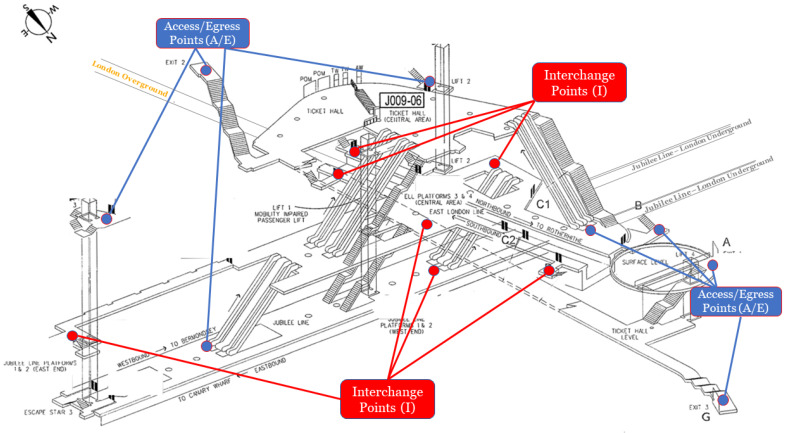
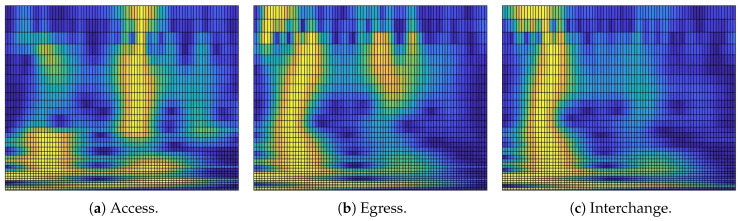
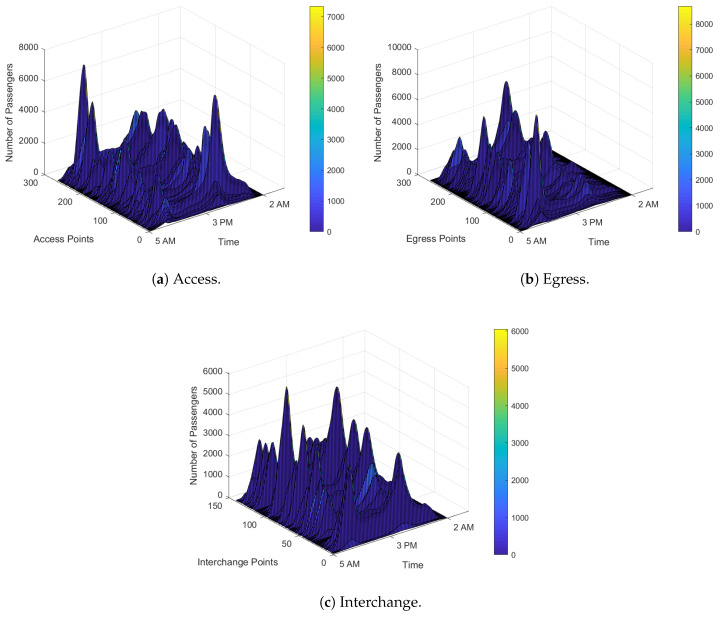
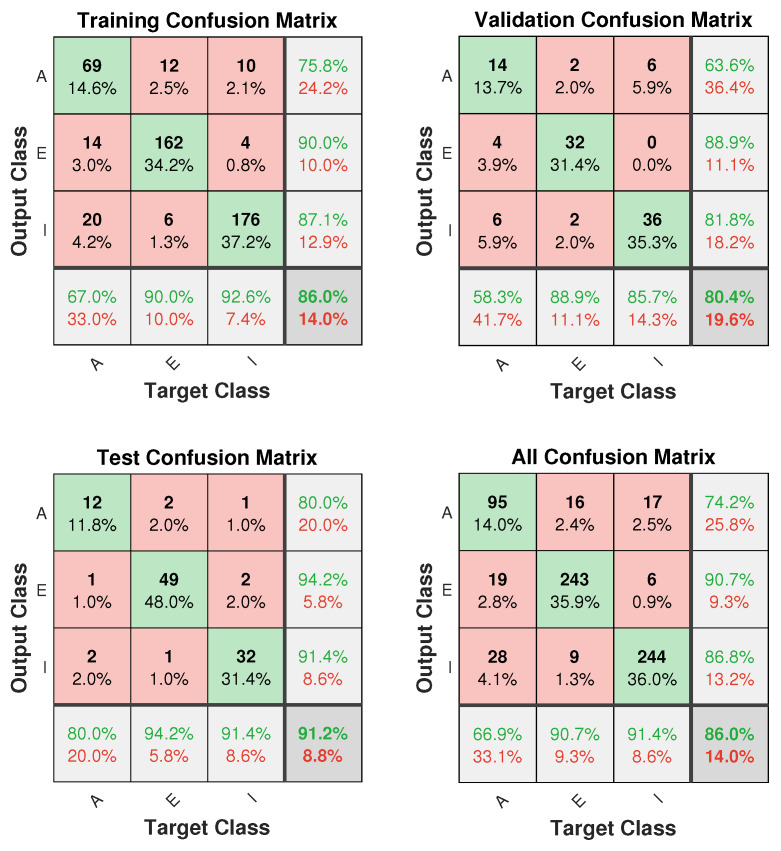
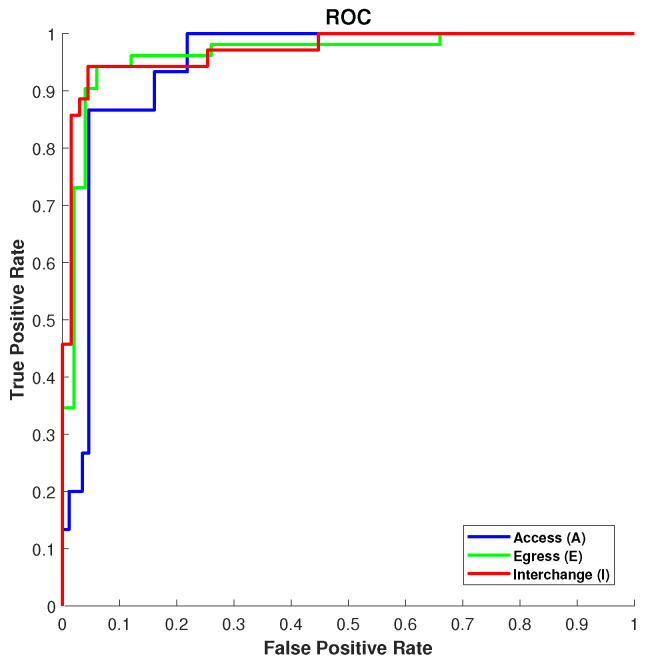
Information and Communication Technology (ICT) enabled optimisation of train's passenger traffic flows is a key consideration of transportation under Smart City planning (SCP). Traditional mobility prediction based optimisation and encryption approaches are reactive in nature; however, Artificial Intelligence (AI) driven proactive solutions are required for near real-time optimisation. Leveraging the historical passenger data recorded via Radio Frequency Identification (RFID) sensors installed at the train stations, mobility prediction models can be developed to support and improve the railway operational performance vis-a-vis 5G and beyond. In this paper we have analysed the passenger traffic flows based on an Access, Egress and Interchange (AEI) framework to support train infrastructure against congestion, accidents, overloading carriages and maintenance. This paper predominantly focuses on developing passenger flow predictions using Machine Learning (ML) along with a novel encryption model that is capable of handling the heavy passenger traffic flow in real-time. We have compared and reported the performance of various ML driven flow prediction models using real-world passenger flow data obtained from London Underground and Overground (LUO). Extensive spatio-temporal simulations leveraging realistic mobility prediction models show that an AEI framework can achieve 91.17% prediction accuracy along with secure and light-weight encryption capabilities. Security parameters such as correlation coefficient (<0.01), entropy (>7.70), number of pixel change rate (>99%), unified average change intensity (>33), contrast (>10), homogeneity (<0.3) and energy (<0.01) prove the efficacy of the proposed encryption scheme.
信息和通信技术(ICT)使火车客流量的优化成为智慧城市规划(SCP)下交通的关键考虑因素。传统的基于优化和加密方法的移动性预测本质上是被动的;然而,需要人工智能(AI)驱动的主动解决方案才能实现近乎实时的优化。利用通过安装在火车站的射频识别(RFID)传感器记录的历史乘客数据,可以开发移动性预测模型,以支持和提高铁路运营性能,包括 5G 及以后的技术。在本文中,我们根据访问、出口和换乘(AEI)框架分析了客流量,以支持火车基础设施应对拥堵、事故、车厢过载和维护。本文主要侧重于使用机器学习(ML)开发乘客流量预测模型,并提出了一种能够实时处理大量乘客流量的新型加密模型。我们使用从伦敦地铁和地上(LUO)获得的真实乘客流量数据,比较并报告了各种基于 ML 的流量预测模型的性能。利用现实的移动性预测模型进行广泛的时空模拟表明,AEI 框架可以实现 91.17%的预测精度,同时具有安全和轻量级的加密功能。相关系数(<0.01)、熵(>7.70)、像素变化率(>99%)、统一平均变化强度(>33)、对比度(>10)、同质性(<0.3)和能量(<0.01)等安全参数证明了所提出的加密方案的有效性。