State Key Laboratory of Wheat and Maize Crop Science, Henan Agricultural University, Zhengzhou, 450002, China.
Key laboratory of Plant Resource Conservation and Germplasm Innovation in Mountainous Region (Ministry of Education), College of Agricultural Sciences, Guizhou University, Guiyang, 550025, China.
BMC Plant Biol. 2020 May 7;20(1):197. doi: 10.1186/s12870-020-02409-0.
N is an important macronutrient required for plant development and significantly influences axillary bud outgrowth, which affects tillering and grain yield of rice. However, how different N concentrations affect axillary bud growth at the molecular and transcriptional levels remains unclear.
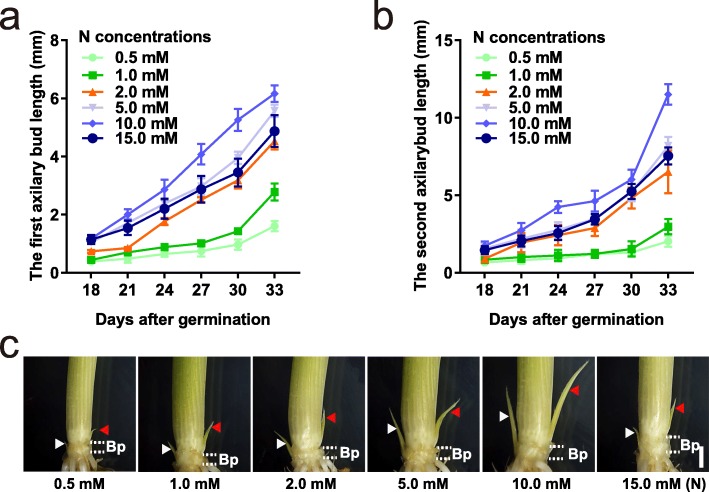
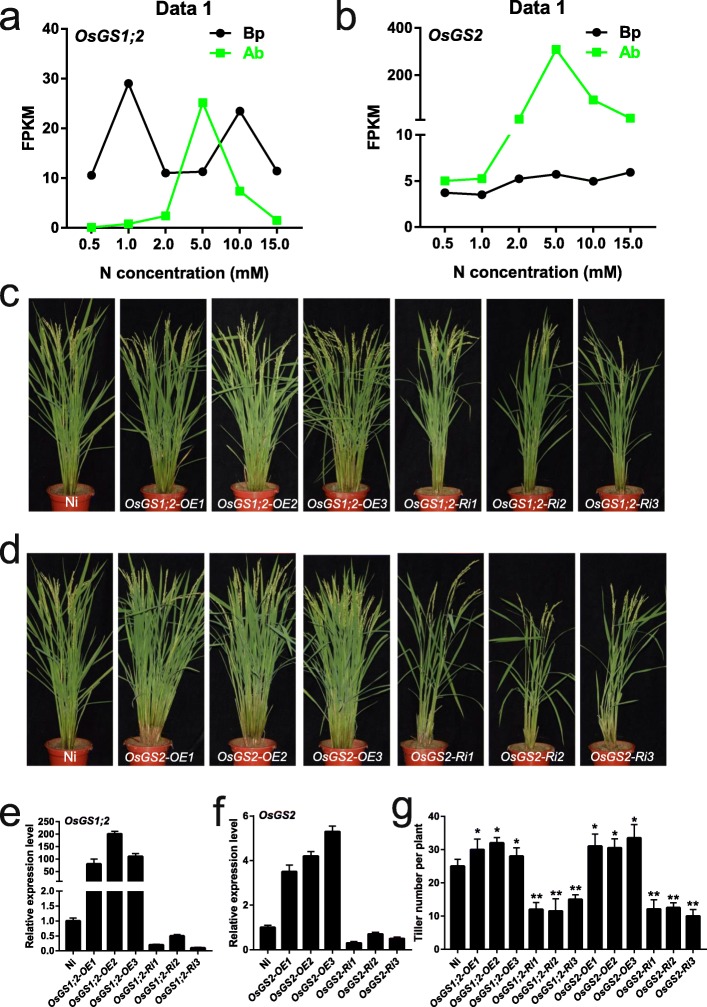
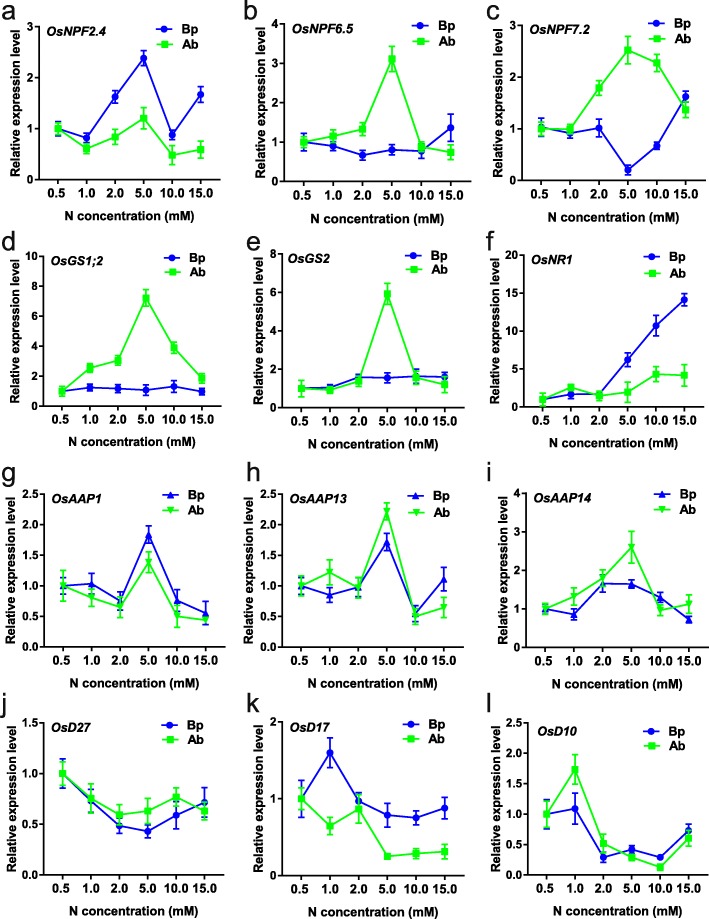
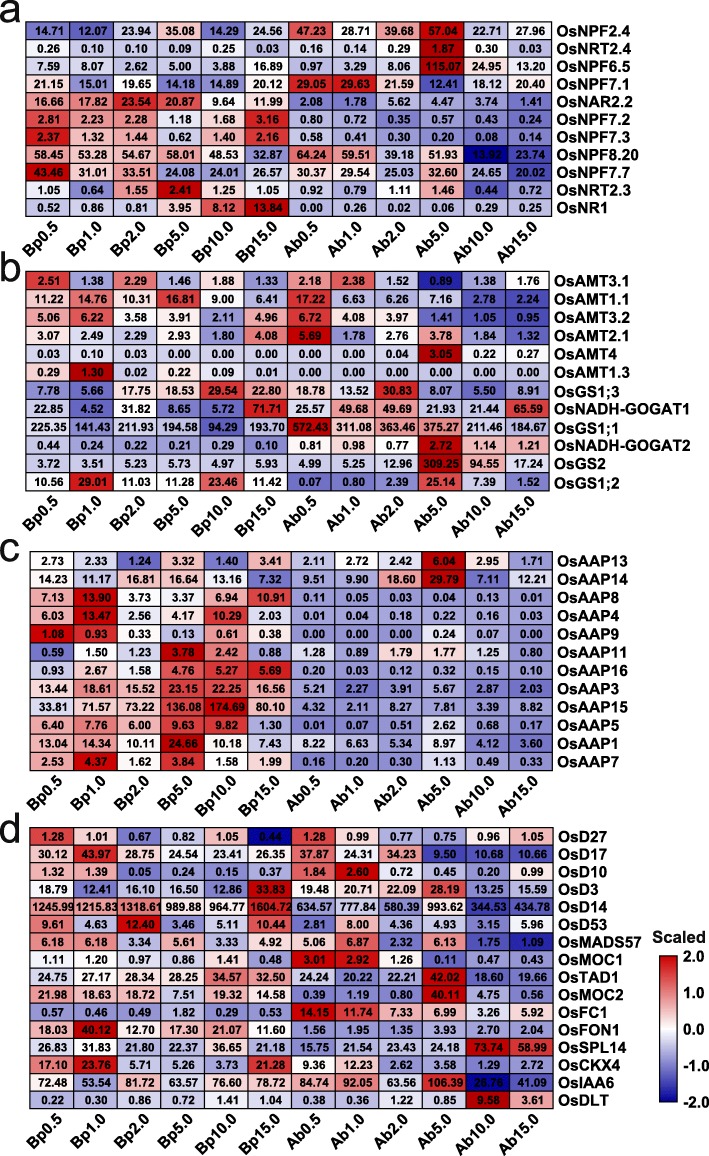
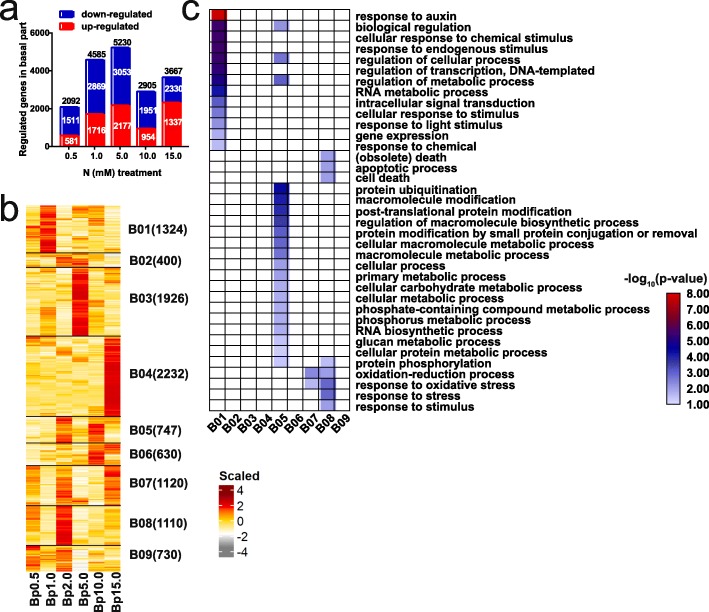
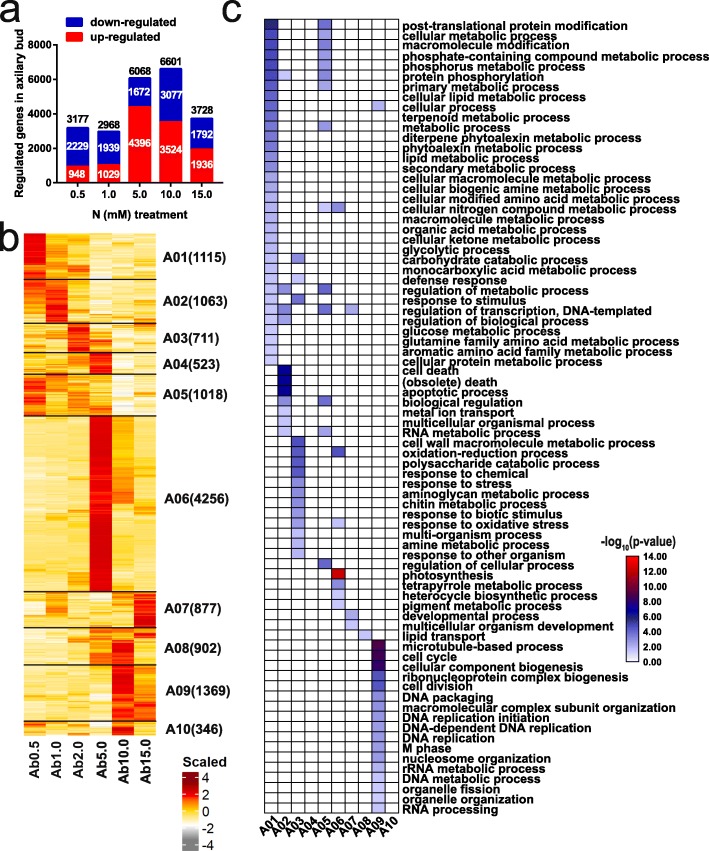
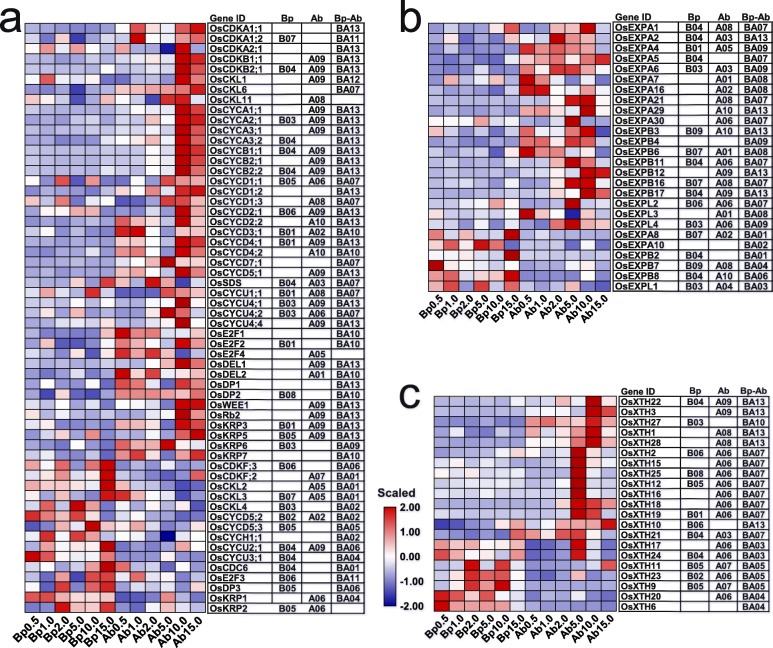
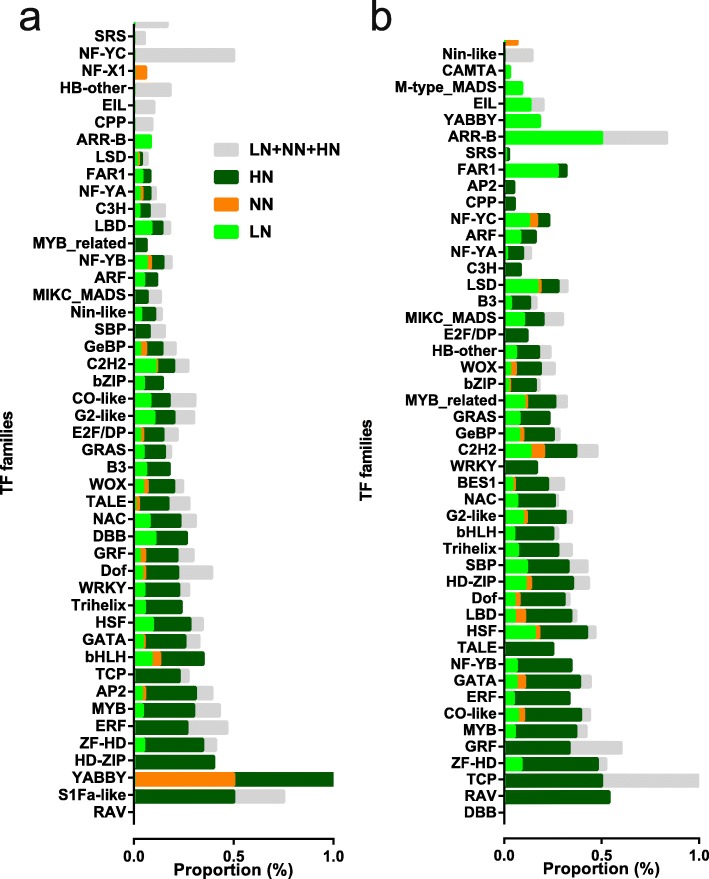
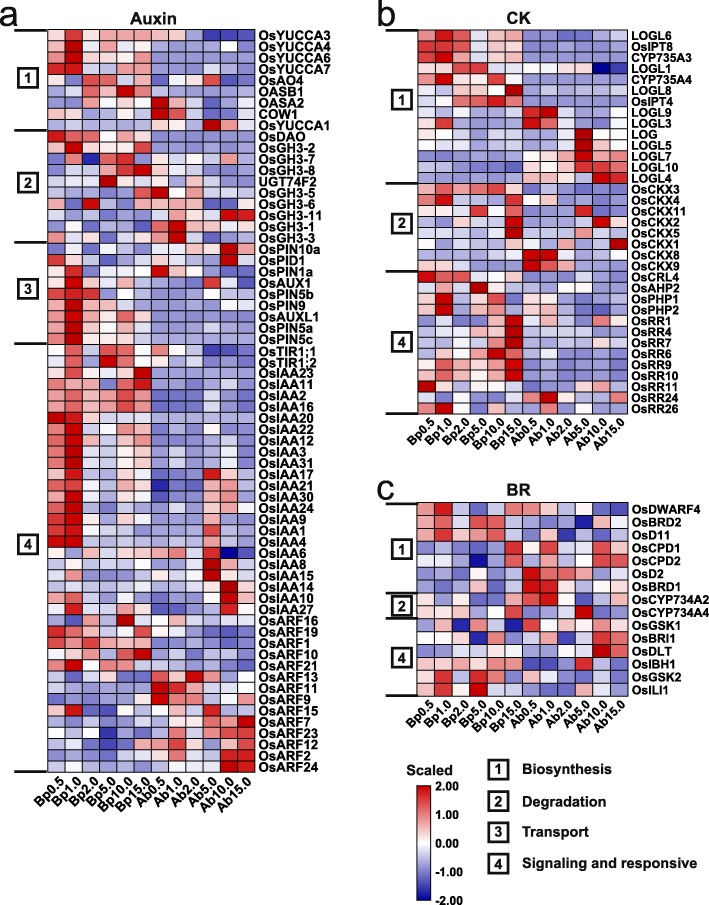
In this study, morphological changes in the axillary bud growth of rice seedlings under different N concentrations ranging from low to high levels were systematically observed. To investigate the expression of N-induced genes involved in axillary bud growth, we used RNA-seq technology to generate mRNA transcriptomic data from two tissue types, basal parts and axillary buds, of plants grown under six different N concentrations. In total, 10,221 and 12,180 DEGs induced by LN or HN supplies were identified in the basal parts and axillary buds, respectively, via comparisons to expression levels under NN level. Analysis of the coexpression modules from the DEGs of the basal parts and axillary buds revealed an abundance of related biological processes underlying the axillary bud growth of plants under N treatments. Among these processes, the activity of cell division and expansion was positively correlated with the growth rate of axillary buds of plants grown under different N supplies. Additionally, TFs and phytohormones were shown to play roles in determining the axillary bud growth of plants grown under different N concentrations. We have validated the functions of OsGS1;2 and OsGS2 through the rice transgenic plants with altered tiller numbers, illustrating the important valve of our transcriptomic data.
These results indicate that different N concentrations affect the axillary bud growth rate, and our study show comprehensive expression profiles of genes that respond to different N concentrations, providing an important resource for future studies attempting to determine how axillary bud growth is controlled by different N supplies.
氮是植物发育所必需的重要大量营养素,对腋芽生长有显著影响,进而影响水稻的分蘖和产量。然而,不同氮浓度如何在分子和转录水平上影响腋芽生长尚不清楚。
本研究系统观察了不同氮浓度(从低到高)下水稻幼苗腋芽生长的形态变化。为了研究氮诱导的与腋芽生长相关基因的表达,我们使用 RNA-seq 技术从在六种不同氮浓度下生长的植物的基部和腋芽两个组织类型生成 mRNA 转录组数据。总共在基部和腋芽中,通过与 NN 水平下的表达水平相比,鉴定出由 LN 或 HN 供应诱导的 10221 个和 12180 个差异表达基因。对基部和腋芽中 DEGs 的共表达模块进行分析,揭示了氮处理下植物腋芽生长相关的大量生物学过程。在这些过程中,细胞分裂和扩张的活性与不同氮供应下植物腋芽的生长速度呈正相关。此外,TFs 和植物激素被证明在决定不同氮浓度下植物腋芽生长中起作用。我们通过改变分蘖数的水稻转基因植物验证了 OsGS1;2 和 OsGS2 的功能,说明了我们转录组数据的重要价值。
这些结果表明,不同的氮浓度会影响腋芽的生长速度,我们的研究显示了对不同氮浓度有响应的基因的综合表达谱,为未来研究如何通过不同的氮供应来控制腋芽生长提供了重要资源。