Sinai-Livne Tali, Pasmanik-Chor Metsada, Cohen Zoya, Tsarfaty Ilan, Werner Haim, Berger Raanan
Department of Human Molecular Genetics and Biochemistry, Sackler School of Medicine, Tel Aviv University, Tel Aviv 69978, Israel.
Bioinformatics Unit, George Wise Faculty of Life Sciences, Tel Aviv University, Tel Aviv 69978, Israel.
Oncotarget. 2020 Apr 28;11(17):1515-1530. doi: 10.18632/oncotarget.27566.
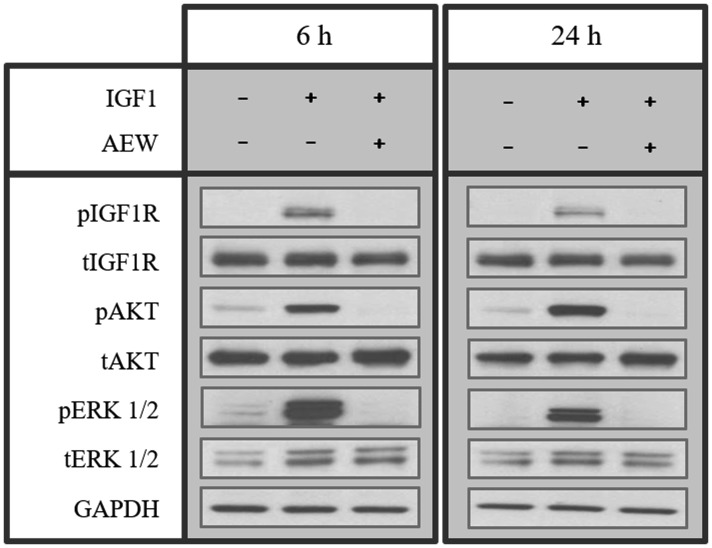
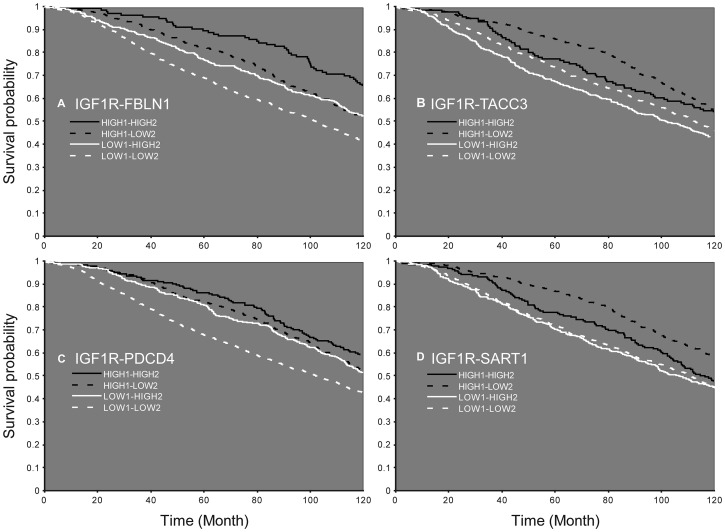
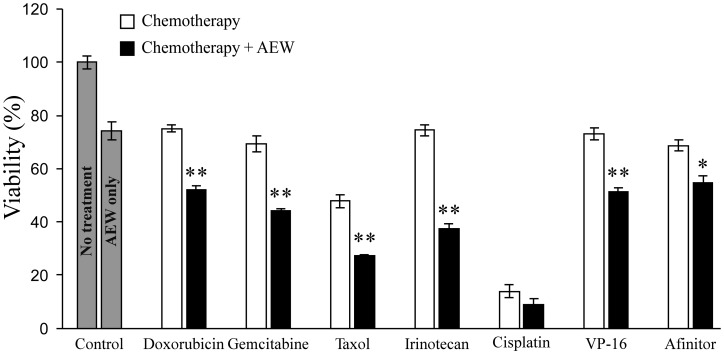
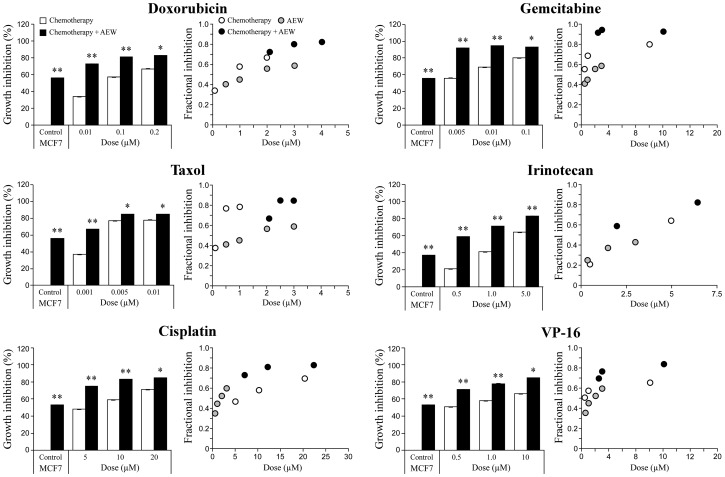
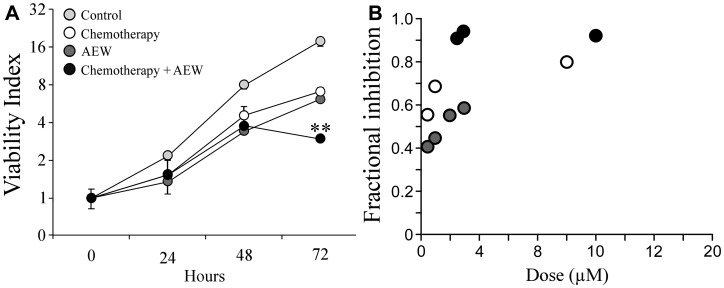
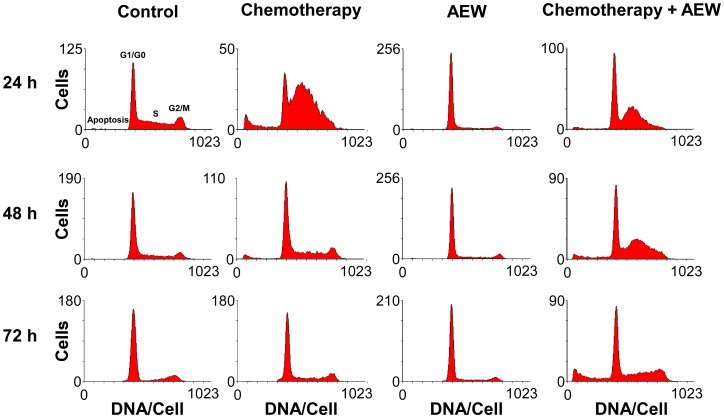
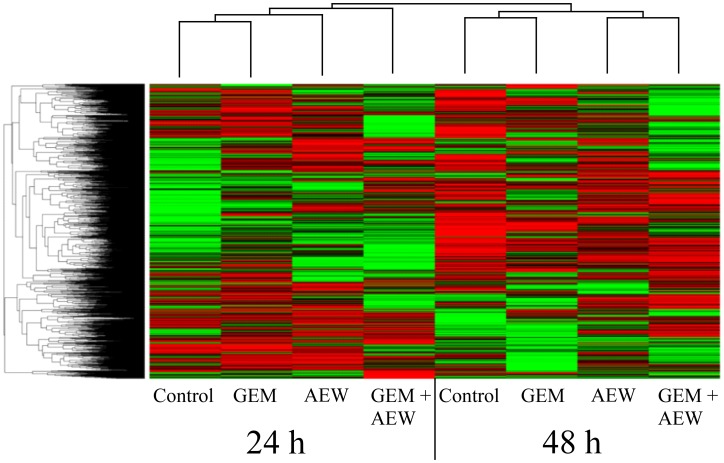
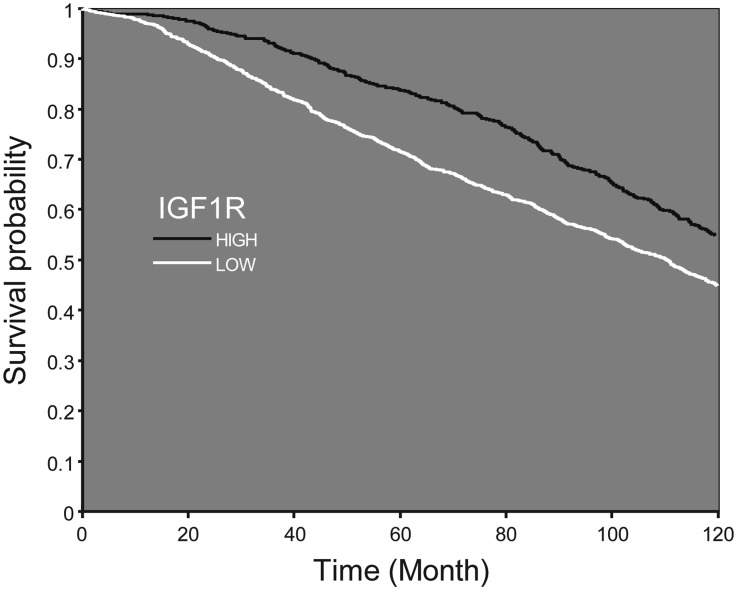
Clinical, epidemiological and experimental data identified the insulin-like growth factor-1 receptor (IGF1R) as a candidate therapeutic target in oncology. While this paradigm is based on well-established biological facts, including the potent anti-apoptotic and cell survival capabilities of the receptor, most Phase III clinical trials designed to target the IGF1R led to disappointing results. The present study was aimed at evaluating the hypothesis that combined treatment composed of selective IGF1R inhibitor along with classical chemotherapy might be more effective than individual monotherapies in breast cancer treatment. Analyses included comprehensive measurements of the synergism achieved by various combination regimens using the software. In addition, proteomic analyses were conducted to identify the proteins involved in the synergistic killing effect at a global level. Data presented here demonstrates that co-treatment of IGF1R inhibitor along with chemotherapeutic drugs markedly improves the therapeutic efficiency in breast cancer cells. Of clinical relevance, our analyses indicate that high IGF1R baseline expression may serve as a predictive biomarker for IGF1R targeted therapy. In addition, we identified a ten-genes signature with potential predictive value. In conclusion, the use of a series of bioinformatics tools shed light on some of the biological pathways that might be responsible for synergysm in cancer therapy.
临床、流行病学和实验数据表明,胰岛素样生长因子-1受体(IGF1R)是肿瘤学中一个潜在的治疗靶点。虽然这一模式基于已确立的生物学事实,包括该受体强大的抗凋亡和细胞存活能力,但大多数旨在靶向IGF1R的III期临床试验都得出了令人失望的结果。本研究旨在评估以下假设:在乳腺癌治疗中,由选择性IGF1R抑制剂与传统化疗组成的联合治疗可能比单一疗法更有效。分析包括使用该软件对各种联合方案所实现的协同作用进行全面测量。此外,还进行了蛋白质组学分析,以在整体水平上鉴定参与协同杀伤作用的蛋白质。此处呈现的数据表明,IGF1R抑制剂与化疗药物联合治疗可显著提高乳腺癌细胞的治疗效果。具有临床相关性的是,我们的分析表明,高IGF1R基线表达可能作为IGF1R靶向治疗的预测生物标志物。此外,我们鉴定出了一个具有潜在预测价值的十个基因的特征。总之,使用一系列生物信息学工具揭示了一些可能与癌症治疗中的协同作用有关的生物学途径。