Balduit Andrea, Agostinis Chiara, Mangogna Alessandro, Maggi Veronica, Zito Gabriella, Romano Federico, Romano Andrea, Ceccherini Rita, Grassi Gabriele, Bonin Serena, Bonazza Deborah, Zanconati Fabrizio, Ricci Giuseppe, Bulla Roberta
Department of Life Sciences, University of Trieste, 34127 Trieste, Italy.
Institute for Maternal and Child Health, IRCCS Burlo Garofolo, 34134 Trieste, Italy.
Cancers (Basel). 2020 May 7;12(5):1175. doi: 10.3390/cancers12051175.
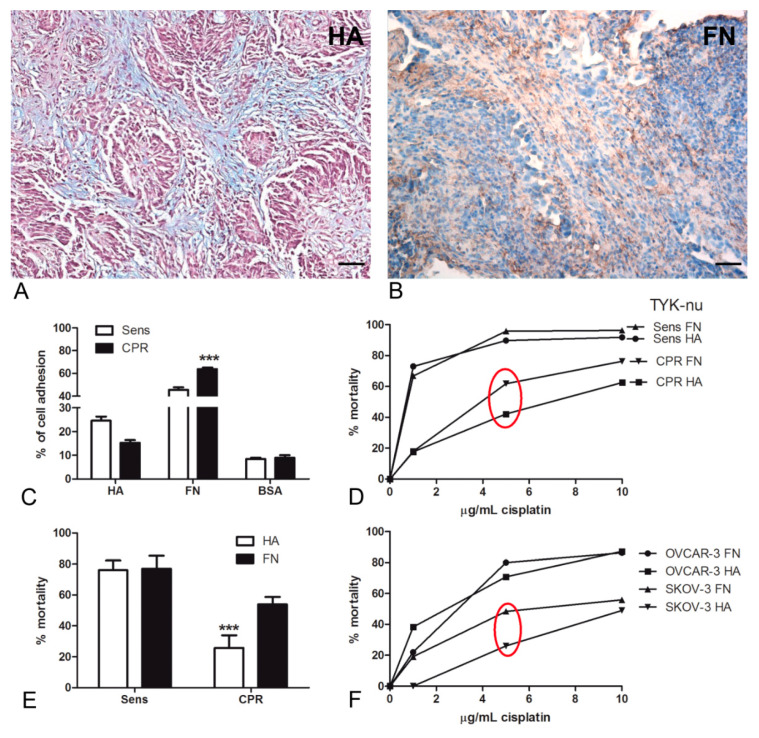
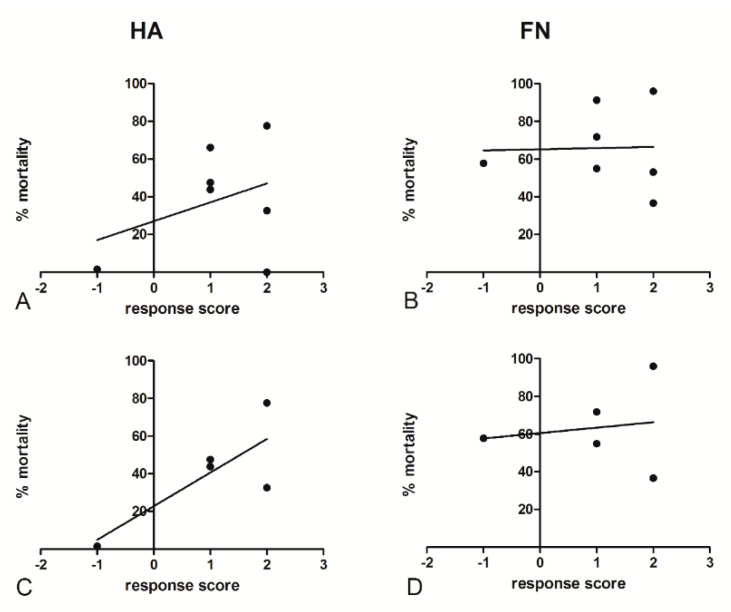
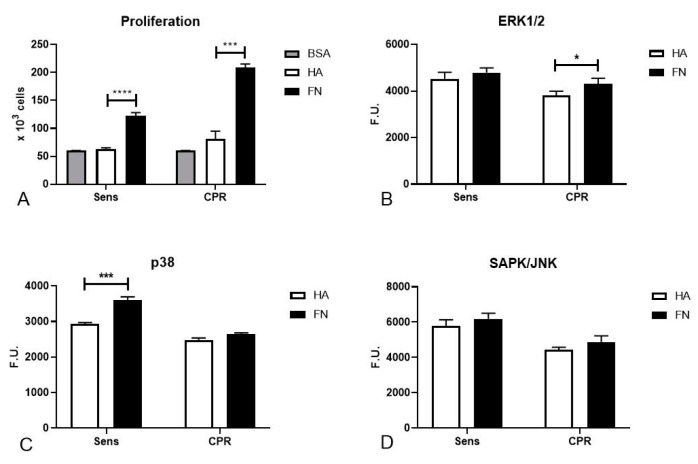
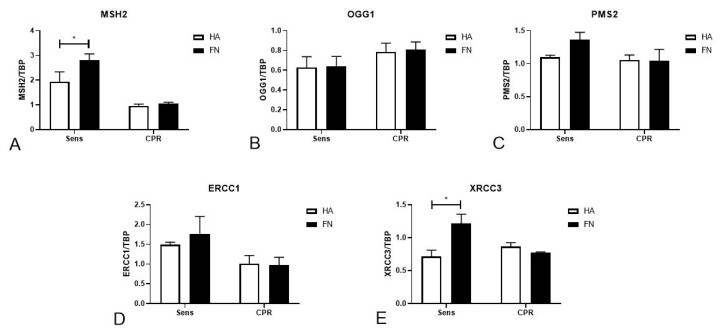
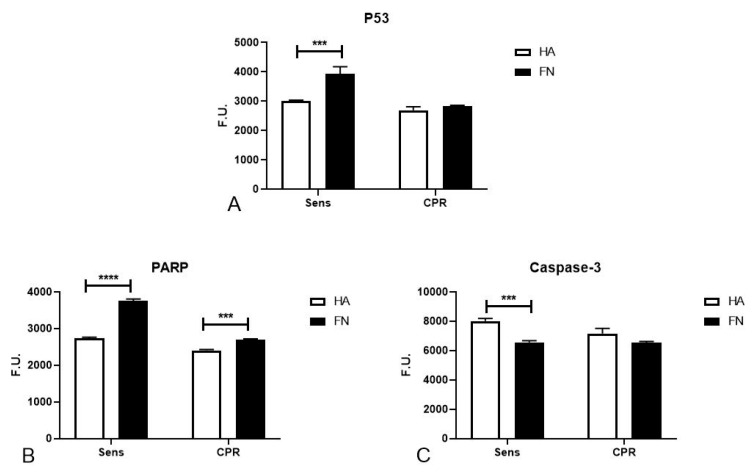
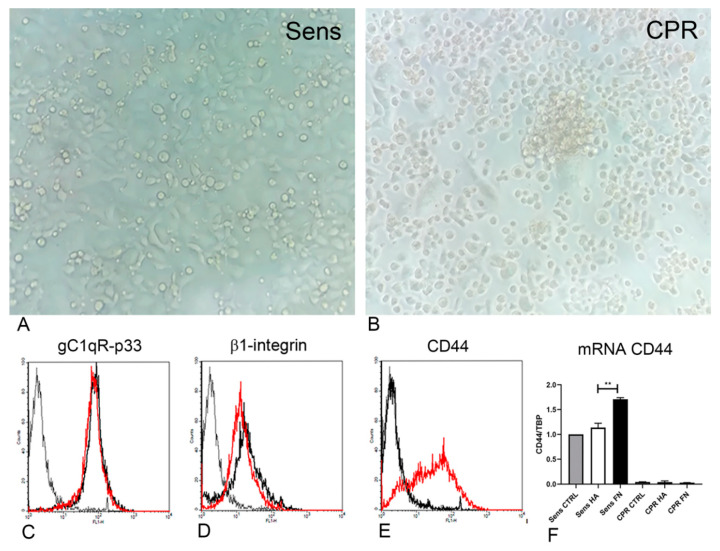
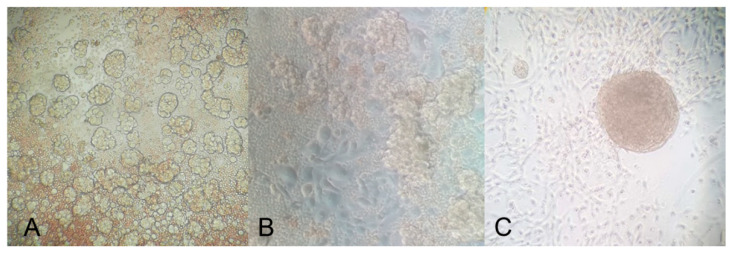
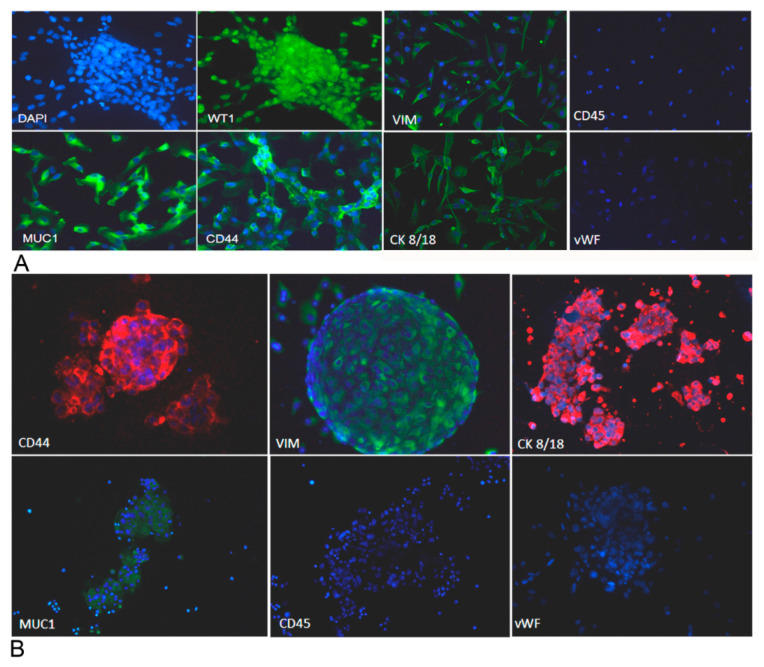
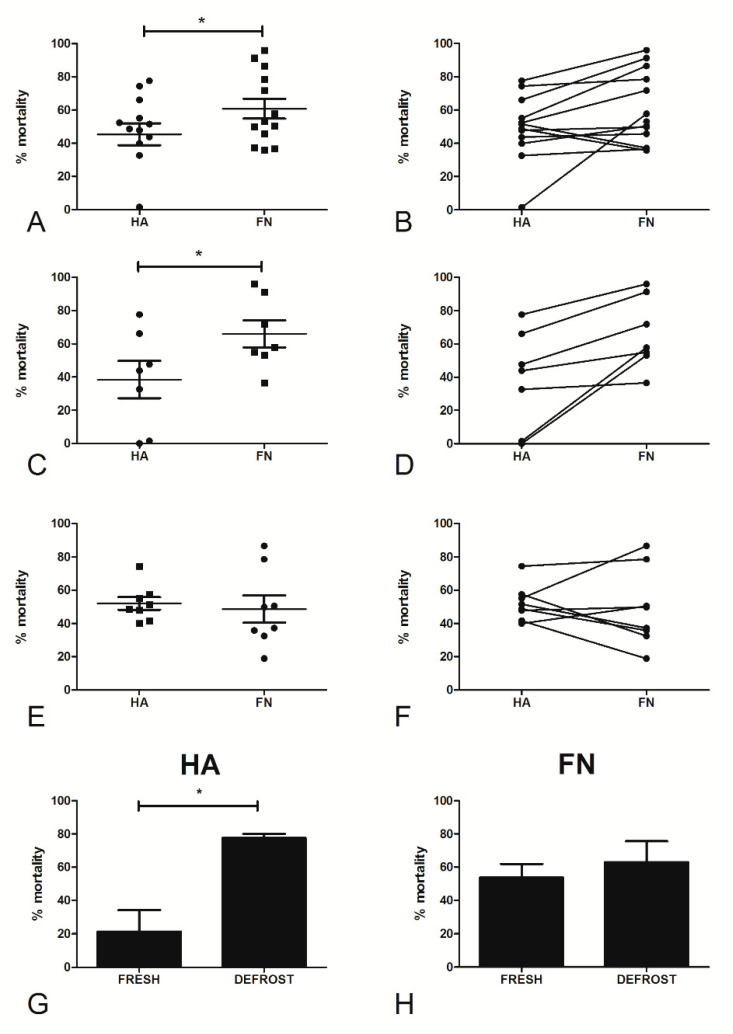
The development of personalized therapies for ovarian carcinoma patients is still hampered by several limitations, mainly the difficulty of predicting patients' responses to chemotherapy in tumor cells isolated from peritoneal fluids. The main reason for the low predictive power of in vitro assays is related to the modification of the cancer cells' phenotype induced by the culture conditions, which results in changes to the activation state and drug sensitivity of tumor cells compared to their in vivo properties. We have defined the optimal culture conditions to set up a prognostic test to predict high-grade serous ovarian carcinoma (HGSOC) patients' responses to platinum chemotherapy. We evaluated the effects of hyaluronic acid (HA) and fibronectin matrices and the contribution of freezing/thawing processes to the cell response to platinum-based treatment, collecting spheroids from the ascitic fluids of 13 patients with stage II or III HGSOC. Our findings indicated that an efficient model used to generate predictive data for in vivo sensitivity to platinum is culturing fresh spheroids on HA, avoiding the use of previously frozen primary tumor cells. The establishment of this easy, reproducible and standardized testing method can significantly contribute to an improvement in therapeutic effectiveness, thus bringing the prospect of personalized therapy closer for ovarian carcinoma patients.
卵巢癌患者个性化治疗的发展仍受到若干限制,主要是难以从腹水中分离的肿瘤细胞中预测患者对化疗的反应。体外检测预测能力低的主要原因与培养条件诱导的癌细胞表型改变有关,这导致肿瘤细胞的激活状态和药物敏感性与其体内特性相比发生变化。我们已经确定了最佳培养条件,以建立一种预后测试,预测高级别浆液性卵巢癌(HGSOC)患者对铂类化疗的反应。我们评估了透明质酸(HA)和纤连蛋白基质的作用以及冻融过程对细胞对铂类治疗反应的影响,从13例II期或III期HGSOC患者的腹水中收集球体。我们的研究结果表明,用于生成体内对铂敏感性预测数据的有效模型是在HA上培养新鲜球体,避免使用先前冷冻的原发性肿瘤细胞。建立这种简单、可重复和标准化的检测方法可显著有助于提高治疗效果,从而使卵巢癌患者更接近个性化治疗的前景。