Albrechet-Souza Lucas, Schratz Connor L, Gilpin Nicholas W
Department of Physiology, School of Medicine, Louisiana State University Health Sciences Center, New Orleans, LA, USA.
Alcohol & Drug Center of Excellence, School of Medicine, Louisiana State University Health Sciences Center, New Orleans, LA, USA.
Biol Sex Differ. 2020 May 11;11(1):27. doi: 10.1186/s13293-020-00303-w.
Alcohol misuse and post-traumatic stress disorder (PTSD) are highly comorbid, and treatment outcomes are worse in individuals with both conditions. Although more men report experiencing traumatic events than women, the lifetime prevalence of PTSD is twice as high in females. Despite these data trends in humans, preclinical studies of traumatic stress reactivity have been performed almost exclusively in male animals.
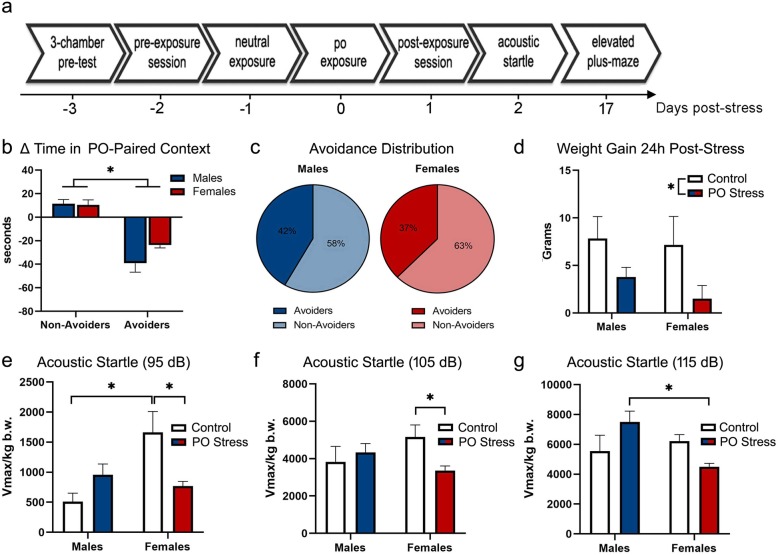
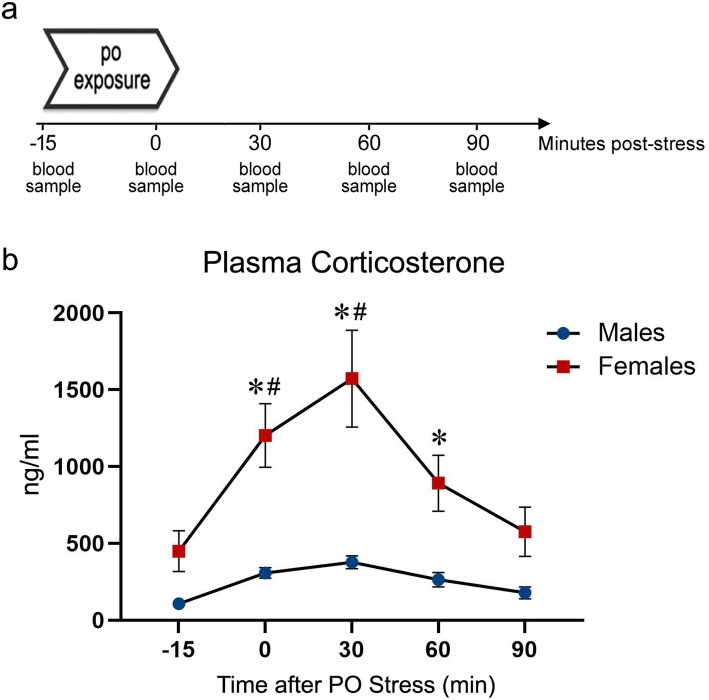
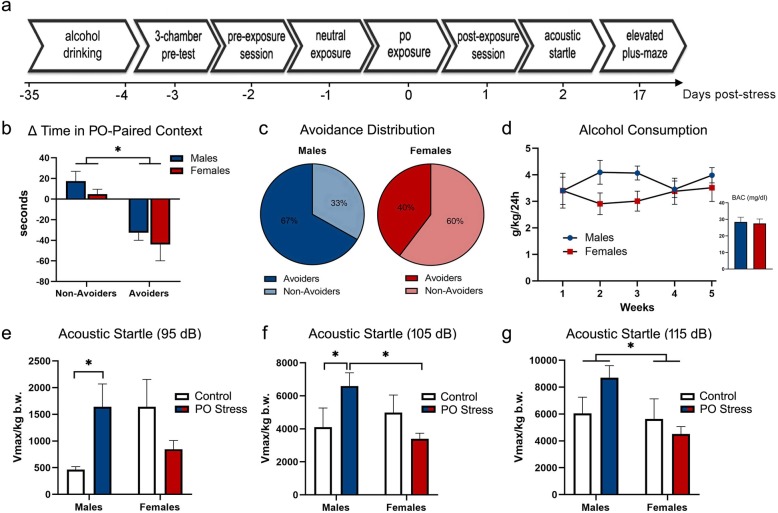
This study was designed to examine sex differences in traumatic stress reactivity in alcohol-naive rats (experiment 1) and rats given intermittent access to 20% ethanol in a 2-bottle choice paradigm for 5 weeks (experiment 2). Animals were exposed to predator odor (bobcat urine) and tested for contextual avoidance 24 h later; unstressed controls were never exposed to predator odor. We evaluated changes in physiological arousal using the acoustic startle response (ASR) test at day 2 post-stress and anxiety-like behavior measured in the elevated plus-maze (EPM) at day 17 post-stress. In experiment 3, time course of corticosterone response was examined in male and female rats following exposure to predator odor stress.
Alcohol-naive males and females exposed to predator odor displayed blunted weight gain 24 h post-stress, but only a subset of stressed animals exhibited avoidance behavior. In alcohol-drinking animals, the proportion of avoiders was higher in males than females, and predator odor exposure increased ASR in males only. Stressed females exhibited blunted ASR relative to unstressed females and stressed males, regardless of alcohol drinking history. Alcohol-experienced females presented lower anxiety-like behavior and higher general activity in the EPM in comparison with alcohol-experienced males. Plasma corticosterone levels were higher in females immediately after predator odor exposure until 60 min post-stress relative to males.
We report robust sex differences in behavioral and endocrine responses to bobcat urine exposure in adult Wistar rats. Also, males with a history of chronic moderate alcohol drinking exhibited increased traumatic stress reactivity relative to alcohol-drinking females. Our findings emphasize the importance of considering sex as a biological variable in the investigation of traumatic stress effects on physiology and behavior.
酒精滥用与创伤后应激障碍(PTSD)高度共病,同时患有这两种疾病的个体治疗效果更差。尽管报告经历过创伤事件的男性比女性更多,但女性PTSD的终生患病率是男性的两倍。尽管人类存在这些数据趋势,但创伤应激反应性的临床前研究几乎完全在雄性动物中进行。
本研究旨在检查未接触过酒精的大鼠(实验1)和在两瓶选择范式中给予间歇性接触20%乙醇5周的大鼠(实验2)的创伤应激反应性的性别差异。动物暴露于捕食者气味(山猫尿液)中,并在24小时后测试情境回避;未受应激的对照组从未接触过捕食者气味。我们在应激后第2天使用听觉惊吓反应(ASR)测试评估生理唤醒的变化,并在应激后第17天在高架十字迷宫(EPM)中测量焦虑样行为。在实验3中,研究了雄性和雌性大鼠暴露于捕食者气味应激后皮质酮反应的时间进程。
暴露于捕食者气味的未接触过酒精的雄性和雌性大鼠在应激后24小时体重增加减缓,但只有一部分受应激动物表现出回避行为。在饮酒动物中,回避者的比例雄性高于雌性,并且捕食者气味暴露仅增加了雄性的ASR。无论饮酒史如何,应激雌性相对于未受应激的雌性和应激雄性表现出ASR减弱。与有饮酒经历的雄性相比,有饮酒经历的雌性在EPM中表现出较低的焦虑样行为和较高的总体活动。相对于雄性,雌性在暴露于捕食者气味后直至应激后60分钟血浆皮质酮水平更高。
我们报告了成年Wistar大鼠对山猫尿液暴露的行为和内分泌反应存在明显的性别差异。此外,有慢性中度饮酒史的雄性相对于饮酒雌性表现出增加的创伤应激反应性。我们的研究结果强调了在调查创伤应激对生理和行为的影响时将性别作为生物学变量考虑的重要性。