Broere-Brown Zoe A, Adank Maria C, Benschop Laura, Tielemans Myrte, Muka Taulant, Gonçalves Romy, Bramer Wichor M, Schoufour Josje D, Voortman Trudy, Steegers Eric A P, Franco Oscar H, Schalekamp-Timmermans Sarah
Department of Obstetrics and Gynecology, Erasmus Medical Center, Rotterdam, the Netherlands.
Generation R Study Group, Erasmus Medical Center, Rotterdam, the Netherlands.
Biol Sex Differ. 2020 May 11;11(1):26. doi: 10.1186/s13293-020-00299-3.
Since the placenta also has a sex, fetal sex-specific differences in the occurrence of placenta-mediated complications could exist.
To determine the association of fetal sex with multiple maternal pregnancy complications.
Six electronic databases Ovid MEDLINE, EMBASE, Cochrane Central, Web-of-Science, PubMed, and Google Scholar were systematically searched to identify eligible studies. Reference lists of the included studies and contact with experts were also used for identification of studies.
Observational studies that assessed fetal sex and the presence of maternal pregnancy complications within singleton pregnancies.
Data were extracted by 2 independent reviewers using a predesigned data collection form.
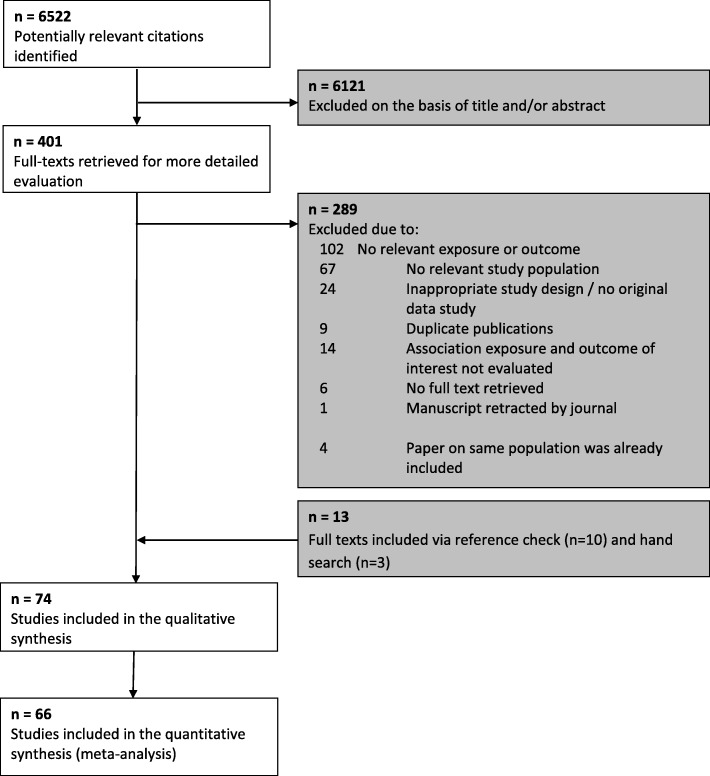
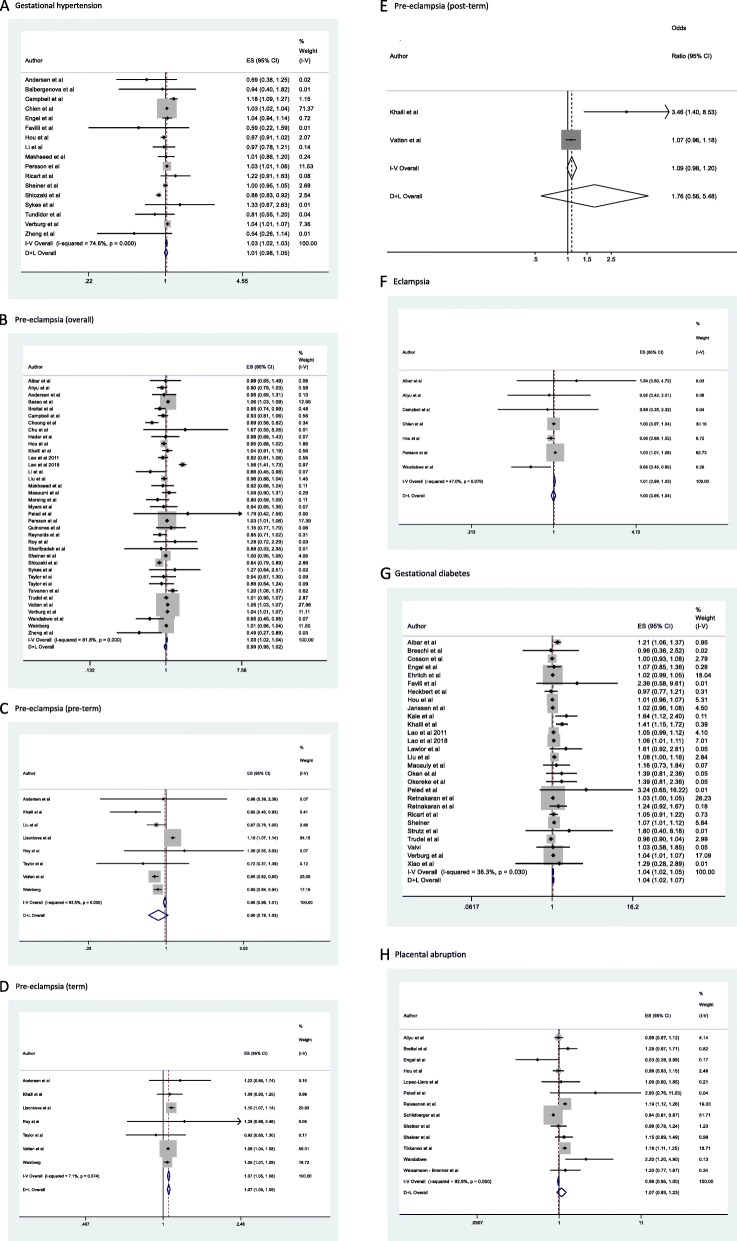
From 6522 original references, 74 studies were selected, including over 12,5 million women. Male fetal sex was associated with term pre-eclampsia (pooled OR 1.07 [95%CI 1.06 to 1.09]) and gestational diabetes (pooled OR 1.04 [1.02 to 1.07]). All other pregnancy complications (i.e., gestational hypertension, total pre-eclampsia, eclampsia, placental abruption, and post-partum hemorrhage) tended to be associated with male fetal sex, except for preterm pre-eclampsia, which was more associated with female fetal sex. Overall quality of the included studies was good. Between-study heterogeneity was high due to differences in study population and outcome definition.
This meta-analysis suggests that the occurrence of pregnancy complications differ according to fetal sex with a higher cardiovascular and metabolic load for the mother in the presence of a male fetus.
None.
由于胎盘也有性别之分,胎盘介导的并发症的发生可能存在胎儿性别特异性差异。
确定胎儿性别与多种孕产妇妊娠并发症之间的关联。
系统检索了六个电子数据库,即Ovid MEDLINE、EMBASE、Cochrane Central、Web of Science、PubMed和谷歌学术,以识别符合条件的研究。纳入研究的参考文献列表以及与专家的联系也用于研究识别。
评估单胎妊娠中胎儿性别和孕产妇妊娠并发症情况的观察性研究。
由两名独立的审阅者使用预先设计的数据收集表提取数据。
从6522篇原始参考文献中,选择了74项研究,涉及超过1250万名女性。男性胎儿与足月子痫前期(合并比值比1.07 [95%置信区间1.06至1.09])和妊娠期糖尿病(合并比值比1.04 [1.02至1.07])相关。除早产子痫前期与女性胎儿更相关外,所有其他妊娠并发症(即妊娠期高血压、重度子痫前期、子痫、胎盘早剥和产后出血)往往与男性胎儿相关。纳入研究的总体质量良好。由于研究人群和结局定义的差异,研究间异质性较高。
这项荟萃分析表明,妊娠并发症的发生因胎儿性别而异,男性胎儿的存在会使母亲承受更高的心血管和代谢负担。
无。